

Petful is reader supported. As an affiliate of platforms like Amazon and Chewy, we may earn a commission when you buy through links on this page. There is no extra cost to you.
Hiring someone to care for your dog or cat while you are at work or traveling is one of the most practical decisions a pet owner makes, and the first question is almost always about money. Pet sitter cost in 2026 varies widely depending on the type of visit you book, where you live, how many pets need care, and whether your animal has special medical or behavioral needs. A quick 30-minute drop-in visit is priced very differently from a week of overnight stays in your home, so the honest answer to “how much should I pay my pet sitter” is a range, not a single flat number.
This guide breaks down real 2026 US pricing for every common service type, for both dogs and cats, from short drop-in visits to full week-long stays. You will see typical low and high figures, the factors that move your rate up or down, whether tipping is expected, and how to find and vet a sitter you can genuinely trust. Use the numbers here as a benchmark when you compare local quotes, then match the service to what your specific pet actually needs rather than paying for more (or less) than the situation calls for.
- 1A 30-minute drop-in visit runs about $20 to $40, and daytime day-rate care runs about $40 to $80.
- 2Overnight in-home care is typically $75 to $100 per night, and a full week of care usually lands between $250 and $600 or more.
- 3Dog sitting and cat sitting cost about the same per visit, but cats often need fewer and shorter visits, which can lower your weekly total.
- 4Location, number of pets, holidays, and medical needs are the biggest factors that move the price.
- 5A 15% to 20% tip is a common and appreciated thank-you for great care, especially over holidays or for long stays.

Don’t Guess When It Comes To Your Pet’s Care
Sign up for expert-backed reviews and safety alerts all in one place.
What do pet sitters charge? (the quick answer)
If you want the short version before the details, here it is. In 2026, most US pet sitters charge by the visit or by the day, and the price scales with how much time and responsibility the job involves. A brief check-in costs the least, and an around-the-clock stay in your home costs the most, with everything else falling in between.
Here is the quick answer at a glance for the most common services:

Petful may earn a commission when you click through to Care.com, at no extra cost to you.
Sign up for free, try Care.com now
- 30-minute drop-in visit: about $20 to $40 per visit
- Daytime or house-sitting day rate: about $40 to $80 per day
- Overnight in-home care: about $75 to $100 per night
- Per day of full care: about $40 to $80
- Per week of care: about $250 to $600 or more, depending on how many visits or nights you book
These figures are national averages for typical, healthy pets. Big cities and high-cost regions push toward the top of each range and sometimes beyond it, while smaller towns and rural areas often sit at the lower end. Holidays, multiple pets, and medication routines can all add to the base rate. Think of these numbers as your starting benchmark, then adjust for your own zip code and your pet’s specific needs.
To turn a per-visit price into a real budget, multiply the visit rate by how often you need care across the days you will be away. A cat who needs one daily drop-in for a week costs roughly seven visits at $20 to $40, or about $140 to $280 total. A dog who needs three daily visits over that same week climbs to twenty-one visits and a much larger total. Always price the full schedule, not a single visit, so the final number does not surprise you at pickup.
Match the service to the need
- A cat who eats twice a day may only need one 30-minute drop-in, while a young dog usually needs two or three visits daily or an overnight sitter, so price the schedule your pet actually requires.
Pet sitter cost by service type
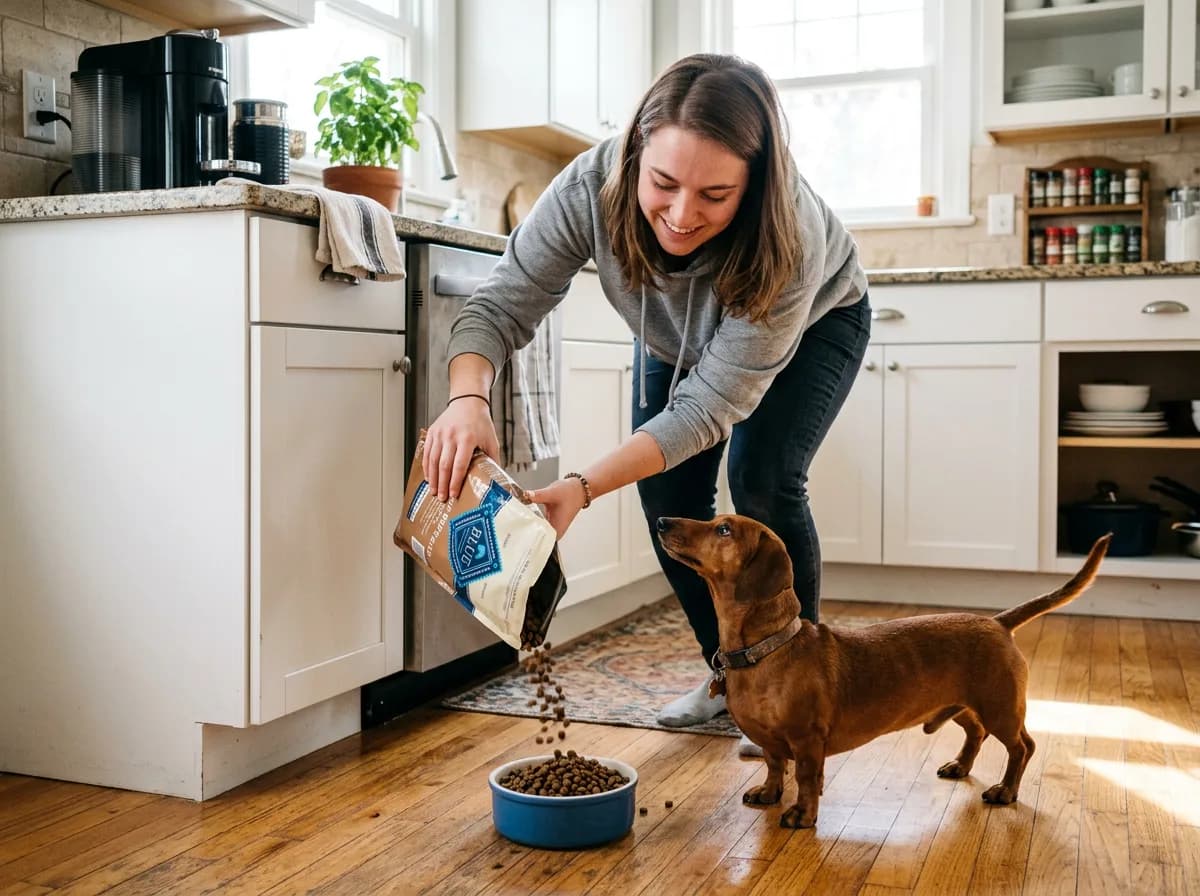
The single biggest driver of what you pay is which service you book. A drop-in visit, a daytime house-sit, and an overnight stay are three very different jobs, and their prices reflect the time and responsibility involved. Below is a breakdown of each service type in 2026, followed by a side-by-side price table you can use to compare quotes.
- Your pet stays home in its own routine and surroundings
- One rate can cover the whole household, which helps with multiple pets
- Personalized, one-on-one care
- Home security while you are away
- Usually pricier than boarding for a single pet
- No 24/7 facility staff or built-in backup
- Requires trusting a stranger in your home
- You coordinate keys, instructions, and payment
Pet sitter cost by service (2026)
| Service | Typical low | Typical high |
|---|---|---|
| 30-minute drop-in visit | $20 | $40 |
| Daytime day rate | $40 | $80 |
| Overnight in-home | $75 | $100 |
| Per week | $250 | $600+ |
Drop-in visits (about $20 to $40)
A drop-in visit is the most affordable option and the workhorse of pet care. The sitter comes to your home for roughly 30 minutes to feed your pet, refresh water, scoop the litter box or take the dog out, offer a little play or affection, and confirm everyone is safe and content. A 30-minute visit usually runs $20 to $40, with a 60-minute visit costing a bit more. Many owners book one visit a day for a low-maintenance cat, or two to three visits a day for a dog who needs regular potty breaks and company.
Petful may earn a commission when you click through to Care.com, at no extra cost to you.
Sign up for free, try Care.com now
Daytime and house-sitting day rate (about $40 to $80)
Daytime care and house-sitting cover longer stretches during working hours or a full day while you are away. A day rate of $40 to $80 typically buys several hours of supervision, feeding, walks, playtime, and light home tasks like bringing in mail or rotating lights so the house looks lived in. This tier suits pets who get anxious alone for long periods, puppies still learning house manners, or owners who simply want someone present through the day rather than a few short check-ins.
Overnight in-home care (about $75 to $100 per night)
Overnight in-home care is the premium service because the sitter stays in your home through the night, usually arriving in the evening and staying until morning. At $75 to $100 per night, you are paying for continuous presence, evening and morning feedings, late and early potty breaks, and the reassurance that your pet keeps their normal routine and their own bed. This is the closest thing to how your pet lives when you are home, and it is the top choice for animals who struggle with being alone overnight or who have medical needs that require monitoring.
How much should I pay someone for watching my dog for 2 days? For watching your dog for 2 days, what you should pay depends on whether you choose drop-in visits or overnight care. If you book two or three drop-in visits per day, expect roughly $40 to $120 per day, which works out to about $80 to $240 for the two days. If you want a sitter to stay overnight in your home both nights, plan on roughly $150 to $200 total for the two nights at the typical $75 to $100 per-night rate, plus any add-ons for extra dogs or medication.
How much should you pay a pet sitter?
Knowing the ranges is one thing, but many owners still want a gut check on whether a specific quote is fair. The right amount to pay lands where the service level, your pet’s needs, and your local market all meet. A fair rate covers the sitter’s time, travel, and skill without leaving your pet under-served, and the two most common questions owners ask are about the $50 and $100 day-rate marks.
Fair pay attracts reliable sitters
- The lowest bid is not always the best value. A sitter charging a livable rate is more likely to show up on time, stay experienced, and treat your pet like their own, which is exactly what you are paying for.
Is $50 a day good for pet sitting? Yes, $50 a day is generally good for pet sitting and sits comfortably inside the typical daytime range of $40 to $80. For a single, healthy, low-maintenance pet in an average-cost area, $50 a day is a fair rate that respects the sitter’s time while staying reasonable for your budget. It may run on the low side for multiple pets, for overnight stays, during holidays, or in high-cost cities, where $60 to $80 or more per day is closer to the going rate. If a sitter quotes $50 a day and includes several visits or a long daytime stretch, that is a solid deal.
Is $100 a day good for dog sitting? Whether $100 a day is good for dog sitting depends on the service. For overnight in-home care, $100 a day is right at the top of the standard $75 to $100 range and is fair, especially for a dog who needs a sitter to sleep over, or for two dogs, or during a holiday week. For basic daytime drop-in visits alone, $100 a day is on the higher side unless you live in an expensive metro area or your dog needs frequent visits, medication, or extra handling. If $100 a day buys overnight presence plus daytime walks, most owners consider it well spent. Curious what goes into a sitter’s rate from their side? Reading about what it takes to become a pet sitter helps explain why experienced, insured sitters charge what they do.
Dog sitting vs cat sitting rates
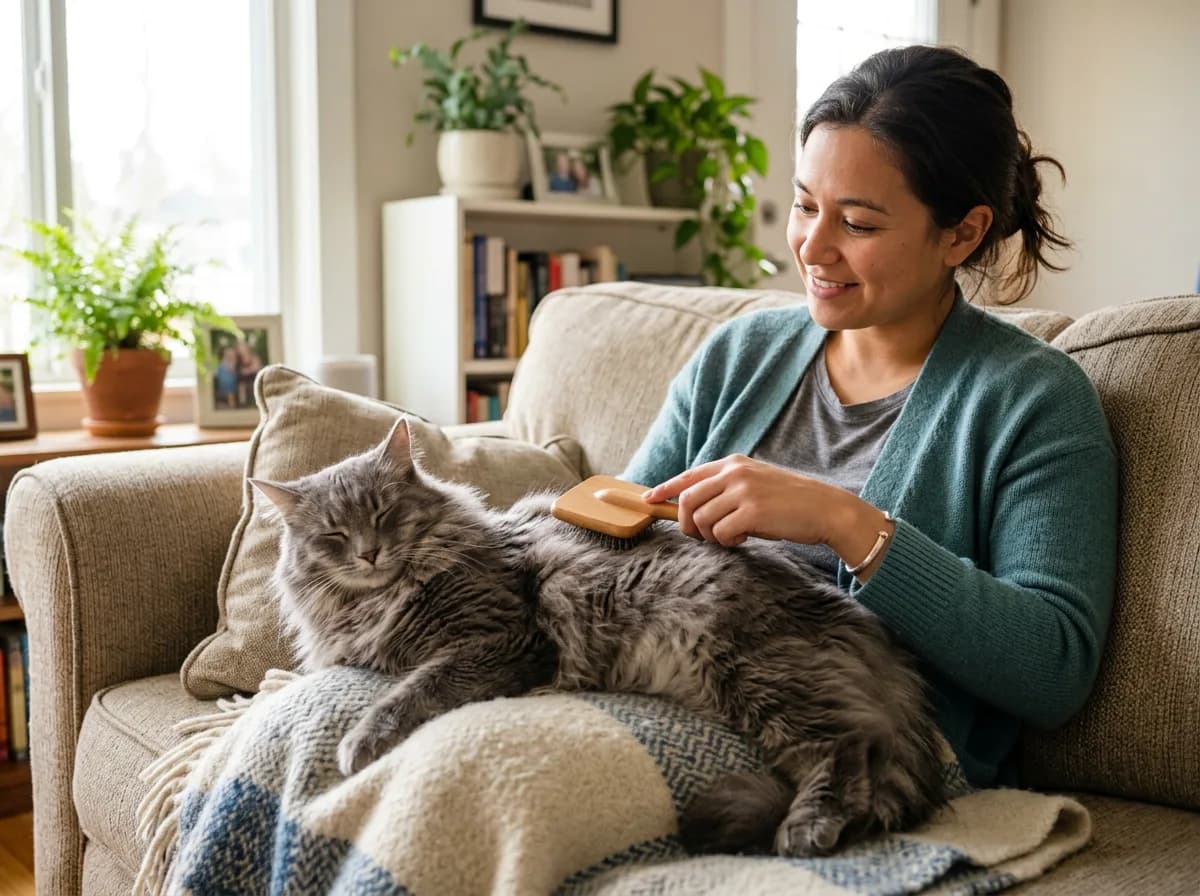
A common assumption is that cats are cheaper to care for than dogs, and while that is partly true, the per-visit price is usually about the same. Sitters generally charge by the visit or by the night regardless of species, so a 30-minute drop-in for a cat and a 30-minute drop-in for a dog cost roughly the same. The real savings with cats come from frequency, not from a lower rate.
Here is how the two typically compare in practice:
Petful may earn a commission when you click through to Care.com, at no extra cost to you.
Sign up for free, try Care.com now
- Cats often need fewer and shorter visits. Many cats are content with one drop-in per day to feed, refresh water, scoop the litter box, and check in, which keeps the weekly total lower.
- Dogs usually need more frequent care. Potty breaks, walks, and companionship often mean two or three visits a day or an overnight sitter, which adds up faster across a week.
- Special cases on both sides (kittens, seniors, diabetic pets needing insulin, or dogs with separation anxiety) push either species toward more visits and higher totals.
If you have a cat, the exact numbers and visit schedules are worth a closer look in our dedicated guide to how much a cat sitter costs, which covers single-cat and multi-cat households. And if you are weighing in-home sitting against sending your dog somewhere else, compare the figures here with our breakdown of dog boarding costs so you can see which option fits your dog and your budget. In-home sitting keeps your pet in familiar surroundings, while boarding can sometimes cost less per night but adds the stress of a new environment.
When you are deciding between the three main options, it helps to match the choice to your pet’s temperament and your trip. An in-home sitter is usually best for cats, senior pets, anxious animals, and anyone who values keeping the daily routine and the home lived-in, and it often wins on cost when you have multiple pets. Boarding suits social, adaptable dogs who do well in a group setting and whose owners want round-the-clock staff on site. Doggie daycare fills the gap for a single long workday rather than an overnight trip. Price each option out for your actual dates, then let your pet’s stress tolerance break the tie when two choices land close together.
Multi-pet discounts are worth asking about
- Many sitters charge a smaller add-on fee for a second or third pet rather than a full second rate, so households with two cats or a cat and a dog often pay less per pet than the sticker price suggests.
What affects pet sitting rates?
Two owners in different towns can get very different quotes for what sounds like the same job, and the gap almost always comes down to a handful of predictable factors. Understanding what moves the price helps you read a quote fairly and know when a higher rate is justified.
The main factors that affect pet sitting rates are:
Petful may earn a commission when you click through to Care.com, at no extra cost to you.
Sign up for free, try Care.com now
- Location: Big cities and high-cost-of-living regions run toward the top of every range, while smaller towns and rural areas tend to sit lower. Local demand and the going wage in your area set the baseline.
- Number of pets: More animals mean more feeding, cleanup, and supervision, so each additional pet typically adds a per-visit or per-day surcharge.
- Service type and length: Overnight and full-day care cost far more than short drop-in visits because they involve more hours and more responsibility.
- Holidays and peak seasons: Thanksgiving, the December holidays, spring break, and summer are peak demand periods, and many sitters add a holiday surcharge of $5 to $20 or more per visit.
- Medical or special needs: Administering medication, giving insulin injections, caring for a senior pet, or handling a reactive dog requires extra skill and time, which raises the rate.
- Experience, insurance, and credentials: Professional sitters who are bonded, insured, and certified in pet first aid generally charge more, and that premium buys you accountability and peace of mind.
- Extra tasks: Requests like plant watering, mail collection, or extra-long walks can add to the base price.
Regional variation deserves special attention because it can swing your quote by 30% or more for the exact same service. In high-cost coastal metros like New York City, San Francisco, Los Angeles, Boston, Seattle, and Washington, DC, drop-in visits commonly reach the top of the $20 to $40 range or run higher, and overnight rates can exceed $100 per night. Across much of the Midwest, the South, and smaller towns, the same visit often lands at the lower end, closer to $20 to $30. Suburbs usually sit between their nearest city and the surrounding rural areas. When a quote looks high, check it against what other local sitters charge rather than the national average, since local demand is what actually sets your price.
How much do dog sitters usually charge for a week? For a full week, dog sitters usually charge somewhere between $250 and $600 or more, and the exact figure depends entirely on how much daily care your dog needs. A week of once-daily drop-in visits for an easygoing dog might land around $250 to $350, while two or three visits a day pushes the weekly total toward $400 to $600. A full week of overnight in-home care, at $75 to $100 per night, typically runs $525 to $700 or more before any holiday or multi-pet add-ons. Get quotes for a couple of schedule options so you can balance your dog’s comfort against your budget.
Should you tip your pet sitter?
Tipping in the pet-care world is not strictly required, but it is common, appreciated, and a meaningful way to recognize someone who cared for a member of your family. As a general rule, a tip of 15% to 20% of the total bill is a warm gesture for good service, and many owners round up or add a little extra during the holidays or after a long, demanding stay.
Tipping norms
- A 15 to 20 percent tip is common for great service, especially over holidays or for extra tasks. For a regular dog walker, a holiday bonus of about one week of service is a kind gesture.
A few situations where a tip is especially well earned:
- Holiday coverage, when the sitter gave up their own celebration to care for your pet
- Long or overnight stays, which ask a lot of the sitter’s time and flexibility
- Above-and-beyond care, like nursing a sick pet, handling an emergency vet run, or sending frequent photo updates
- Last-minute bookings, where the sitter rearranged their schedule to help you out
Not everyone tips on every routine visit, and that is fine, but a note of thanks, a five-star review, and repeat bookings all matter to a sitter too. If you want the full picture on how much to give and when, our guide to tipping pet sitters and dog walkers walks through the norms for different services and situations so you never have to guess at checkout.
Confirm the tipping policy up front
- Some agency-based sitters have tips built into the platform or added at booking, while independent sitters take cash or app payments directly, so ask how they prefer to receive a tip before the job ends.
How to find and vet a pet sitter

Price matters, but trust matters more, because you are handing over your home and your pet to another person. The goal is to find a sitter who is reliable, experienced, and genuinely good with animals, and then to confirm those qualities before you book rather than after. A little upfront vetting prevents the vast majority of bad experiences.
Start by gathering candidates and comparing them the way you would any important hire. Our overview of finding the right pet sitter covers the basics of where to look and what to prioritize, and it pairs well with an online care marketplace when you want a wider pool. Platforms like Care.com let you search local pet caregivers by service type and availability, read verified reviews from other pet owners in your area, and view profiles that show experience, rates, and background-check status in one place. Being able to compare several vetted sitters side by side, message them directly, and see real feedback before you commit takes a lot of the guesswork out of the search and helps you book with confidence.
Once you have a shortlist, screen each candidate before the first paid visit:
- Check reviews and references from other pet owners, and follow up on anything that gives you pause
- Confirm a background check has been completed, which reputable marketplaces make easy to verify
- Ask about experience with your species, breed, age, and any medical or behavioral needs
- Verify insurance or bonding for professional sitters, which protects you if something goes wrong
- Hold a meet-and-greet so you can watch how the sitter interacts with your pet and how your pet responds
- Share written instructions covering feeding, medication, routines, vet contact, and emergency plans, and note whether the sitter listens and takes notes
What are the red flags in a pet sitter? The biggest red flags in a pet sitter are poor communication and a lack of verifiable trust signals. Watch out for a sitter who is slow or vague in responding, dodges questions about experience or insurance, has no reviews or references you can check, or resists a meet-and-greet before booking. Other warning signs include no clear plan for emergencies, discomfort around your pet during the introduction, pressure to skip a background check, or reluctance to provide updates while you are away. A trustworthy sitter welcomes your questions, offers proof of their track record, and communicates openly, so treat evasiveness or secrecy as your cue to keep looking.
Setting clear expectations before the first paid job protects both of you and makes the whole arrangement smoother. Agree on the visit schedule, the exact tasks, the rate, any holiday or extra-pet surcharges, and how you want updates delivered, whether that is a quick text with a photo after each visit or a nightly summary. Confirm your vet’s name and number, where the leash, food, medication, and cleaning supplies live, and what the sitter should do in an emergency. A good sitter will ask most of these questions before you do, which is itself a reassuring sign that you have found the right person.
Never skip the meet-and-greet
- Booking a stranger sight unseen is the single most common mistake owners make. A short in-person introduction reveals more about a sitter’s fit with your pet than any profile ever could, so always insist on one before the first overnight or multi-day job.
Frequently Asked Questions
For a single, healthy pet, expect to pay about $40 to $80 per day for daytime care, or $75 to $100 per night for overnight in-home sitting. Your exact rate depends on your location, the number of pets, whether it is a holiday, and any medical needs. Multiple pets and high-cost cities push toward the top of the range.
Overnight in-home care typically costs $75 to $100 per night in 2026. That rate covers the sitter staying in your home from evening through morning, handling feedings, potty breaks, and overnight supervision. Expect the higher end for multiple pets, holidays, high-cost metro areas, or pets that need medication or extra monitoring through the night.
It depends on the service and your pet. Boarding can sometimes cost less per night for a single dog, while in-home sitting keeps your pet in familiar surroundings and can be more economical for multiple pets or for cats that need only one visit a day. Compare per-day totals for both, and weigh price against your pet’s comfort and stress level.
Tipping is not required, but a 15% to 20% tip is a common and appreciated way to thank a sitter for great care. Owners often add extra for holiday coverage, long or overnight stays, or when a sitter goes above and beyond. A glowing review and repeat bookings are also valued, so tip when the service and your budget allow.

Melissa Smith has been researching and writing about pet behaviors for several years. Her work has been recognized with Certificates of Excellence from both the Dog Writers Association of America and the Cat Writers’ Association. A longtime animal lover, Melissa is a professional pet sitter on Cape Cod through her company, Fresh Start Services.