
Editor’s Note: This article is a reprint. It was originally published March 27, 2019.
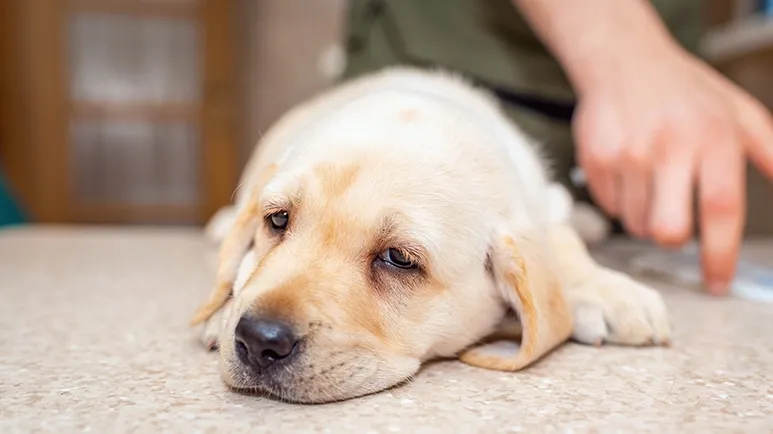
When dogs don’t feel well, or there’s reason to suspect as much, it would be such a relief if they could just say so, wouldn’t it? It’s incredibly stressful to have a dog who, for example, is clearly miserable judging by her hunched posture, tucked tail and sad eyes, and there’s no way to gauge what’s going on, how long it might last or how serious it is.
Even if you’re very disciplined about taking your dog for regular veterinary checkups, it’s still very important to be alert for changes in her health or behavior between visits. After all, you know your furry best friend better than anyone, and you’re her first line of defense when there’s a problem brewing beneath the surface.
The Morris Animal Foundation lists common signs to watch for in dogs that should always prompt a call to your veterinarian.1
If you find a growth on your pet’s body, keep a close eye on it to see whether it changes or grows over time. If it begins growing quickly or shows noticeable changes, have your veterinarian evaluate it as soon as possible. However, if you notice, for example, a discoloration on the skin or what looks like a skin tag that doesn’t get bigger or change over the course of days, weeks or months, then just mention it to your vet at your pet’s next wellness exam.
All the reasons for fainting or collapsing are serious and require an immediate visit to your veterinarian. They include a potential problem with the nervous system (brain, spinal cord or nerves), the musculoskeletal system (bones, joints, muscles), the circulatory system (heart, blood vessels, blood) or the respiratory system (mouth, nose, throat, lungs).
However, it’s also possible that a tumor in her abdomen can make your dog appear to be gaining weight or getting fat, so it’s best to give your veterinarian a call if your dog is getting bigger and you don’t know why.
On the flip side, often a loss of appetite is the first sign of an underlying illness in dogs. There can be many reasons your dog isn’t hungry or refuses to eat, but not eating can begin to negatively impact his health within 24 hours. And for puppies 6 months or younger, the issue is even more serious.
Weight loss is the result of a negative caloric balance, and it can be the consequence of anorexia (loss of appetite) or when a dog’s body uses or eliminates essential dietary nutrients faster than they are replenished. Weight loss exceeding 10% of your dog’s normal body weight will be a red flag for your veterinarian. There can be several underlying causes, some of which are very serious.
Changes in your dog’s appetite or eating habits can signal any number of underlying problems, from oral disease to a gastrointestinal (GI) disorder to cancer. If your dog is suddenly drinking his water bowl dry, it’s also cause for concern. Excessive thirst (along with excessive urination) are symptoms of several disorders, including urinary tract problems and kidney disease.
Since sores that won’t heal can also be a sign of a more serious underlying disease such as cancer, schedule an appointment with your veterinarian for diagnosis and treatment.
Blood in your dog’s urine, called hematuria, can be obvious or microscopic. There are a few serious disorders that can cause bloody urine, including a blockage in the urinary tract, a bacterial infection and even cancer. Vomited blood can be either bright red (fresh) or resemble coffee grounds (indicating partially digested blood). There are a variety of reasons your dog might vomit blood, some of which are relatively minor, but others are serious and even life-threatening.
Poor skin and coat condition can cause unpleasant body odor in dogs, as can a yeast infection. If your pet’s normal “doggy smell” suddenly turns sour, give your veterinarian a call.
Respiratory distress often goes hand-in-hand with a buildup of fluid in the lungs or chest cavity that leads to shortness of breath and coughing. If your dog has sudden undiagnosed breathing problems or appears to be breathing harder, heavier or faster than before, he should see a veterinarian immediately.
Difficulty urinating includes discomfort while urinating, straining to urinate and frequent attempts to urinate with little success. If your dog cries out while relieving himself, seems preoccupied with that area of his body or is excessively licking the area, you should make an appointment with your veterinarian right away. There are several underlying causes of urinary difficulties, some of which can result in death within just a few days.
Your dog should poop at least once every day because it’s an important part of his body’s natural detoxification process. He’s constipated when he either has difficulty pooping (and the stool he produces is dry and hard), or he isn’t pooping at all. This is why it’s so important to keep an eye on those daily “deposits.” The quantity, color, texture and smell, along with the presence of mucus or blood in your pet’s feces (and urine), are all indicators of his general well-being.
Often, what passes from (or in the case of constipation, doesn’t pass from) your pet’s body is the first sign of a health problem, so you should regularly monitor your dog’s potty area and familiarize yourself with what “normal” looks like for your pet.
On potty walks, constipated dogs tend to look like they’re trying to go or need to go, but nothing’s happening. If after a few minutes of hunching and straining your dog doesn’t go or produces poop that is small, hard and dry, you can reasonably assume he’s constipated.
Sometimes constipated dogs appear bloated and painful, especially when trying unsuccessfully to poop. The stool a constipated dog does manage to pass is often darker than normal and may contain mucus, blood or strange debris. If your dog seems constipated, make an appointment with your veterinarian so she or he can check for underlying conditions.
Schedule an appointment with your veterinarian if your dog seems to be extra hungry even though he’s eating well, and especially if he’s also losing weight.
Normal panting typically occurs when your dog’s body is overheating and is considered a natural, healthy response. Abnormal panting, on the other hand, may be a sign that your dog has a physical or emotional issue that needs further investigation.
Abnormal panting is excessive compared to your dog’s normal panting behavior and occurs during times when she isn’t overly warm and doesn’t need to cool her body down. It doesn’t sound quite like normal panting — it may be louder or harsher, for example, and requires more exertion.
If your dog suddenly starts panting at inappropriate times or the panting seems heavier than usual, you should be concerned, but there’s no need to panic. Make an appointment with your veterinarian to discuss your pet’s symptoms and have her checked out.
If your dog is scratching a lot, there can be any number of causes, all of which deserve investigation. A chronically itchy dog feels miserable, and in addition, underlying causes of itching almost always get worse over time when they aren’t diagnosed and effectively treated.
Excessive urination in dogs typically goes hand-in-hand with excessive thirst as discussed above. Both situations are clear signs of an underlying disorder that requires a vet visit.