
Petful is reader supported. As an affiliate of platforms like Amazon and Chewy, we may earn a commission when you buy through links on this page. There is no extra cost to you.
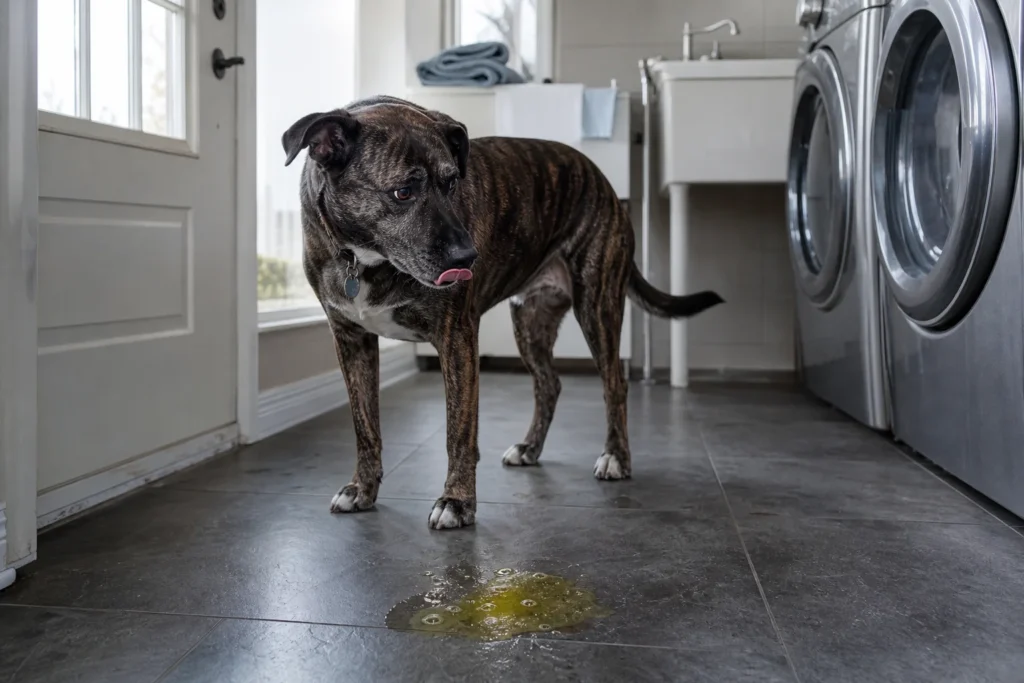
A dog vomiting yellow bile may simply have an empty stomach, but yellow color does not tell you why the vomiting happened. One isolated episode in an alert adult dog is different from repeated vomiting, pain, a swollen abdomen, blood, weakness or an inability to keep water down. Those warning signs need prompt veterinary attention.
The safest first step is to look at the whole dog, not just the puddle. This guide explains what yellow bile can mean, how to choose the right level of care and what to record before you call. For a broader symptom overview, see our guide to vomiting and diarrhea in dogs.

Don’t Guess When It Comes To Your Pet’s Care
Sign up for expert-backed reviews and safety alerts all in one place.
What Yellow Bile in Dog Vomit Means
- 1Yellow foam or liquid is often bile from an empty stomach, but bile alone cannot identify the cause.
- 2Repeated vomiting, blood, abdominal pain or swelling, collapse, suspected toxin exposure, or an inability to keep water down warrants urgent veterinary care.
- 3Meal timing may help some dogs only after a veterinarian has ruled out other causes; a feeder or bowl is a scheduling tool, not a treatment.
If your dog is vomiting yellow bile, the material is a yellow-green digestive fluid made by the liver, stored in the gallbladder and released into the small intestine to help digest fat. When the stomach is empty, a small amount of bile can move backward into the stomach. If the dog then vomits, the fluid may look bright yellow, yellow-green, watery, slimy or foamy.
Foam does not point to a separate disease. It usually forms when bile, stomach fluid, mucus and swallowed air mix during retching. Food, grass or clear liquid may also be present. A photograph can help your veterinarian, but no shade or texture can distinguish an empty-stomach episode from pancreatitis, an obstruction, infection, toxin exposure or another illness.
The Merck Veterinary Manual notes that liver and gallbladder disorders can also cause vomiting, often alongside signs such as appetite loss, abdominal pain, diarrhea, jaundice or weight loss. That is one reason recurring yellow vomit should not be labeled a bile problem without an examination.
Should I Worry If My Dog Throws Up Yellow?
Worry depends on frequency, age, medical history and the signs that come with the vomiting. Use this triage guide as a reason to call, not as a diagnosis.
Should you be worried if your dog throws up yellow? A single small episode may be reasonable to monitor in a healthy adult who is bright, comfortable, drinking normally and interested in food. Call promptly if the episode repeats, appetite drops, diarrhea begins or behavior changes. Choose emergency care when retching is unproductive, the abdomen swells, the dog becomes weak or collapses, or you suspect blood, poisoning or a swallowed object.
What to do right now
| Level | What you may see | Next step |
|---|---|---|
| Emergency now | Repeated unproductive retching, a swollen or painful abdomen, collapse, pale gums, breathing trouble, blood, possible toxin or foreign-object exposure, or severe weakness | Go to the nearest emergency veterinary hospital. Call while someone else drives if possible. |
| Call promptly | More than one episode, vomiting plus diarrhea, appetite loss, lethargy, fever, weight loss, new medication, chronic disease, or a puppy or frail senior | Call your veterinarian or urgent-care clinic for case-specific timing and feeding instructions. |
| Monitor closely | One small episode in a healthy adult dog who is bright, comfortable, drinking, interested in food and otherwise normal | Record what happened and watch closely. Call if vomiting returns or anything else changes. |
Do not wait on these signs
- A swollen abdomen with repeated attempts to vomit, collapse, pale or blue gums, severe pain, suspected poisoning, a swallowed object, blood or an inability to keep water down can signal an emergency. Go now rather than trying food, a feeder or a home remedy.

When Yellow Vomit Is an Emergency
The American Animal Hospital Association advises prompt care when a pet vomits multiple times in a short period, especially with blood, severe diarrhea or other signs. AAHA’s emergency guidance also flags abdominal swelling, altered responsiveness and abnormal gum color.
- Your dog keeps retching but little or nothing comes up.
- The abdomen looks swollen, feels tight or seems painful.
- Your dog collapses, cannot stand, seems confused or is unusually weak.
- The vomit contains red blood or dark material that resembles coffee grounds.
- You suspect a toxin, medication, sock, toy, bone, corn cob or other swallowed object.
- Your dog cannot keep water down, has repeated diarrhea, or shows signs of dehydration such as tacky gums.
A gastrointestinal blockage can cause vomiting, appetite loss, abdominal pain, diarrhea, dehydration and lethargy. Cornell describes these obstructions as emergencies that often require imaging and surgery. Read about foreign bodies in dogs and Cornell’s obstruction guidance.
If a dog is vomiting yellow bile and not eating, call promptly rather than assuming the stomach is merely empty. The same applies when a dog is vomiting yellow bile and has diarrhea, or when a dog keeps vomiting yellow bile over several hours. Appetite loss, repeat episodes and an additional gastrointestinal sign all change the risk calculation.
Why a Dog May Vomit Yellow Liquid but Act Normal
Why is a dog throwing up yellow liquid but acting normal? A healthy adult dog can have one empty-stomach episode and immediately appear normal. The dog may want breakfast, drink normally and continue the day without another symptom. That pattern is less alarming than repeat vomiting, but it is not proof of bilious vomiting syndrome.
Monitor the next several hours and note appetite, energy, water intake, urination and stool. If vomiting returns, call. A seemingly normal dog can still be early in an illness, and dogs often hide discomfort.
Affiliate disclosure: If you buy through links on this page, Petful may earn a commission at no extra cost to you. The products shown here can help carry out a veterinarian-approved feeding plan; none can diagnose or treat vomiting.
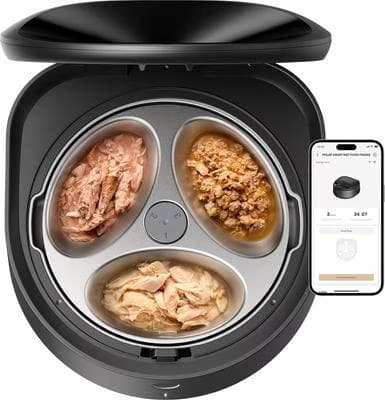
If your veterinarian recommends a late wet-food meal, this refrigerated feeder can serve it on a schedule. It is a timing tool, not a vomiting treatment.
Petful may earn a commission when you click through to Chewy, at no extra cost to you.
Common Causes of Yellow Vomit in Dogs
Yellow bile is a description, not a diagnosis. The possibilities range from a long overnight gap between meals to conditions that need urgent treatment. Your veterinarian narrows the list using the time pattern, the dog’s age and history, the physical examination and, when needed, testing.
An Empty Stomach or Bilious Vomiting Syndrome
Some dogs vomit a small amount of bile late at night or early in the morning after a long period without food. They are often bright and hungry soon afterward. When other causes have been excluded and the pattern persists, a veterinarian may diagnose bilious vomiting syndrome.
Dietary Indiscretion, Sudden Food Changes or Fast Eating
Trash, rich table scraps, spoiled food, grass, a rapid diet change or eating too fast can irritate the stomach. Vomiting may continue after food has left the stomach, so later episodes contain yellow fluid. Tell your veterinarian exactly what the dog could have eaten, including treats, chews and food from other pets.
Gastrointestinal Inflammation, Infection or Parasites
Gastritis, inflammatory intestinal disease, infection and parasites can all cause vomiting. Diarrhea, appetite change, weight loss or recurring episodes make a simple empty-stomach explanation less likely. Puppies deserve a lower threshold for a call because dehydration and infectious disease can progress quickly.
Obstruction, Pancreatitis and Systemic Disease
An intestinal obstruction, pancreatitis, Addison’s disease, kidney disease, liver or gallbladder disease and some cancers can include yellow vomit among their signs. These conditions cannot be separated by color. Pain, a hunched or prayer-like posture, appetite loss, weakness, jaundice, weight loss or repeated episodes make veterinary assessment more urgent and deserve a veterinary examination.
Can Vomit Color Identify Pancreatitis?
No. A dog with pancreatitis may vomit food, clear fluid, yellow bile or material tinged with blood, and a dog with yellow vomit may not have pancreatitis. Veterinarians use the history, examination, blood tests and sometimes imaging. The pattern and accompanying signs matter more than the color.
Repeated vomiting, abdominal pain, appetite loss, lethargy or weakness are more useful warning signs than any shade in the vomit. Call your veterinarian when those signs appear. A painful or rapidly worsening dog needs urgent care even if the material looks like ordinary yellow bile.
What vomit color can and cannot tell you
| What you see | What it can mean | What to do |
|---|---|---|
| Yellow or green fluid | Bile may be visible after the stomach empties, but many different illnesses can produce it. | Use the frequency and other symptoms, not color alone, to choose the level of care. |
| Red blood | Fresh bleeding may come from the mouth, esophagus or stomach. | Call a veterinarian promptly; seek emergency care with weakness, repeated vomiting or a large amount. |
| Dark coffee-ground material | Partly digested blood is possible. | Treat this as urgent and contact a veterinarian immediately. |
| Food or clear fluid | The appearance still cannot identify the cause. | Track timing, frequency and the dog’s condition. |
Yellow Bile in Puppies and Senior Dogs
Call sooner for a puppy, a toy breed, a frail senior or a dog with diabetes, kidney disease, Addison’s disease or another chronic condition. These dogs can become dehydrated or destabilized faster. New vomiting in an older dog also deserves context from a veterinarian; see the changes covered in our senior dog health guide.
An elderly dog vomiting yellow bile for the first time may need blood tests or imaging even if the episode looks small, because weight loss, organ disease and medication effects can be subtle early on. A senior dog vomiting yellow bile and not eating deserves a prompt call. For puppies, report vaccination status, possible parasite exposure and access to toys or fabric. Do not wait for a particular vomit color to decide whether a young or old dog needs help.
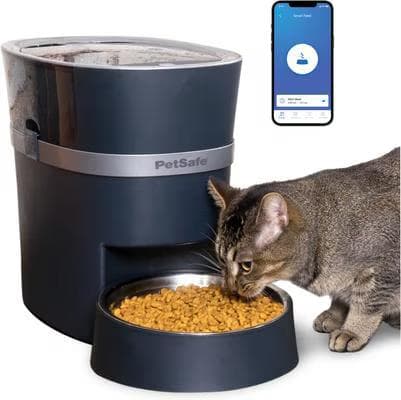
For a veterinarian-approved dry-food schedule, this connected feeder can divide daily food into timed portions. It does not replace a diagnostic workup.
Petful may earn a commission when you click through to Chewy, at no extra cost to you.
Could It Be Bilious Vomiting Syndrome?
Bilious vomiting syndrome is a recurring pattern traditionally associated with bile vomiting when the stomach has been empty, often early in the morning. The proposed mechanism involves fluid moving from the upper small intestine into the stomach and irritating it. The mechanism is plausible, but the veterinary evidence is limited.
The most cited retrospective study of bilious vomiting syndrome reviewed only 20 dogs seen at Colorado State University between 2002 and 2012. Twelve improved with therapy, five did not improve or were lost to follow-up, and three later received a different diagnosis: gastric cancer, dietary indiscretion or liver disease. The authors also noted that many dogs did not receive enough testing to make BVS a firm diagnosis of exclusion.
What the evidence really says
- A predictable early-morning pattern can support a veterinarian’s suspicion, but it cannot rule out other disease. Improvement after a late meal is useful information, not proof that the original diagnosis was correct.
The Pattern Your Veterinarian May Look For
- Small-volume yellow or yellow-green vomit, often before breakfast.
- A repeated relationship to a long gap between meals.
- Normal appetite, energy, stool and weight between episodes.
- No abdominal pain, bloating, blood, fever or known toxin or foreign-object exposure.
- An examination and any recommended tests that do not reveal another cause.
Vomiting at different times of day, increasing frequency, appetite loss, diarrhea, pain or weight change weakens that tidy pattern. Do not keep moving meals around while the dog is getting worse.
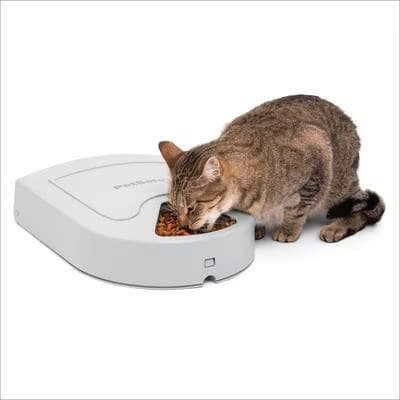
This rotating five-meal feeder can help space a veterinarian-approved dry-food plan across the day without increasing the total daily amount.
Petful may earn a commission when you click through to Chewy, at no extra cost to you.
What to Record Before You Call the Vet
Good observations can make the first call more useful. Record the time and frequency before calling, along with any possible exposures. If it is safe, take a clear photograph before cleaning up. Note whether the material came up with retching or passively, but do not delay emergency care to collect every detail.
- Record the time and how long it had been since the last meal.
- Count every episode and note whether the dog retched or brought material up passively.
- Describe the contents: food, grass, foam, bile, foreign material or blood.
- Note appetite, drinking, urination, stool, energy, pain and abdominal swelling.
- List all food, treats, chews, medications and supplements, including anything newly started.
- Report access to trash, plants, chemicals, human medication, toys, socks, bones or other objects.
- Share recent travel, boarding, diet changes and contact with sick dogs if relevant.

If fast eating is part of your dog’s history, this bowl can slow a normal meal. Ask your vet whether it fits the cause of the vomiting.
Petful may earn a commission when you click through to Chewy, at no extra cost to you.
What to Do at Home While You Get Advice
Call your veterinarian for individualized feeding and water instructions when vomiting repeats or your dog has any risk factor. Puppies, very small dogs, seniors and dogs with chronic disease should not follow a generic fasting schedule from the internet.
- Keep your dog quiet and away from trash, toys, plants, chemicals and other possible exposures.
- Do not force food or a large drink. If your dog wants water, follow the veterinarian’s guidance; inability to keep water down is an escalation sign.
- Do not induce vomiting unless a veterinarian or animal poison expert specifically directs you.
- Do not give human antacids, pain relievers or anti-nausea medicine. Some ingredients are dangerous to dogs; review these human medications to avoid.
How a Veterinarian Finds the Cause
The workup begins with questions and a physical examination. Your veterinarian may check hydration, temperature, gum color, abdominal comfort, intestinal sounds and body weight. A simple, one-time episode in a healthy adult may need observation, while recurring or complicated vomiting can justify testing.

Blood and urine tests can look for dehydration, anemia, inflammation, infection, electrolyte changes and clues involving the liver, kidneys, pancreas or adrenal glands. Our guide to pet blood work explains common panels and what they can and cannot show.
Why the testing plan differs
- One isolated episode may need only an examination and monitoring. Repeated vomiting, pain, appetite loss, abnormal vital signs or an older or medically fragile patient can justify blood and urine tests, radiographs or ultrasound sooner.
Abdominal radiographs may reveal an obstructive pattern, swallowed material or abnormal gas. An abdominal ultrasound can provide a closer look at the stomach, intestines, pancreas, liver and gallbladder. Fecal testing, specialized blood tests, endoscopy or biopsies are considered when the history and initial results point that way.
Treatment follows the cause. It may include fluids, anti-nausea medication, pain control, a therapeutic diet, treatment for infection or parasites, medication for an underlying disease, or surgery for an obstruction. That range is exactly why yellow color is not enough to choose a home treatment.
What to Feed a Dog After Vomiting Yellow Bile
There is no one safe menu for every dog that vomits. If you are asking, “What should I feed my dog after vomiting yellow bile?” the right plan depends on the dog’s age, size, health, number of episodes and suspected cause. A dog vomiting yellow bile treatment plan should come from the cause, not the color. A puppy with repeated vomiting and diarrhea needs a different response from a healthy adult with one early-morning episode.
When to Offer Food Again
How long should a dog wait to eat after throwing up bile? There is no universal interval. Ask your veterinarian, especially if vomiting has happened more than once. If the dog is an otherwise healthy adult, is acting normal and has had only one episode, your clinic may recommend a small amount of the regular food or a short-term easily digested diet after a period without more vomiting. Follow the clinic’s portion and timing instructions rather than applying a fixed waiting period.
Do not assume chicken and rice is automatically appropriate. It is not complete and balanced for long-term feeding, and chicken may be unsuitable for dogs with a suspected food reaction. Do not add fatty foods, oils, butter, seasoning or large treats.
Using Meal Timing After Your Vet Rules Out Other Causes
Use a veterinarian-approved feeding plan only after urgent causes have been ruled out. For a dog whose veterinarian suspects bilious vomiting syndrome, the plan may divide the same daily calories into smaller meals, move part of dinner later, or add a small late-evening portion. An automatic feeder can make that schedule repeatable. The goal is not to feed more; it is to shorten a long empty-stomach interval while watching whether the pattern changes.

A refrigerated Petlibro feeder can schedule wet food, while the PetSafe Smart Feed can portion dry food through an app. For several small dry meals, the PetSafe Eatwell five-meal feeder uses a rotating tray. Choose only the format that matches your veterinarian’s plan and your dog’s normal food.
Measure the dog’s full daily ration first, then divide it. Reweigh the dog as your veterinarian recommends, because an extra bedtime meal added on top of the normal ration can cause unwanted weight gain.
If Fast Eating Is Part of the History
A slow-feeder bowl can slow the pace of a normal meal, but it does not treat pancreatitis, obstruction, toxin exposure or bilious vomiting syndrome. Ask whether fast eating is relevant before changing equipment.
Dog Vomiting Yellow Bile FAQs
Frequently Asked Questions
You should be worried if your dog throws up yellow more than once or also has pain, a swollen abdomen, blood, weakness, suspected toxin or foreign-object exposure, or an inability to keep water down. One small episode in an otherwise normal adult dog may be monitored closely. Call sooner for a puppy, frail senior or dog with chronic disease, and escalate if appetite, drinking, stool or behavior changes.
What can you feed a dog after vomiting yellow bile? Ask your veterinarian when vomiting repeats or the dog is young, old or medically fragile. For a healthy adult with one isolated episode, the clinic may advise a small amount of regular or easily digested food after a symptom-free interval. Do not use a fixed fasting rule for every dog, and do not add fatty foods, seasoning or a large bedtime snack without case-specific advice.
A dog throwing up yellow liquid but acting normal may have gone through a long gap between meals, leading to one bile-filled episode before breakfast. Monitor appetite, drinking, stool, energy and comfort, and record the timing. Call if vomiting returns or another sign appears, because acting normal after one episode does not rule out early illness or prove bilious vomiting syndrome.
How long a dog should wait to eat after throwing up bile depends on age, health, frequency and the suspected cause; there is no universal waiting period. Ask your clinic, especially for puppies, seniors, small dogs, chronic disease or more than one episode. A veterinarian may suggest a small portion after a symptom-free interval for a healthy adult, but a dog that keeps vomiting or cannot hold down water needs assessment instead of food.
It can, but not always. Bile is easier to see once food has left the stomach, so many illnesses eventually produce yellow vomit. A predictable early-morning pattern with normal appetite and energy may support an empty-stomach explanation, but repeated episodes, pain, diarrhea, appetite loss or weight change need veterinary attention. Timing and accompanying signs matter more than color.

BVMS, MRCVS
Dr. Pippa Elliott, BVMS, MRCVS, is a veterinarian with nearly 30 years of experience in companion animal practice. Dr. Elliott earned her Bachelor of Veterinary Medicine and Surgery from the University of Glasgow. She was also designated a Member of the Royal College of Veterinary Surgeons. Married with 2 grown-up kids, Dr. Elliott has a naughty Puggle named Poggle, 3 cats and a bearded dragon.