

Petful is reader supported. As an affiliate of platforms like Amazon and Chewy, we may earn a commission when you buy through links on this page. There is no extra cost to you.
Shih Tzu puppies are engaging little companions, but they need more than a soft bed and a cute haircut. The first year includes frequent bathroom trips, safe socialization, daily handling, coat and face care, veterinary visits, sleep, and many short training sessions.
This refreshed guide explains what Shih Tzu puppies are like, how to prepare for the first month, and how to find one responsibly. For adult breed traits, start with Petful’s complete Shih Tzu guide; use the dedicated guides for price, grooming, lifespan, colors, mixes, and food.

Don’t Guess When It Comes To Your Pet’s Care
Sign up for expert-backed reviews and safety alerts all in one place.
What Shih Tzu puppies are really like
- 1Shih Tzu puppies are companion dogs that learn best through short, positive sessions.
- 2Early grooming practice is essential because face and coat care will be lifelong.
- 3Small size increases the risk from falls, rough handling, missed meals, and temperature extremes.
- 4A responsible source provides records, welcomes questions, and will take the puppy back if the placement fails.
The appealing Shih Tzu personality is usually sociable, curious, and people-oriented. Puppies may follow feet, demand attention, and turn ordinary objects into toys. They also sleep much of the day. A tired puppy often becomes mouthy, frantic, or unable to settle, so naps and a predictable rhythm are as important as play.
Adults are compact rather than delicate, with the official breed standard listing 9 to 16 pounds. A puppy will be smaller for many months, and growth is not perfectly linear. Appetite, stool, energy, and body condition provide more useful daily information than comparing a puppy with social-media growth charts.
The breed’s short muzzle and prominent eyes shape management from the start. Avoid hot midday exercise, smoke, forceful neck pressure, and play that leaves the puppy struggling to recover. Use a well-fitted harness rather than relying on a collar for leash pressure; a small padded no-pull harness can be one practical option after measuring the puppy.
The puppy tradeoff in plain language
What are the pros and cons of owning a Shih Tzu puppy? The advantages include a social companion, a manageable adult size, and many daily opportunities for short training and play. The tradeoffs include frequent bathroom trips, careful feeding, early grooming acclimation, daily face and dental care, heat precautions, and gradual alone-time work. A puppy is a good fit when the household wants close involvement and can protect a small, brachycephalic youngster from rough handling and overheating.
Petful may earn a commission when you click through to Lemonade, at no extra cost to you.
Before your puppy comes home
Set up a quiet sleep area, a small exercise pen, washable bedding, water, the food the puppy already eats, a measured harness, a lightweight leash, grooming tools, enzyme cleaner, safe chews, and a carrier. A small waterproof puppy blanket can protect the sleep surface during house-training. A ventilated Sherpa carrier can serve for veterinary trips and gradual travel training when the puppy fits its dimensions.
Puppy-proof at floor level. Remove medications, nicotine, cannabis, xylitol products, batteries, cords, dropped food, laundry, craft supplies, and small items that can be swallowed. Block stairs and railings. Secure trash. Check every plant before bringing it within reach.
Arrange the first veterinary appointment before pickup. Ask the source for vaccine and deworming records, feeding schedule, microchip information, health findings, and the puppy’s recent routine. Bring records to the appointment rather than assuming every “shot” label reflects an age-appropriate series.
The first 72 hours
Keep the first days calm. Offer the familiar food on a regular schedule, take the puppy to the designated bathroom area after waking, eating, drinking, playing, and before sleep, and reward the correct choice immediately. Limit visitors and do not pass the puppy from person to person.
Some puppies eat less during transition, but a very young small puppy who refuses food, vomits repeatedly, develops diarrhea, seems weak, trembles, or becomes unusually sleepy needs prompt veterinary advice. Do not wait for the puppy to “sleep it off.” Small puppies have less reserve when illness or low blood sugar develops.
A first-month plan
- Week 1: Establish sleep, meals, bathroom rhythm, name response, gentle handling, and calm carrier practice.
- Week 2: Add short leash sessions indoors, new surfaces, household sounds at low intensity, and one-step grooming games.
- Week 3: Practice brief separations, settle on a mat, trade objects, and reward calm observation of the outside world.
- Week 4: Review progress with the veterinarian, expand safe social experiences, and book a groomer introduction before the coat is difficult.
Training and socializing a Shih Tzu puppy
Training should be clear, frequent, and short. Ask for one or two minutes of attention, reward success, and stop before the puppy loses focus. Use food from the daily allowance, a toy, praise, or access to sniffing. Repetition builds fluency; punishment mostly teaches the puppy that people are unpredictable.

House training
Supervision, confinement, and timing do the work. Take the puppy out on waking, after meals, after play, and at intervals the individual can manage. Stand quietly at the bathroom spot, then reward as soon as elimination finishes. If nothing happens, return indoors under close supervision and try again soon.
Accidents are information. They may mean the interval was too long, freedom expanded too quickly, the surface preference is not established, or the puppy is unwell. Clean with an enzymatic product. Do not rub the puppy’s nose in a mess or punish after the fact.
Socialization without flooding
Socialization is not a challenge to meet the maximum number of people. It is a process of creating safe, positive experiences with the sights, sounds, surfaces, handling, animals, and routines the dog will encounter. The puppy should be able to observe, eat, play, and move away.
Pair new experiences with distance and rewards. A calm person in a hat across the room can be more useful than ten strangers reaching for the puppy. Ask your veterinarian how to balance infectious-disease risk with developmental needs in your area. Controlled puppy classes, clean homes, and being carried through selected environments may be appropriate before the vaccine series is complete.
Does a Shih Tzu puppy need another dog?
No. Another suitable dog can model routines and provide company, but it cannot replace human training, socialization, rest, or graduated alone-time practice. Some resident dogs dislike puppies. Use gates, separate beds and feeding areas, and short supervised interactions. Protect the older dog’s ability to rest.
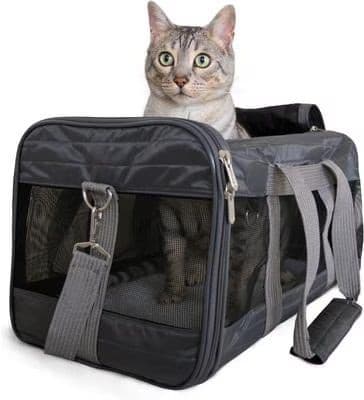
An airline-approved soft-sided carrier with mesh ventilation windows, a top-rated travel pick for cats and small dogs.
Petful may earn a commission when you click through to Chewy, at no extra cost to you.
Feeding, grooming, and daily care
Feed a complete diet labeled for growth and appropriate to the expected adult size. Start with the source’s schedule, then discuss changes at the veterinary intake. Measure food, count training rewards, and watch body condition. Package feeding tables are starting points, not prescriptions.
What food is not allowed for Shih Tzu puppies? The safest answer is that a puppy should not receive toxic foods, supplements, raw bones, or an improvised diet simply because it is marketed as natural. Keep chocolate, grapes and raisins, onions and garlic, xylitol, alcohol, caffeine, macadamia nuts, and risky scraps out of reach. Call a veterinarian or poison service promptly after a suspected exposure.
For a detailed label-first framework and puppy criteria, see best dog food for Shih Tzu. That page explains why the nutritional-adequacy statement and life stage matter more than the dog’s photograph on the bag.
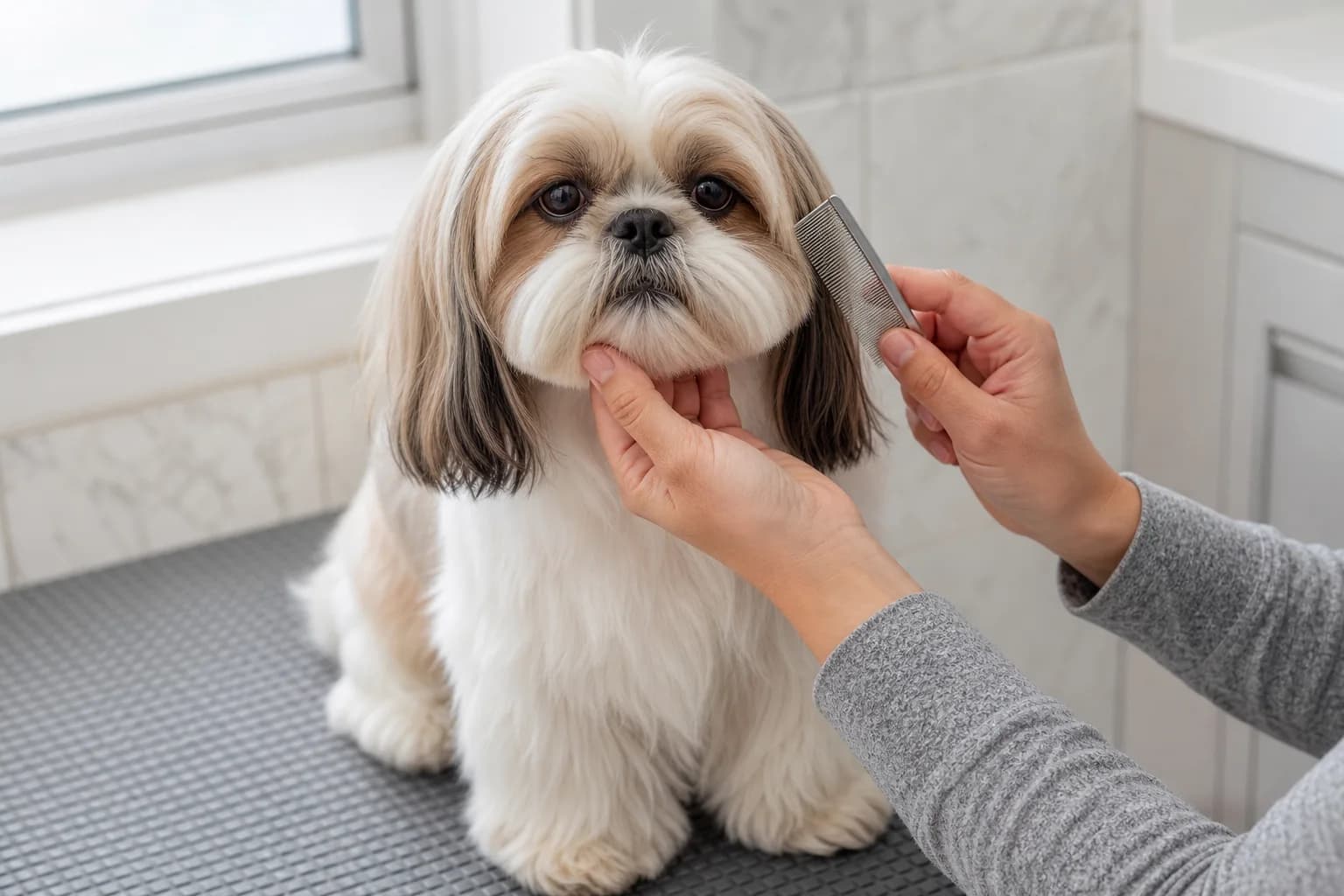
Make grooming feel ordinary
Touch one paw, lift one ear flap, wipe one cheek, show the comb, and reward. End. Several tiny sessions teach cooperation better than holding a struggling puppy through a long makeover. Work on a nonslip surface and keep fingers between sharp tools and the puppy’s skin.
Comb friction areas before they mat: behind the ears, armpits, chest, legs, tail base, and under the harness. Keep facial hair clean and out of the eyes. If the coat is tight to the skin, the puppy is fearful, or scissors would be needed near a moving face, stop and use a professional groomer.
A quiet cordless clipper and paw trimmer may eventually support a short coat, but the first goal is calm handling rather than a home haircut. The Shih Tzu grooming guide explains puppy cuts, daily routines, bathing, drying, nails, and mat stop rules.
Teeth, eyes, ears, and nails
Introduce dog-safe toothpaste by taste, then briefly touch a soft brush to a few outer tooth surfaces. A finger toothbrush can be useful after the puppy accepts mouth handling. Daily brushing is the long-term target because small dogs are vulnerable to periodontal disease.
Check that both eyes open comfortably and remain clear. Squinting, sudden redness, cloudiness, marked discharge, or trauma needs prompt veterinary attention. Ears should not smell strong or look inflamed. Nails should be handled weekly even when only a tiny tip is removed.
Sleep, exercise, and a realistic schedule
Young puppies need extensive sleep. Build quiet periods after meals, play, training, and social experiences. A pen or crate can be a safe rest space when introduced positively, but it should not become all-day storage.
Exercise should be self-paced and low impact. Short exploration on safe surfaces, gentle play, and training are preferable to forced distance, repeated stair climbing, or long hot walks. Stop when the puppy lags, seeks shade, pants heavily, becomes noisy while breathing, or loses coordination.
A typical awake cycle may include:
- Bathroom trip.
- Measured meal or training food.
- A few minutes of play and learning.
- Gentle handling or grooming practice.
- Another bathroom trip.
- Quiet sleep.
The first year with a Shih Tzu puppy
Do Shih Tzus like sleeping with their owners? Many enjoy the closeness, but a puppy first needs a safe sleep routine that works when the owner is not in bed. A crate, pen, or dog bed beside the owner can provide reassurance while supporting bathroom training and preventing falls. If bed access is allowed later, add a stable step or ramp and teach the puppy to wait rather than jump from high furniture.
Puppy health and veterinary care
The initial exam creates a baseline for weight, heart, lungs, eyes, mouth, skin, joints, parasites, and development. Your veterinarian can build a vaccine and parasite-control plan for local risks, confirm the microchip, and discuss spay or neuter timing for the individual dog.
Shih Tzu puppies deserve particular observation for comfortable breathing and healthy eyes. Chronic snorting may be normalized in flat-faced breeds, but struggling for air, fainting, blue or gray gums, inability to settle after mild activity, or severe heat distress is an emergency.
Call the veterinarian promptly
- Repeated vomiting or diarrhea, refusal to eat with weakness, collapse, trouble breathing, a painful or closed eye, suspected toxin exposure, a swollen abdomen, unproductive retching, seizure activity, or a sudden behavior change should not be managed with internet remedies.
Some owners investigate coverage while the dog is young and before problems are documented. A puppy insurance information tool can help start that comparison, but read exclusions, waiting periods, reimbursement rules, limits, and renewal terms. Insurance is a financial product, not a substitute for preventive care.
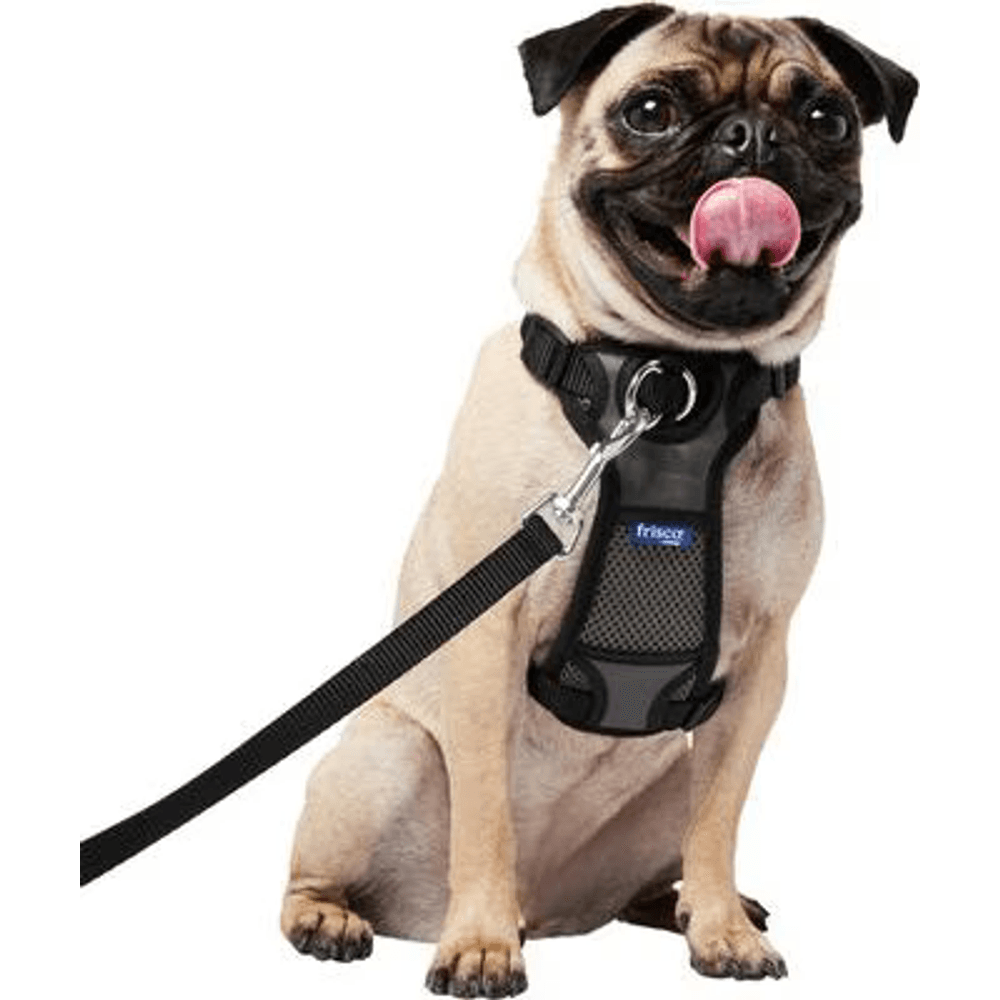
A budget-friendly padded no-pull harness that keeps leash pressure off a coughing dog’s neck and windpipe by distributing it across the chest. A simple, affordable way to protect an irritated airway or a collapsing trachea on every walk.
Petful may earn a commission when you click through to Chewy, at no extra cost to you.
Finding a Shih Tzu puppy responsibly
Start with welfare, not a color, tiny-size label, or delivery date. A responsible breeder discusses the health and temperament of both parents, raises puppies in a clean social environment, provides records and a contract, asks the buyer questions, and remains available. A rescue should disclose known medical and behavior information and help match the individual puppy or adult to the home.
Shih Tzu puppy adoption through a legitimate rescue may offer less certainty about parentage but more direct information about the individual dog’s observed needs. A Shih Tzu rescue or foster should still provide available records, disclose known health and behavior concerns, and use a thoughtful matching process. Whether adopting or buying, verify the organization and meet safely before sending money.
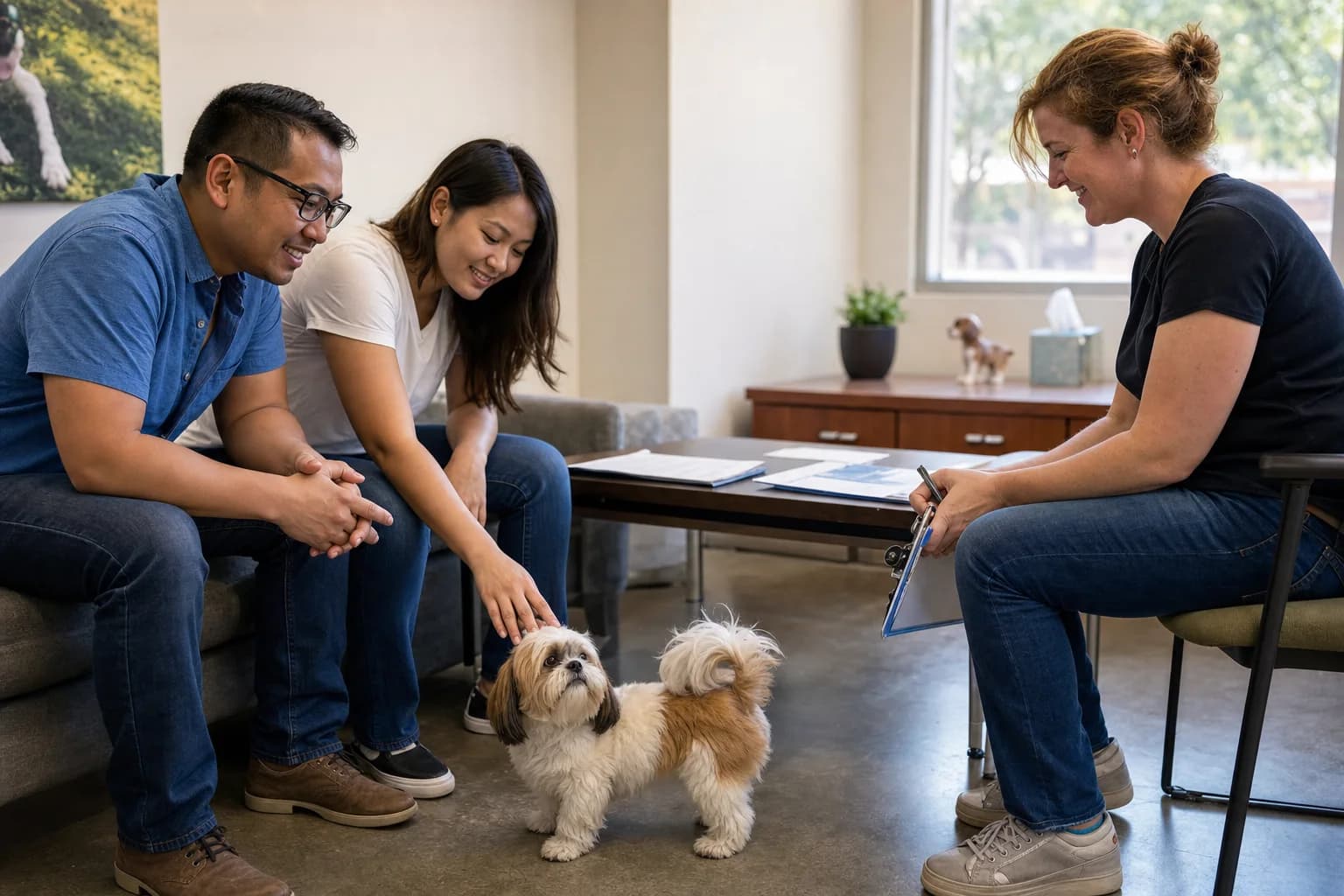
Petful’s adoptable pet search can help owners look for dogs in rescue. If buying, read what a puppy mill is before responding to a polished website or social post. Commercial sellers can hide poor conditions behind stock photos, third-party pickup locations, and convincing phone calls.
Green flags
- You can see where the dogs live and meet the mother when appropriate.
- Health records and screening claims are specific and verifiable.
- The seller explains socialization, grooming, feeding, and observed temperament.
- A written contract includes a return-to-breeder clause.
- The breeder has questions about your home and does not rush payment.
Red flags
- Several breeds are always available for immediate shipping.
- The seller refuses a live video visit or changes the pickup story.
- Payment must be wired, sent by gift card, or made before records are shared.
- “Teacup,” “imperial,” “rare color,” or a tiny predicted adult weight replaces health information.
- The seller will not take the dog back if the placement fails.
What a puppy costs
The purchase or adoption fee is one part of the first-year budget. Add an exam, vaccines, parasite control, microchip, food, training, carrier, harness, pen, bedding, grooming equipment, professional grooming, and an emergency plan. Price varies by region and source, so an unexplained universal number is misleading.
The Shih Tzu price guide breaks the budget into acquisition, setup, recurring, and high-variance costs. It also explains why an unusually low price may signal a scam or poor welfare, and why a high price does not prove responsible breeding.
A Shih Tzu puppy price or a listing for Shih Tzu puppies for sale should be evaluated by what can be verified: parent health screening, veterinary records, rearing conditions, socialization, contract terms, seller identity, and ongoing support. The sticker price alone cannot distinguish an ethical source from a broker, puppy mill, or scam.
Petful may earn a commission when you click through to Chewy, at no extra cost to you.
Preventing separation problems
Practice tiny absences before the puppy must cope with a long one. After a bathroom trip and calm activity, give the puppy a safe food toy, step out of view for a few seconds, and return before distress escalates. Increase duration unevenly and slowly. The objective is relaxed independence, not exhaustion.
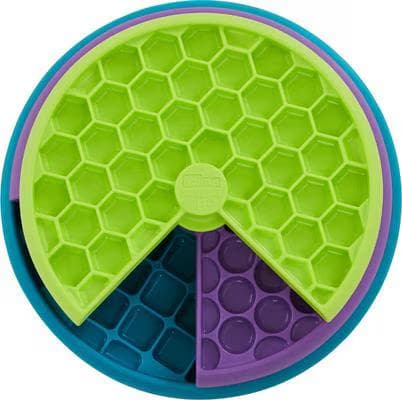
A supervised Lickin’ Layers puzzle can occupy part of a measured meal during short practice sessions. Confirm the puppy cannot chew off pieces and remove the toy when it is no longer being used as intended.
Do not jump from constant company to a full workday. Arrange help for bathroom breaks and care. If the puppy vocalizes continuously, drools, injures itself, or cannot eat when alone, discuss the pattern with the veterinarian and a qualified behavior professional.
The adolescent Shih Tzu
Around the second half of the first year, many owners notice that a previously attentive puppy becomes busier, bolder, or less reliable around distractions. This is normal developmental change, not a reason to abandon positive training. Reduce difficulty, use a long line in open areas, and reward check-ins before the puppy reaches the end of the leash.
Adolescence is also when coat care can become harder. The puppy coat may change texture as the adult coat develops, increasing tangles. Reassess combing frequency, shorten the coat if the routine is not sustainable, and keep professional appointments close enough that each visit is maintenance rather than a rescue shave.
Continue socialization by protecting good experiences, not forcing greetings. Calm observation of dogs, children, traffic, grooming sounds, and veterinary handling remains useful. If fear appears, increase distance and work below the puppy’s reaction threshold. A sudden behavior change should also prompt a health check because pain can look like irritability or training regression.
Teaching cooperative care
Cooperative care gives the puppy a predictable way to participate in grooming and examinations. Start with a chin rest on a towel or an open palm. Touch one body area, feed, and release. Over time, the same behavior can support eye checks, combing, ear inspection, toothbrushing, and nail care.
Use a start signal and a stop signal. If the puppy lifts its chin, turns away, or leaves the mat, pause rather than restraining harder. This does not mean every necessary procedure is optional. It means the puppy learns that calm communication works, which usually makes routine care faster and safer.
Break difficult tasks into separate skills:
- Standing on a nonslip surface.
- Accepting the sound of a dryer or clipper at a distance.
- Allowing one paw to be held for one second.
- Holding still while hair is moved away from an eye.
- Relaxing while a comb passes through one untangled section.
For urgent mats, painful nails, or medical care, use a groomer or veterinary team. Training is preparation; it is not a reason to delay necessary treatment.
Travel and public outings
Teach the Sherpa carrier before the first long trip, provided the growing puppy still fits its dimensions. Leave it open in the home, feed near it, reward voluntary entry, and practice closing the door for seconds. Add short carries, a parked car, and brief drives. Secure the carrier according to its instructions and never leave a puppy in a warm vehicle.
Public outings should be short enough that the puppy can still eat, respond, and rest afterward. Protect the puppy from crowded floors until the veterinarian advises that local disease risk is acceptable. Bring water, waste bags, a familiar mat, and a plan to leave. A successful outing is one that builds confidence, not one that lasts the longest.
Preparing for the first professional groom
Choose a groomer before the coat requires a full haircut. Ask how the salon handles puppies, dries flat-faced dogs, prevents unsupervised falls, and responds to fear. Share vaccine status, medical concerns, handling skills, and any previous biting or panic honestly.
For the first visit, request an achievable experience. A bath, gentle dry, face and foot tidy, nail check, and brief table session may be more valuable than a perfect full clip. The puppy learns that the groomer predicts calm handling and return to the owner.
At home, practice the component skills separately:
- Standing on a nonslip mat.
- Accepting a comb under the chest and behind the ears.
- Hearing a dryer at low intensity from a distance.
- Holding still while the chin rests on a hand.
- Allowing each paw to be lifted.
- Riding in the carrier and car.
Ask the groomer what tangled first and how soon to return. A six-week recommendation is not a sales tactic when it prevents a painful pelt. Adjust coat length to the amount of care the household can deliver every week.
Records, identification, and emergency planning
Confirm the microchip is registered to the current owner and that phone and email details work. Keep a recent front and side photograph, vaccine and medical records, medication list, source contract, and emergency contacts together.
Know where the nearest after-hours clinic is and how long the drive takes. Keep the carrier accessible, not buried under storage. If another person may care for the puppy, leave written feeding amounts, veterinary authorization, toxin contacts, and the puppy’s normal routine.
Planning does not make an emergency more likely. It reduces delay when a puppy swallows an object, injures an eye, becomes weak, or struggles to breathe.
Shih Tzu puppy FAQs
Frequently Asked Questions
Growth usually slows during the first year, but the timing and final build vary. Use the official adult standard of 9 to 16 pounds as breed context, not a week-by-week target. Your veterinarian should track the puppy’s individual growth, body condition, and feeding rather than judging development from an online size chart alone.
Gentle handling, face checks, and removal of eye-area debris should become daily habits, with combing frequency based on coat length and tangles. Begin positive professional introductions early so bathing, drying, nail trimming, ear handling, and an eventual haircut do not arrive as one frightening event. Keep sessions short, calm, and well rewarded.
Do not offer known dog toxins such as chocolate, grapes or raisins, xylitol, onions, garlic, alcohol, or macadamia nuts. Also avoid cooked bones, unbalanced homemade diets, and calorie-dense table scraps. A puppy needs a complete food labeled for growth unless a veterinarian prescribes something different. Contact a veterinarian or poison service immediately after a possible toxic exposure.
No. A puppy can thrive as the only dog when people provide appropriate company, training, play, rest, and gradual alone-time practice. A compatible adult dog may model some behavior, but another dog is not a treatment for boredom or separation distress. Introductions, supervision, resource management, and each dog’s temperament matter more than simply adding a companion.
That is a household choice, not a breed requirement. Consider fall and crush risk, nighttime house-training, access to water, and whether bed privileges will remain acceptable in adulthood. A secure crate or puppy pen beside the bed often supports closeness and a predictable routine while preventing unsupervised wandering, chewing, or unsafe jumps.
There is no dependable number of days. Progress depends on age, prior learning, health, schedule consistency, supervision, and how often the puppy can reach the correct toilet area. Offer frequent trips after sleep, eating, drinking, and play, reward success immediately, and clean accidents without punishment. A veterinary check is appropriate when urination or stool patterns seem abnormal.
Young puppies generally need several measured meals spread through the day, with the exact schedule based on age, body size, the food’s calorie density, and veterinary guidance. Use the label as a starting point rather than an automatic prescription. Track growth and body condition, count training treats, and avoid leaving an unlimited bowl down unless the veterinarian recommends it.
Look beyond color, size claims, and immediate availability. Ask for named health tests on both parents, veterinary and deworming records, information about close relatives, a written contract, and a return-to-breeder commitment. Observe breathing, movement, cleanliness, curiosity, and recovery from mild novelty. An independent veterinary examination after placement remains important even when records look complete.
A Shih Tzu puppy’s first seven days at home
The first week should be calm, observable, and predictable. Keep the puppy on the food and schedule supplied by the breeder or rescue unless the veterinarian recommends a change. Limit the space available, take the puppy to the toilet area after waking, eating, drinking, active play, and transitions, and record meals, stool, urine, sleep, and unusual signs.
Use this first-week checklist:
- Confirm the veterinary appointment and bring all records.
- Photograph vaccine, deworming, microchip, and purchase or adoption documents.
- Check that the collar or harness fits without restricting breathing or movement.
- Begin name response, hand target, handling, and brief separation exercises.
- Introduce the comb, toothbrush, carrier, and household sounds in tiny successful sessions.
- Give the puppy a protected sleep area and prevent unsupervised access to stairs or high furniture.
Avoid trying to socialize by overwhelming the puppy with crowds, uncontrolled dogs, or nonstop handling. High-quality exposure means the puppy notices something new while remaining able to eat, explore, rest, and recover. If fear is increasing rather than easing, create distance and seek qualified training help early.
Bottom line
A well-raised Shih Tzu puppy is not created by constant entertainment or strict correction. It comes from safe repetition: bathroom timing, sleep, measured food, positive training, calm exposure, cooperative grooming, and prompt medical care. Choose the source carefully, protect the puppy’s eyes and breathing, and build the routines the adult dog will need before the coat and habits become difficult.

Kristine Lacoste has been researching dog and cat breeds for nearly a decade and has observed the animals up close at dog shows in both the United States and the United Kingdom. She is the author of the book One Unforgettable Journey, which was named as a finalist for a Maxwell Award from the Dog Writers Association of America, and was host of a weekly pet news segment on the National K-9 Academy Radio Show. In addition, she was the New Orleans coordinator for Dogs on Deployment, a nonprofit that helps military members and their pets, for 3 years. Kristine has researched and written about pet behaviors and care for many years. She holds a bachelor’s degree in psychology, another bachelor’s degree in English and a Master of Business Administration degree.