
Petful is reader supported. As an affiliate of platforms like Amazon and Chewy, we may earn a commission when you buy through links on this page. There is no extra cost to you.
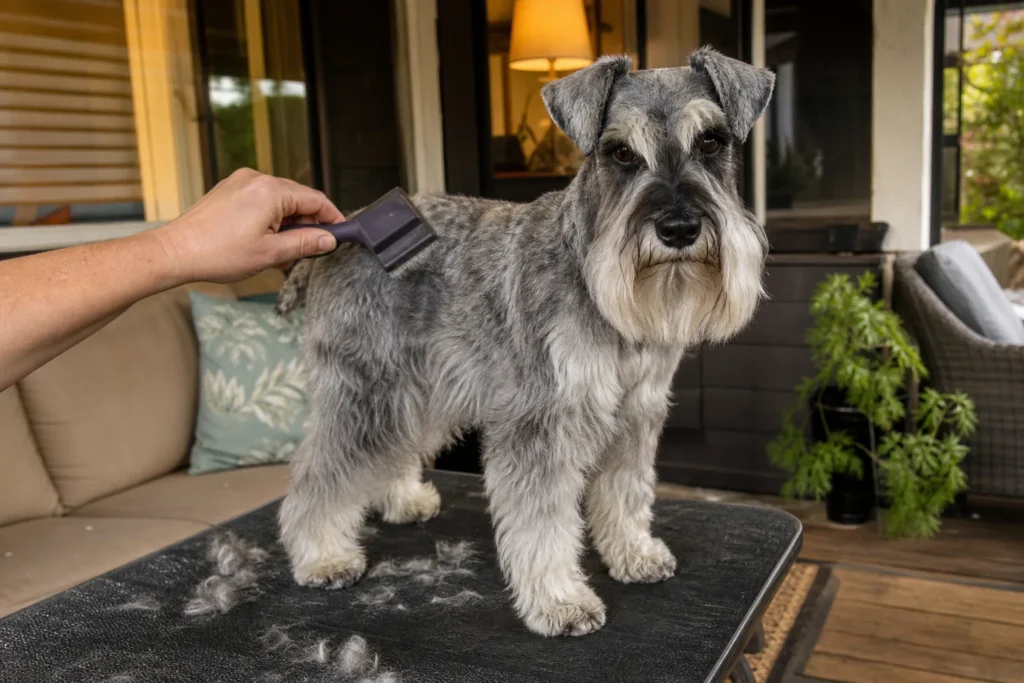
do miniature schnauzers shed? Yes, they release hair, but many shed less visibly around the home than heavier-shedding breeds. The wiry topcoat and undercoat hold some loose hair until brushing or grooming. Low shedding does not mean no grooming, no dander, or no allergy risk.
Petful may earn a commission when you click through to Chewy, at no extra cost to you.

Don’t Guess When It Comes To Your Pet’s Care
Sign up for expert-backed reviews and safety alerts all in one place.
Do Miniature Schnauzers shed?
- 1Miniature Schnauzers do shed, usually at a relatively low visible level.
- 2Loose hair can remain in the coat until combing.
- 3All dogs produce allergens, regardless of coat label.
- 4Grooming and cleaning can reduce hair and particles but cannot promise an allergy-free home.
The useful answer separates visible hair on furniture from hair released within the coat. A Miniature Schnauzer may leave relatively little hair on floors while still requiring regular brushing and professional coat maintenance.
- Individual coats vary.
- Clipping changes texture but does not switch shedding off.
- Season, skin health, nutrition, parasites, and disease can change hair loss.
- A sudden increase is different from the breed’s usual pattern.
Do Miniature Schnauzers shed: practical checks
- Check the brush and comb after sessions.
- Photograph thinning or bald areas.
- Track itch, odor, redness, and medication changes.
- Call the veterinarian about abnormal loss.
Patchy loss, inflamed skin, marked itch, pain, or systemic illness should not be managed as routine shedding.
Petful may earn a commission when you click through to Chewy, at no extra cost to you.
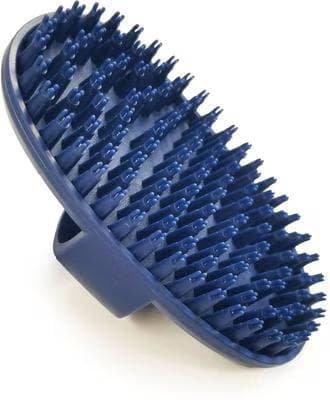
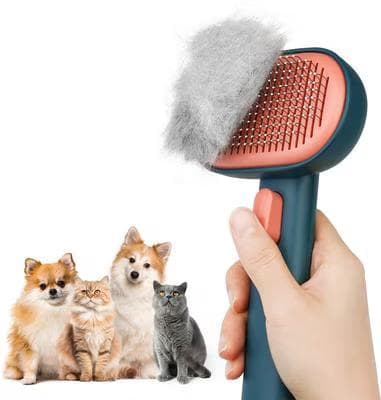
For coat maintenance, the Four Paws wet-and-dry grooming glove is one tool to compare; use light pressure, work in small sections, and stop if the skin becomes irritated. For coat maintenance, the aumuca self-cleaning slicker brush is one tool to compare; use light pressure, work in small sections, and stop if the skin becomes irritated. The Earthbath oatmeal and aloe shampoo is one bathing option to review for ingredients and individual skin tolerance, followed by thorough rinsing and complete drying.
How the Miniature Schnauzer coat releases hair
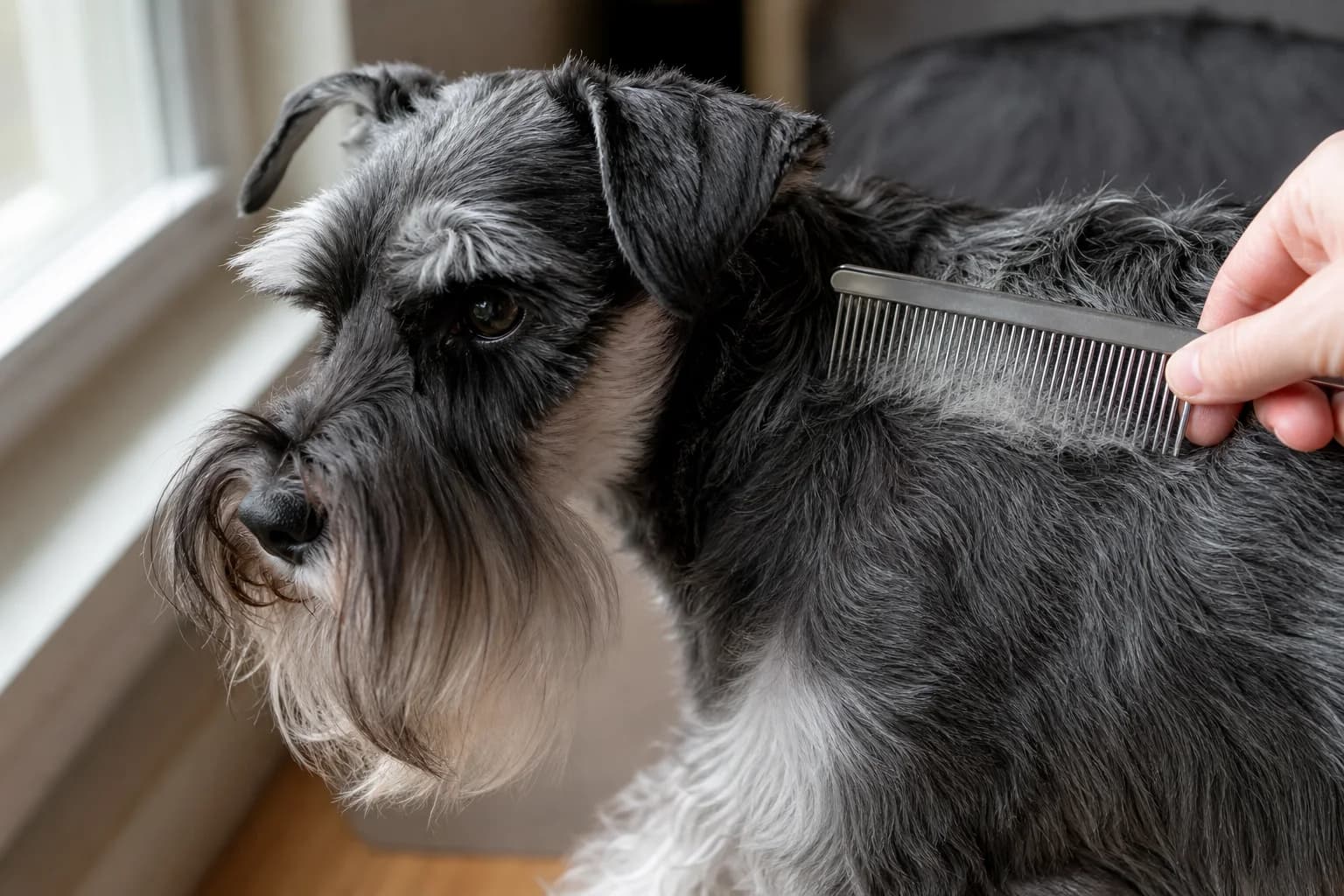
The coat has a wiry outer layer and a closer undercoat in the breed standard. Loose hairs can become caught among the remaining coat and appear during combing, bathing, clipping, or stripping rather than falling freely all day.
- Undercoat can compact near the skin.
- Friction areas tangle even in low-shedding dogs.
- A soft clipped coat may behave differently from a maintained wire jacket.
- Hair collected in a comb is expected evidence, not proof of disease by itself.
How the Miniature Schnauzer coat releases hair: apply the plan
- Part the coat to the skin.
- Use a metal comb after brushing.
- Compare the same areas over time.
- Keep tools clean.
Do not pull through a tight tangle. Reduce it safely or ask a groomer to prevent skin injury.

Petful may earn a commission when you click through to Chewy, at no extra cost to you.
Hair, dander, and allergens are different
Hair, dander, and allergen differences
| Term | What it describes | Owner implication |
|---|---|---|
| Hair | Visible coat fibers | Low floor hair can ease cleanup |
| Dander | Skin particles | May carry allergens |
| Saliva | Allergen source | Present in every dog |
| Hypoallergenic | Informal risk label | Not an allergen-free guarantee |
Dog allergy is not simply an allergy to visible hair. The American College of Allergy, Asthma and Immunology explains that allergens can come from dander, saliva, and urine and that so-called hypoallergenic homes do not necessarily have lower allergen levels.
- Hair can carry allergenic material.
- A dog with little floor hair still produces saliva and skin particles.
- Individual people react differently.
- Symptoms can change with exposure level and other allergies.
Hair, dander, and allergens are different: questions to answer
- Discuss significant symptoms with an allergist.
- Avoid relying on a breeder guarantee.
- Spend time with the individual dog when medically appropriate.
- Plan bedroom and cleaning boundaries before adoption.
No dog can be guaranteed allergen free. Severe asthma or prior serious reactions require clinician-guided planning.
Petful may earn a commission when you click through to Chewy, at no extra cost to you.
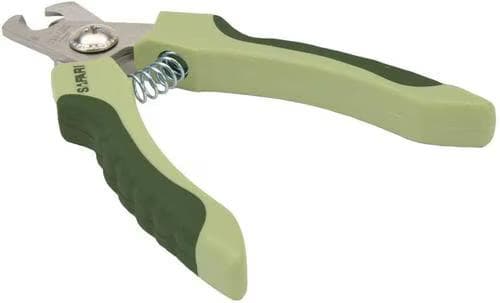
If clipping is comfortable for both dog and handler, the Safari professional nail trimmer is one tool to compare after identifying the quick and preparing styptic powder. The OneisAll cordless clipper and paw-trimmer kit can support maintenance between appointments, but noise training, cool blades, nonslip footing, and a safe stopping point are essential. Use only pet-safe toothpaste, such as Virbac C.E.T. enzymatic pet toothpaste, after veterinary guidance; human toothpaste is not an appropriate substitute.
Grooming for loose hair and coat health
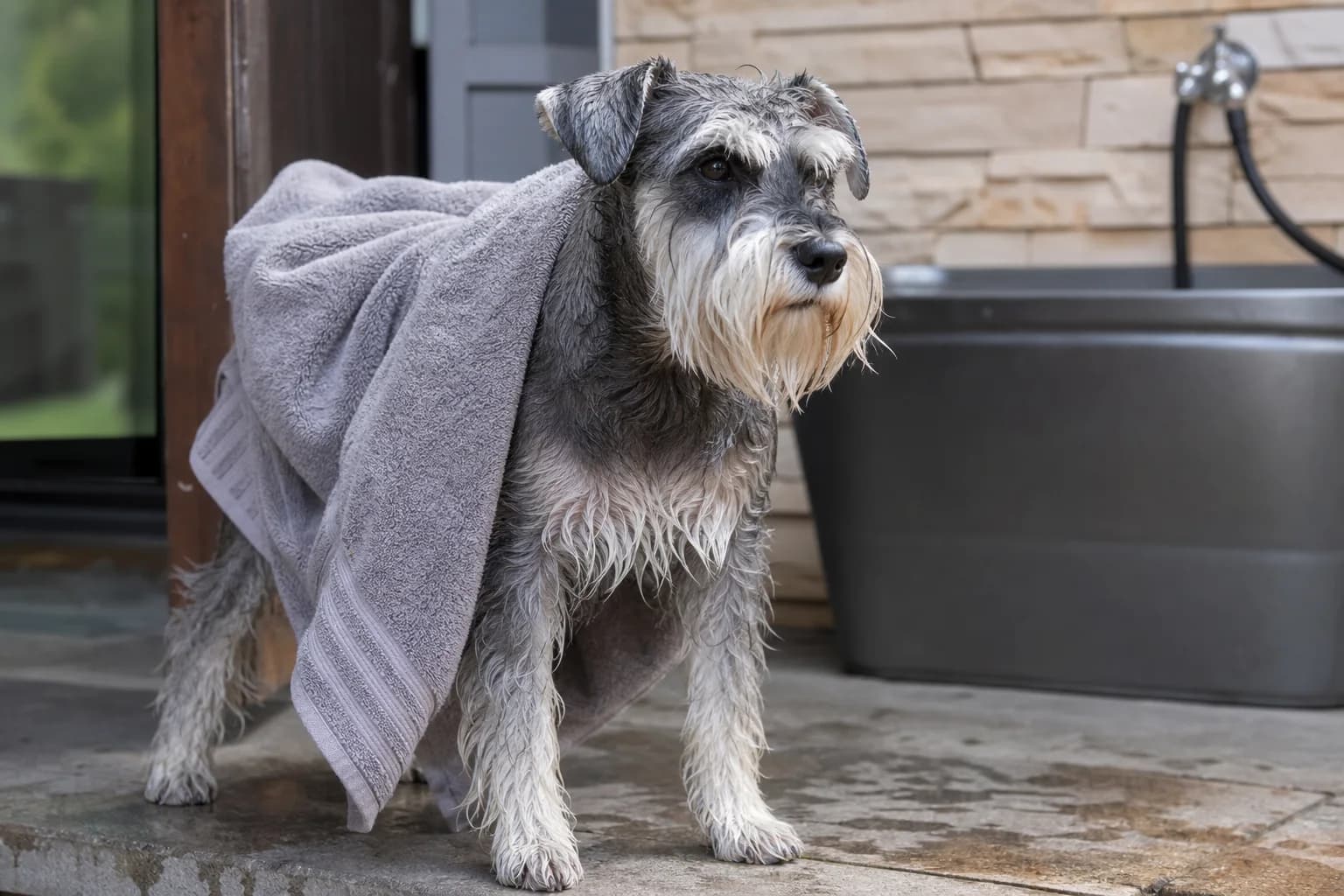
Routine grooming removes loose hair, prevents tangles, and makes skin easier to inspect. It should be calm, thorough, and matched to coat length.
- Surface brushing can miss undercoat.
- Beards need separate hygiene.
- Bathing without drying can leave moisture at the skin.
- Professional trim intervals affect home workload.
Grooming for loose hair and coat health: practical checks
- Comb to the skin.
- Check armpits and harness areas.
- Rinse and dry the beard.
- Book grooming before mats form.
Use the complete Miniature Schnauzer grooming guide for tool and haircut decisions.
A low-shedding home routine
Low-shedding home routine
| Area | Action | Limit |
|---|---|---|
| Dog | Comb and maintain coat | Does not remove allergens |
| Bedding | Use washable covers | Follow fabric directions |
| Floors and upholstery | HEPA vacuum slowly | Exposure may remain |
| Bedroom | Set clear boundary | Medical plan still matters |
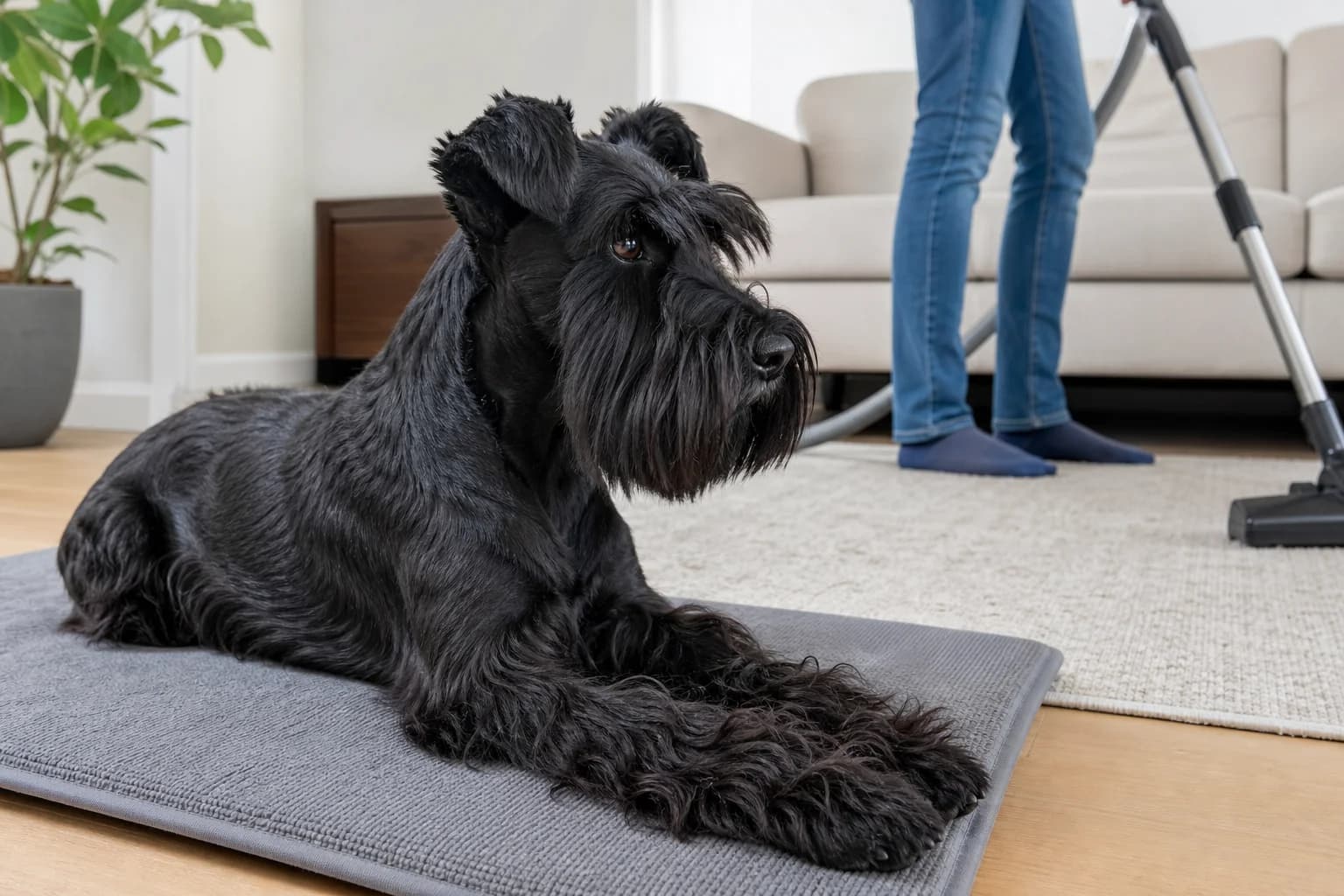
A practical home plan targets washable surfaces and reservoirs rather than trying to sterilize the house. Bedding, upholstery, rugs, filters, and the dog’s resting area collect both visible hair and smaller particles. The Pet Parents Pawtect waterproof blanket is one washable protective surface to compare for a resting area; it can simplify cleanup but does not remove allergens from the home.
- Washable covers simplify routine cleaning.
- A sealed HEPA vacuum can help capture particles.
- The bedroom is a high-exposure area because of time spent there.
- Outdoor allergen carried on the coat can also affect symptoms.
A low-shedding home routine: apply the plan
- Wash bedding on a regular schedule.
- Vacuum slowly according to equipment directions.
- Keep filters changed.
- Wipe paws and coat when outdoor exposure is relevant. For routine paw cleanup after relevant outdoor exposure, Angels’ Eyes face, eye, and paw wipes are one option to compare; cleaning does not guarantee allergy control.
Cleaning may reduce exposure but does not guarantee symptom control. Use medical guidance for medications, testing, or major household decisions.
Before adopting for allergy reasons
warning
- Test the real allergy decision | All dogs produce allergens. Consult a clinician for significant symptoms, spend time with the individual dog when appropriate, and confirm a return plan before adoption.
Plan an evidence-gathering period before commitment. A brief cuddle with one puppy is not the same as living with an adult dog through grooming, saliva contact, and indoor exposure.
- Puppy coat and behavior will change.
- One family member may react differently from another.
- Medication can mask symptoms during a test visit.
- A return plan protects the dog if the match is unsafe.
Before adopting for allergy reasons: questions to answer
- Consult the clinician first.
- Meet the individual more than once.
- Include contact with the adult home environment when possible.
- Confirm the source’s return policy.
Do not ask a child or medically vulnerable person to endure worsening symptoms to prove commitment. A safe placement decision protects everyone.
Owner workbook: a pre-adoption allergy trial
Use this a pre-adoption allergy trial to record the current baseline, the decision being made, who is responsible, the timing or cost involved, and the evidence that should trigger a change.
For a pre-adoption allergy trial, include a pre-adoption allergy trial, monthly costs and an emergency reserve, and records, photographs, and measurements that can be compared over time. Keep the record brief enough that every caregiver can maintain it.
Use the page that owns the next decision:
Miniature Schnauzer shedding FAQs
Frequently Asked Questions
Miniature Schnauzers can be good house dogs when the household accepts routine grooming, alert barking, exercise, enrichment, and supervision. Low visible shedding may simplify cleanup, but it does not remove allergens or the need to comb and maintain the coat. Shared walls make barking management important. Provide a quiet resting area, secure doors and walking equipment, and a realistic care schedule. Small size and low floor hair do not make the breed automatically low maintenance.
Many Miniature Schnauzers release relatively little visible hair around the home compared with heavier-shedding breeds, but they are not nonshedding. Loose hair can remain caught in the wiry topcoat and undercoat until combing, bathing, clipping, or stripping. Amount varies among dogs and can change with season, grooming, skin health, nutrition, parasites, or disease. Use the brush and home surfaces as observations, and seek veterinary advice for sudden, patchy, itchy, or inflamed hair loss.
No dog is guaranteed allergen free. Miniature Schnauzers are often described as hypoallergenic because they may leave less visible hair, but dog allergens also come from dander, saliva, and urine. Individual people and dogs vary, and low floor hair does not prove low exposure. If allergies matter to the decision, consult a clinician, spend meaningful time with the individual dog when medically appropriate, plan cleaning and bedroom boundaries, and confirm a responsible return option before adoption.
Comb the coat to the skin several times each week as a practical starting point, check the beard daily, and adjust frequency for coat length, texture, friction, and the amount collected. Many pet coats also need professional trimming on a recurring schedule. Grooming removes loose hair and prevents mats but cannot eliminate allergens. Use a metal comb to confirm depth, keep skin dry after cleaning, and shorten the interval before tangles or compacted undercoat become routine.
A sudden increase can follow a coat or grooming change, but it may also reflect changes in skin health, nutrition, parasites, or another disease process. Record when it began, where hair is thinning, and whether itch, redness, odor, pain, appetite change, or other signs are present. Do not diagnose the cause from breed alone or cover inflamed skin with fragrance. Arrange veterinary assessment for persistent, patchy, painful, or rapidly worsening loss.
Bottom line
Miniature Schnauzers usually shed relatively little visible hair, but they still release hair and allergens. Choose the breed only after separating cleanup expectations, grooming workload, and medical allergy risk.

Coreen Saito is a pet writer and longtime shelter volunteer with more than a decade in animal rescue. She covers cat behavior, breed care, and the small, ordinary science of sharing a life with companion animals, with a particular focus on honest takes about the products and decisions that actually matter. At home in Arizona, she’s outranked by Mac (a dog with the loudest opinion in the house), Rebel (a cat who governs by quiet authority), and Meri (an orange tabby who runs the late shift and the laundry basket). She writes about all three, plus the rescues that keep coming through her life, at LifeWithMinty.com.