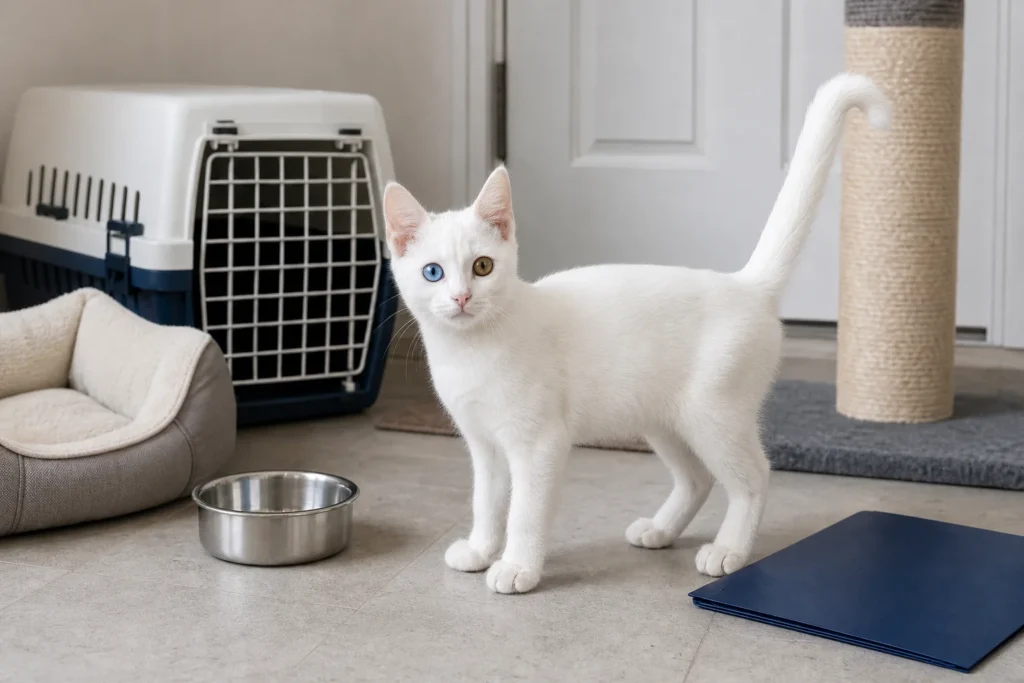

Khao Manee price claims vary dramatically because the breed has a small breeder pool outside Thailand, few publicly listed litters, and no audited database of completed kitten sales. Several current secondary breed guides repeat a breeder-kitten estimate around $7,000 to $11,000. Treat that as a broad planning bracket, not a guaranteed US market price or proof that a particular seller is legitimate.
The safer question is not “What is the one true price?” It is “What does this seller’s itemized quote include, and can every important claim be verified?” A high asking price does not prove pedigree, ethical breeding, health screening, or even that a kitten exists. A suspiciously low price can be a scam, but an inflated price can be one too.
- 1Current secondary guides often cite roughly $7,000 to $11,000 for a Khao Manee kitten, but no audited transaction source establishes one universal price
- 2Compare itemized quotes instead of shopping by the lowest deposit
- 3Verify pedigree, breeder identity, health and vaccination records, a written contract, and the actual kitten before paying
- 4Build travel, supplies, routine care, insurance or emergency savings, and long-term ownership into the budget
This guide gives you a realistic budgeting method, a records checklist, questions to ask a breeder or rescue, and scam defenses. For breed personality and daily fit, begin with Petful’s complete Khao Manee cat guide.

Petful may earn a commission when you click through to Lemonade, at no extra cost to you.
What does a Khao Manee cost?
Two current search competitors, Catster and Daily Paws, publish a $7,000 to $11,000 breeder-kitten estimate. That wide advertised range may look authoritative, but repeated numbers are not the same as a verified sales dataset. Neither page provides a national ledger of completed 2026 transactions. Most ranking pages repeat a very wide sticker price but do not show how to verify what a quote includes or how to compare two sellers. Prices can move with breeder location, waiting list, transport, registration status, contract terms, and completed care.
Use the range to test whether the overall commitment is plausible for your household. The current Khao Manee price is the seller’s documented quote, not a number copied from another article. Then request a current written quote from each source you are seriously evaluating. The quote should name the kitten, identify the breeder, state the deposit and balance, explain what is refundable, list included records and veterinary care, and identify any travel or delivery charge.
If a seller asks for much less than the broad published range, do not assume you found a bargain. Verify the breeder and kitten before discussing payment. If a seller asks for much more, request a clear explanation and compare what is included. Khao Manee worth is not established by words such as “rare,” “royal,” “lucky,” or “diamond eye.” Those are marketing claims, not itemized value.
Why scarcity can raise the price
The Khao Manee is uncommon in the United States, and responsible breeding cannot expand instantly. Ethical breeders limit litters, screen homes, raise kittens in a social environment, provide veterinary care, maintain registry records, and support owners after placement. Those inputs cost money and time.
Scarcity helps explain why a wide advertised range appears online, but it does not verify the quote. Documentation still has to show what the buyer receives and whether the seller’s claims are credible.
- Travel and waiting: Scarcity can create long waits and travel expenses. A buyer may need to visit another state, use a flight nanny who complies with airline rules, or wait for a suitable kitten rather than choose from an always-available inventory. A constant supply of multiple ages, sexes, and eye presentations can be a warning sign when the seller claims to operate a very small cattery.
- Verification under pressure: Scarcity never excuses weak records. The fewer alternatives a buyer sees, the more useful it is to slow down. Pressure such as “pay tonight or lose the kitten” exploits rarity rather than demonstrating responsible care.
Build a realistic first-year Khao Manee budget
First-Year Khao Manee Budget Framework
| Category | What to include | How to estimate |
|---|---|---|
| Kitten or adoption quote | Deposit, balance, registration status, included veterinary care, spay or neuter terms | Use the seller’s itemized written quote; treat published $7,000-$11,000 figures only as a broad planning bracket |
| Travel or delivery | Personal travel, carrier, airline fee, compliant flight nanny, ground transport, lodging | Get written third-party estimates before paying a deposit |
| Initial veterinary relationship | New-patient exam, record review, any due vaccines, parasite plan, microchip verification, hearing discussion | Ask a local clinic for current fees and what records to bring |
| Home setup | Carrier, litter boxes, scratchers, stable cat tree, food and water stations, toys, grooming and dental supplies | Price durable items sized for an adult cat, not novelty products |
| Recurring care | Complete cat food, litter, routine exams, vaccines based on risk, dental care, parasite control based on lifestyle | Build a monthly amount from local prices and your veterinarian’s plan |
| Risk planning | Pet insurance premium and exclusions or a dedicated emergency reserve | Compare policy terms before illness is documented, or set an automatic savings amount |
| Travel and care | Pet sitter, boarding, medication support if ever needed | Price at least one realistic trip, not just ordinary weeks |
Costs beyond the seller’s quote
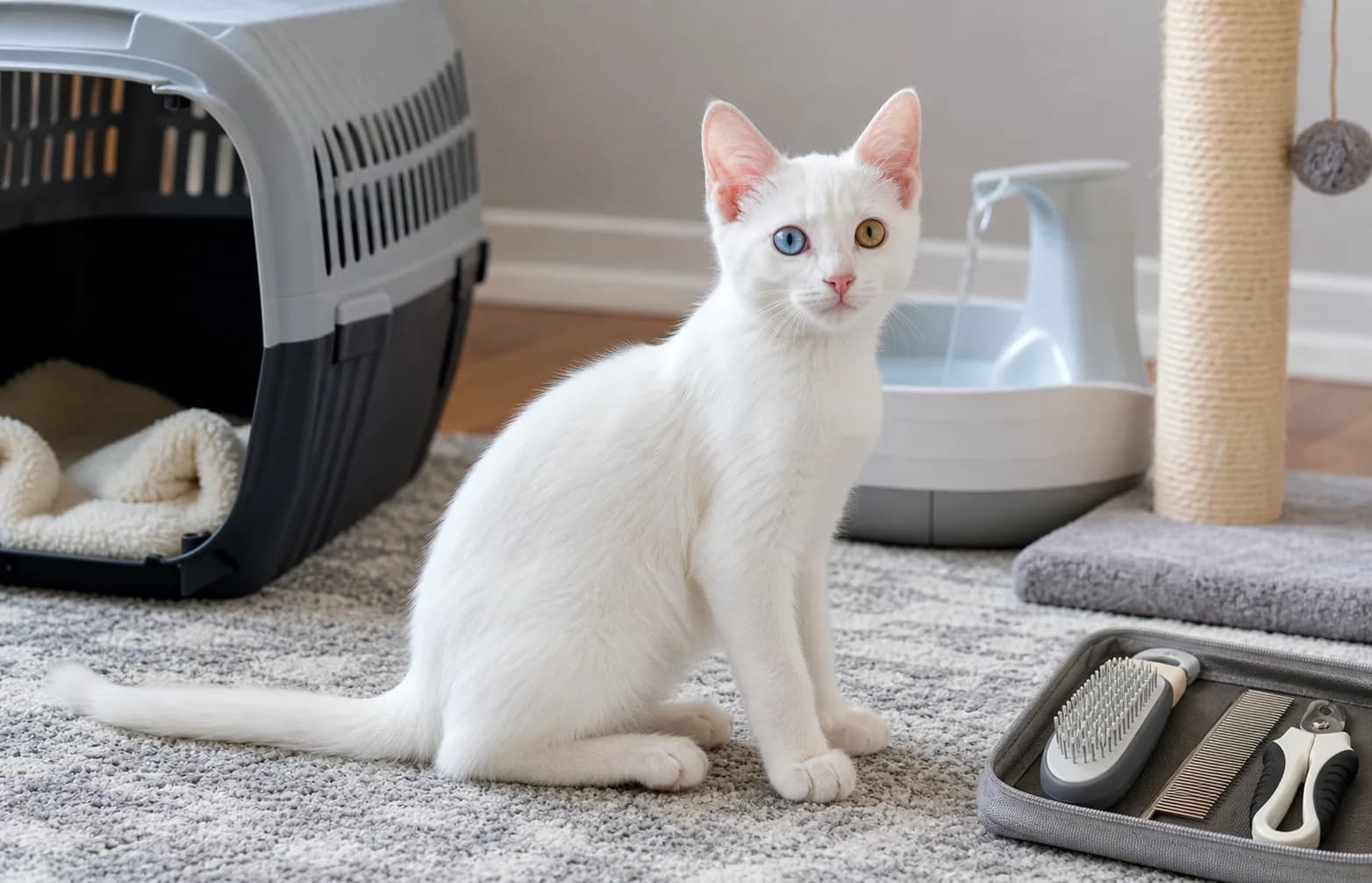
The acquisition quote may dominate the first-year total, but it is not the only number that can surprise a new owner. Travel can be substantial for a rare breed. A secure carrier, at least two litter boxes for one cat, a stable climbing structure, scratchers, enrichment, and a veterinary visit all arrive close together. Dr. Elsey’s Ultra unscented clumping litter is one recurring-cost example to price while prioritizing the cat’s texture preference and planning enough litter boxes.
Routine costs resemble those for other domestic cats more than the purchase quote does. Food, litter, dental care, preventive visits, and occasional replacement of worn supplies continue regardless of pedigree. Insurance can make some unexpected veterinary bills more predictable, but policies differ in deductibles, reimbursement, waiting periods, dental coverage, and exclusions. Read the policy rather than buying by a low monthly price. Virbac C.E.T. enzymatic toothpaste is one pet-safe dental-care consumable to include in the recurring budget after veterinary guidance.
An emergency reserve remains useful even with insurance because reimbursement may come after you pay the clinic. If you self-fund instead, decide on a target and automate contributions. The point is not to predict every illness. It is to prevent the kitten deposit from consuming money needed for the cat’s care.
Petful may earn a commission when you click through to Chewy, at no extra cost to you.
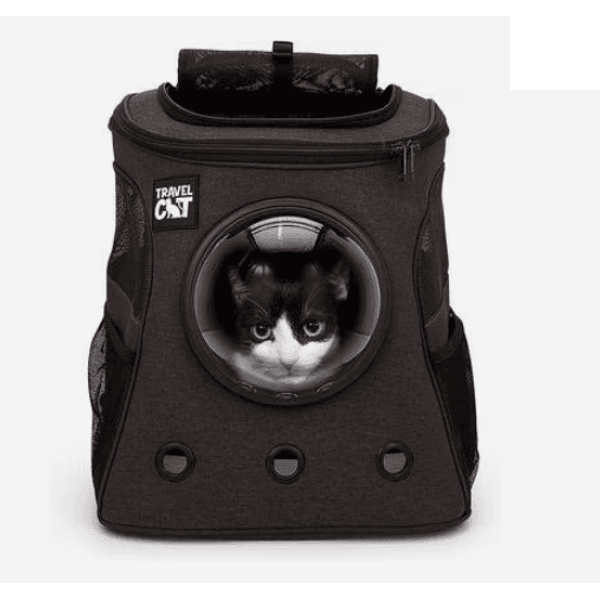
For budget planning, a current Lemonade pet insurance quote lets you compare the premium, deductible, reimbursement rate, waiting periods, and exclusions before a need arises. Check ventilation, load limit, and the cat’s standing dimensions before considering the Travel Cat Fat Cat carrier backpack; a carrier label cannot substitute for a calm fit test. Before buying the Yaheetech multi-level cat tree, measure floor and ceiling clearance and confirm that the base, platforms, and wall placement are stable for the individual cat.
Finding Khao Manee kittens without rushing
Start with recognized registries and breed clubs, then investigate each breeder independently. People searching for Khao Manee kittens, a Khao Manee kitten, or a Khao Manee purchase should treat every directory as a lead rather than a guarantee. The TICA Pet Buyer’s Guide recommends checking breeder credibility, seeing where cats are raised when possible, asking for parent and health records, reading the contract, and avoiding rushed transactions. CFA also provides a Khao Manee breed page and breeder-finder link.
A directory listing is a starting point, not a warranty. Confirm that the contact details on the listing match the person and website contacting you. Search the breeder or cattery name with words such as “reviews,” “complaint,” and “scam.” Look for a history that makes sense rather than a new social account full of polished kitten photos and no traceable people.
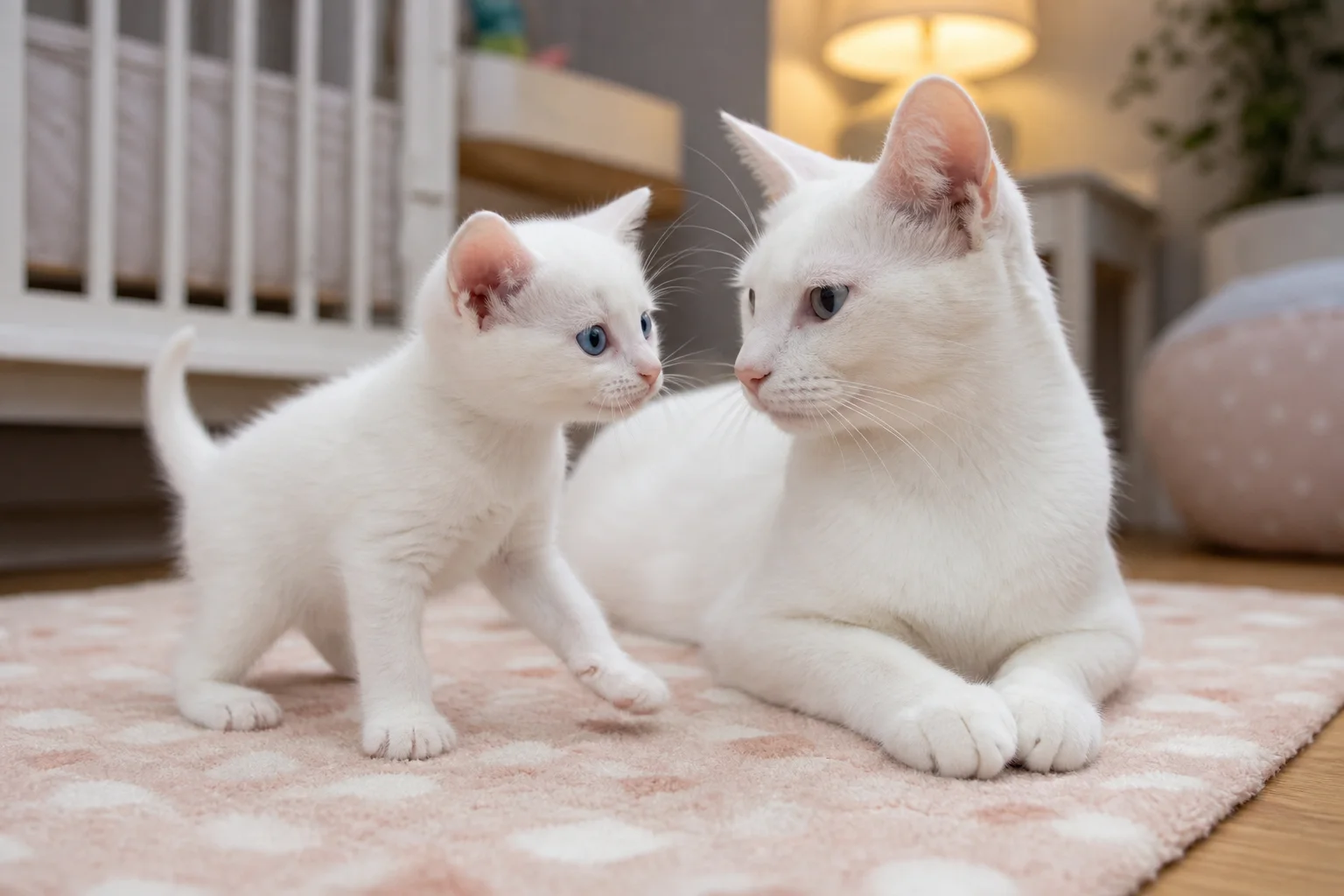
Ask for an in-person visit when practical. If distance makes that impossible, arrange a live video call in which the seller shows the specific kitten, the kitten’s living space, and the mother cat, and responds to unscripted requests. A prerecorded clip can be stolen. A live call is harder to fake, though it still does not replace record verification.
Responsible breeders usually have questions for you. Expect discussion of indoor living, other animals, children, working hours, veterinary care, declawing, and what happens if you can no longer keep the cat. A seller focused only on rapid payment is not demonstrating long-term responsibility.
Consider adoption without demanding a rare label
A verified pedigreed Khao Manee is unlikely to appear often in a general shelter, but white domestic shorthairs are common. If your real goal is a social white cat rather than a registered lineage, shelters and rescues offer many candidates whose individual temperament can be evaluated.
Do not pressure a rescue to label a white cat as Khao Manee from looks. Adoption records may describe resemblance while correctly leaving ancestry unknown. Petful’s Khao Manee vs. white cat guide explains why eye presentation and coat do not prove a breed.
How to evaluate a Khao Manee breeder or seller
Good sourcing is document-first and cat-first. Ask for the registered names and numbers of the sire and dam, the registry that holds the pedigree, and a copy of the kitten’s pedigree or registration pathway. Verify the registry through contact details you find independently, not through a link supplied only in a message.
Review health records rather than accepting phrases such as “vet checked” or “health guaranteed.” A Khao Manee TICA listing or Khao Manee cat club referral is only a starting point. Ask which veterinarian examined the kitten, which vaccines and parasite treatments were given, whether the kitten is microchipped, and what hearing evaluation was performed. Request the pedigree certificate and verify its issuing registry. White-cat hearing risk deserves a specific conversation. Petful’s veterinarian-authored guide to Khao Manee health and deafness explains BAER testing and why behavior alone can miss one-sided deafness.
What a Responsible Quote Should Include
| Evidence | What to check |
|---|---|
| Seller identity | Full legal name, physical location, working phone, consistent cattery history, and registry contact that can be independently verified |
| Specific kitten | Registered or call name, birth date, sex, microchip when available, current photos, and a live meeting or video call |
| Pedigree | Issuing registry, parents, registration numbers, transfer process, and any pet-placement restrictions |
| Veterinary records | Exam date, clinic, vaccinations, parasite care, any test reports, and instructions for the next visit |
| Hearing information | Whether BAER testing was performed, the actual report when available, and the breeder’s policy for an affected kitten |
| Contract | Total price, deposit, balance, refund conditions, health terms, spay or neuter agreement, registration-paper timing, and return policy |
| Handover | Minimum age, food and litter routine, social history, carrier and travel plan, and post-placement support |

Ask when the kitten may leave. The answer should reflect vaccination, development, socialization, and the breeder’s registry and veterinary plan, not the buyer’s preferred date. Ask how kittens are raised and what ordinary household experiences they have had. A well-run home environment should support gentle handling, play, litter habits, and recovery from everyday sounds and changes.
The contract should explain what happens if the kitten becomes ill soon after placement, if registration papers are delayed until proof of spay or neuter, or if the placement does not work. A return-to-breeder clause can protect the cat from resale or shelter surrender. Read every promise and exception before sending a deposit.

63-inch multi-level cat tree with scratch posts, hammock, plush perches, and dangling toys. Vertical territory is non-negotiable for high-energy climbing breeds like the Bengal.
Petful may earn a commission when you click through to Chewy, at no extra cost to you.
Online kitten scam red flags
Stop before you pay
- Walk away if a seller refuses a live visit or video call, will not provide a physical identity, uses stolen or repeated photos, cannot produce verifiable records, pressures immediate payment, adds surprise shipping or crate fees, or insists on gift cards, wire transfer, cryptocurrency, or another hard-to-reverse method. The kitten may not exist.
Verify the listing before payment
The Federal Trade Commission’s pet-scam guidance recommends searching the seller’s name with “complaint” or “scam,” performing a reverse image search, arranging an in-person or video visit, and using a payment method with meaningful protections. TICA likewise warns against gift cards, wire transfers, and paying in full before selecting and verifying a specific kitten.
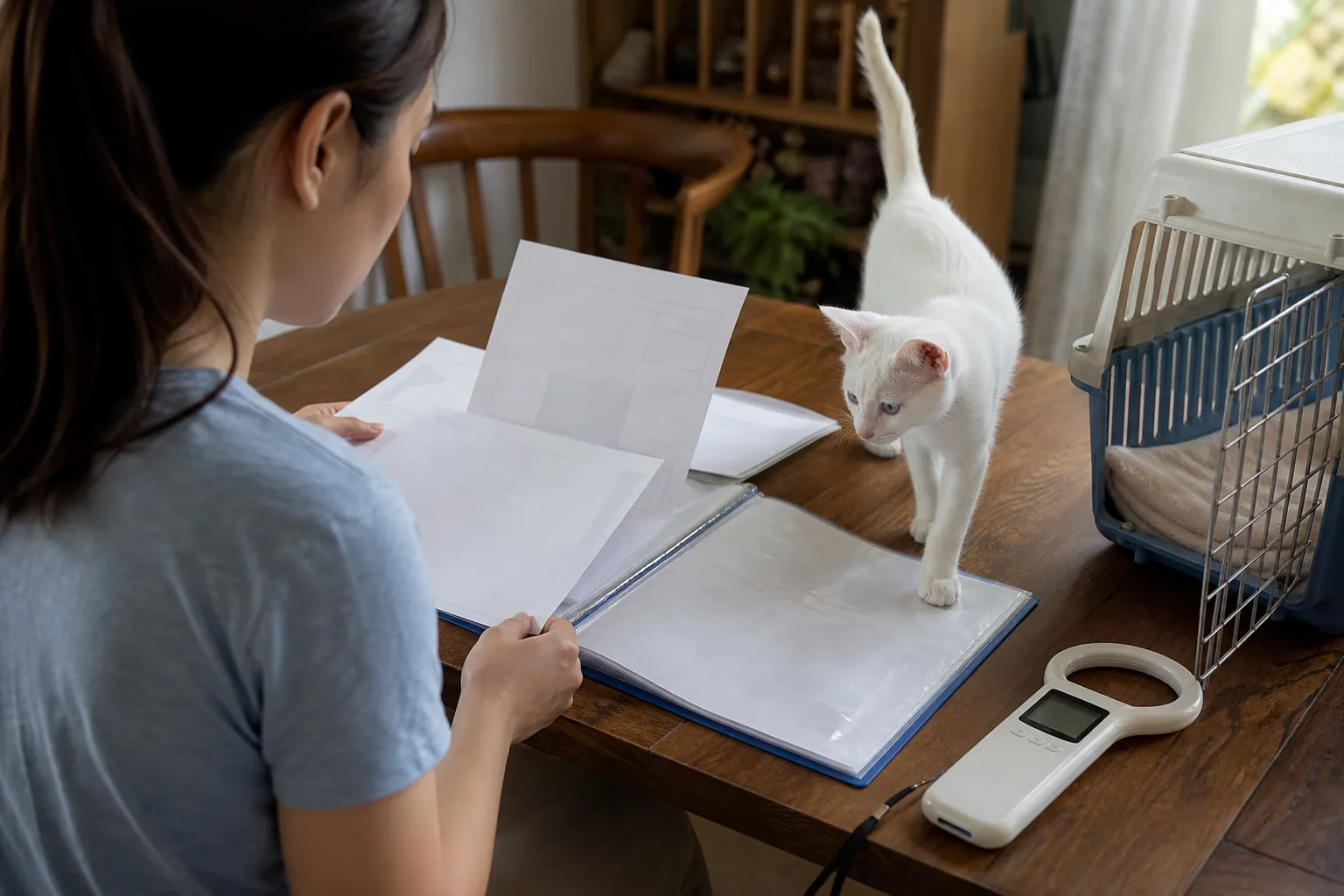
Reverse-search more than the featured kitten photo. Search profile images, parent cats, testimonial photos, and unusual phrases from the listing. Scammers may clone a real breeder’s page, so compare contact details with the registry or the breeder’s established website.
Be suspicious of a “free” kitten that requires escalating transport, insurance, climate-controlled crate, permit, or veterinary fees. Real transport has costs, but those costs should be stated in writing and tied to identifiable providers before payment. A series of urgent new charges is a classic fraud pattern.
Payment and deposit safeguards
Do not send money until you have verified the seller, kitten, records, contract, and refund terms. Use a payment method that offers dispute rights when possible. Make sure the payee name agrees with the contract and known breeder identity. A request to pay an unrelated person is a warning sign.
Deposits can be legitimate because breeders cannot hold kittens indefinitely. The contract should state whether the deposit is refundable, transferable to a future litter, or retained if the buyer changes plans. “Nonrefundable” should never mean the seller can disappear, substitute a kitten, or avoid the documented agreement.
Save the listing, messages, contract, invoice, payment record, video-call details, and copies of records. If you suspect fraud, stop paying and report it to the payment provider and ReportFraud.ftc.gov.
Petful may earn a commission when you click through to Chewy, at no extra cost to you.
Health questions before a deposit
Ask for health and hearing information before emotion and urgency take over. Khao Manee health and Khao Manee health issues should be discussed with records, not slogans. A breeder should be able to discuss the parents’ health history, routine infectious-disease prevention, kitten examinations, vaccination status, and any line-specific concerns. “No problems in our cats” is not a substitute for records.
For Khao Manee deafness questions, ask whether the kitten received a BAER test, whether both ears were assessed, and whether you can see the result. BAER is especially useful because a cat with one hearing ear may behave normally in a busy home. Do not accept eye color as a hearing test.
Khao Manee lifespan claims are planning estimates, not health guarantees. Also ask what veterinary visit the contract requires after placement and who pays if that examination finds a significant problem. Schedule a local appointment promptly, bring all records, and keep the breeder informed through the contract’s process.
Deposit checkpoint
- Do not pay until the seller, specific kitten, pedigree path, veterinary records, contract terms, payment method, and return policy can all be independently checked.
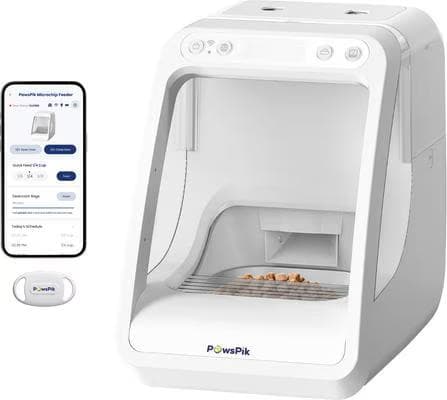
In a multi-cat home, the PawsPik microchip feeder is one portion-access option to compare after confirming microchip compatibility, bowl size, cleaning, and backup behavior. For a private retreat, the Best Friends by Sheri covered cat bed is one enclosed option to compare after checking entry size, washability, and where the cat already chooses to rest. Place the Necoichi wall scratcher near an existing scratching or transition area and confirm that its mounted height lets the cat stretch fully.
After you choose a source
Do not let verification stop when the deposit is paid. Confirm each milestone in writing: kitten selection, balance due date, veterinary updates, registration transfer, travel arrangements, and the final handover. Keep messages and receipts together with the signed contract.
Ask for updated records before travel so your local clinic can review them. Confirm which food and litter the kitten currently uses, when it last ate before transport, and whether any medication or follow-up has been prescribed. Do not change food, litter, and household routine all at once unless a veterinarian gives a medical reason.
Prepare one quiet arrival room with food, water, a hiding place, a scratching surface, a bed, and a litter box placed away from the food. Remove toxic plants, string, ribbon, small chewable objects, open windows, and unsafe gaps. Set up a second litter box elsewhere in the home for later access.
Plan the handover and travel
If you are collecting the kitten, use a secured carrier in the vehicle and never allow the cat to ride loose. Verify that the person handing over the cat matches the contract and that the microchip, registration, and veterinary identifiers agree. Photograph or scan the final signed documents before leaving.
If a third party will transport the kitten, identify that business independently, confirm its current policies, and get the route and fees in writing. A real breeder should not object when you verify a flight nanny or transport company through public contact information.
Airline and state requirements can change. Check with the airline and relevant authorities directly rather than relying on an old social post. International import is a separate legal and veterinary process, not a casual way to bypass a US waiting list.
Use the first veterinary visit well
Bring the full record packet and contract to a local veterinarian within the agreed window. The appointment can confirm identity and microchip, review vaccination and parasite history, establish body and muscle condition, examine the ears and mouth, and decide whether any test or follow-up is appropriate.
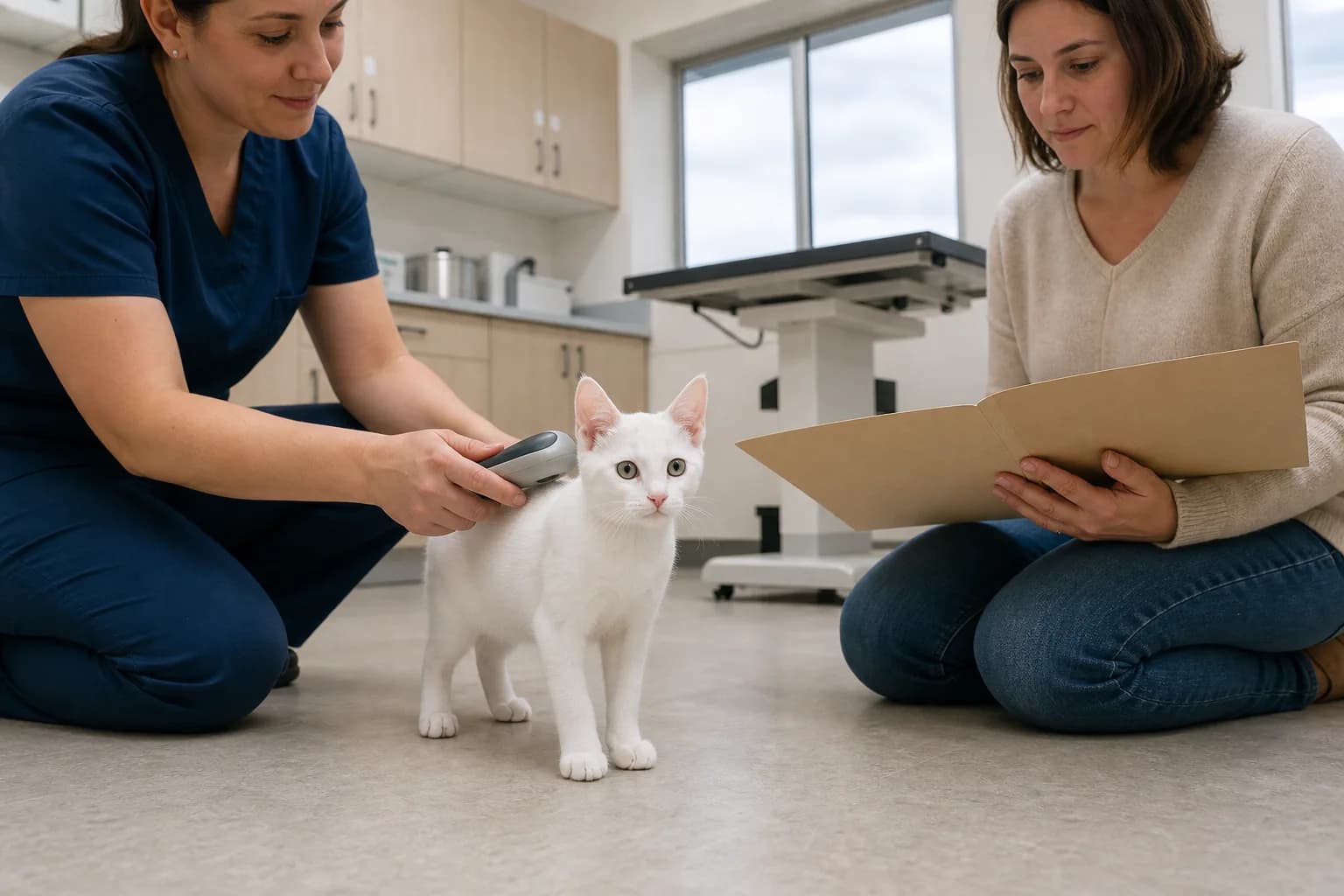
Write down questions before the visit. Ask what normal eating, stool, sleep, play, and adjustment should look like in the first week, and which changes warrant a call. If the veterinarian finds a problem covered by the contract, follow the notification process promptly and keep clinical documentation.
The first appointment is also a good time to discuss insurance before new findings create exclusions, or to confirm the size of an emergency reserve if you self-fund. Neither approach makes care free, so understand deductibles, reimbursement, waiting periods, and how payment works at your chosen clinic.
Breed fit before you buy
Khao Manees are commonly described as active, curious, intelligent, affectionate, and communicative. They need daily interactive play, safe climbing opportunities, and social contact. The short coat is easy to brush, but the breed is not “low maintenance” if that phrase means little attention.
Read Petful’s Khao Manee breed and care profile before joining a waiting list. Decide whether the household can support play, indoor safety, routine veterinary care, travel arrangements, and a cat that wants to participate in daily life.
Do not buy because a kitten has odd eyes or is described as rare. Eye presentation does not determine temperament or justify weaker health standards. Meet the individual kitten, ask how it handles people and ordinary changes, and choose fit over a collectible trait.
Confirming breed identity
Pedigree and registration records are the strongest evidence that a kitten is a Khao Manee. White fur, vivid eyes, a kitten head spot, a social personality, or a seller’s app screenshot cannot establish ancestry. Review Petful’s Khao Manee vs. white cat comparison if the seller’s breed claim depends mainly on looks.
Price is not evidence. A scammer can copy a high range to make a listing look plausible, while an unethical seller can attach a rare-breed label to an ordinary white kitten. Verify the source and records independently.
What a price quote can and cannot prove
A common question is, “How much is a Khao Manee cat worth?” A quote can show what one seller asks and what is included, but it cannot establish a universal value, pedigree, health status, or ethical quality. When itemized, it can help you compare travel, registration, veterinary care, contract support, and payment timing.
A quote cannot prove that the kitten exists, that the seller owns it, that the pedigree is genuine, that the kitten has normal hearing, or that breeding practices protect welfare. Those questions need identity checks, live contact, records, test results, and a written agreement.
The best value is not automatically the lowest quote. It is the transparent placement whose cat fits your home, whose claims can be verified, and whose total budget leaves enough room for excellent lifelong care.
Khao Manee price FAQs
Frequently Asked Questions
The breeder pool outside Thailand is small, responsible litters take time, and a buyer may face a waiting list or travel. Ethical breeding also includes social rearing, veterinary care, registry work, records, and post-placement support. Those factors can raise a quote, but scarcity does not prove quality. Verify the documented pedigree, kitten, health records, contract, and breeder identity before treating any high price as justified.
Current secondary guides commonly publish a broad $7,000 to $11,000 breeder-kitten bracket, but there is no audited US transaction database establishing one universal value. Ask for an itemized quote and compare what it includes: pedigree and registration, veterinary and hearing records, microchip, contract terms, travel, and support. A cat’s welfare and fit are not measured by resale value, and price alone cannot prove ancestry.
An itemized quote should identify the kitten and seller, show the total price, deposit, balance, and refund terms, and list what the buyer receives. Look for registration status, pedigree or transfer paperwork, veterinary and vaccination records, hearing information, microchip details, spay or neuter terms, pickup or travel costs, and post-placement support. Compare sellers across the same categories. A large number with vague promises is less useful than a transparent quote tied to a written contract.
Start with recognized registries and breed clubs, then verify each breeder independently because a directory is not a warranty. Confirm that contact details match an established cattery history, meet in person or use a live video visit, and ask to see how the kittens are raised. Request pedigree, veterinary, hearing, and contract records before payment. A responsible source should answer detailed questions, ask about your home, and avoid pressure based on rarity or an artificial deadline.
Verify the seller’s identity, the specific kitten through a live visit or video call, the pedigree pathway, health records, and every contract term before sending a deposit. The agreement should state whether the deposit is refundable or transferable, when the balance is due, and what happens if the kitten or placement changes. Make sure the payee matches the contract and use a payment method with dispute rights when possible. Gift cards, cryptocurrency, wire pressure, and surprise transport fees are red flags.