
The smartest dog breeds are the ones that learn a new command in just a handful of repetitions, remember it for years, and figure out how to use it in situations you never trained for. That definition comes from canine psychologist Dr. Stanley Coren, whose 1994 book “The Intelligence of Dogs” surveyed nearly 200 obedience judges and produced the working-and-obedience ranking that still anchors almost every list you will read today, including this one.
Coren’s method matters because it makes intelligence measurable instead of a matter of opinion. He asked judges how many repetitions each breed needed to learn a fresh command, and how reliably each breed obeyed a known command on the first try. The dogs at the very top learned in fewer than five repetitions and obeyed 95 percent of the time or better. That is the yardstick behind this ranking. Below you will find the top 20 breeds, why each one earns its spot, and how to keep a brilliant dog from turning that brainpower against your furniture.
- 1The Border Collie is the single smartest dog breed, learning new commands in under five repetitions and obeying 95 percent of the time.
- 2Dr. Stanley Coren’s obedience-and-working-intelligence ranking is the science behind almost every “smartest dogs” list, and it measures how fast a dog learns plus how reliably it obeys.
- 3A smart dog is not automatically an easy dog: high intelligence usually means high mental-exercise needs, and a bored genius is the one that opens cabinets and escapes the yard.
How Canine Intelligence Is Measured
There is no single dog IQ test, so researchers break intelligence into three kinds. Coren called them instinctive intelligence (the job a breed was bred to do, like herding or retrieving), adaptive intelligence (what a dog figures out for itself, like solving a puzzle or learning where treats are hidden), and working-and-obedience intelligence (how fast a dog learns from a human and how reliably it obeys). The famous rankings measure that third type because it is the easiest to standardize across thousands of dogs.
That focus is also why the list skews toward herding and working breeds. A Border Collie or a German Shepherd was bred for generations to take direction from a person at a distance, so following human cues is practically hardwired. It does not mean a scent hound or a sighthound is dim. A Bloodhound can follow a four-day-old trail across a river, which is a staggering feat of problem-solving. It simply scores lower on the human-obedience axis the rankings reward, because it was bred to work its nose independently rather than wait for your next command.

Petful may earn a commission when you click through to Chewy, at no extra cost to you.
Smart does not mean obedient
- A breed can be brilliant at its original job and still rank low on obedience tests. Independent thinkers like hounds and terriers were bred to make their own decisions in the field. Low obedience scores measure willingness to defer to a human, not raw brainpower.
The 20 Smartest Dog Breeds, Ranked
This ranking follows Coren’s top tier of “brightest dogs,” the breeds that learn a new command in fewer than five repetitions and obey the first cue at least 95 percent of the time. Each entry explains the working history that built the brain and what living with that intelligence actually feels like.
1. Border Collie
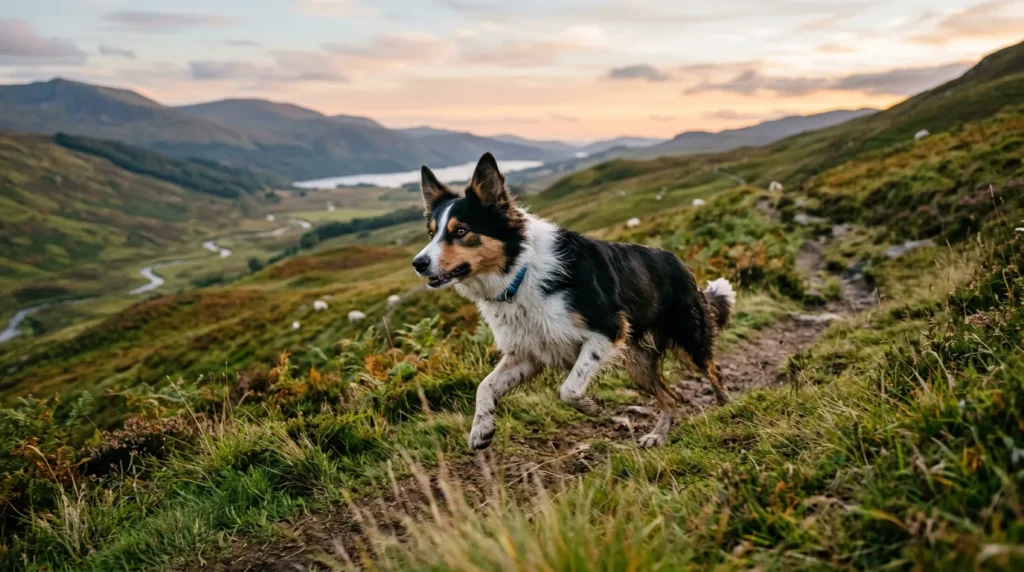
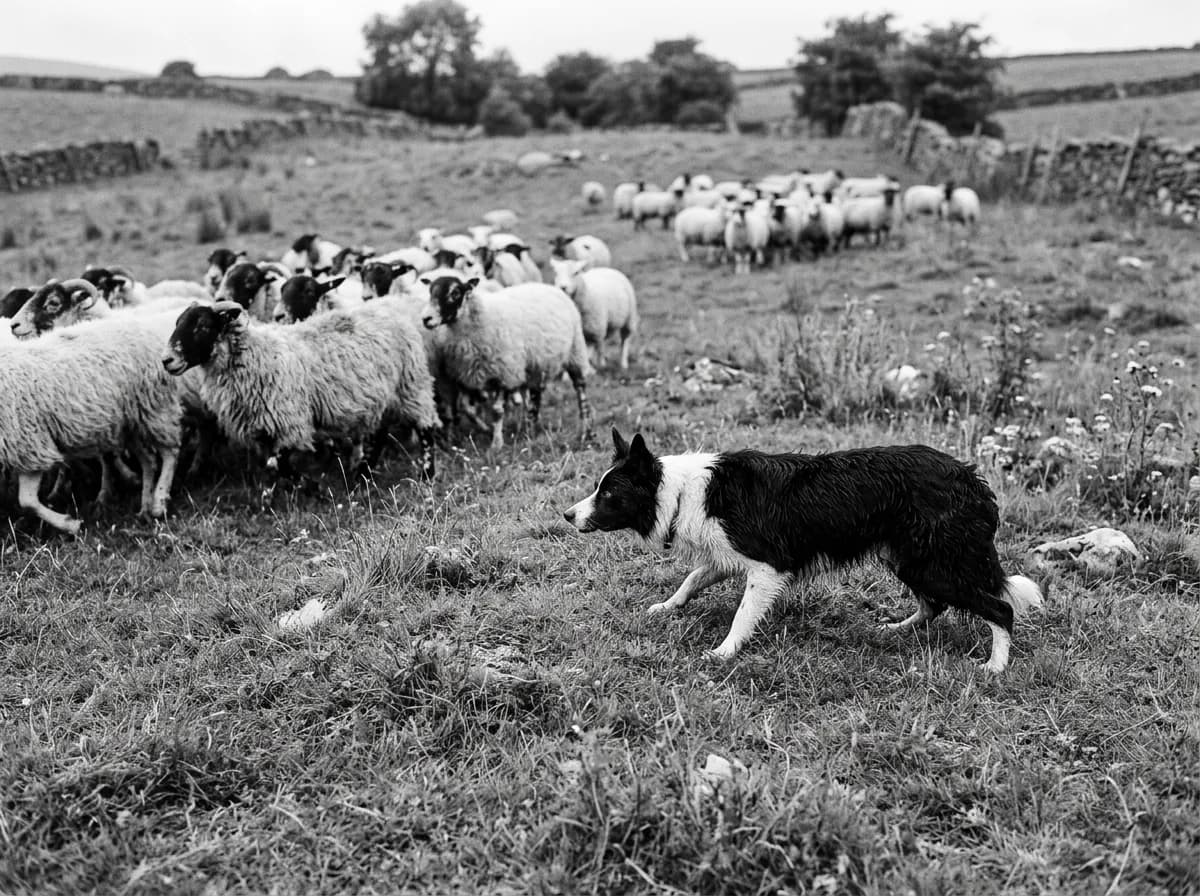
The Border Collie is the undisputed smartest dog breed. Bred on the Scottish and English border to gather and move sheep across huge distances using nothing but eye contact and subtle handler signals, this breed reads intention almost before you finish giving it. One famous Border Collie named Chaser learned the names of more than 1,000 individual objects and could retrieve any of them on command, a record documented by researchers at Wofford College. That same relentless mind needs a job. A Border Collie without daily physical and mental work will invent one, usually involving your baseboards. If you want to go deeper on the breed, our Border Collie puppies breed profile covers temperament and care in detail.
2. Poodle
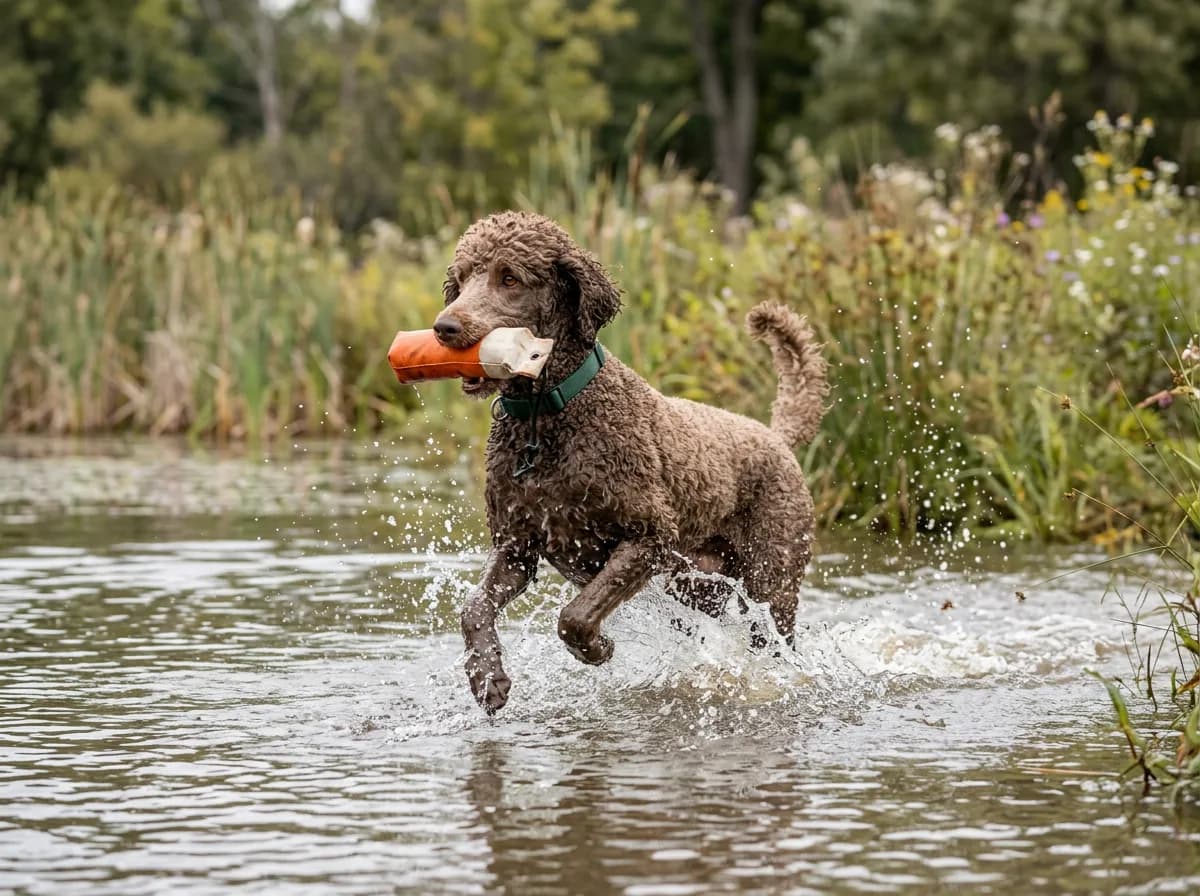
Behind the show-ring hairdo sits one of the most capable working brains in dogdom. The Poodle was originally a German water retriever (the name comes from “pudel,” to splash), and all three sizes (Standard, Miniature, and Toy) share the same sharp, eager-to-learn temperament. Poodles pick up complex multi-step tasks quickly, which is why they are a fixture in circus acts, service work, and dog sports. Our Poodle puppies breed profile walks through what to expect from a young one.
3. German Shepherd Dog
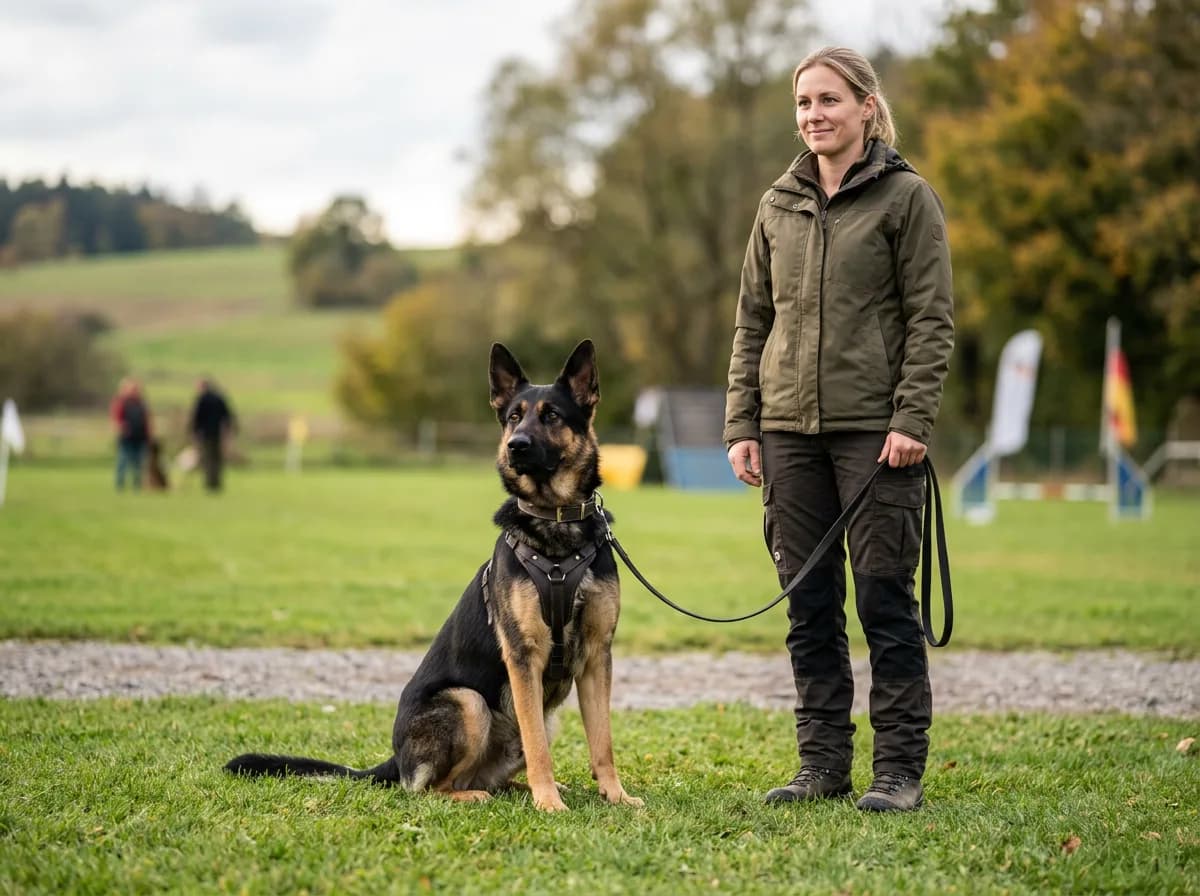
The German Shepherd is the world’s default working dog for a reason. Developed in the late 1800s to herd and guard flocks, the breed combines a quick mind with a deep drive to work alongside people, which is exactly the profile police, military, and search-and-rescue units need. Shepherds learn layered tasks (find, indicate, hold, release) and execute them under pressure. That capability comes with a caveat: a German Shepherd needs a confident owner and a real job, or the intelligence curdles into anxiety and over-guarding. See our German Shepherd puppies breed profile for the full picture.
4. Golden Retriever
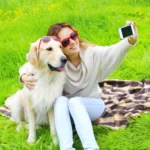
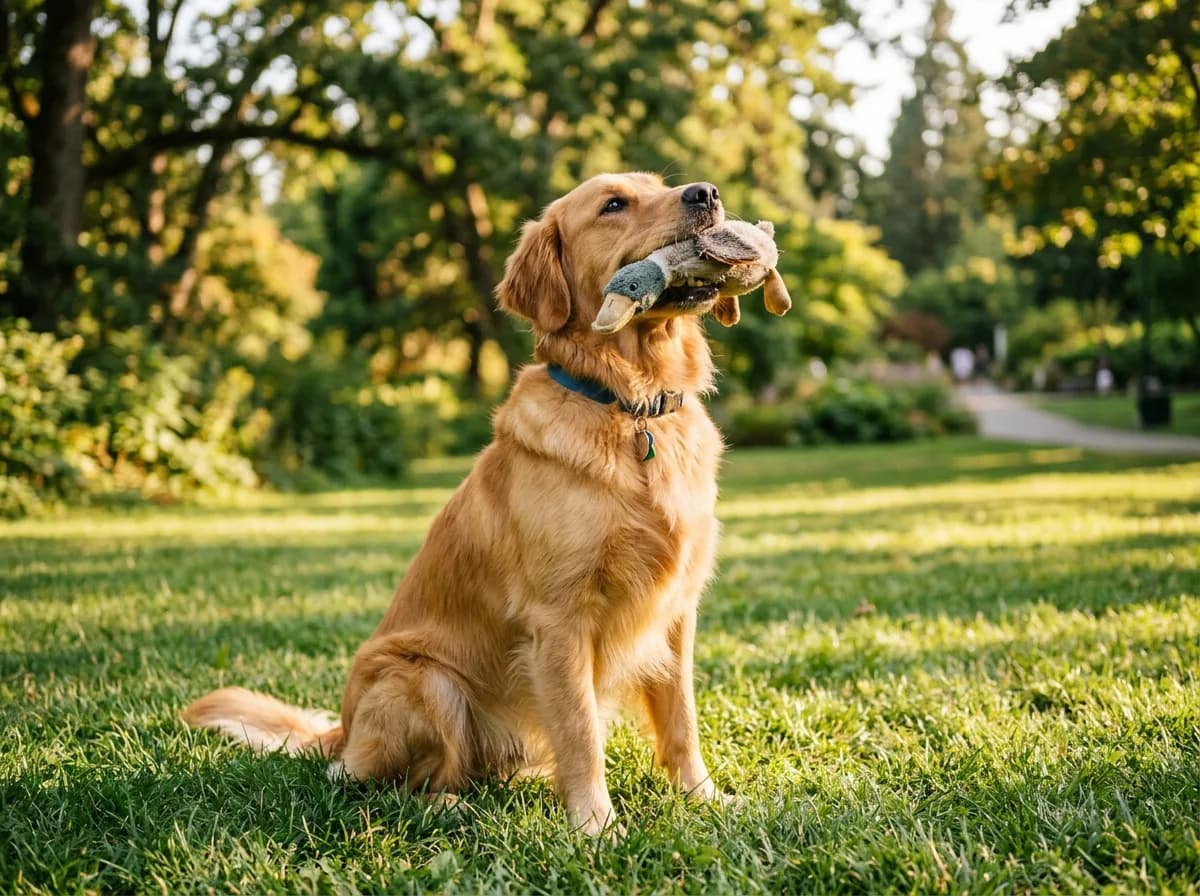
Goldens combine strong working intelligence with an off-the-charts desire to please, and that second trait is what makes them so trainable. Bred in the Scottish Highlands to retrieve waterfowl and deliver it gently to hand, the breed is wired to cooperate with humans. That is why Golden Retrievers dominate the ranks of guide dogs, therapy dogs, and obedience competitors. They are soft dogs, though: they train best with praise and rewards, not corrections. Our Golden Retriever puppies breed profile has more.

Petful may earn a commission when you click through to Chewy, at no extra cost to you.
5. Doberman Pinscher
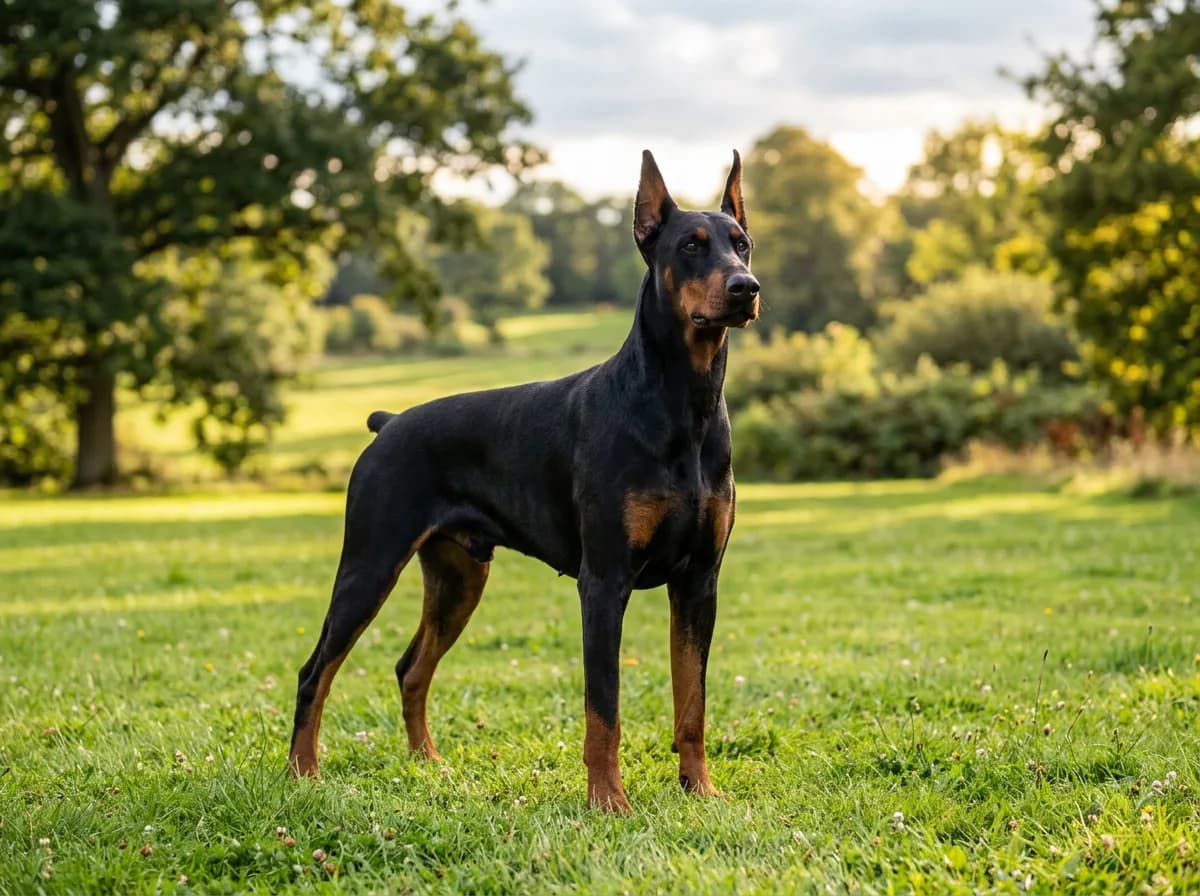
Created in 1890s Germany by a tax collector who wanted a smart, loyal protection dog, the Doberman is fearless, fast to learn, and deeply attuned to its handler. Modern Dobermans channel that intelligence into obedience, agility, and personal-protection sports. They form intense bonds and want to be near their people, so they do poorly as backyard-only dogs. Give a Doberman structure and inclusion and you get one of the most responsive companions in the top tier.
6. Shetland Sheepdog
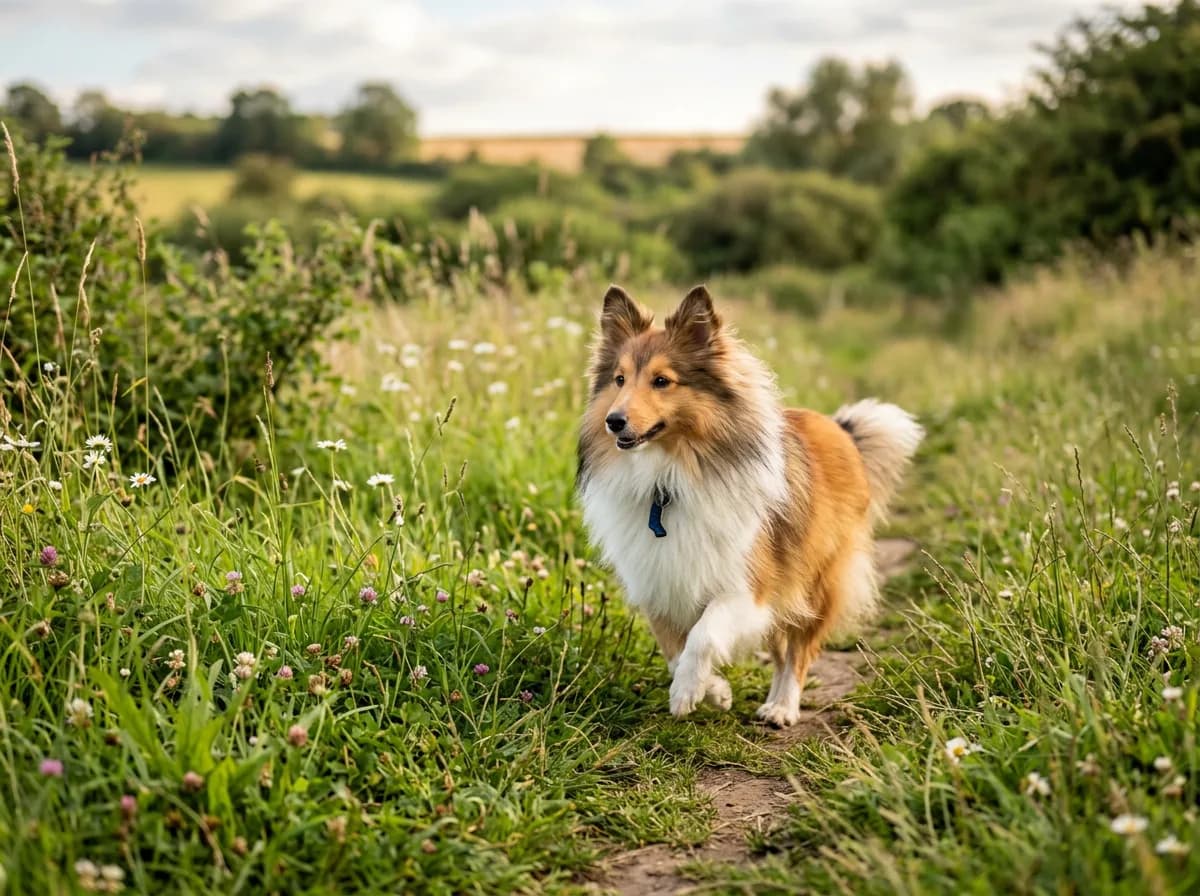
The Sheltie looks like a miniature Collie and thinks like one too. Bred on Scotland’s rugged Shetland Islands to herd sheep and ponies, this breed is a quick study that thrives in obedience, agility, and herding trials. Shelties are sensitive and vocal, alert to every change in the household, and they bond hard with their families. Their smarts make them easy to train but also quick to pick up bad habits if left bored.
7. Labrador Retriever
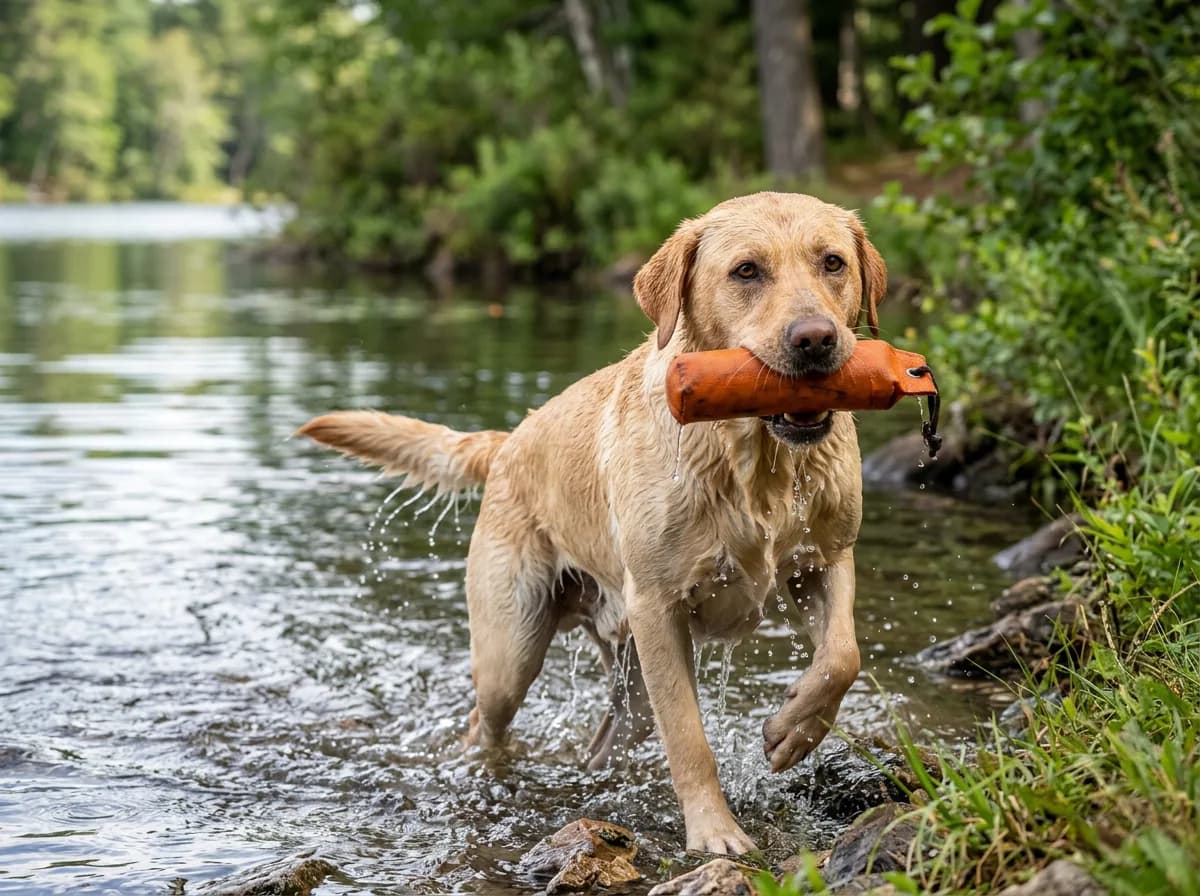
America’s most popular dog is also one of its smartest workers. The Lab’s intelligence is built around cooperation and food motivation, a combination that makes training almost frictionless. Originally bred in Newfoundland to haul nets and retrieve fish for fishermen, Labs became the gold standard for guide work, detection, and field trials. That biddable, chow-hound brain is a gift for training and a hazard at the pantry. Our Labrador Retriever puppies breed profile covers the details.
8. Papillon
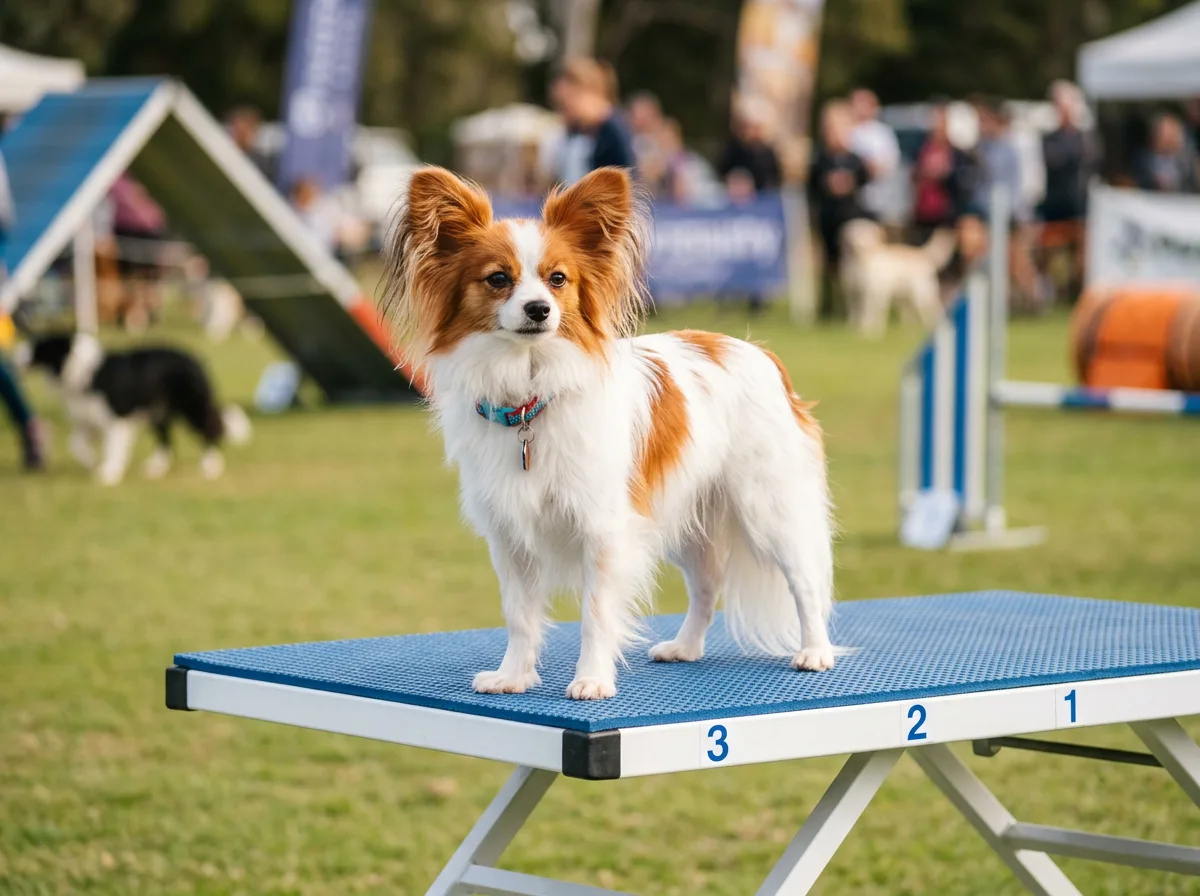
Do not let the size fool you. The Papillon is the brightest of the toy breeds and routinely out-competes far larger dogs in agility and obedience rings. This little spaniel-descended companion is bold, curious, and endlessly trainable, packing top-tier working intelligence into a five-pound frame. Papillons are proof that brainpower has nothing to do with body size.
9. Rottweiler
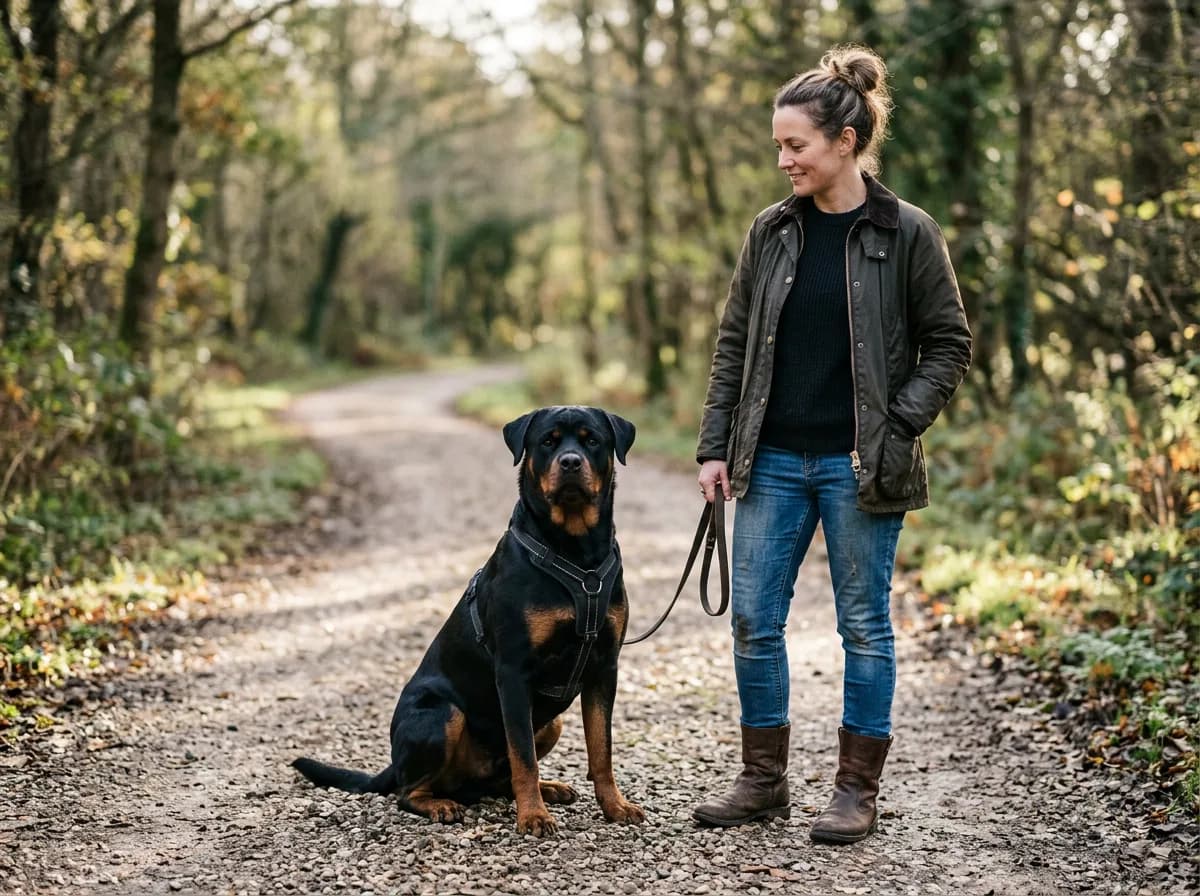
Descended from Roman cattle-driving dogs, the Rottweiler is a confident, level-headed thinker that excels when given a clear job. Rotties learn quickly and work with a calm intensity that suits herding, carting, protection, and obedience. Their intelligence pairs with a strong will, so early, consistent training is non-negotiable. A well-raised Rottweiler is a thoughtful, steady partner rather than the caricature its reputation suggests.
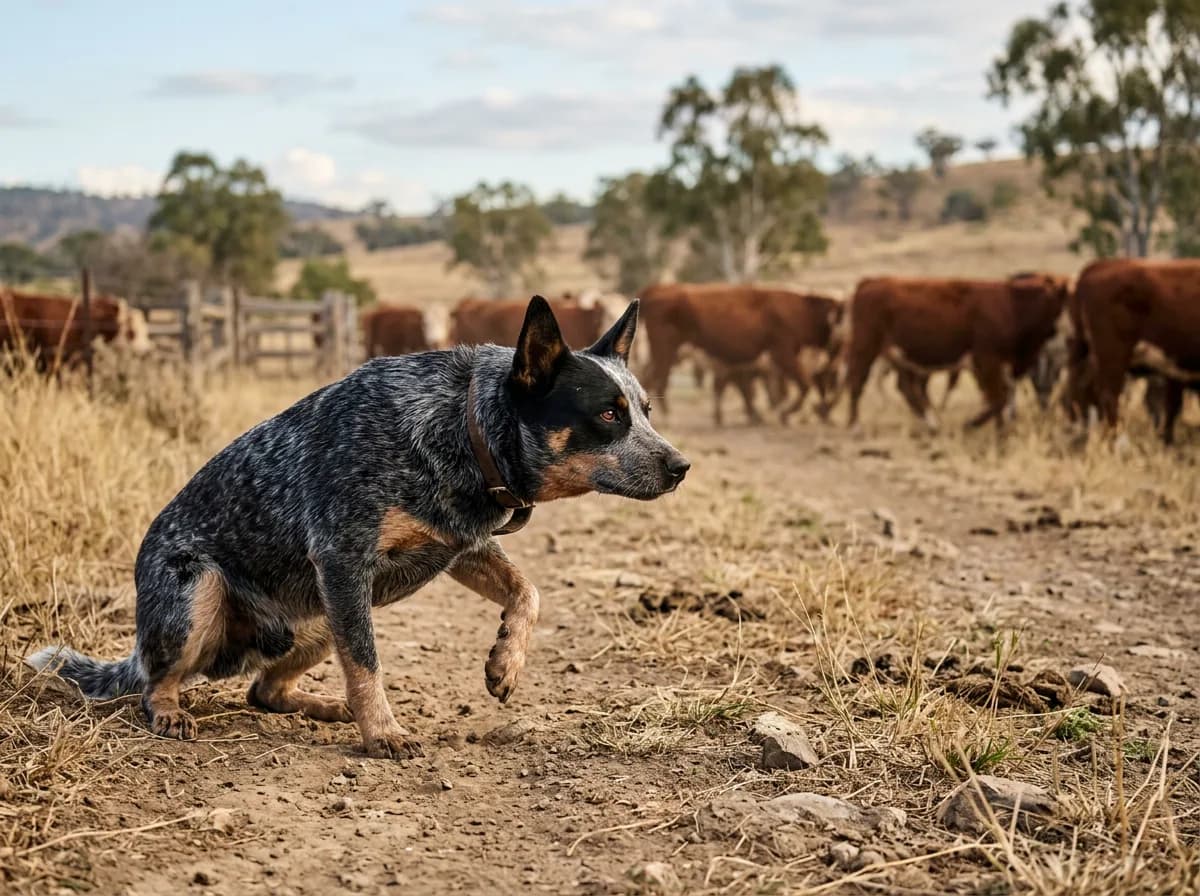
10. Australian Cattle Dog
The Australian Cattle Dog (also called the Blue Heeler) was bred to move stubborn cattle across the Australian outback, a job that demands independent problem-solving and tireless drive. These dogs are shrewd, resourceful, and famously escape-artist clever. They need serious daily exercise and a puzzle to solve, or they will herd your kids, your other pets, and your ankles. This is a working brain that never truly clocks off.
Petful may earn a commission when you click through to Chewy, at no extra cost to you.
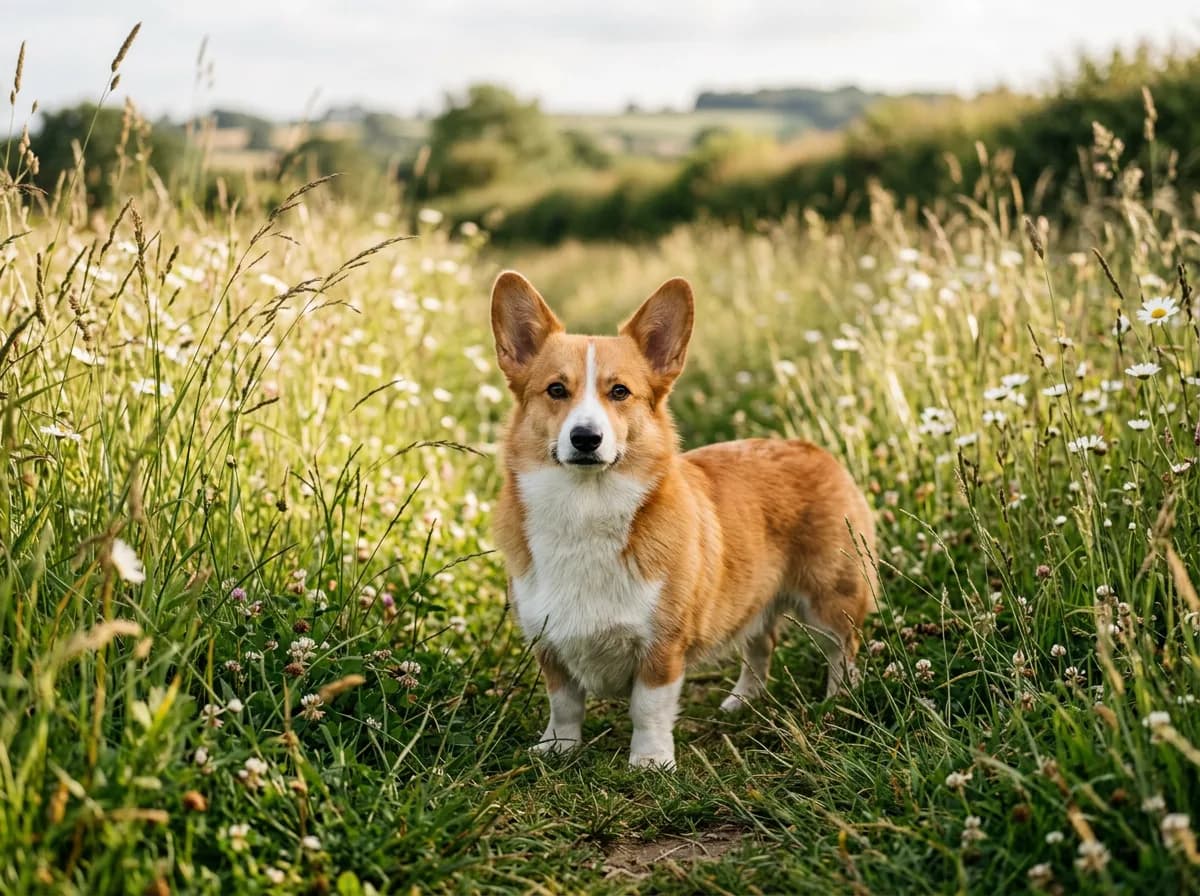
11. Pembroke Welsh Corgi
Under the stubby legs and big ears is a genuine herding intellect. Pembrokes drove cattle by nipping at heels, a task that rewards quick thinking and nerve, and that sharpness carries into training today. Corgis learn fast, respond well to reward-based work, and have a mischievous streak that keeps owners on their toes. They are big dogs in small packages, mentally speaking.
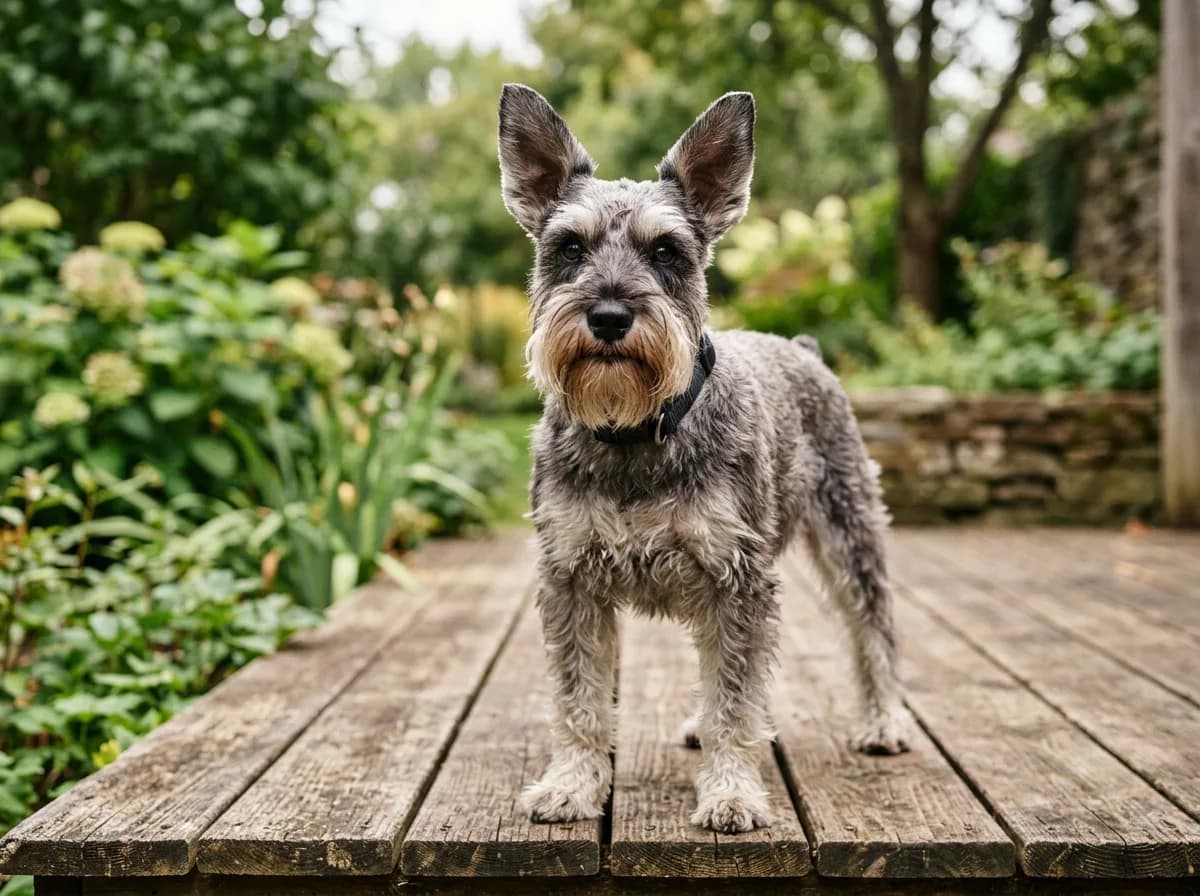
12. Miniature Schnauzer
Bred on German farms to hunt rats and guard property, the Miniature Schnauzer is alert, spirited, and quick to learn. This terrier-group breed loves having a task and takes readily to obedience and trick training. Their watchdog instincts mean they will announce every visitor, but that same attentiveness makes them highly responsive students who thrive on engagement.
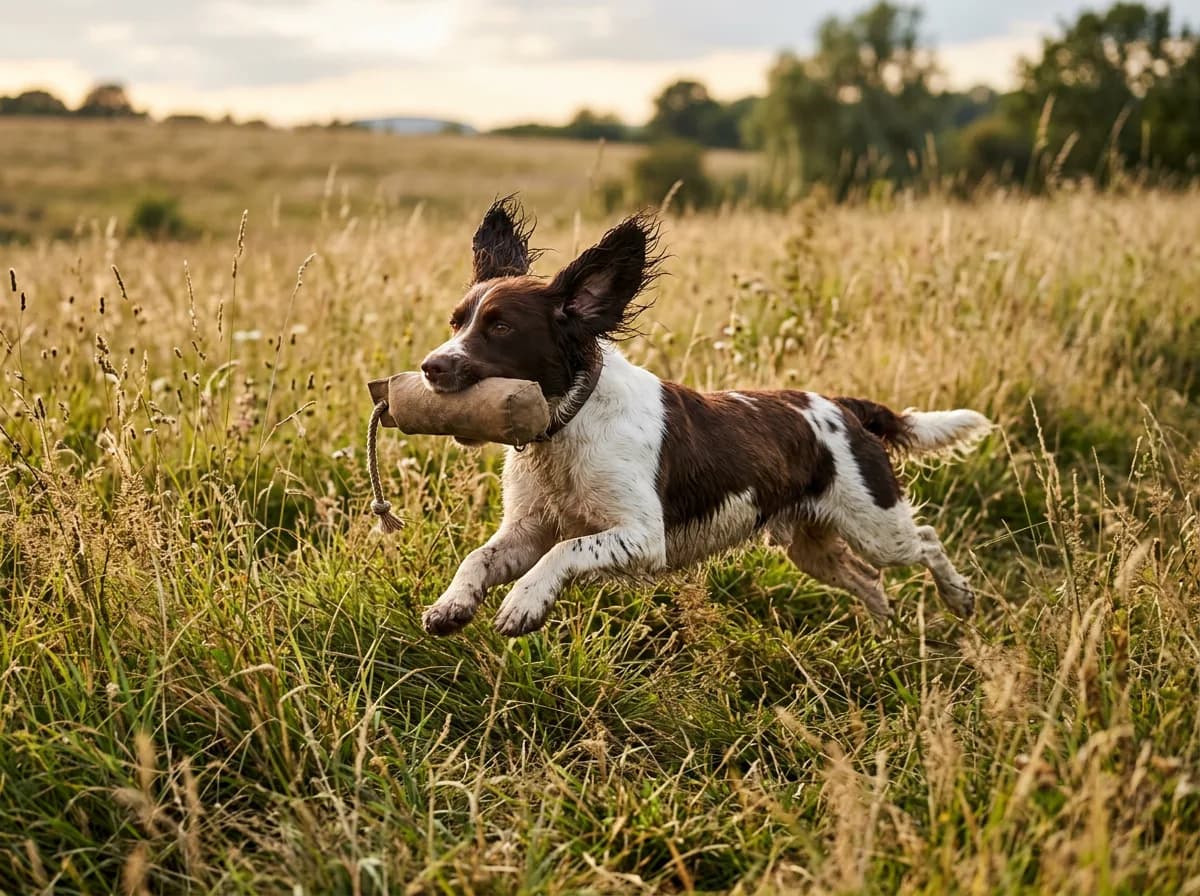
13. English Springer Spaniel
The Springer is a tireless gundog bred to flush and retrieve, work that requires reading a handler across open ground. That cooperative field intelligence translates into an eager, trainable companion at home. Springers are people-focused and thrive on partnership, excelling in obedience, agility, and scent work. Give this breed a job and a family to be part of and it flourishes.
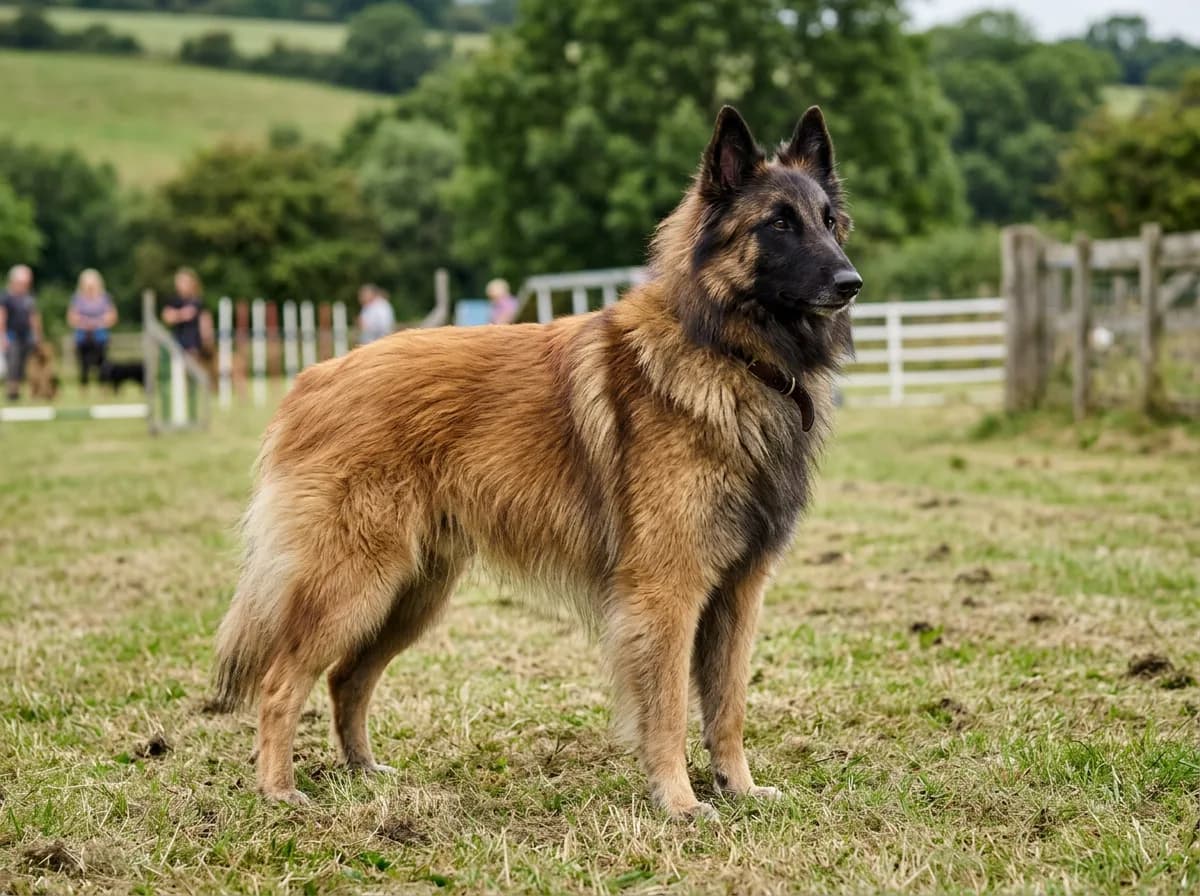
14. Belgian Tervuren
One of four Belgian herding breeds, the Tervuren is intense, agile, and deeply intelligent. Bred to herd and guard, it brings a serious work ethic to obedience, agility, tracking, and protection sports. Tervurens are sensitive and handler-focused, forming tight bonds and needing plenty of mental engagement. In the right active home, this is a spectacularly capable partner.
15. Schipperke
The Schipperke is a tiny Belgian barge dog with an outsized brain and a personality to match. Bred to guard boats and hunt vermin, this curious, confident little dog is quick to learn and quicker to find trouble. Schipperkes are agile, energetic, and endlessly inquisitive, which makes them fun to train and a handful to contain. Nickname well earned: “little captain.”
16. Belgian Sheepdog
The black-coated Groenendael, known in the United States as the Belgian Sheepdog, is an elegant, high-drive herder with a keen mind. Bred to manage flocks and later used as a wartime messenger and sentry dog, it excels at tasks requiring focus and stamina. These dogs are affectionate with their families and demanding of activity, rewarding owners who commit to consistent training and daily work.
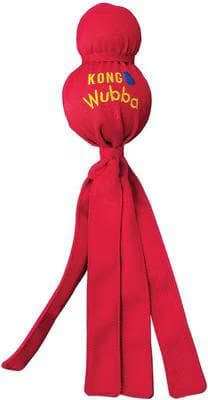
The KONG Wubba is the fetch + tug hybrid that channels Belgian Malinois prey drive into productive play. Long tails make it easy to throw far and grab during tug. The squeaker inside triggers the chase instinct that this breed needs to exercise daily. Pairs naturally with flirt-pole work and structured fetch sessions.
Petful may earn a commission when you click through to Chewy, at no extra cost to you.
17. Collie
Made famous by Lassie, the Collie is a graceful herding breed with a gentle, intuitive intelligence. Collies read human emotion well and respond to soft, reward-based training, which is why they earned a reputation as devoted family dogs. Bred to work sheep in the Scottish Highlands, they combine trainability with a notably sweet, sensitive temperament.
18. Keeshond
The Keeshond, a Dutch barge dog with a signature “spectacles” pattern around the eyes, is a bright, people-oriented companion. Historically a watchdog on riverboats, this breed is quick to learn and eager to be involved in family life. Keeshonden excel at agility and obedience and are notably attuned to their owners’ moods, making them responsive and affectionate students.
19. German Shorthaired Pointer
The GSP is a versatile hunting dog bred to point, retrieve, and track on land and water, a job that demands intelligence, drive, and close cooperation with a handler. That all-around ability makes the breed a quick, willing learner in almost any dog sport. GSPs are high-energy athletes who need substantial exercise, and a well-worked one channels its considerable brainpower into being a devoted, biddable partner.
20. Flat-Coated Retriever
Rounding out the top tier is the perpetually youthful Flat-Coated Retriever, an upbeat gundog bred to retrieve on land and water. Known as the “Peter Pan” of dogs for its lasting puppyish enthusiasm, this breed pairs strong working intelligence with an eager-to-please attitude. Flat-Coats thrive on interactive training and outdoor work, staying engaged and happy when their minds and bodies stay busy.
Petful may earn a commission when you click through to Chewy, at no extra cost to you.
Coren’s Top Tier at a Glance
| Rank | Breed | Original Job |
|---|---|---|
| 1 | Border Collie | Herding sheep at a distance |
| 2 | Poodle | Water retrieving |
| 3 | German Shepherd Dog | Herding and guarding |
| 4 | Golden Retriever | Retrieving waterfowl |
| 5 | Doberman Pinscher | Personal protection |
| 6 | Shetland Sheepdog | Herding sheep and ponies |
| 7 | Labrador Retriever | Hauling nets, retrieving fish |
| 8 | Papillon | Companion and ratter |
| 9 | Rottweiler | Driving cattle |
| 10 | Australian Cattle Dog | Driving cattle in the outback |
What “Dumbest” Really Means (and Why It’s Misleading)
Every smartest-dogs list has a mirror-image sibling: the “dumbest dog breeds” ranking. It is worth understanding what those lists actually measure before you judge any dog by them. Breeds that land at the bottom of Coren’s obedience scale (Afghan Hounds, Basenjis, Bulldogs, Chow Chows, Bloodhounds, and Beagles among them) are not stupid. They are independent. Most were bred to hunt, guard, or trail on their own initiative, making decisions without waiting for a human to weigh in.
An Afghan Hound was bred to chase game across mountains at speed, thinking for itself the entire time. A Bloodhound can solve a scent puzzle no human or machine can match. A Basenji is famously cat-like in its self-direction. When these breeds ignore a “sit” command, they are not failing an intelligence test; they are exercising exactly the independent judgment they were bred for. Low obedience ranking measures willingness to take orders, not cognitive horsepower. So before you write off a so-called “dumb” breed, remember the scale is stacked toward dogs that live to follow human cues.
Judge the dog, not the ranking
- Obedience rankings reward biddability, not creativity. An independent breed that solves problems on its own is intelligent in a way these lists cannot easily score. Match the breed to your lifestyle rather than chasing a top-10 slot.
Living With a Genius: Mental Exercise Is Not Optional
Here is the part every smartest-dogs list buries: a brilliant dog is a demanding dog. The same brain that learns 1,000 words also learns how to open the trash, unlatch the gate, and steal food off the counter when it is under-stimulated. Owners of Border Collies, Australian Cattle Dogs, and German Shepherds routinely report destructive behavior that traces back to a single cause: not enough mental work.
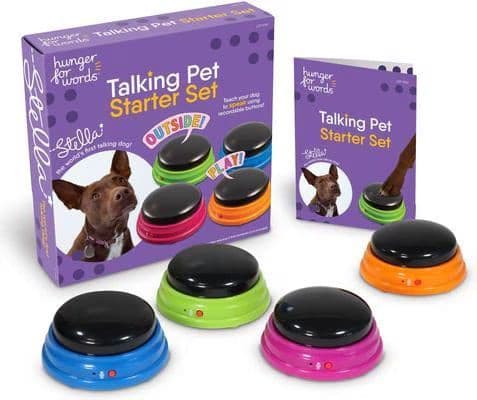
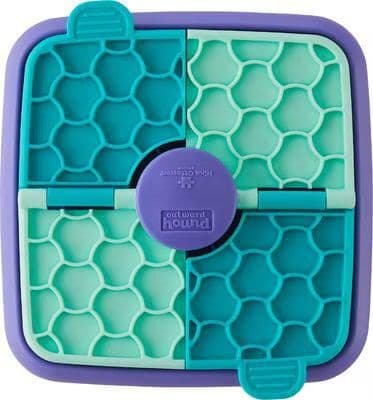
Physical exercise alone will not fix it. A smart dog needs its mind engaged. Rotate puzzle feeders and food-dispensing toys, teach new tricks in short daily sessions, use scent games where the dog has to find hidden treats, and consider a dog sport like agility, rally, or nose work. Ten to fifteen minutes of real problem-solving can tire a clever dog more than an hour of fetch. Structure and jobs, not just walks, are what keep a genius dog happy and your home intact.
- Puzzle feeders and treat-dispensing toys turn mealtime into a problem to solve.
- Short daily training sessions (5-10 minutes) teaching new commands keep the mind sharp.
- Scent and “find it” games tap into natural problem-solving instincts.
- Dog sports (agility, rally, herding, nose work) give working breeds a real outlet.
- Rotating toys and novelty prevent the boredom that fuels destructive behavior.
Are Smart Dogs Easier to Train?
Yes and no. Intelligent breeds learn commands fast, sometimes in a single session, which feels like effortless training. But intelligence cuts both ways. A quick-witted dog also learns unwanted behaviors just as fast, spots inconsistencies in your rules, and gets bored with repetitive drills. Many first-time owners find a Border Collie or a Malinois harder to live with than a mellower breed precisely because the smart dog is always one step ahead.
The breeds that are genuinely easiest for most families sit a notch below the top: Golden Retrievers and Labradors combine strong intelligence with a deep desire to please and a forgiving temperament, so they tolerate beginner mistakes. The very smartest breeds reward experienced, engaged owners and can overwhelm casual ones. If this is your first dog, choose a biddable breed over a brilliant one, or commit to the daily mental work a genius demands.
Choosing the Right Smart Breed for Your Home
The best breed for you is not automatically the highest-ranked one. Match the dog’s needs to your reality. Ask how many hours a day you can commit to exercise and training, how much space you have, whether you have the experience to stay one step ahead of a clever dog, and what job the breed will actually do in your life. A Border Collie in a small apartment with a nine-to-five owner is a recipe for a miserable dog and a wrecked home. That same dog on a farm or with an agility-obsessed handler is in heaven.
If you love the herding breeds but live an average suburban life, a Sheltie or a Corgi gives you the smarts in a more manageable package than a Border Collie or a Malinois. If you want brains plus an easygoing nature, the retrievers are hard to beat. Feed that active brain well too: our guides to the best dog food for German Shepherds and the best dog food for Golden Retrievers cover nutrition for two of the top-tier breeds.
Smart Breeds That Just Missed the Top 20
Coren did not stop at 20. His “excellent working dogs” tier stretches all the way to rank 26, and several breeds in it are every bit as trainable as the names above. If your favorite did not make the cut, there is a good chance it lands here.
- Belgian Malinois: A military and protection favorite that learns fast and works with ferocious drive, though that same intensity makes it a poor first dog for most families.
- Brittany: A compact, tireless pointing dog that reads a handler across open ground and takes happily to obedience, agility, and field work.
- Cocker Spaniel: The gentle, eager-to-please gundog behind the popular family pet, quick to learn when trained with rewards rather than corrections.
- Weimaraner: The versatile “gray ghost” hunter, sharp-minded and so attached to its people that it struggles when left alone too long.
- Vizsla: An affectionate Hungarian pointer that thrives on constant partnership and picks up new commands with almost no friction.
- Bernese Mountain Dog: A steady Swiss farm dog that learns willingly and shines in draft work, therapy visits, and family life.
- Pomeranian: Proof again that brains ignore body size, this bright, bold spitz learns tricks readily and loves an audience.
Are Mixed-Breed Dogs Smart?
Coren’s rankings only covered purebreds, so mixed-breed dogs never got a number. That is a gap in the data, not a verdict on their brains. A mutt inherits its intelligence from whatever breeds are in the mix, so a dog with herding or retriever ancestry often shows the same fast learning and willingness to work that those lines are famous for. The popular idea of “hybrid vigor” refers to a broader gene pool that can improve health, not to some automatic boost in cleverness. If you are adopting a mix and want a quick study, look at the likely working types in its background, then meet the individual dog. A curious, food-motivated, people-focused shelter dog will out-learn a distracted purebred any day of the week.
Why Two Dogs of the Same Breed Can Differ
A breed ranking describes an average, not a promise. Two Golden Retrievers from different litters can land at opposite ends of the trainability scale, and much of that comes down to breeding lines and early life. Working or field-bred lines are often selected for drive and focus, while show or conformation lines tend to be calmer and less intense, which changes how a dog engages with training. Early socialization matters just as much. Puppies exposed to new people, surfaces, sounds, and gentle problem-solving between roughly 3 and 16 weeks of age build the confidence and flexibility that let their inborn intelligence surface. A brilliant breed raised without stimulation can look dull, while a middling breed given rich early experience and consistent training can genuinely shine.
- 1A breed’s rank is a starting point, not a guarantee: individual genetics, breeding lines, and early socialization shape how smart any single dog turns out.
- 2Mixed-breed dogs were never ranked but inherit real trainability from their working ancestry, so judge the dog in front of you, not its pedigree.