Posted inExotic Pets
Embark vs Wisdom Panel: Which Dog DNA Test Wins?
Petful is reader supported. As an affiliate of platforms like Amazon and Chewy, we may earn a commission when you buy through links on this page. There is no extra…




If you have an indoor/outdoor cat, a barn cat, or even just a neighborhood kitty, you might be curious about what they’re doing after dark and while the world sleeps.
You may have visions of furry feline predators on the hunt for the perfect prey, under the light of the moon. You’d be half right if you’re talking about dusk to late-night, and also very early morning.
Cats hunt birds, insects, snakes, lizards, and rodents. These critters are most active at dusk and dawn. Even though cats hunt throughout the day, their hunting behavior is likely to peak when their prey is out doing their own hunting and gathering.
A cat who prefers birds may be more active in the early morning, whereas a mouse-hunting cat will be actively hunting at night.
Don’t think that, just because your cat is well fed inside, they won’t hunt when they’re outside. It’s not only about hunger for cats. Hunting is an instinctual need. It’s vital for survival, but also … they enjoy it, as the cats in Athens show us later in this article.





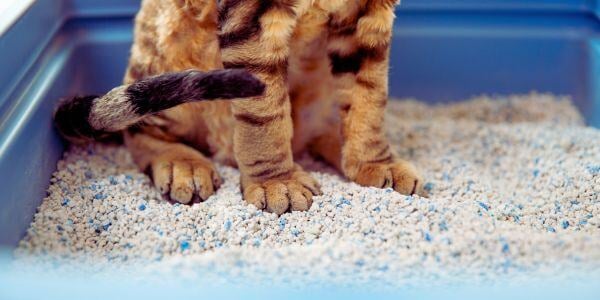 75 years ago, cat litter options were limited. There was only one brand of litter called Kitty Litter, which was made from a type of absorbent clay. Its main compound was calcium bentonite, which is also known as Fuller’s earth.
Back then, your choices were this: sawdust or sand. Nowadays, cat litter is a multi-billion-dollar industry.
There are a variety of materials and textures available, from clay to nut shells, shaved wood, silica, recycled newspaper, and more.
But just because litter is marketed for cats doesn’t mean it’s the best choice for your cat. It’s not just about preference. Some litters can be physically uncomfortable for your cat to use. They can even potentially be harmful to their health and yours.
I will say upfront that more research needs to be done on the various types of litter and how they affect our cats’ health. Unfortunately, the information available to consumers is often limited and conflicts depending on the source. It’s important for each of us to stay informed if and when new research comes out.
It’s also challenging because just about every type of litter has pros and cons. That’s why it’s helpful to study up. Everyone has a different situation, meaning there’s no “this is the only litter you’ll ever need” option. You’ll have to make some sacrifices in order to get some gains. Your priorities may be different than mine, and they may change throughout your cat’s life.
Let’s get the scoop on kitty litter!
