

What Does “Complete and Balanced” Mean?
The term “complete and balanced” signifies that a dog food product meets the nutritional requirements established by the Association of American Feed Control Officials (AAFCO). This means that the food contains all the essential nutrients necessary for a dog’s health, including proteins, fats, carbohydrates, vitamins, and minerals, in the correct proportions for balanced nutrition for dogs.
Essential Nutrients for Dogs
A well-balanced dog food should include the following essential nutrients:
- Proteins: Vital for muscle development, tissue repair, and overall growth. Proteins are made up of amino acids, some of which are essential and must be obtained through diet.
- Fats: A concentrated source of energy that also aids in the absorption of fat-soluble vitamins (A, D, E, and K). Essential fatty acids, such as omega-3 and omega-6, are crucial for skin and coat health.
- Carbohydrates: Provide energy and support digestive health. Fiber, a type of carbohydrate, is important for maintaining a healthy gut.
- Vitamins and Minerals: These micronutrients play various roles in bodily functions, including immune support, bone health, and metabolic processes.
AAFCO Nutritional Profiles
To be labeled as “complete and balanced,” dog food must adhere to AAFCO’s nutrient profiles, which are tailored for different life stages, such as growth, reproduction, and maintenance. These profiles ensure that the food provides the appropriate levels of nutrients for dogs at various stages of life.
Life Stages Matter: Puppy, Adult, and Senior
Dogs have different nutritional needs depending on their life stage. Knowing these differences is essential for providing the right diet and can help with understanding complete and balanced dog food.
Puppy Nutrition
Puppies require a diet rich in calories, protein, and fat to support their rapid growth and development. AAFCO recommends a minimum of 22.5% protein on a dry matter basis for growing puppies. Puppy food is formulated to provide the necessary nutrients for healthy bone and muscle development.
Adult Dog Nutrition
Adult dogs have different energy requirements compared to puppies. Their food should maintain a balance of nutrients to support overall health without leading to obesity. AAFCO suggests a minimum of 18% protein for adult maintenance diets. It’s essential to monitor portion sizes and adjust feeding amounts based on activity level to maintain a healthy weight.
Senior Dog Nutrition
As dogs age, their metabolism slows down, and their nutritional needs change to have a balanced dog diet. Senior dogs may benefit from diets lower in calories but higher in fiber to support digestion. Additionally, joint supplements and omega fatty acids can help maintain mobility and overall health. It’s crucial to consult with a veterinarian to determine the best balanced dog food diet approach for senior dogs.
All Life Stages Nutrition
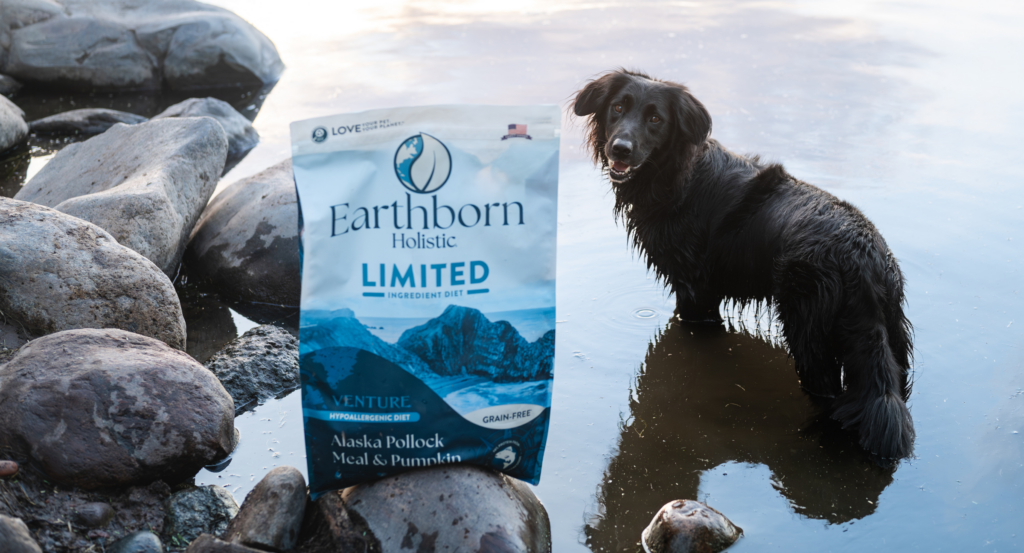
Whether you have a puppy and an adult or senior dog in the same household and would rather choose an all life stages dog food, Earthborn Holistic has great options for that as well. Try the Limited Ingredient Diet with protein options including the Pollock, Turkey, and Rabbit made for all life stages with added essential vitamins, amino acids, and probiotics that all work together to support optimal overall health.
The Role of Treats and Toppers
While treats and food toppers can enhance your dog’s diet, they should not replace a complete and balanced meal. Many treats lack the necessary nutrients to be considered a complete and balanced diet. Overindulging in treats can lead to an unbalanced diet and potential weight gain.
How to Choose Treats Wisely
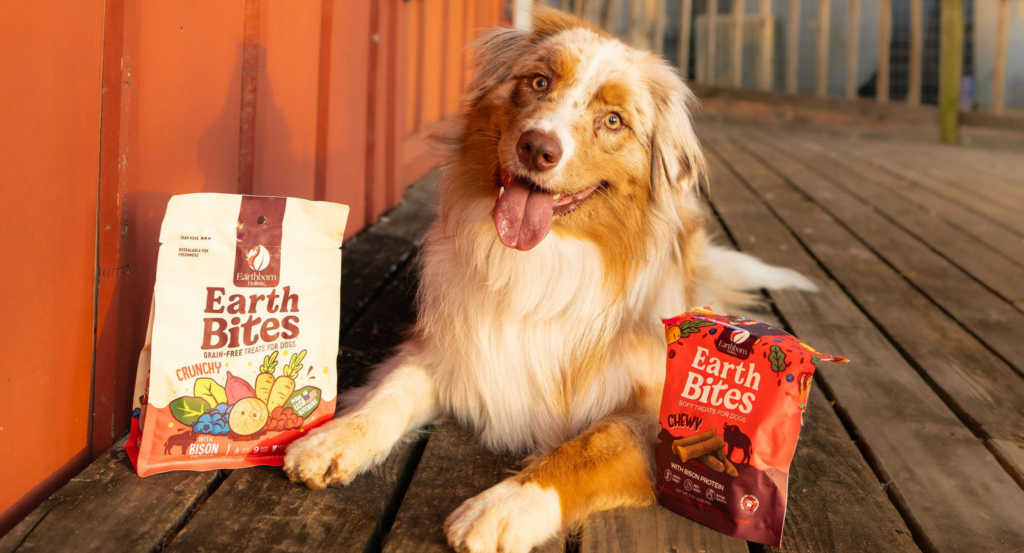
When selecting treats, look for options that are low in calories and made with high-quality ingredients. Treats like EarthBites Crunchy or EarthBites Chewy treats should complement your dog’s main diet rather than serve as a primary source of nutrition. Always consider the overall caloric intake to avoid exceeding daily energy needs.
Understanding Feeding Guidelines
Feeding guidelines on dog food labels provide a starting point for determining how much to feed your dog. However, these are general recommendations and may need to be adjusted based on your dog’s individual needs, activity level, and health status.
Monitoring Your Dog’s Weight
Regularly monitoring your dog’s weight is essential for maintaining a healthy body condition. If your dog is gaining or losing weight, it may be necessary to adjust portion sizes or switch to a different formula. Consult with your veterinarian for personalized feeding recommendations.
How to Confidently Choose Dog Food
Selecting the right dog food can be overwhelming, given the multitude of options available. Here are some tips to help you make an informed decision:
Read the Label
Look for a nutritional adequacy statement on the label, which indicates that the food meets AAFCO standards for complete and balanced nutrition. Additionally, check the ingredient list to ensure high-quality ingredients are used.
Consider Your Dog’s Specific Needs
Take into account your dog’s age, breed, size, and any specific health concerns. Some dogs may require specialized diets, such as those formulated for weight management, large breed or food sensitivities.

Consult with a Veterinarian
When in doubt, consult with your veterinarian or a veterinary nutritionist. They can provide tailored advice based on your dog’s unique needs and help you navigate the complexities of pet nutrition.
Conclusion
Understanding what “complete and balanced” dog food means is essential for ensuring your furry family member receives the nutrition they need to thrive. By considering life stages, monitoring weight, and making informed choices about treats and food, you can provide your dog with a well-rounded diet that supports their health and happiness. Remember, a little knowledge goes a long way in making thoughtful food choices for your beloved pet.

Madeline Sherwood
Maddy is a Marketing Coordinator at Midwestern Pet Foods in Evansville, IN. She is a wife and mom of a boy and a girl and has a German Shepherd, Mila, who all keep her very busy! Family life is so important as well as spending time with friends, but she also loves working out and participating in 5Ks, Half Marathons, and Obstacle Course Racing events. Life is very full at times but she wouldn’t have it any other way!