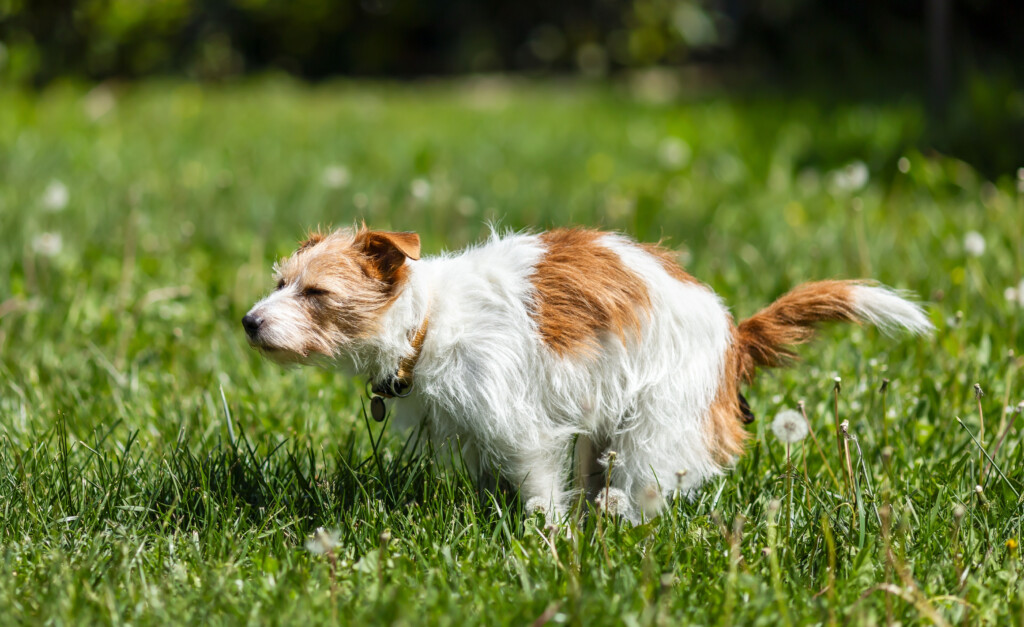

Understanding Diarrhea in Dogs
Diarrhea is characterized by loose or watery stools and can occur for various reasons. When traveling, dogs may experience changes in their environment, diet, and routine, all of which can contribute to gastrointestinal upset. It’s essential to recognize the signs of diarrhea and understand its potential causes to address the issue effectively.
Common Causes of Diarrhea While Traveling
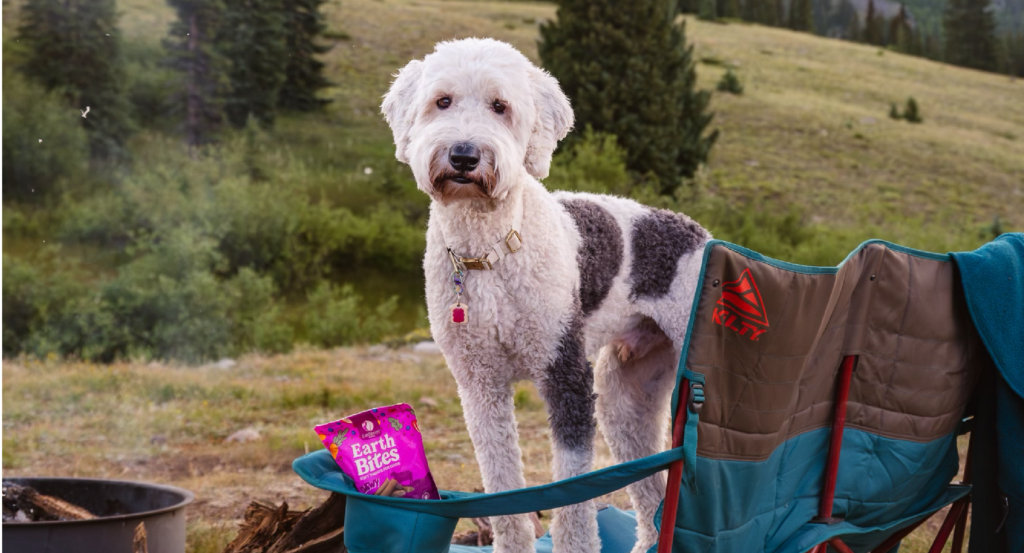
- Dietary Changes
When you travel, your dog may be exposed to new foods or treats that their digestive system isn’t accustomed to. Sudden changes in diet can lead to gastrointestinal disturbances, resulting in diarrhea. It’s crucial to maintain consistency in your dog’s diet, even when on the road. - Stress and Anxiety
Traveling can be stressful for dogs, especially if they are in unfamiliar surroundings or confined to a vehicle for extended periods. Stress can trigger digestive issues, including diarrhea. Recognizing signs of anxiety in your dog can help you take steps to alleviate their stress during travel. - Motion Sickness
Just like humans, dogs can experience motion sickness, which can lead to nausea and diarrhea. Puppies and younger dogs are particularly susceptible to this condition. If your dog shows signs of distress while traveling, it may be due to motion sickness. - Exposure to New Environments
Traveling exposes dogs to new environments, including different bacteria and parasites. This exposure can lead to infections or gastrointestinal upset, resulting in diarrhea. It’s essential to monitor your dog closely when they encounter new places and other animals. - Ingestion of Foreign Objects
Dogs are naturally curious and may ingest foreign objects while exploring new environments. This can lead to blockages or irritation in the gastrointestinal tract, causing diarrhea. Keeping a close eye on your dog during travel can help prevent this issue.
Recognizing Symptoms of Diarrhea
As a responsible pet parent, it’s vital to recognize the signs of diarrhea in your dog. Common symptoms include:
- Frequent Loose Stools: If your dog is having multiple episodes of diarrhea, it’s essential to take note.
- Vomiting: If diarrhea is accompanied by vomiting, it may indicate a more serious issue.
- Lethargy: A lack of energy or enthusiasm can be a sign that your dog is not feeling well.
- Loss of Appetite: If your dog refuses to eat or drink, it may be time to consult a veterinarian.
- Dehydration: Signs of dehydration include dry gums, sunken eyes, and excessive thirst.
If your dog exhibits any of these symptoms, especially if diarrhea persists for more than 24 hours, it’s crucial to seek veterinary care.
Managing Diarrhea While Traveling
If your dog experiences diarrhea during travel, there are several steps you can take to manage the situation effectively:
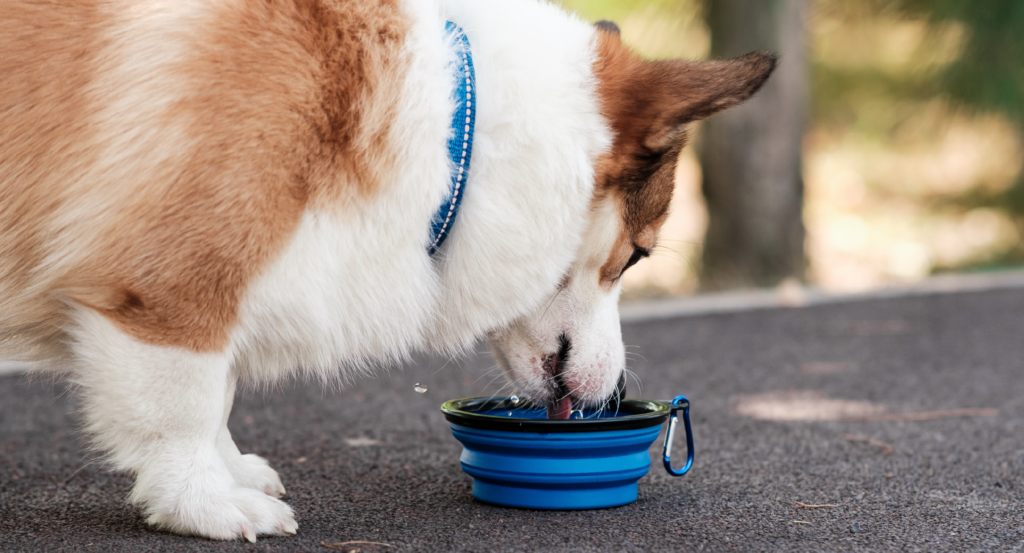
1. Maintain Hydration
Ensure your dog has access to fresh water at all times. Dehydration can quickly become a concern with diarrhea, so encourage your dog to drink small amounts frequently. If your dog is reluctant to drink, consider offering these hydration tips such as ice cubes or ice chips to make it more appealing.
2. Stick to Familiar Foods
When packing for your trip, bring along your dog’s regular food and treats. Avoid introducing new foods or treats while traveling, as this can exacerbate digestive issues. If you need to change your dog’s diet, do so gradually over several days.
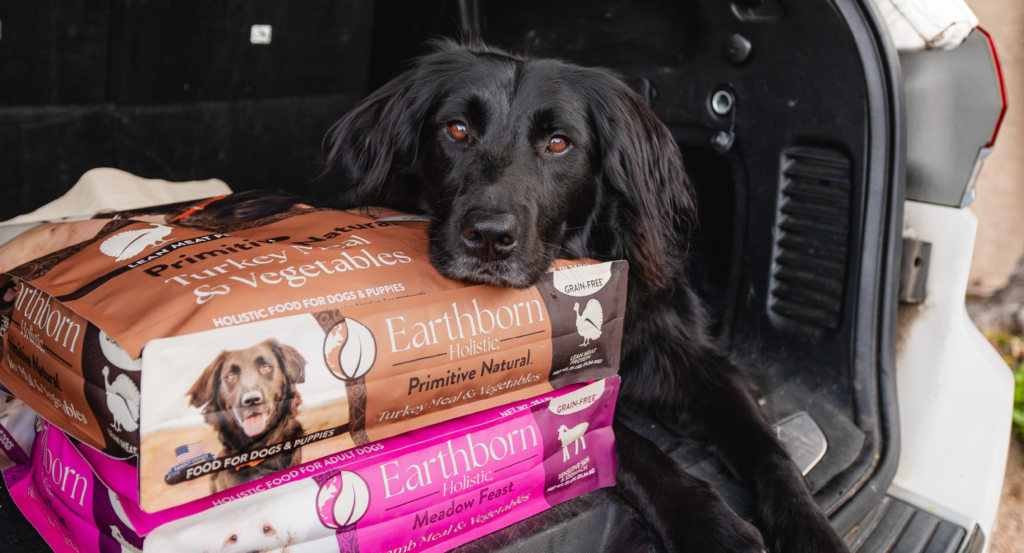
3. Create a Calm Environment
To help reduce stress, create a comfortable and familiar space for your dog during travel. Use their favorite blanket or toy to provide comfort. If traveling by car, avoid sudden stops and loud noises that may startle your dog.
4. Monitor Feeding Times
Adjust your dog’s feeding schedule to accommodate travel. If you’re on a long car ride, consider feeding your dog smaller meals more frequently rather than one large meal. This can help prevent digestive upset.
5. Consult a Veterinarian
If your dog’s diarrhea persists or worsens, it’s essential to consult a veterinarian. They can provide guidance on appropriate treatments and determine if more investigation is necessary leading to further veterinary attention.
Preventing Diarrhea During Travel
Taking proactive measures can help prevent diarrhea in your dog while traveling. Here are some tips to keep in mind:
1. Packing Checklist
Before you hit the road, create a packing checklist for your dog. Include:
- Regular Food: Bring enough of your dog’s usual food for the duration of the trip.
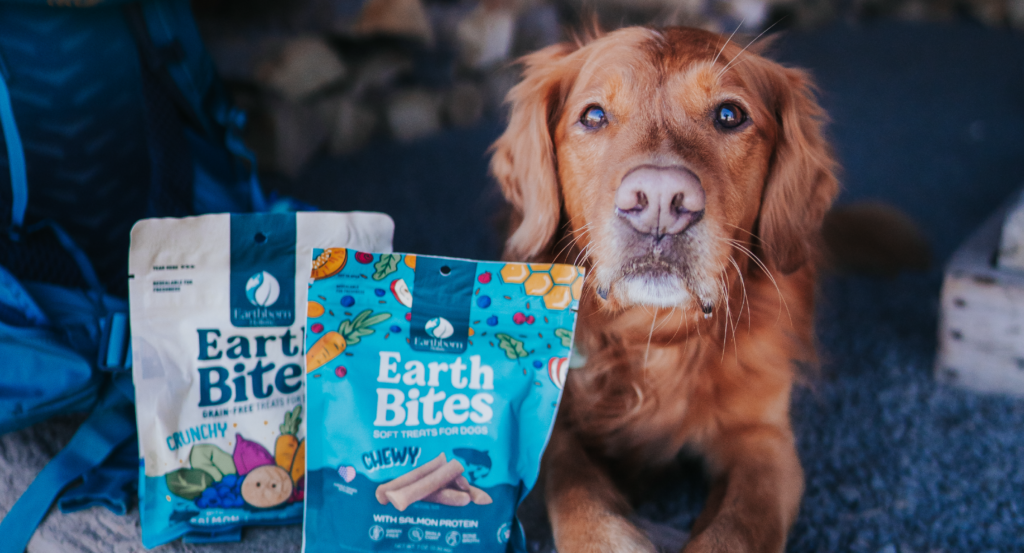
- Treats: Pack familiar treats to avoid introducing new foods.
- Water: Ensure you have clean, fresh water available at all times.
- Bowl: Bring a portable bowl for easy feeding and hydration.
- Comfort Items: Include your dog’s favorite blanket or toy to provide comfort.
2. Gradual Transitions
If you need to change your dog’s diet with a new food transition, do so gradually. Mix a small amount of the new food with their regular food over several days to allow their digestive system to adjust.
3. Monitor Stress Levels
Be aware of your dog’s stress levels during travel. If they show signs of anxiety, consider using calming aids such as anxiety wraps or pheromone sprays designed for pets.
4. Regular Breaks
If you’re traveling by car, plan regular breaks to allow your dog to stretch, relieve themselves, and hydrate. This can help reduce stress and prevent accidents in the vehicle.
5. Familiarize with New Environments
Before introducing your dog to new places, take some time to explore the area yourself. This can help you identify potential hazards and ensure a safe environment for your dog.
When to Contact the Vet
While many cases of diarrhea resolve on their own, there are specific situations where you should seek veterinary care immediately:
- Persistent Diarrhea: If diarrhea lasts more than 24 hours, it’s essential to consult a veterinarian.
- Severe Symptoms: If your dog exhibits severe symptoms such as vomiting, lethargy, or signs of dehydration, seek help right away.
- Blood in Stool: If you notice blood in your dog’s stool or if the stool appears black and tarry, contact your veterinarian immediately.
- Underlying Health Issues: If your dog has pre-existing health conditions, it’s best to consult your veterinarian at the first sign of diarrhea.
Conclusion
Traveling with your dog can be a rewarding experience, but it requires careful planning and attention to their health. Understanding why your dog is getting diarrhea when you travel can help you take proactive measures to prevent it. By maintaining a consistent diet, managing stress, and recognizing the signs of illness, you can ensure a safe and enjoyable journey for both you and your furry family member. If you have any concerns about your dog’s health, don’t hesitate to reach out to your veterinarian for guidance. Safe travels!

Madeline Sherwood
Maddy is a Marketing Coordinator at Midwestern Pet Foods in Evansville, IN. She is a wife and mom of a boy and a girl and has a German Shepherd, Mila, who all keep her very busy! Family life is so important as well as spending time with friends, but she also loves working out and participating in 5Ks, Half Marathons, and Obstacle Course Racing events. Life is very full at times but she wouldn’t have it any other way!