
STORY AT-A-GLANCE
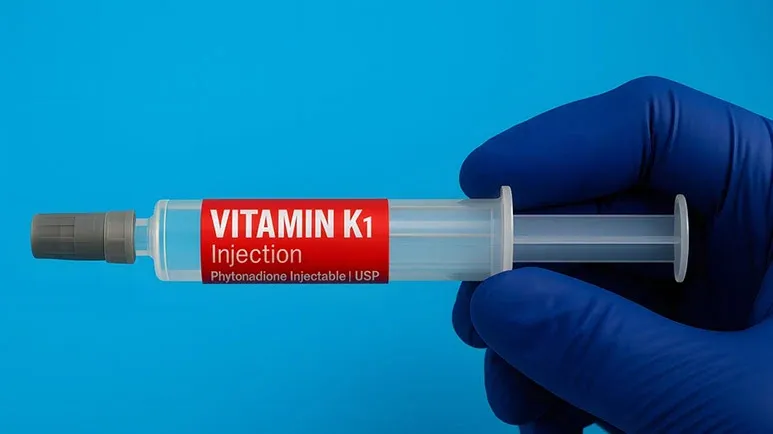
- Vitamin K1 (phytonadione) is the targeted antidote veterinarians reach for when a dog has been exposed to anticoagulant rat or mouse poisons. It restores the body’s ability to activate the clotting proteins disrupted by the poison
- Anticoagulant rodenticides are dangerously deceptive: A dog can look completely normal for three to seven days after exposure before serious internal bleeding shows up, which is why waiting for symptoms is one of the riskiest things you can do
- Not all “vitamin K” is the same. K1 is the natural, plant-derived form used therapeutically; K2 is produced by gut bacteria and is linked to bone biology; and K3 is a synthetic compound used in feeds and is not interchangeable with the others
- Treatment typically involves about 30 days of vitamin K1 therapy plus clotting tests, because “superwarfarin” rodenticides linger in the body for weeks, stopping early, even when the dog looks great, can let bleeding restart
- Vitamin K is not a general-purpose blood booster; it won’t treat anemia, low platelet counts, or inherited clotting disorders, and the over-the-counter version isn’t equivalent to the prescription K1 that vets use; suspected rodenticide exposure is always an emergency-room conversation, not a home-treatment one
You discover a chewed-up box of rat poison behind the shed. Your dog seems fine, wagging, hungry, totally normal. So you take a breath and tell yourself it is probably okay. Then you call your vet and learn something you did not expect: This is exactly the kind of situation where every hour matters, and the treatment you might need is not a heavy-duty drug at all, but a vitamin.
Vitamin K, specifically vitamin K1, is one of the most important tools veterinarians have when a dog has been exposed to certain rat and mouse poisons. It is a quiet hero of the emergency-medicine world: low-drama, well-tolerated, and able to reverse a poisoning that would otherwise be fatal. Here is what is worth knowing about it.
What Vitamin K Actually Does
Vitamin K is a fat-soluble vitamin best known for one critical job: helping the body make proteins needed for normal blood clotting. Clotting is the process that stops bleeding after an injury. It depends on a chain of proteins produced by the liver, and several of those proteins simply cannot work until vitamin K activates them. Without active vitamin K in the system, the body may still make clotting proteins, but they are functionally useless.1
Vitamin K also plays a role in proteins involved in bone biology and calcium regulation, which is why you sometimes see it mentioned in conversations about skeletal health. But the reason it shows up in emergencies is the clotting side of the equation.
To work properly, vitamin K needs healthy fat digestion. It is absorbed alongside dietary fat through the same pathways that handle vitamins A, D, and E. That means anything that disrupts fat absorption, such as chronic gut disease, certain liver conditions, or problems with bile flow, can interfere with vitamin K status even when the diet itself looks fine.2,3
The 3 Forms and Their Different Roles
Vitamin K is actually a family of related compounds, and the form matters a lot in veterinary medicine. Here are the different classifications of vitamin K.4
- Vitamin K1 (phytonadione) is the natural form found in green plants. This is the form veterinarians use therapeutically.
- Vitamin K2 (menaquinone) is produced by gut bacteria and found in some fermented or animal foods. It’s often discussed in bone and calcium nutrition.
- Vitamin K3 (menadione) is a synthetic vitamin K-active compound used in some animal feeds. It’s not interchangeable with K1 or K2.
When a vet talks about giving vitamin K after a poisoning, they almost always mean vitamin K1. It is the form that effectively restores the body’s ability to activate the clotting proteins that the poison has knocked offline.5,6
Why Rat Poison Is Such a Sneaky Threat
Many rat and mouse poisons are designed as anticoagulant rodenticides. They kill rodents by interfering with vitamin K recycling, the body’s natural system for reusing vitamin K to keep activating clotting proteins over time.
When that recycling system goes down, clotting proteins gradually lose function. Existing active proteins get used up, and no new functional ones replace them. After several days, the bleeding can become catastrophic, sometimes external, sometimes internal, and often hard to spot until things are very wrong.7
The poisons most commonly used today are sometimes called superwarfarins. They behave like prescription blood-thinner medications, but at much higher potency, and they can keep thinning the blood for three to five days or longer. That is why these poisonings are so dangerous: the effect builds quietly, and once severe bleeding starts, the window for intervention is small.8,9
The Delayed-Symptom Problem
Here is the part that catches a lot of pet parents off guard: A dog that has eaten anticoagulant rat poison usually looks completely normal in the first day or two. They may even seem fine for nearly a week.10
This is because outward signs of poisoning often do not appear until three to seven days after ingestion. By then, internal bleeding may be well underway. Possible signs include:11,12
- Lethargy or sudden weakness
- Pale gums
- Difficulty breathing or coughing
- Bloody stools or urine
- Unexplained bruising or swelling under the skin
- Nosebleeds
- Prolonged bleeding from minor wounds
- Vomiting, sometimes with blood
- Collapse
Because symptoms are delayed, the rule with rodenticide exposure is simple: Do not wait. Even if your dog seems fine, call your veterinarian or animal poison control as soon as you suspect exposure. The earlier treatment starts, the better the outcome.
Why Vitamin K1 Is the Antidote
Vitamin K1 works by going around the poison’s blocked recycling pathway and supplying the body with a fresh source of usable vitamin K. With enough K1 on board, the liver can resume making functional clotting proteins, and the bleeding risk is brought back under control.13
It is a beautifully targeted treatment. The poison removes the body’s ability to activate clotting proteins. The antidote replaces what the poison disabled. There are not many antidotes in veterinary medicine that work this cleanly.
Reports of vitamin K1 overdose in dogs are very uncommon, especially when it is used under veterinary supervision. Its synthetic cousin, vitamin K3, has a less favorable safety profile and is not used for this purpose. That is part of why the form matters so much, and why over-the-counter vitamin K supplements are not an equivalent product.14
What Treatment Looks Like
Treatment depends on how recently the dog ate the poison, how much was eaten, and which active ingredient was involved. A typical approach can include:
- Decontamination — If exposure was recent (usually within a couple of hours), your vet may induce vomiting and give activated charcoal to limit absorption.
- Vitamin K1 therapy — This is the heart of the treatment. K1 may be given by injection initially, especially if the dog is already symptomatic, and then continued as oral tablets or capsules at home.
Because superwarfarins linger in the body for weeks, vitamin K1 is typically given for about 30 days. Stopping early, even when the dog looks great, can cause bleeding to restart.
- Bloodwork and clotting tests — Your vet will likely check clotting times during and after treatment to confirm the therapy is working, and the body has cleared the poison.
- Supportive care — Dogs who are already bleeding may need IV fluids, plasma, or even a blood transfusion to stabilize them while the vitamin K does its job.
Remember: Do Not DIY This
The form of vitamin K1 used to treat anticoagulant rodenticide poisoning is not sold over the counter. It requires a veterinary prescription, and the dose, route, and length of treatment all depend on the type of poison and the dog’s clotting status.
Casual vitamin K from a supplement aisle is not the same product, is not dosed for this purpose, and may not contain the right form. Worse, it can give pet parents false confidence and delay the urgent veterinary care that actually saves lives.
And not all rat poisons work the same way. Some affect the nervous system or calcium balance instead of clotting, and vitamin K1 will not help with those. That is another reason the product label, the exposure timing, and a vet’s evaluation all matter.15
What to Do if You Suspect Exposure
If you find evidence that your dog has eaten rat or mouse bait, or even if you just suspect it. Follow these reminders:
- Collect any packaging or bait you can find. The active ingredient on the label tells the vet exactly what they are dealing with.
- Note when the exposure may have happened and roughly how much your dog may have eaten.
- Call your vet, the nearest emergency hospital, or an animal poison hotline immediately; do not wait for symptoms to appear.
- Do not try to induce vomiting at home unless specifically instructed to do so by a professional.
- Bring your dog in for evaluation, even if they look completely fine.
Pet Poison Helpline (855-764-7661) and the ASPCA Animal Poison Control Center are good resources to keep saved in your phone.
Vitamin K Outside the Emergency Room
Vitamin K1 emergencies are the most dramatic story, but vitamin K also matters in everyday biology. Healthy dogs eating complete, balanced diets generally get enough vitamin K from their food and from compounds produced by gut bacteria. Routine vitamin K supplementation is not supported by strong evidence in healthy dogs. However, it does deserve a closer look in dogs with:16
- Poor fat digestion or malabsorption
- Liver disease or bile flow problems
- Long-term gastrointestinal disease
- Prolonged antibiotic use that disrupts gut bacteria
- Homemade or incomplete diets
- Unexplained bruising or abnormal clotting tests
Because vitamin K is fat-soluble, it depends on healthy fat digestion and bile flow for absorption. Dogs with chronic digestive or liver issues may run lower than expected, even if their diet looks fine on paper.
One more thing worth knowing: Vitamin K is not a general-purpose blood booster. It will not raise red blood cell counts or treat anemia from other causes. It also will not help with bleeding caused by low platelets, autoimmune conditions, or inherited clotting disorders. The strongest evidence for vitamin K use in dogs sits squarely in the rodenticide-exposure setting.17
The Bottom Line
When veterinarians reach for vitamin K in an emergency, they are not handing out a supplement. They are using a precisely targeted antidote to one of the most common and most deceptive poisonings in companion animals. Anticoagulant rat poisons are designed to hide their damage for days. Vitamin K1, given early enough and continued long enough, is what flips that script.
If you suspect your dog has been exposed to rat or mouse bait, do not wait for symptoms and do not try to manage it at home. Call your vet or a pet poison hotline, bring the packaging if you can, and let the professionals do what this particular vitamin does best: buy your dog back the time their clotting system needs to recover.
- 1,6,9,17 Chewy, June 8, 2026
- 2,4,7,12,15,16 Bernie’s University, June 9, 2026
- 3,5,8,10,11,13,14 Pet Poison Hotline, Vitamin K1 for Dogs

In this free guide, you’ll discover:
-

How your pet’s biology influences their nutritional needs -
Why conventional feeding advice often falls short -
Practical ways to choose better food for your dog or cat
View our Privacy Policy and Terms of Service.