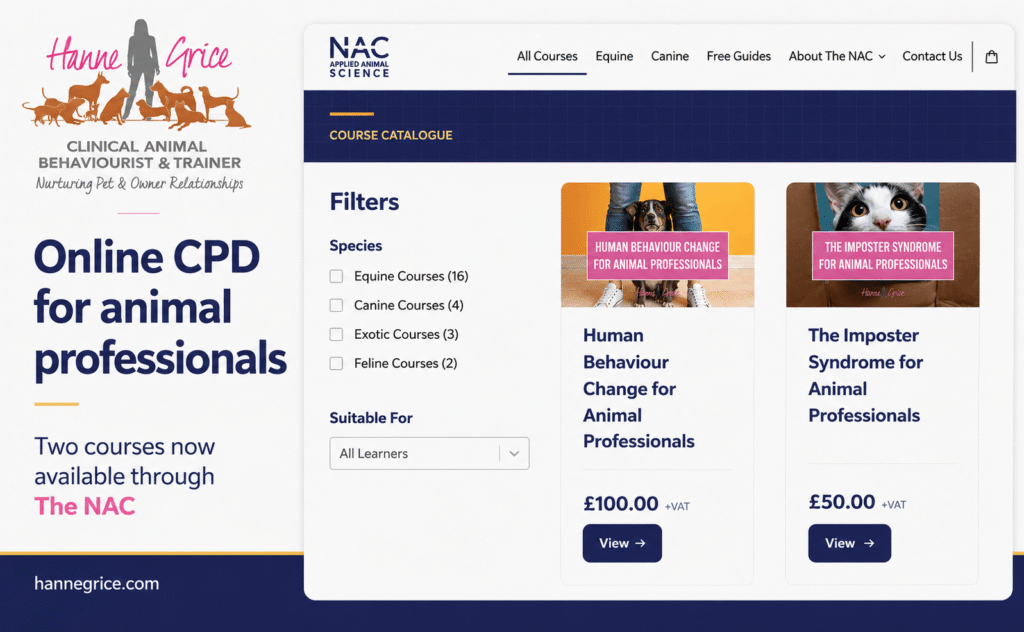

Two online CPD courses for animal professionals now available through The NAC
Two of my independently assessed and approved online courses are now available through The NAC – Applied Animal Science:
Both courses bring psychology into animal behaviour and training practice, looking at two areas that can shape our work with clients, colleagues and ourselves.
The NAC provides education in animal behaviour, training, welfare and management and is an ABTC Practitioner Organisation. Its course catalogue includes learning for animal trainers, behaviourists, veterinary professionals, students and others working within the animal sector.
Human Behaviour Change for Animal Professionals
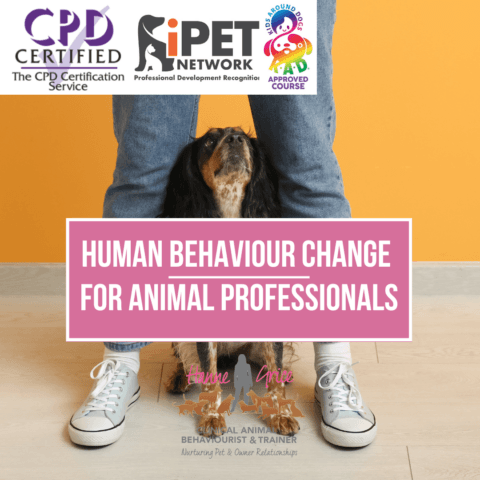
Animal behaviour work involves both the animal and their human. To support behaviour change for the animal, the client may also need to alter routines, practise new skills, manage the environment, respond differently in difficult moments, or continue with a plan over many weeks. While sound behavioural training and management recommendations are important, they also need to be practical enough for people to understand and use.
Human Behaviour Change for Animal Professionals explores the psychology behind those processes.
The course examines:
- how behaviour is influenced by capability, opportunity and motivation
- why knowing what to do does not always lead to action
- habits, decision-making and competing priorities
- communication and collaborative goal-setting
- common barriers to following training or behaviour plans
- ways practitioners can support realistic, sustainable change
The material draws on behavioural science and applies it to everyday work with animal caregivers.
It is particularly relevant to animal behaviourists, trainers, veterinary professionals and others whose work depends on people putting advice into practice.

Feeling uncertain about your ability is not the same as lacking ability.
The Imposter Syndrome for Animal Professionals examines why capable people may discount their knowledge, attribute success to luck or fear that others will discover they are less competent than they appear.
Rather than treating imposter feelings as a simple confidence problem, the course considers the wider psychological and professional context.
Topics include:
- how imposter syndrome has been defined and studied
- common thoughts and behavioural patterns associated with it
- perfectionism, comparison and fear of evaluation
- workplace culture and professional expectations
- the difference between reflective practice and persistent self-doubt
- evidence-informed ways of responding to imposter feelings
The course is suitable for students, newly qualified practitioners and experienced professionals. It may also be useful to educators, mentors and supervisors supporting others within the animal sector.
Why psychology belongs in animal behaviour CPD
Professional development in animal behaviour often concentrates on learning theory, training methods, welfare and species-specific behaviour. Those areas are essential. So is the human context in which the work takes place.
Consultations involve communication, memory, motivation, expectations, relationships and decision-making. Professional life also brings supervision, evaluation, uncertainty and responsibility.
Understanding these processes can help practitioners examine not only what they recommend, but how advice is communicated, interpreted and used.
That is the link between these two courses. One considers the behaviour change we ask of clients. The other turns the lens towards the practitioner.
Both courses are now available online through The NAC’s course catalogue. The current catalogue lists Human Behaviour Change for Animal Professionals and The Imposter Syndrome for Animal Professionals among its professional animal education courses.
You can view both courses at: the-nac.co.uk/courses
Learn more about our classes
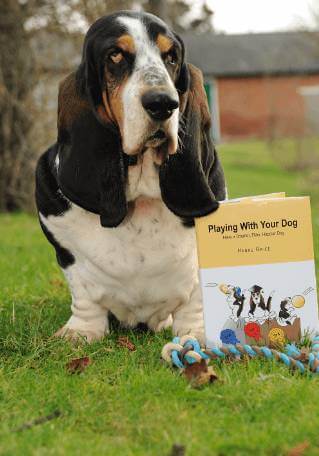
Get Hanne’s book, clothing and more
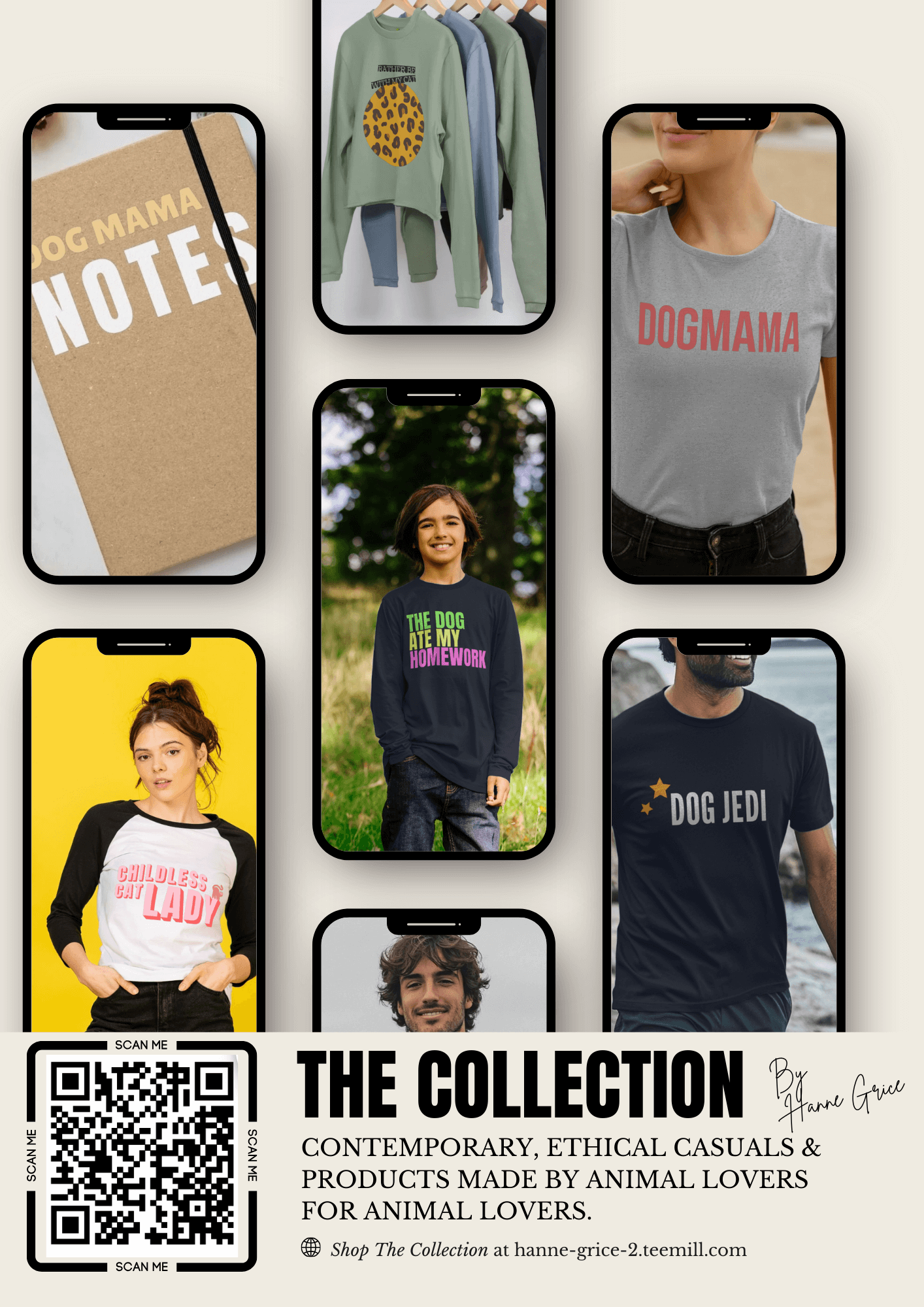
Hanne has a number of publications including her book Playing With Your Dog to help owners work out the games that are best suited for their pet to play throughout his life, from puppyhood to old age, available from Amazon. Check out Hanne’s range of contemporary casuals The Collection – for pet lovers made from recyclable, organic materials that are sustainably sourced.