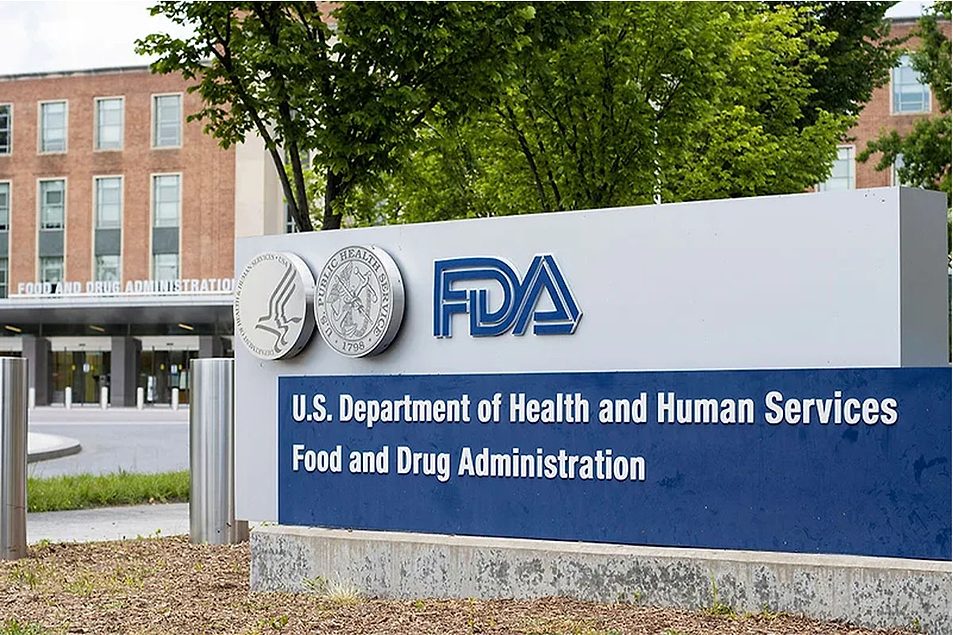


WASHINGTON — The US Food and Drug Administration (FDA) has pushed back its anticipated publication of a proposed rule that would require notification of certain generally recognized as safe (GRAS) uses in human and animal food. The agency now anticipates publishing the proposed rule in December, according to an early July update from the federal Unified Agenda.
Under the current GRAS program, companies achieve self-affirmed GRAS status and then voluntarily may send the research to the FDA with hopes of receiving a “no questions” letter from the agency on the GRAS status. Last year the FDA added a proposed rule to its spring 2026 agenda that would require a mandatory submission of GRAS notices, possibly ending self-affirmed GRAS status. Spring came and went without a proposed rule.
The US Department of Health and Human Services (HHS), which includes the FDA, in early July released its updated regulatory plan, which moved the GRAS ruling to December. The proposed rule would require the submission of GRAS notices to the FDA for “certain uses of food substances.”
The latest Unified Agenda entry provides more detail about how the FDA may structure the proposed rule, said Joy Dubost, Ph.D., owner and principal consultant of NJOY Health & Nutrition LLC, Tampa Bay, Fla.
“The earlier entry broadly stated that GRAS notices would be mandatory and specifically identified potential exemptions for substances already listed or affirmed as GRAS by regulation and uses for which FDA had issued a ‘no questions’ letter,” she said. “The updated entry no longer expressly describes those exemptions, although their omission from the agenda does not necessarily mean they have been removed from the proposal. So, this specific point remains to be determined.”
If finalized broadly, mandatory notification would represent a major operational and strategic change for ingredient suppliers and food and beverage companies, Dubost said.
“The most immediate impact would be on companies that currently rely on independent or ‘self-GRAS’ conclusions,” she said. “It is important for companies to start preparing now. Companies should be completing internal audits of their ingredients in their portfolio determining the regulatory basis that supports use while ensuring documentation of ingredients are up to date including safety, exposure, identity, manufacturing and technical records.”
Additional details
Dubost gave other details on the new Unified Agenda entry:
It refers repeatedly to mandatory notices for “certain uses of food substances,” rather than clearly stating that all GRAS uses would be covered.
“That wording suggests the rule may define categories of covered and excluded uses rather than impose an identical requirement on every substance and every use,” Dubost said. “These possibilities remain speculative until the proposed rule is published.”
It states that uses subject to mandatory notification would be presumed by the FDA not to be GRAS unless the notification requirement has been met. It introduces the concept of streamlined submissions for uses of substances introduced into interstate commerce before the effective date of a final rule. It indicates that the streamlined process may be available only during a time-limited submission window.
“FDA has not yet defined the term (streamlined submissions), so any interpretation is speculative,” Dubost said. “Based on the Unified Agenda language, I believe a streamlined submission could be a reduced or abbreviated reporting pathway for substances already being marketed based on independent GRAS conclusions before the final rule takes effect. However, the phrase should not automatically be interpreted as a complete ‘grandfathering’ exemption.”
It distinguishes existing marketed uses from substances introduced after the effective date, which would generally require preparation and submission of a GRAS notice if the company would otherwise have relied on an independent GRAS conclusion.
“These additions offer the clearest indication to date that FDA is considering both a prospective notification requirement and a transition mechanism for at least some existing self-GRAS determinations,” Dubost said. “There is, however, some tension between the Unified Agenda’s reference to ‘certain uses’ and FDA’s February 2026 statement that the proposed regulation would require GRAS notices for ‘all new substances claimed to be GRAS.’ The proposed rule itself will be needed to reconcile that language and define the actual scope.”
Criticism of the delay
The delay drew criticism from the Environmental Working Group (EWG), a non-profit organization.
“The federal government’s decision to push back its timeline for proposing changes to the broken GRAS system is yet another reminder that consumers cannot afford to wait for Washington to act,” said Melanie Benesh, vice president of Government Affairs for the EWG. “For years, the FDA has failed to adequately oversee food chemicals, leaving states to fill the void by passing commonsense protections against harmful food chemicals linked to serious health risks. A delay in this long-promised rulemaking only reinforces why states must continue leading the way.”
Speakers at a SupplySide Global session in Las Vegas last October discussed how changes to the GRAS program may impact the food industry. Alexander Schauss, director of Research and chief executive officer for AIBMR Life Sciences, took issue with self-affirmed GRAS being categorized as a loophole in the system.
“There’s been a lot of misinformation related to what they refer to as a loophole,” he said in the session. “The requirements (for self-affirmed GRAS) to substantiate the reasonable certainty of safety for the ingredient and its intended uses is substantially higher than what you might require for an NDIN (New Dietary Ingredient Notifications) … That’s why it is absurd to use the term loophole.”
For more regulatory news affecting the pet food market, visit our Regulatory page.