
Most dog owners know the classic dangers: chocolate, grapes, certain medications. But the list of household items that can seriously harm or kill a dog is considerably longer than most people realize, and some of the most dangerous things are sitting in plain sight. Cleaning supplies under the sink, batteries in the TV remote, even some bread dough sitting on the kitchen counter.
Here are some of the most common household items that are toxic to dogs, and what makes them dangerous.
Xylitol
A seemingly innocuous ingredient found in many products marketed as ‘sugar-free’, xylitol is one of the deadliest household items our dogs can get their mouths around. Often found in chewing gum, diet shakes, peanut butter and other foods, this artificial sweetener can trigger a deadly episode of hypoglycemia in dogs, and those that survive this initial effect usually won’t survive the subsequent liver damage. Always pay close attention to ingredient labels of sugar-free products, and if you think your dog may have ingested anything containing xylitol, phone the vet immediately – do not wait for signs to appear.
Bar Soap

Bar soap might not seem like an obvious hazard, but it can cause real harm depending on its ingredients and how much a dog consumes. Soaps containing essential oils such as pine, wintergreen, or lavender can be particularly dangerous. Those made with lye have a corrosive effect that can cause drooling, mouth irritation, and gastrointestinal upset. A large chunk of soap swallowed whole also carries a risk of intestinal blockage. Puppies and dogs often like to explore their surroundings with their mouths, so keeping your soap in a closed shower caddy or cabinet is a simple precaution worth taking.
Antifreeze
Antifreeze is highly toxic to dogs and particularly dangerous because it tastes sweet, which makes dogs willing to keep lapping it up. Even a tiny amount can be fatal. A secondary hazard is that the second stage of antifreeze poisoning can make a dog appear to be recovering when the internal damage is still progressing. Puddles in the garage or driveway from a leaking vehicle are a common source of exposure, so any spill should be cleaned up immediately and thoroughly, no matter how small.
Cleaning Products
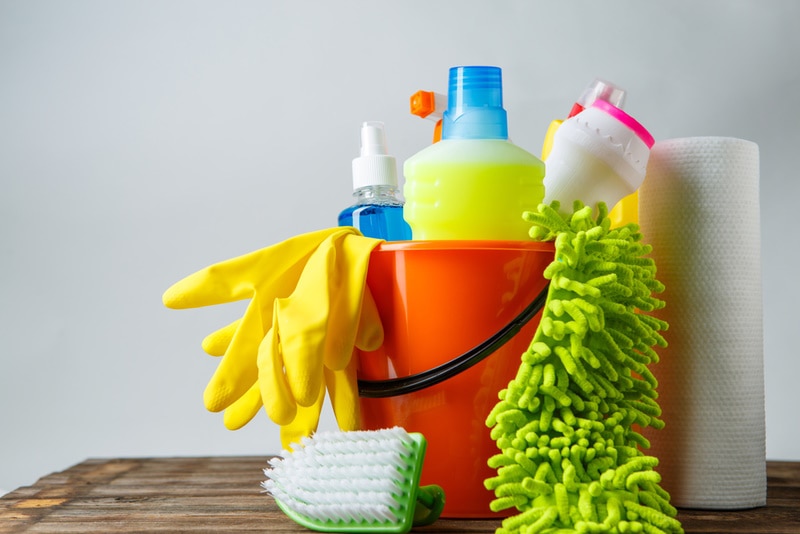
Household cleaners, including bathroom and kitchen sprays, bleach, and ammonia-based products, pose a risk to dogs through ingestion, skin contact, and inhalation. The fumes alone can cause respiratory irritation. Dogs can also be exposed by walking across a freshly cleaned floor and then grooming their paws. Switching to pet-safe enzyme-based cleaners significantly reduces this risk without sacrificing cleaning effectiveness.
Medications

Both human and canine medications can be dangerous in the wrong hands, or paws. Over-the-counter drugs like ibuprofen and acetaminophen can cause gastrointestinal ulceration, kidney damage, and even death in dogs. Prescription medications can be equally harmful. Even flavored dog medications, designed to be palatable, can lead to accidental overdose if a dog gets into the supply unsupervised. All medications should always be stored in a secure location, and any dropped pills should be retrieved immediately.
Batteries
Batteries are found in almost every room in the house, from remotes to key fobs to children’s toys, and they can cause serious internal damage if chewed or swallowed. Standard alkaline batteries are corrosive and can cause ulcerations in the mouth, esophagus, and digestive tract. Small button batteries, if swallowed whole, can perforate the gastrointestinal lining. Lithium-ion batteries are the most dangerous of all, capable of causing tissue death within 30 minutes of contact. Keeping batteries stored separately and ensuring remotes and fobs are out of reach reduces the risk considerably.
Laundry Products
The laundry room contains several hazards. Laundry detergent is corrosive and can be deadly in small amounts, with a single detergent pod potentially enough to trigger toxicity signs including vomiting, lethargy, and, in severe cases, aspiration pneumonitis, where fluid accumulates in the lungs after something toxic is inhaled or ingested. Fabric softener sheets coated in cationic detergents can cause mucous membrane damage, mouth ulcers, and lung problems depending on the chemicals used and the quantity consumed. Both products should be stored out of reach.
Insecticides and Rodenticides
Insecticides consistently rank among the top causes of pet toxicity, and rodenticides are one of the most frequent reasons dogs end up in emergency clinics. These products vary in their chemical composition, but many work by targeting the same biological systems in pests that also exist in dogs. Exposure does not necessarily require direct ingestion: a dog walking across a recently treated lawn and then licking its paws can take in enough chemicals to cause harm.
Rat bait is typically designed to be palatable to rodents, but it is also appealing to dogs. It can take several days for the toxic effects of rodenticide to become apparent, so do not wait for signs to appear. If you think your dog may have ingested even a tiny amount of rat bait, contact your vet immediately.
Caffeine

Coffee, tea, energy drinks, coffee grounds, and caffeine-containing medications are all toxic to dogs. Caffeine affects dogs much more severely than it does humans, causing elevated heart rate, abnormal heart rhythms, increased blood pressure, tremors, and in high doses, death. Dogs do not need to consume a large quantity for it to become dangerous. Keeping coffee and related products well out of reach is particularly important in households where dogs tend to counter-surf.
Bread Dough
Raw bread dough containing yeast is a less obvious but genuinely serious hazard. When a dog ingests uncooked dough, the yeast continues to ferment inside the warm environment of the stomach, producing ethanol as a byproduct. This can cause signs of alcohol toxicity, including vomiting, loss of coordination, and loss of consciousness. The expanding dough also puts pressure on the stomach, creating a risk of bloat or, in severe cases, gastric dilatation-volvulus, where the stomach twists. Dough left to rise on a countertop should never be left unattended around dogs.
Alcohol
Alcohol affects dogs similarly to humans but far more severely, and it does not take much to cause serious harm. A dog that knocks over a drink and laps it up, or finds an unattended glass, can quickly develop vomiting, loss of coordination, and breathing difficulties. In larger quantities, alcohol can lead to liver and kidney damage, coma, and death. It is not only spirits that pose a risk: anything containing alcohol, including mouthwash and certain cooking extracts, should be kept well out of reach.
What to do in an emergency
If a dog has ingested or been exposed to any of the above, time matters. Contacting a veterinarian immediately or reaching a poison control hotline is the right first step. Waiting for symptoms to develop is not. Several of these toxins cause damage that is already progressing before any outward signs are seen, and in some cases, once those signs appear, it may already be too late.
Keeping the home safe for a dog means thinking about access from the dog’s perspective: anything at floor level, anything that can be knocked down, and anything that smells interesting is a potential target. The combination of secure storage, childproof latches on lower cabinets, and a general habit of putting things away properly might sound pretty basic, but these simple steps could save your dog’s life.
Featured Image Credit: Mironov-Shutterstock
Did You Know?
- Our brand-new posts are rounded up and included in our weekly emails. Don’t miss out on the latest – sign up for our newsletter below!