
Home remedies for fleas on dogs promise a cheap, natural fix, but the Companion Animal Parasite Council notes that adult fleas make up only about 5% of an infestation, while the other 95% is eggs, larvae, and pupae hidden in your home. That single number explains why so many popular home remedies for fleas deliver temporary relief at best. As a veterinarian, I have watched clients comb, spray, and sprinkle their way through a flea season while the real population kept growing in the carpet.
This guide gives you a vet verdict on every popular remedy: what actually works, what buys you temporary relief, what is pure myth, and what can hurt your dog. Think of it as a myth vs. fact filter to run before you spend another weekend on vinegar spray.
- 1A soapy bath and a flea comb kill the fleas on your dog today but have zero lasting effect
- 2Vinegar, lemon juice, coconut oil, and garlic do not kill fleas, and garlic and essential oils can poison your dog
- 3Food-grade diatomaceous earth can help in the environment if you follow strict safety rules
- 4Because 95% of the flea population lives off the dog, every home remedy is temporary relief until you treat the home and start real prevention
Home Flea Remedies for Dogs: Vet Verdicts
| Remedy | Vet Verdict | Why |
|---|---|---|
| Dawn or dish soap bath | Temporary relief | Kills fleas on contact, no residual protection |
| Flea comb | Works (removal and monitoring) | Physically removes adults and flea dirt, confirms infestation |
| Food-grade diatomaceous earth | Partial (environment only) | Dehydrates fleas in carpet, slow, inhalation risk |
| Apple cider vinegar | Myth | Does not kill fleas at any dilution |
| Lemon juice spray | Myth | No proven kill, citrus oils carry irritation risk |
| Coconut oil | Myth | May smother a few fleas, no reliable effect |
| Baking soda and salt | Weak partial (environment) | May dry some eggs and larvae, vacuuming does the real work |
| Essential oils (tea tree, pennyroyal) | Dangerous | Toxic to dogs, worse for cats |
| Garlic | Dangerous myth | Does not repel fleas and can cause anemia |
Home Remedies for Fleas on Dogs: What Actually Works
Searchers asking for the best home remedies for fleas on dogs usually want two things: to kill the fleas they can see and to avoid chemicals. Here is the honest, citation-ready version of that answer:
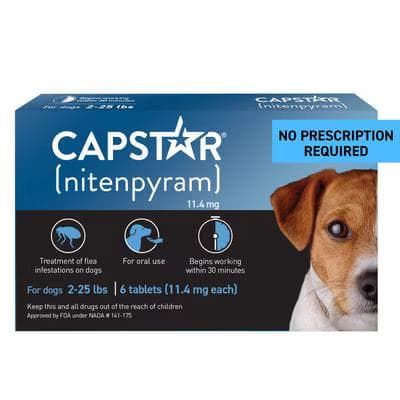
An over-the-counter nitenpyram tablet that starts killing adult fleas within 30 minutes. A fast knockdown for an active infestation, no prescription required, useful alongside a longer-term preventive.
Petful may earn a commission when you click through to Chewy, at no extra cost to you.
- What works: a soapy bath and daily flea combing physically remove adult fleas. This is real, immediate, and safe.
- What is temporary relief only: everything in the works column. Soap and combs have no residual effect, so new fleas from the carpet hop right back on.
- What is myth: apple cider vinegar, lemon juice, coconut oil, and brewer’s yeast do not kill fleas.
- What is dangerous: essential oils applied to your dog and garlic in any form.
- What treats the actual problem: vacuuming, hot-washing bedding, treating the home, and vet-grade prevention on every pet in the house.
The flea life cycle is the reason no natural remedy holds the line for long. A single female flea can lay around 50 eggs a day, up to roughly 2,000 in her lifetime, and the egg-to-adult cycle can run in as little as 12 to 22 days in warm conditions. Those eggs roll off your dog into carpet, bedding, and floor cracks. Kill every adult on your dog tonight and the environment restocks them within days.
So what is the best natural flea medicine for dogs? Honestly, there is no natural product I can call a flea medicine. The most effective natural flea and tick prevention for dogs is mechanical, not herbal:
- Flea-comb your dog daily during flea season, concentrating on the tail base, groin, and neck.
- Bathe weekly with a gentle soap while you are fighting an active infestation.
- Vacuum high-traffic floors and wash pet bedding on hot every few days.
- Keep every animal in the household on some form of flea control, because an untreated pet becomes a safe haven for fleas.
Veterinary nutritionist Dr. Susan G. Wynn, one of the best-known voices in holistic veterinary medicine, put it plainly in our original interview: there is no highly effective natural flea prevention when nature deals us a bad flea year. That matches my clinical experience exactly.
Before you treat anything, confirm fleas are actually the problem:
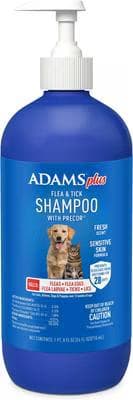
A gentle flea and tick shampoo for cats and dogs that kills ticks on contact and soothes sensitive skin. Handy for washing your dog down after a hike.
Petful may earn a commission when you click through to Chewy, at no extra cost to you.
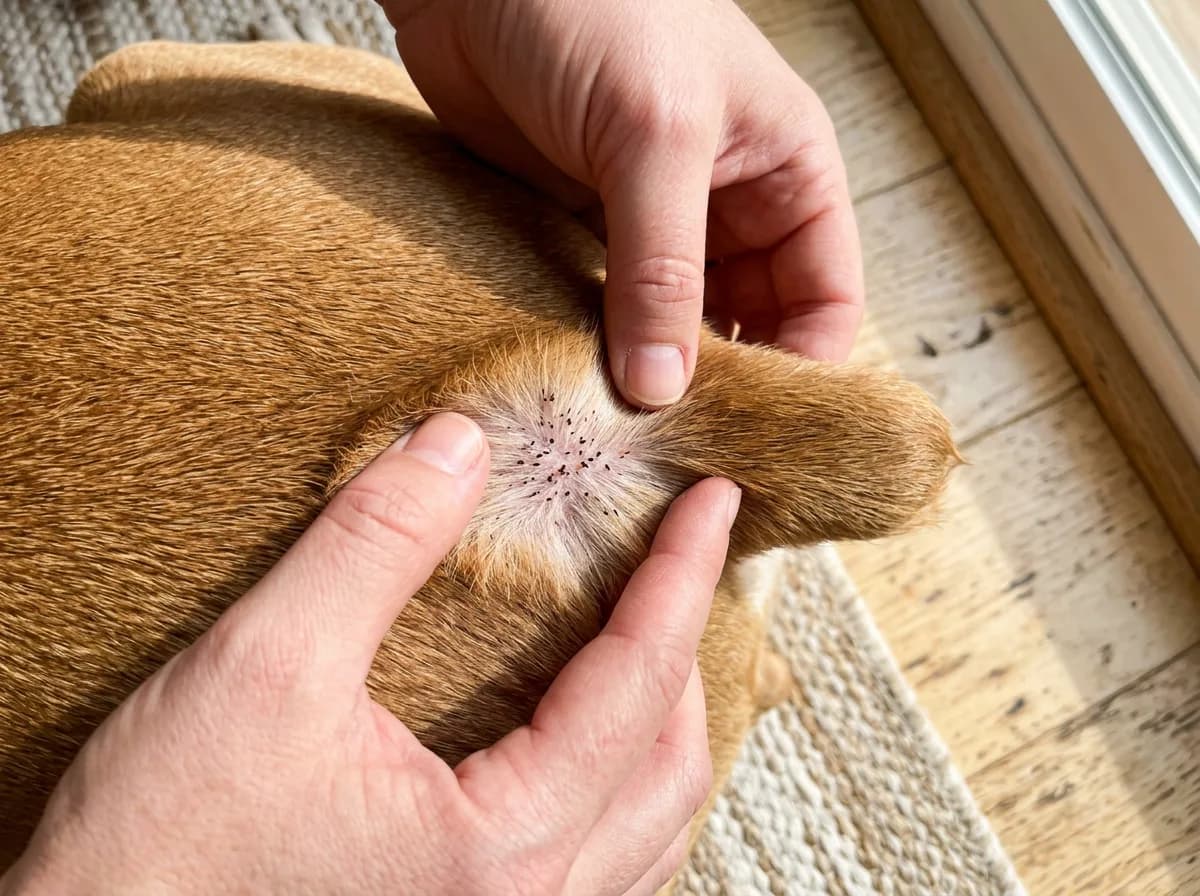
- Part the coat at the tail base and look for fast-moving brown insects or black specks.
- Comb specks onto a wet paper towel. Flea dirt (digested blood) smears reddish to orange-brown. Plain gray or black grit is just dirt.
- Itching without any flea evidence can be a different skin problem entirely, so do not assume.
Veterinary dermatologists estimate that at least half of persistently scratching dogs and cats are flea-allergic, and for those pets a single bite can trigger days of misery. If your dog is allergic, home remedies alone are never enough.
- Best flea spray for the house: the indoor sprays that carry a growth regulator, and which are safe around cats.
- Best flea treatment for the yard: outdoor sprays, granules and nematodes, plus pet re-entry timing.
Does Dawn Dish Soap Kill Fleas?
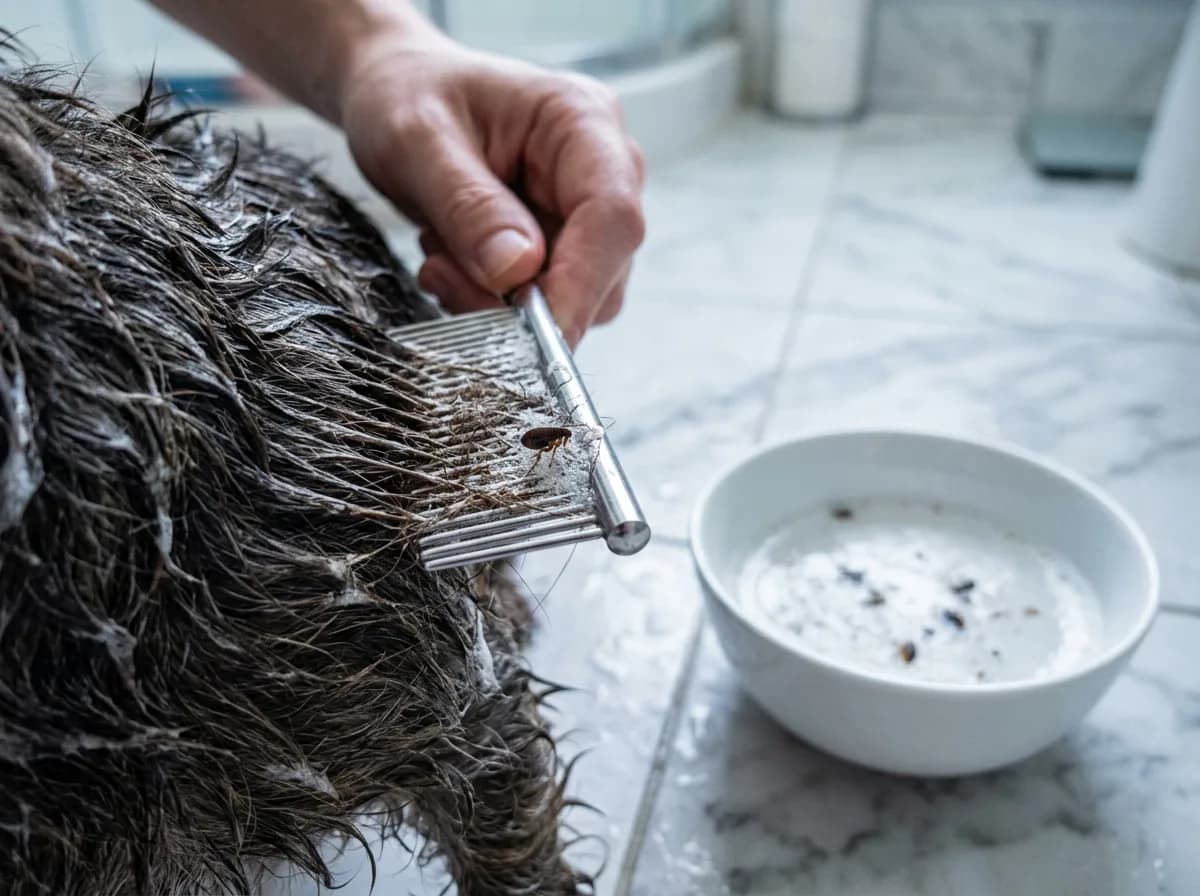
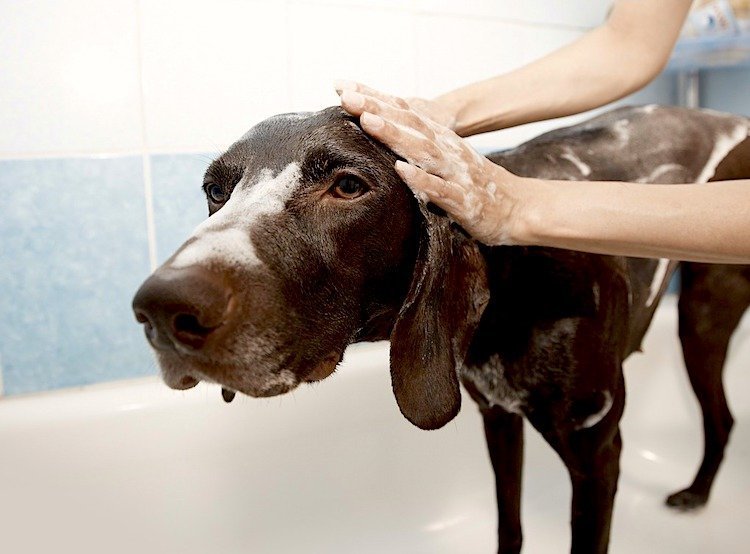
Yes. Dawn dish soap kills fleas on contact by breaking the waxy coating and the surface tension that lets fleas resist water, so they drown in the bath. That is the fact behind the most famous home remedy of all. Here is the myth part: the effect ends when you rinse. Dawn dish soap for fleas has zero residual action, does not repel new fleas, and does nothing about the 95% of the population maturing in your carpet. It is a rescue bath, not a prevention program.
Wondering how you make a homemade flea bath for dogs? Keep it simple:
- Wet your dog thoroughly with lukewarm water. Hot water stresses the skin, and fleas flee cold water toward the head.
- Work a small amount of Dawn or a gentle dog shampoo into a full lather, starting with a “collar” of suds around the neck so fleas cannot escape to the face.
- Let the lather sit for about 5 minutes, avoiding the eyes and ears.
- Rinse completely. Leftover detergent dries and irritates the skin.
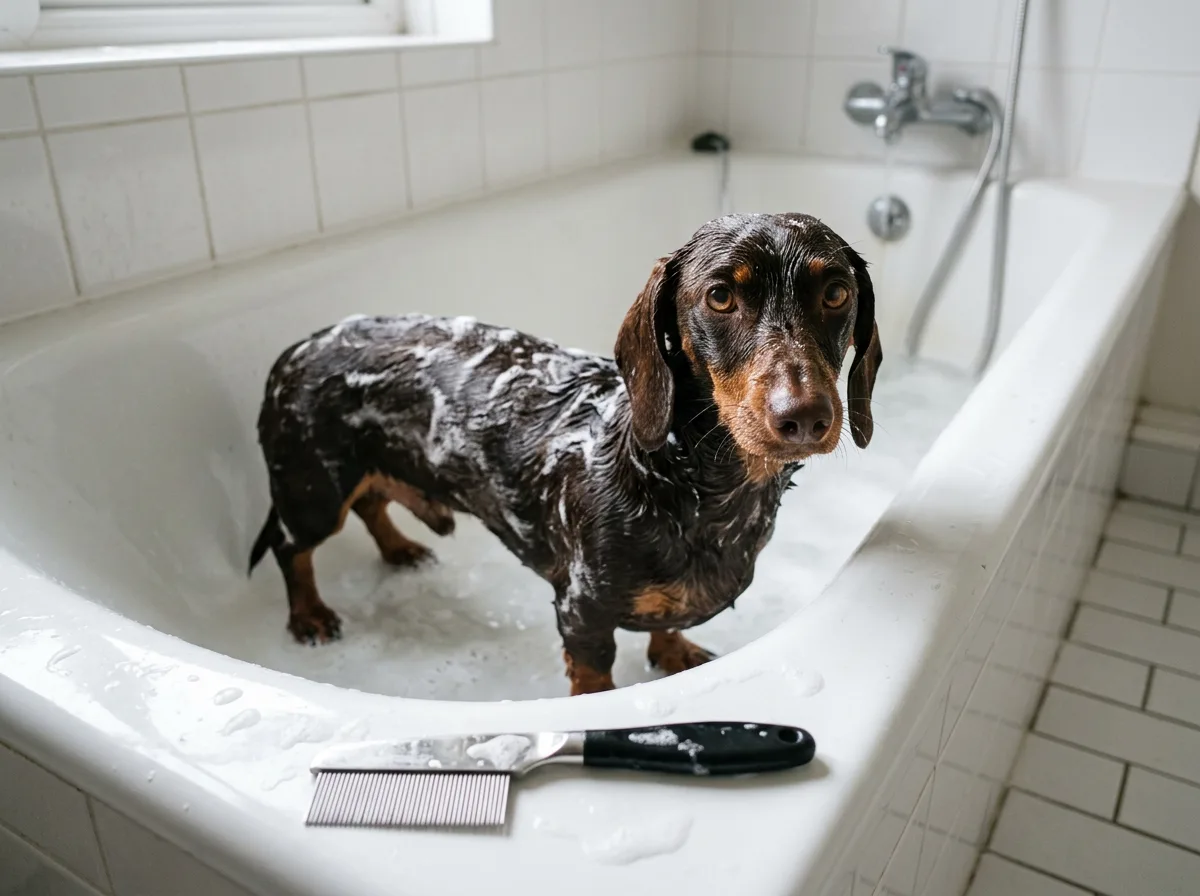
- Finish by pulling a flea comb through the wet coat, dunking the comb in a bowl of soapy water to drown whatever you catch.
A few cautions from the exam room. Dish soap is a degreaser, and weekly Dawn baths strip the coat’s natural oils, so dogs with dry or sensitive skin do better with a gentle veterinary shampoo that lathers just as well. Never use dish soap as a substitute for prescribed flea treatment on a flea-allergic dog. And if you are looking for home remedies for fleas on dogs without bathing, the flea comb is your tool: same physical removal, no water, repeated daily.
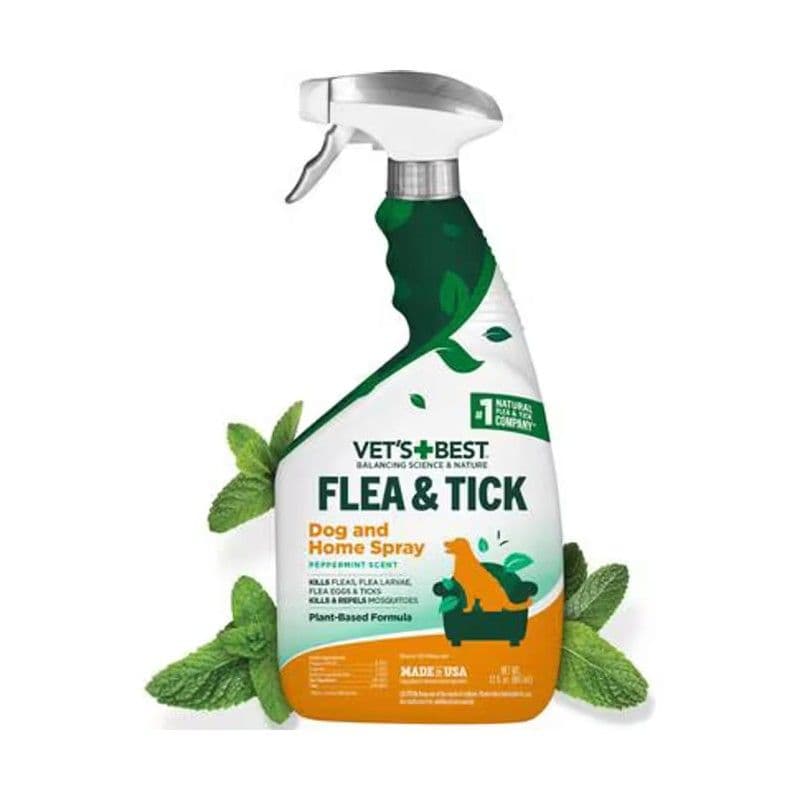
Plant-based peppermint and clove indoor home spray that kills fleas, flea eggs and larvae, and ticks on contact on carpets, furniture, and bedding, and repels mosquitoes.
Petful may earn a commission when you click through to Chewy, at no extra cost to you.
Comb where fleas hide
- Fleas concentrate at the tail base, groin, armpits, and neck. Comb those zones daily during flea season and drop your catch into soapy water, which drowns fleas in seconds.
Diatomaceous Earth, Vinegar, and Lemon: Myth vs. Fact
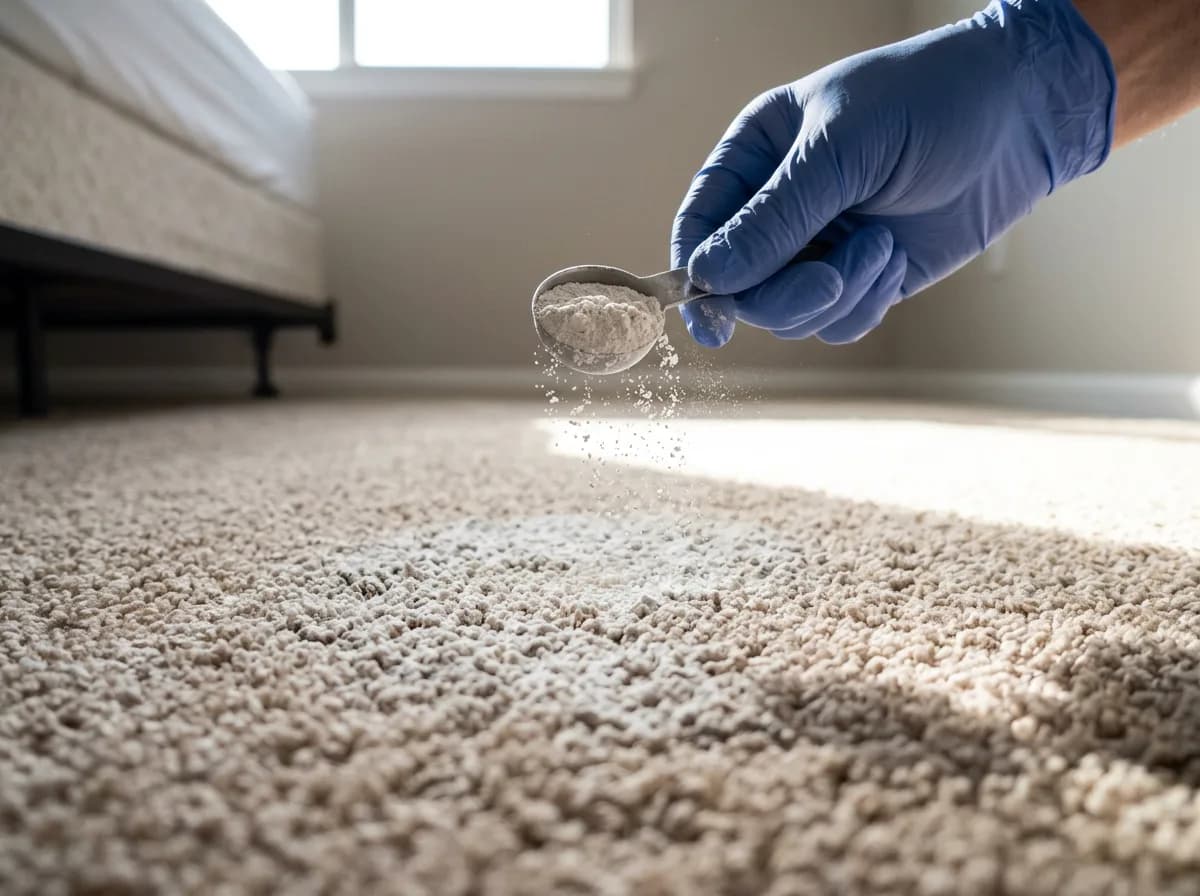
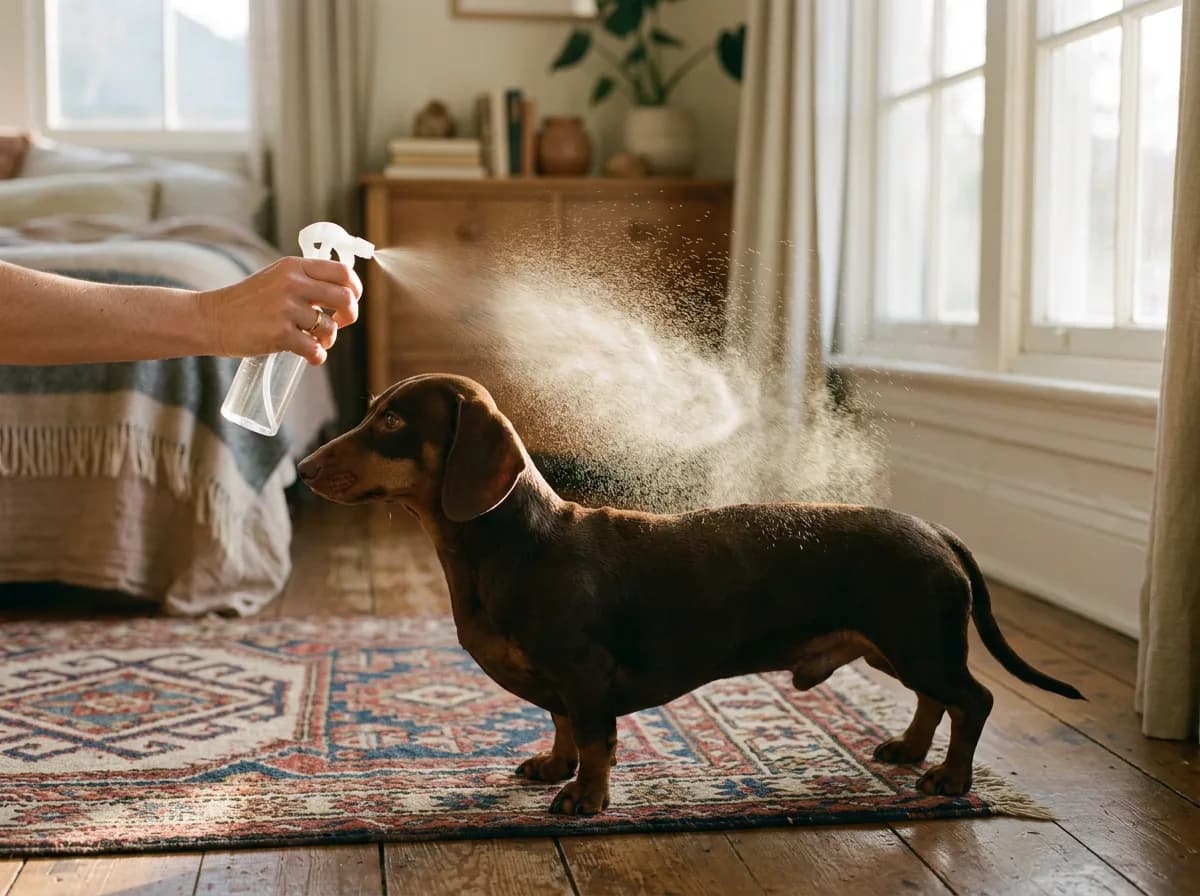
These three headline nearly every natural flea listicle, so here is each vet verdict, separated cleanly into fact and myth.
We go deeper on the powder itself in diatomaceous earth for fleas, including the food grade versus filter grade distinction that matters for safety, and on flea traps as a monitoring tool.
Diatomaceous earth: partly fact, with strict safety rules
Diatomaceous earth for fleas has a real mechanism: the microscopic fossilized diatoms abrade and dehydrate insects that crawl through the powder. It is registered as a pesticide ingredient with the EPA, and it can reduce flea numbers in carpets and pet bedding areas. It is also slow, works only while dry, and does nothing the moment it gets damp.
The verdict is partial: useful in the environment, not recommended on your dog. Rubbing it into the coat dries the skin badly, and the dust is the bigger problem. Follow these safe-use rules or skip it:
- Buy food-grade diatomaceous earth only. Pool-grade or filter-grade DE is treated and heated, and inhaling it is genuinely hazardous.
- Keep your dog (and every other pet) out of the room while you apply it, and let the dust settle fully before they return.
- Apply a thin, barely visible layer to carpet edges, pet bedding zones, and floor cracks. Piles do not work better, they just make more dust.
- Leave it for 2 to 3 days, then vacuum thoroughly. The vacuuming removes eggs and larvae too, which is half the benefit.
- Skip it entirely if anyone in the home has asthma or other respiratory disease.
Apple cider vinegar: myth
Apple cider vinegar for fleas on dogs is the most persistent myth in this space. Fleas can survive a vinegar-and-water spray at any household dilution. At best the smell may make a coat mildly less inviting for a short window, which is why some owners swear by it: they spray, they see fewer fleas for an afternoon, and the carpet quietly restocks. Vinegar does not kill fleas, does not kill eggs, and acidic spray on already-irritated, flea-bitten skin stings. If you enjoy the ritual, a plain apple cider vinegar rinse is not dangerous to a dog with intact skin. Just be honest with yourself that it is a scent, not a treatment.
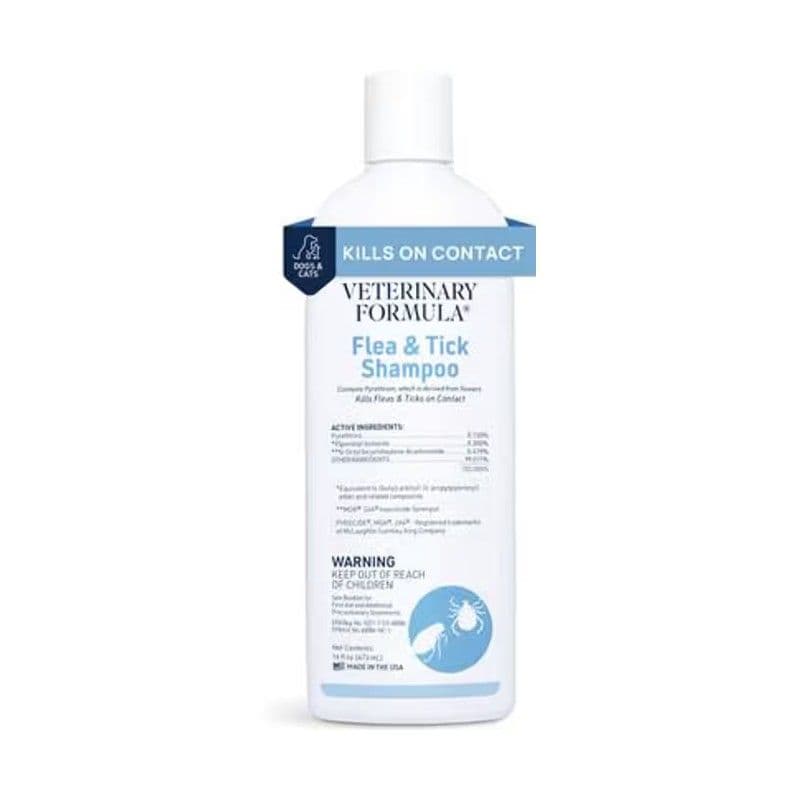
Pyrethrin-based medicated OTC shampoo that kills fleas and ticks on contact for dogs and cats. A low-cost first step before starting a long-term flea preventive.
Petful may earn a commission when you click through to Chewy, at no extra cost to you.
Lemon juice and citrus sprays: myth, with a caution
Does lemon juice kill fleas on dogs? No. The boiled-lemon overnight spray that circulates online has no evidence of killing fleas or their eggs. The kernel of science underneath it is d-limonene, a citrus-peel extract used in some licensed flea shampoos, but the concentration in homemade lemon water is nowhere near a working dose. Concentrated citrus oil is a skin irritant, and cats are far more sensitive to it than dogs. My verdict: skip the lemon spray, and never use any citrus-oil product on or around cats.
Coconut oil and the baking soda and salt trick deserve one honest line each. Coconut oil may smother the fleas it directly coats and leaves the fur greasy; it is a moisturizer, not a flea treatment. Baking soda and salt worked into carpet may dry out some eggs and larvae, but the vacuuming you do afterward is what actually helps.
Essential Oils and Garlic: Remedies That Can Hurt Your Dog
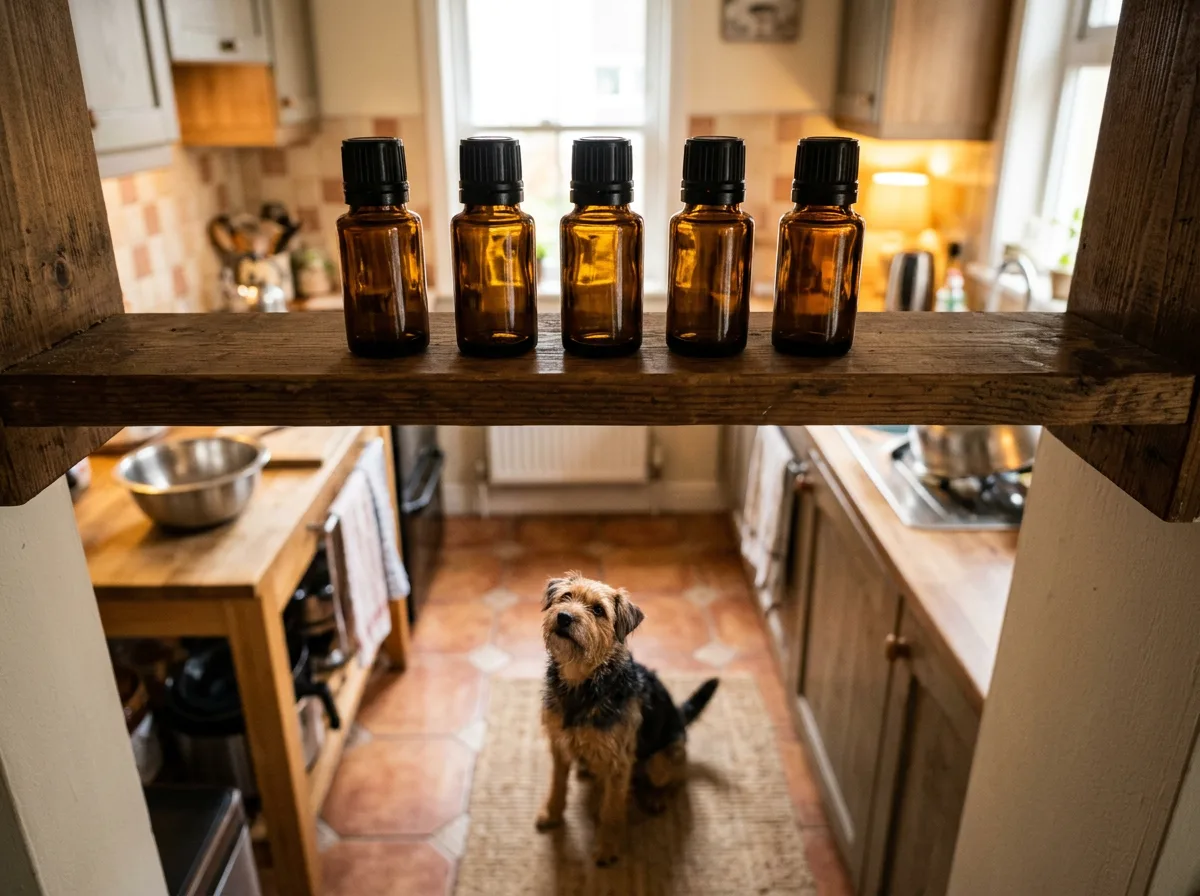
This is the section I most need you to take seriously, because these “natural” remedies send pets to emergency clinics every flea season. Natural does not mean safe.
Essential oils for fleas on dogs are marketed everywhere, and a few (like cedarwood or peppermint blends) appear in commercial products at carefully controlled concentrations. The DIY version is a different animal. Per the toxicology references veterinarians actually use, including the Merck Veterinary Manual, the specific dangers are:
- Tea tree oil (melaleuca): concentrated tea tree oil is toxic to dogs. As little as a few milliliters of 100% oil applied to the skin can cause weakness, tremors, drunken gait, and collapse. Dogs also ingest whatever you put on their coat when they groom.
- Pennyroyal oil: an old “flea herb” that can cause liver failure. There is no safe DIY dose. Never use it.
- Undiluted anything: essential oils absorb through skin and are concentrated by grooming. Diffusers in small rooms add inhalation exposure on top.
Cat households: oils are a bigger danger
- Cats lack the liver enzymes to clear essential oils, so tea tree, citrus, and pine oils that merely irritate a dog can poison a cat. In cat households, skip DIY oil sprays entirely, even when the spray is aimed only at the dog they cuddle with.
Now the garlic myth. Does garlic kill fleas? No, and it never has. Garlic for fleas is the myth I have spent the most years debunking: the theory says fleas dislike the taste or smell of a garlic-fed dog, but fleas are not choosy. A healthy dog on a premium diet with a garlic supplement gets flea bites exactly like every other dog. What garlic actually does is worse than nothing: garlic and its Allium relatives (onion, chive, leek) damage canine red blood cells, and enough of it, fed daily “for fleas,” can cause hemolytic anemia. Signs include weakness, pale gums, rapid breathing, and red-tinged urine, sometimes days after the exposure. The vet verdict is unambiguous: garlic is a dangerous myth, not a remedy.
Fleas in the House: When Home Remedies Are Not Enough
If fleas keep reappearing on a combed, bathed dog, the infestation is living in your home, and no on-dog remedy fixes that. The short version of house-level flea treatment: vacuum daily (and empty the canister outside), hot-wash all bedding, use food-grade DE or an insect growth regulator in flea hot spots, and repeat for weeks, because pupae are protected from almost everything until they hatch. Fleas can even ride into a spotless home on wildlife, other pets, or your own pant legs, which is why “how did we get fleas” rarely has a satisfying answer. For the full room-by-room plan, follow our step-by-step guide to get rid of fleas in the house, which owns everything from carpet treatment to yard control.
Getting the Fleas Off Your Dog
This article grades remedies; it deliberately does not walk through the full on-dog treatment process. If you are staring at a flea-covered dog right now, you want the sequence: confirm with a comb, bathe, comb again, start a real preventive, and re-treat the environment on schedule. We keep that complete playbook, including how to treat fleas on dogs of different ages and coat types, in our guide to step-by-step flea removal for dogs. Use this page to decide what to skip, and that page to actually do the work.
When You Need Fleas Dead Fast
Every home remedy on this page is slow or temporary. When a heavy infestation or a flea-allergic dog needs the biting stopped today, the honest answer is not in your pantry: fast-acting oral treatments like nitenpyram (Capstar) start killing fleas in about 30 minutes, and modern vet-grade products clear an infestation in a way no soap bath can. There is no home remedy that kills fleas instantly and keeps them off. For the ranked rundown of what genuinely works within hours, see what kills fleas on dogs instantly.
A Safety Warning for Cat Owners
Everything in this article is graded for dogs, and dog-safe is not cat-safe. Two rules protect the cats in your home:
- Never use a dog flea product on a cat, and be careful even with contact. Permethrin, common in dog spot-ons like K9 Advantix II, causes tremors and seizures in cats, and cats can be poisoned just by grooming or sleeping against a freshly treated dog.
- Essential oils, citrus sprays, and garlic are all more toxic to cats than to dogs. Are essential oils safe for cats? No. A cat household should treat every DIY spray in this article as off-limits.
If you use a permethrin product on your dog, keep the pets separated until the application is fully dry. Learn the symptoms and emergency steps in our guide to permethrin and essential oil dangers for cats.
When to Move From Home Remedies to Real Prevention
Here is the pattern I want you to avoid: comb, bathe, spray vinegar, see fewer fleas for a day, repeat for two months while the carpet population explodes and your dog develops flea allergy dermatitis. Home remedies are a reasonable first response to a few hitchhiker fleas and a good supplement to any plan. They are the whole plan only if you enjoy losing slowly.
Move to vet-grade prevention when any of these is true:
- You are still combing off live fleas after 2 weeks of diligent bathing, combing, and vacuuming.
- Your dog is chewing its tail base raw, losing hair, or has scabby skin (likely flea allergy).
- You have multiple pets, especially any cat, sharing the space.
- You live somewhere with a long warm season, where the flea cycle never really pauses.
Modern preventives are tested for exactly the safety concerns that drive people to natural remedies in the first place, and options now span chews, topicals, and collars at a range of prices. Compare the categories and active ingredients in our complete guide to proven flea treatment for dogs. Whichever route you choose, consistency beats product choice: most “failed” flea treatments are really missed doses. A free MyPetID profile lets you log each flea treatment, track dosing frequency, and get automatic reminders before the next dose is due, which quietly fixes the compliance problem that keeps most infestations alive.
Frequently Asked Questions
Only physical methods reliably kill fleas: a soapy bath (Dawn or dog shampoo) drowns fleas on contact, and a fine-toothed flea comb removes adults and flea dirt. Both are temporary relief with no residual protection, so pair them with environmental cleanup and a vet-grade preventive.
Yes, on contact. Dawn breaks the surface tension so fleas drown during the bath, but it has no lasting effect and does not prevent new fleas. It can also dry the skin with repeated use, so it is a rescue bath, not a flea program.
Food-grade diatomaceous earth is reasonably safe used dry on carpets and bedding with pets out of the room until the dust settles. Do not rub it into your dog’s coat, never use pool-grade DE, and skip it in homes with respiratory problems.
No. Garlic does not repel or kill fleas, and fed regularly it can damage your dog’s red blood cells and cause anemia. It belongs on the dangerous-myth list along with tea tree and pennyroyal essential oils.