
Petful is reader supported. As an affiliate of platforms like Amazon and Chewy, we may earn a commission when you buy through links on this page. There is no extra cost to you.
Hound dog breeds are the ancient hunting dogs bred to chase and track game, and they split into two great families: scenthounds that follow a smell and sighthounds that follow movement. From the wrinkled Bloodhound with the best nose on earth to the greyhound built like a coiled spring, this group is one of the most varied in all of dogdom. This guide lists every major hound, sorted by how it hunts, with a photo and the plain facts on size, temperament, and what living with one is actually like.
If you already have a favorite in mind, jump ahead. If you are still deciding, start with the two big categories below, because a scenthound and a sighthound will run your household in completely different ways.
- 1Hounds divide into scenthounds (nose-driven trackers like the Beagle and Bloodhound) and sighthounds (speed-driven chasers like the Greyhound and Whippet), with a few pack and primitive hounds that blur the line.
- 2Scenthounds tend to be vocal, food-motivated, and nose-distracted on walks; sighthounds are quiet, sprint-then-nap athletes with a strong chase drive.
- 3There is no single “best” hound: match the hunting style, energy level, and grooming load to your home before you fall for the photo.

Don’t Guess When It Comes To Your Pet’s Care
Sign up for expert-backed reviews and safety alerts all in one place.
What Is a Hound Dog?
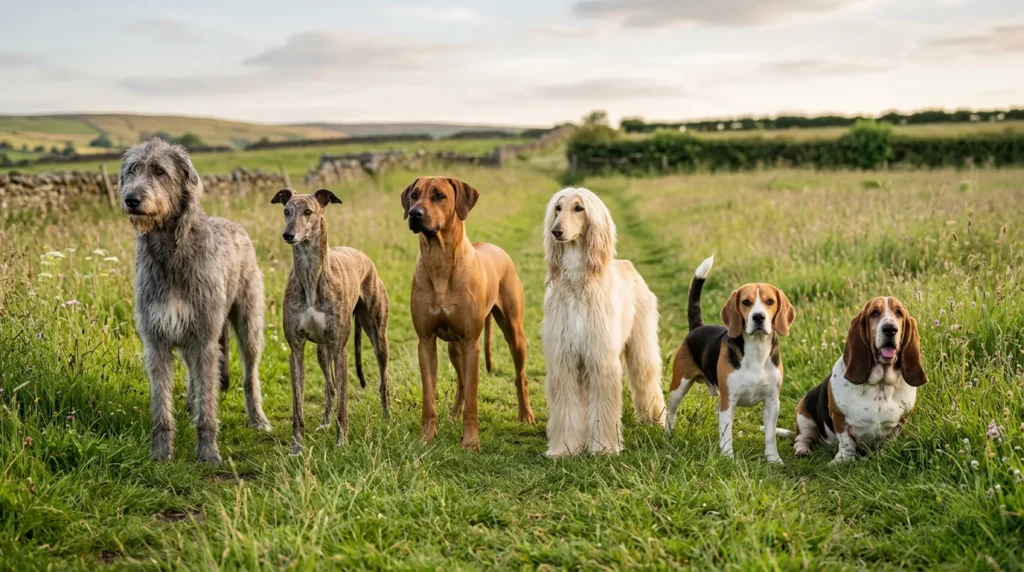
A hound is a dog developed to hunt by pursuit rather than by pointing, flushing, or retrieving. That is the thread that ties a 7-pound Dachshund to a 150-pound Irish Wolfhound: both were bred to find and follow quarry, just at different sizes and over different terrain. The American Kennel Club groups dozens of these breeds together in its Hound Group precisely because they share that ancestral job (see the AKC Hound Group for the full registry).
What they do not share is method, and method is everything when you bring one home. A scenthound experiences the world as a map of smells and will happily ignore you to read it. A sighthound experiences the world as a field of moving targets and will be gone in three strides if a squirrel breaks cover. Understanding that difference is the single most useful thing you can know before choosing among hound dog breeds.
Scenthound vs Sighthound: The Core Split
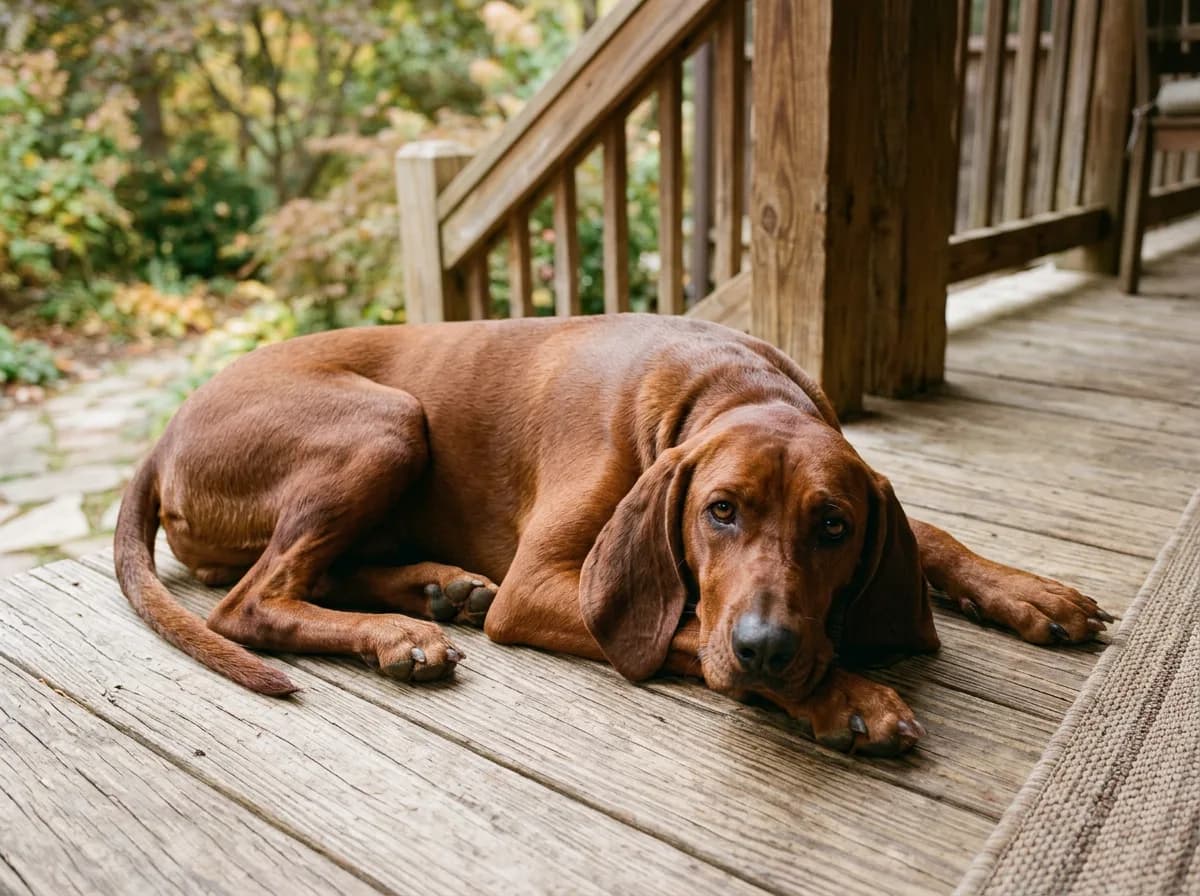
The two families were shaped by the land they hunted. Scenthounds came out of forests and fields where quarry hid in cover and left a trail on the ground. They needed a phenomenal nose, deep endurance, and a booming voice to tell the hunter where the trail led. Sighthounds came out of open country: deserts, steppes, and moors where a hunter could see the prey and needed a dog fast enough to run it down by eye.
That history still lives in the dog on your couch. Below is the quick contrast, then the full breed lists.

Petful may earn a commission when you click through to Chewy, at no extra cost to you.
Scenthound vs sighthound at a glance
| Trait | Scenthounds | Sighthounds |
|---|---|---|
| Hunts by | Ground and air scent | Sight and motion |
| Build | Sturdy, deep-chested, long ears | Lean, deep-chested, aerodynamic |
| Typical voice | Loud bay or howl | Usually quiet |
| Energy pattern | Steady, all-day stamina | Explosive sprints, then long naps |
| On-leash challenge | Nose pulls them off course | Prey drive triggers a chase |
| Classic examples | Beagle, Bloodhound, Coonhounds | Greyhound, Whippet, Saluki |
Popular Scenthound Breeds
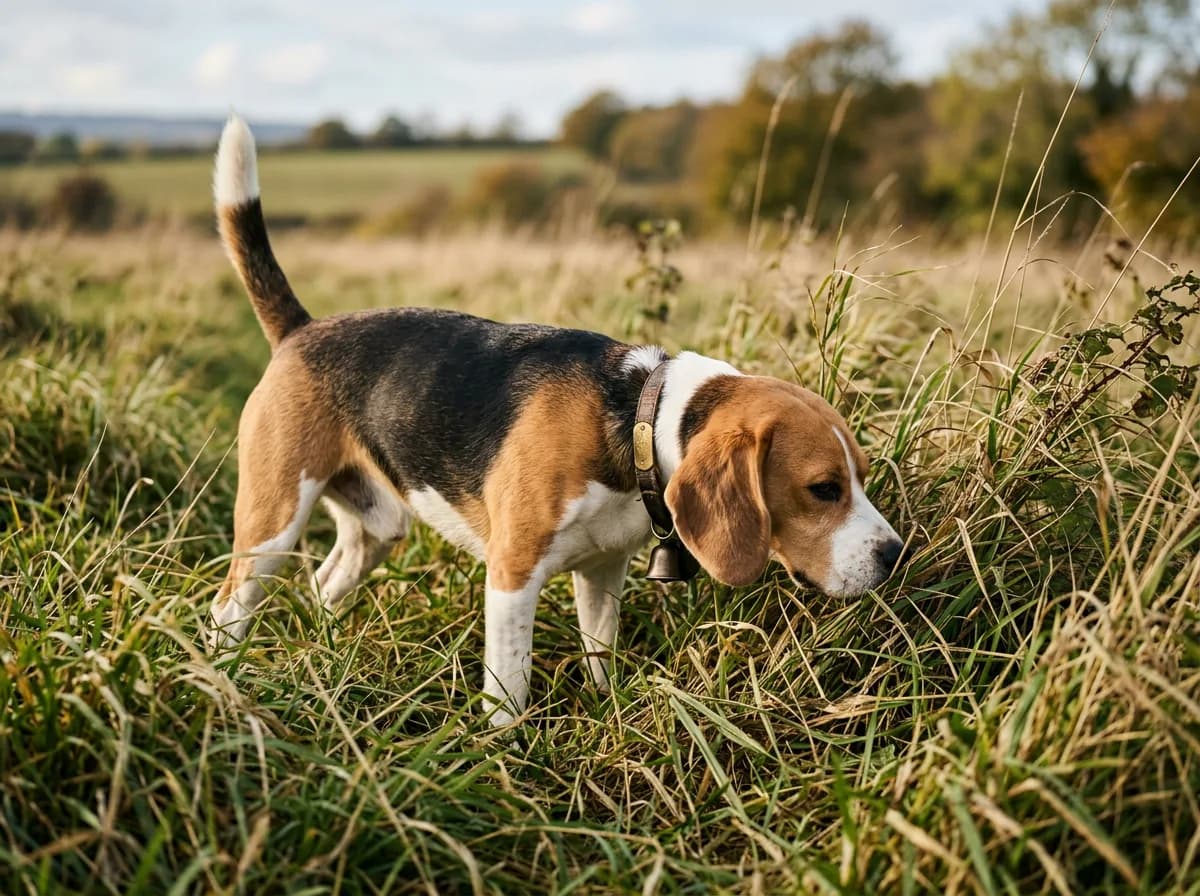
Scenthounds are the trackers. They tend to be friendly, food-driven, endlessly curious, and famously “selectively deaf” the moment a good smell appears. Most were bred to work in packs, which makes them sociable with other dogs but also prone to howling when left alone. If you want a hound you can jog with, hide-and-seek with, and forgive for ignoring you at the park, this is your family.
Beagle
The Beagle is the scenthound most people picture first: compact, merry, and driven by an extraordinary nose that lands it in airports sniffing luggage. Beagles are excellent family dogs, great with kids, and endlessly patient, but they are vocal (the breed’s “bay” carries for a reason) and will follow a scent trail straight through an open gate. Give one a fenced yard, a sturdy harness, and plenty of sniff-walks. See the full Beagle puppy profile for growth and training detail.
Bloodhound
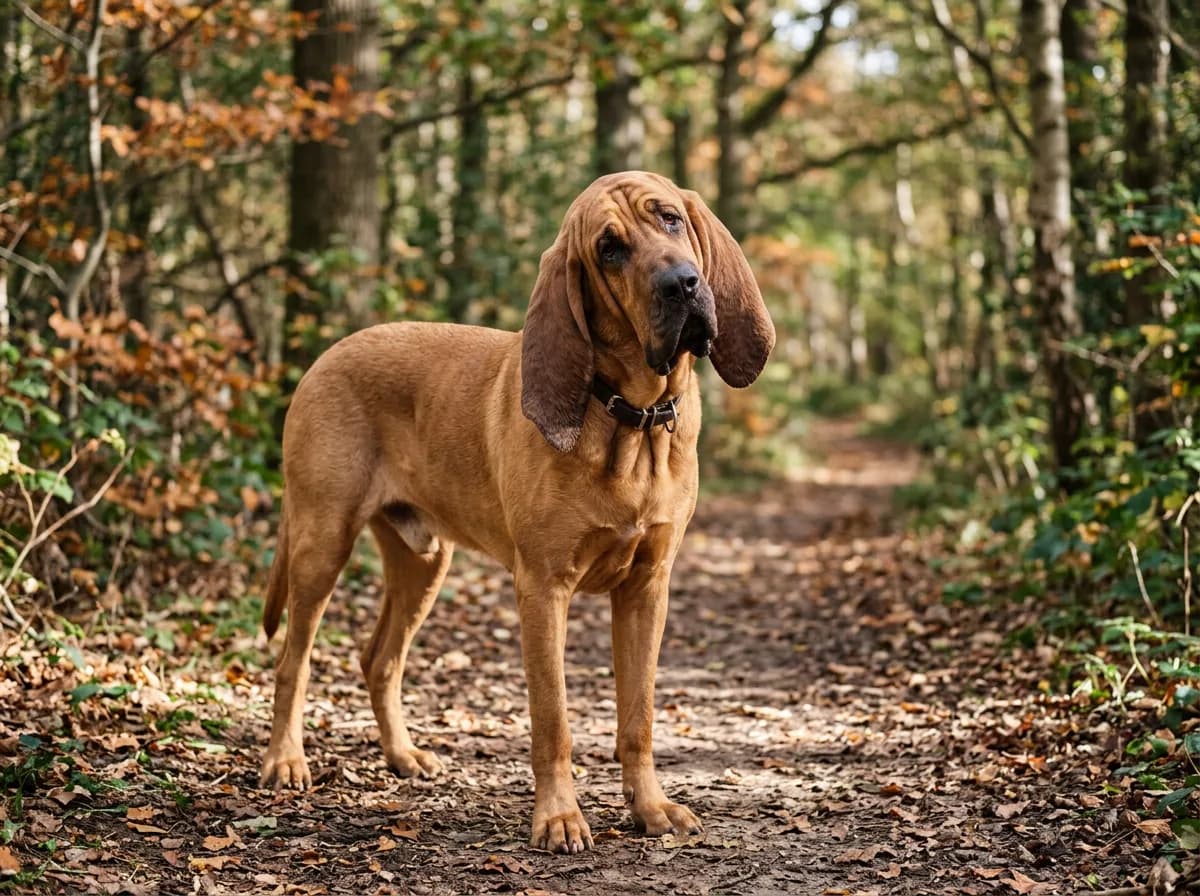
Perhaps the most “hound” of all hound dog breeds, the Bloodhound carries the finest nose in the animal kingdom, so accurate that its trailing results are admissible in court. Behind the mournful wrinkles is a gentle, patient giant that adores people. The trade-offs are drool, a powerful pull on the leash, and a stubborn streak that laughs at half-hearted training. Read the Bloodhound puppy profile before committing to that much dog.
Basset Hound
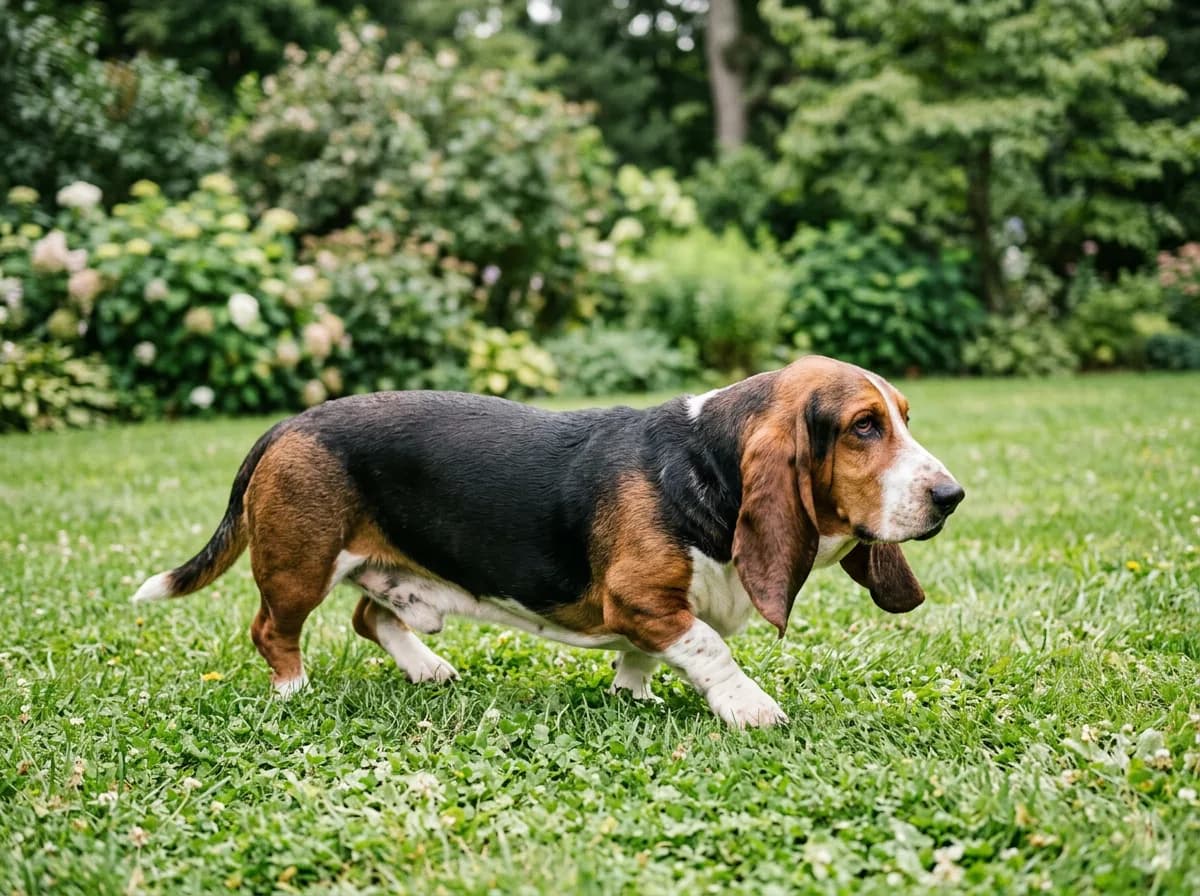
Instantly recognizable for its long body, short legs, and ears that sweep the ground, the Basset Hound is a low, slow, methodical tracker with a nose second only to the Bloodhound. Bassets are mellow and affectionate at home but independent and food-obsessed, and their long backs mean weight control and careful lifting matter. Our Basset Hound breed profile covers the health watch-outs in depth.
Dachshund
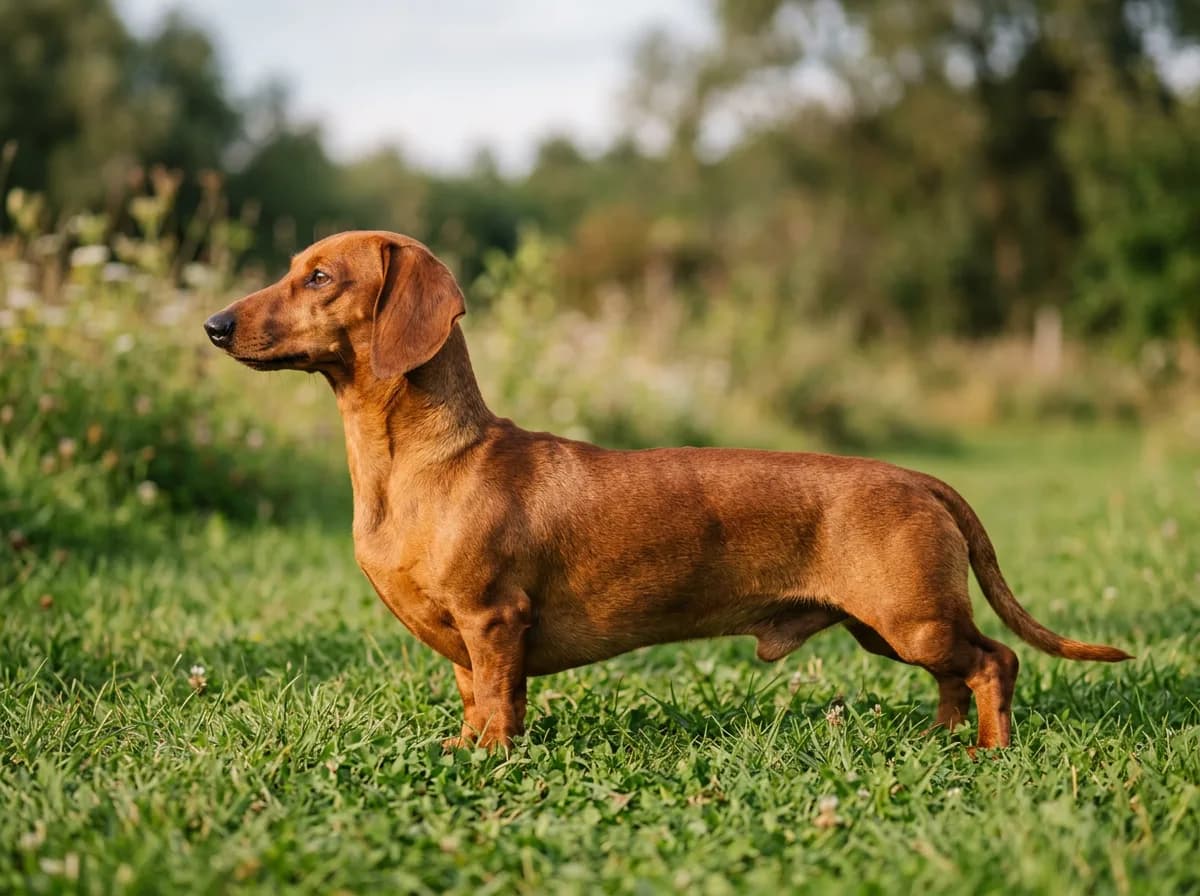
Yes, the Dachshund is a scenthound. Bred to go to ground after badgers, the “wiener dog” is bold, clever, and far more houndlike than its lapdog reputation suggests. That long spine is also the breed’s biggest health concern: intervertebral disc disease is common, so ramps, weight control, and no reckless jumping are non-negotiable, a point the AKC underscores in its breed guidance (see the AKC Dachshund breed page). More in our Dachshund puppy profile.
American Foxhound and English Foxhound
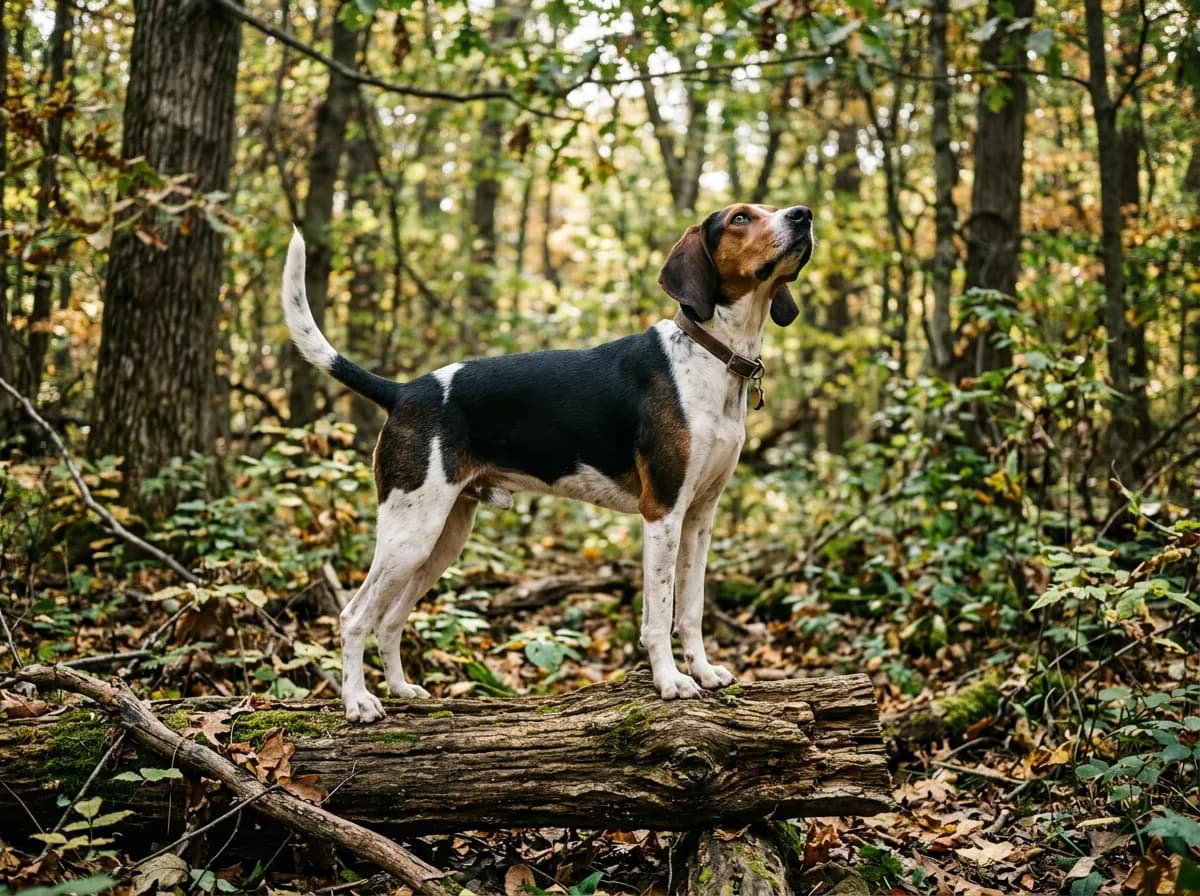
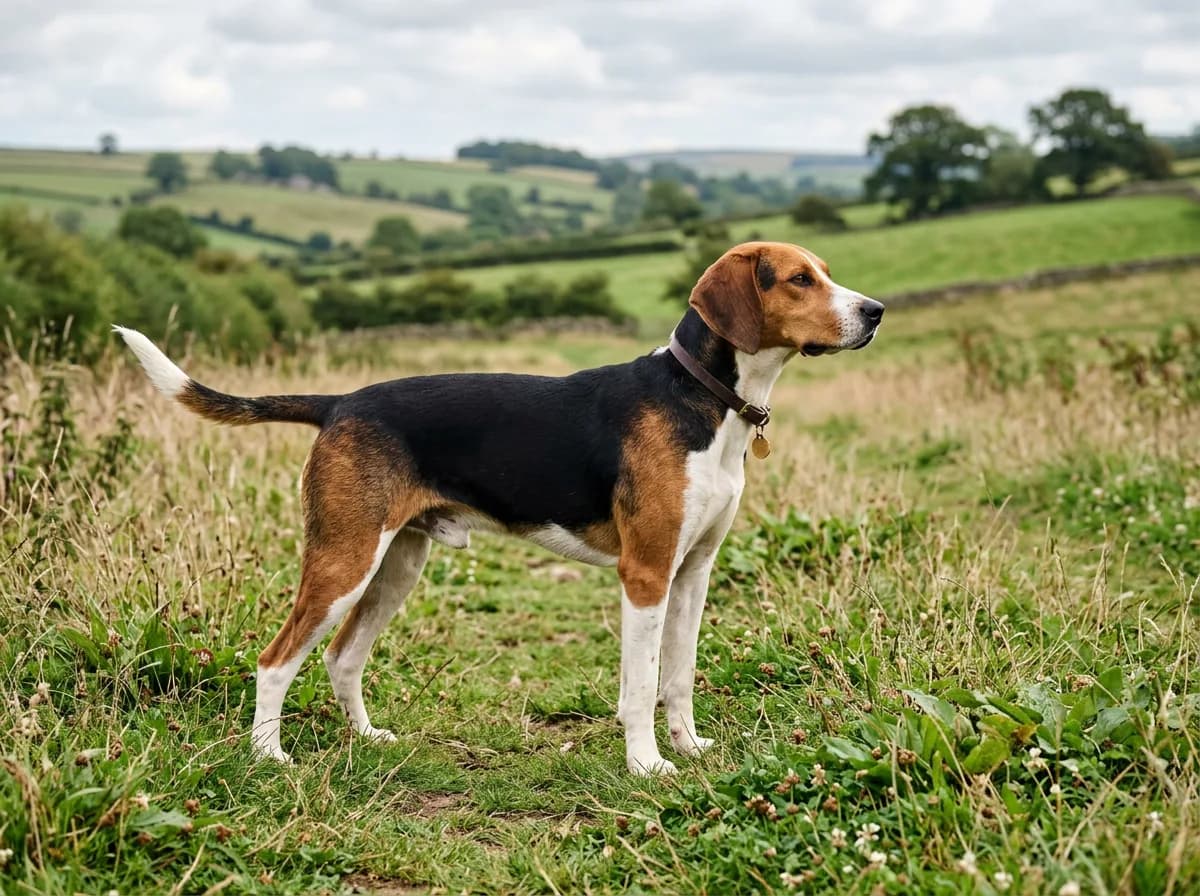
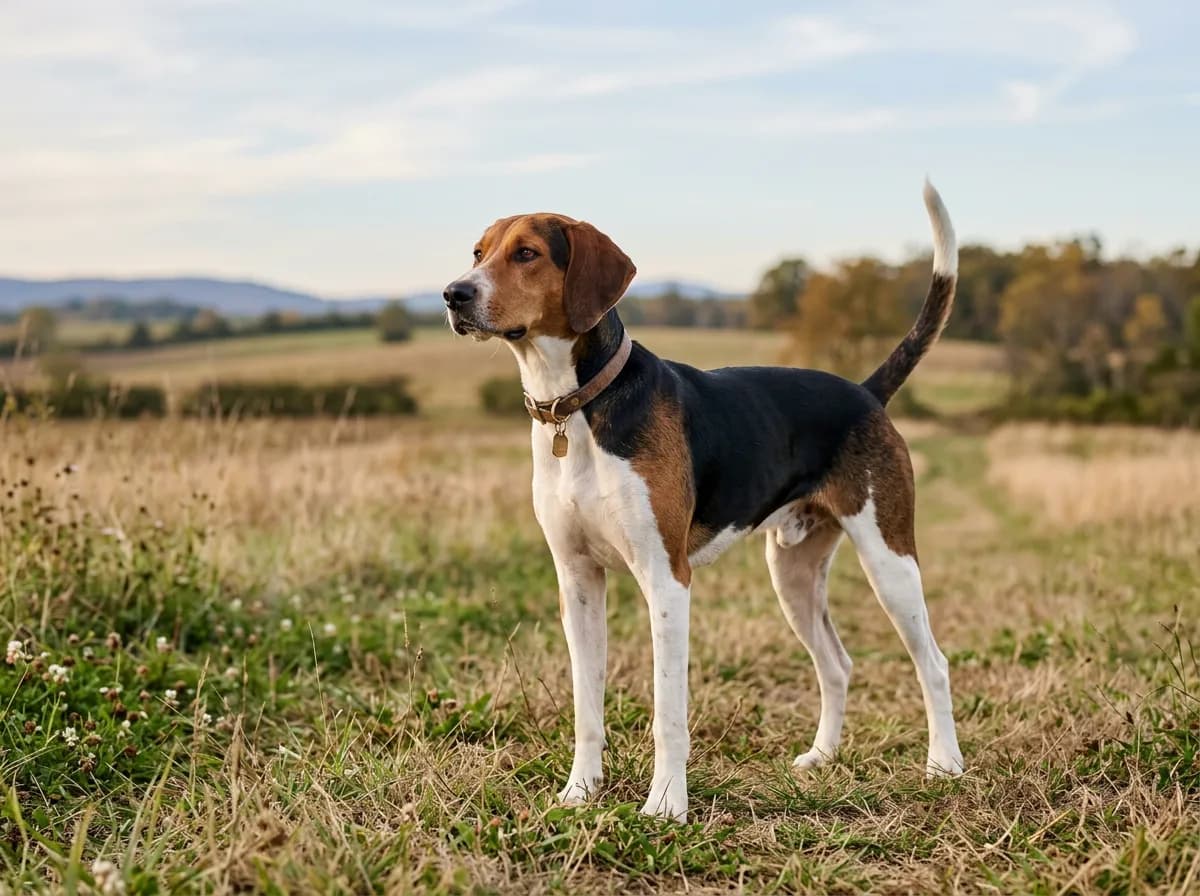
The Foxhounds are the classic pack scenthounds, bred to run for miles behind a scent line. American Foxhounds are lean, sweet-natured, and low-maintenance in coat but high in stamina; English Foxhounds are a touch stockier and just as tireless. Both need serious daily exercise and a job, and both bay. Explore the American Foxhound profile and the English Foxhound profile.
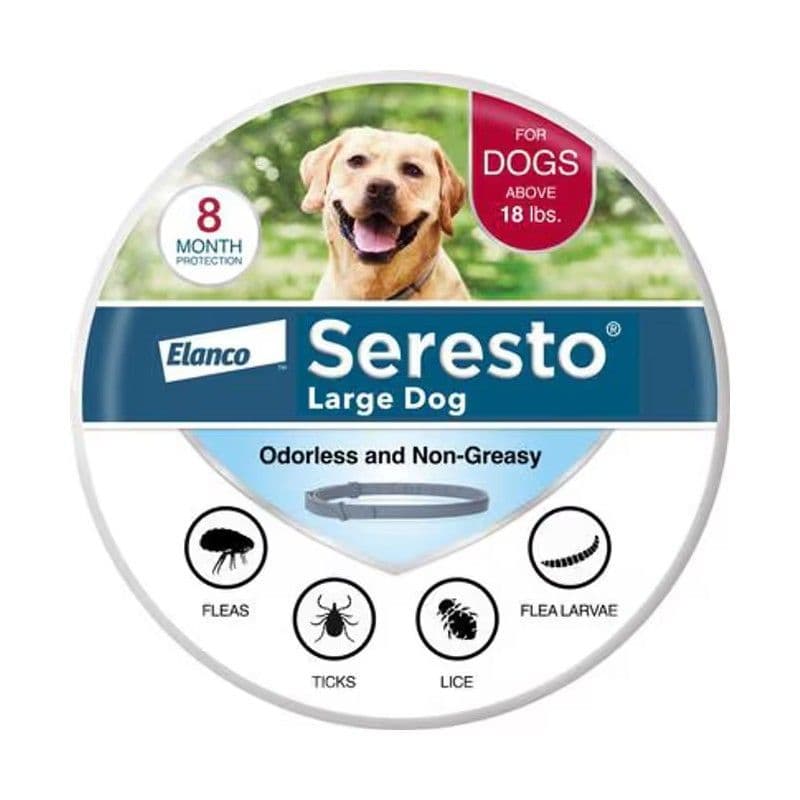
Odorless, non-greasy 8-month flea and tick collar for dogs over 18 lbs that kills and repels fleas and ticks and also kills lice and flea larvae.
Petful may earn a commission when you click through to Chewy, at no extra cost to you.
The Coonhounds
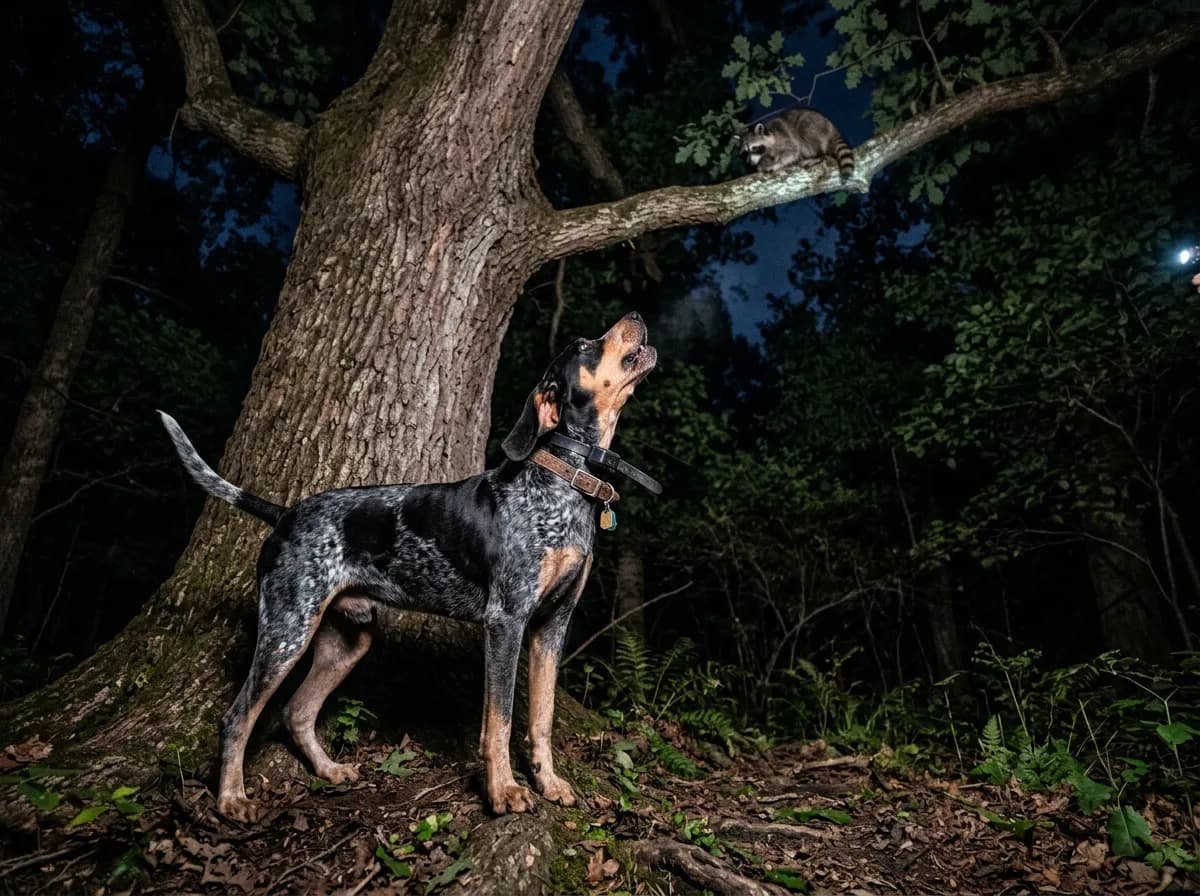
Coonhounds are America’s night-trailing specialists, bred to follow raccoon and larger game and then “tree” it while baying to signal the hunter. They are affectionate, driven, and famously loud, and they come in six distinct varieties.
The Bluetick Coonhound wears a dark, mottled blue-ticked coat and is known for a drawn-out, musical bawl that carries for a mile. Bluticks are devoted and athletic but demand real exercise and a job. See the Bluetick Coonhound profile for the details.
The Redbone Coonhound is the sleek, solid-red member of the group and one of the most easygoing family dogs among the coonhounds, as long as it gets its miles. The Black and Tan Coonhound was the AKC’s first recognized coonhound: a mellow but determined trailer built for cold-nose tracking. Read more in the Redbone Coonhound profile.
The Treeing Walker Coonhound is the fast, athletic “People’s Choice,” now the state dog of Kentucky, prized for speed and a clear tenor voice. See the Treeing Walker Coonhound profile. The American English Coonhound is a racy, high-energy trailer built for endurance over distance.
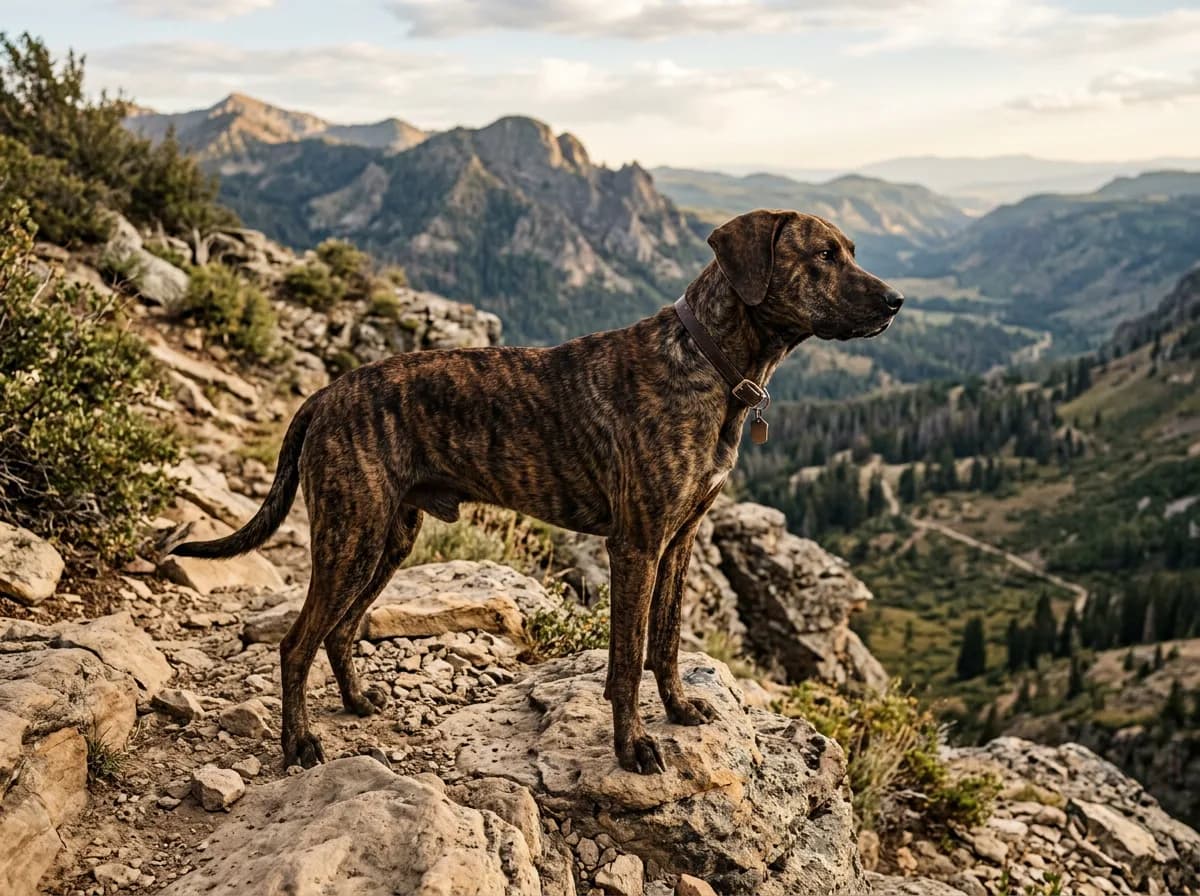
The Plott Hound is the odd one out: the only coonhound of German rather than English descent, bred to hunt boar and bear, and the state dog of North Carolina. Tough, courageous, and intensely loyal, it wants an experienced, active owner. More in the Plott Hound profile.
All coonhounds share a need for exercise, secure fencing, and tolerant neighbors, because that voice is a feature, not a bug.
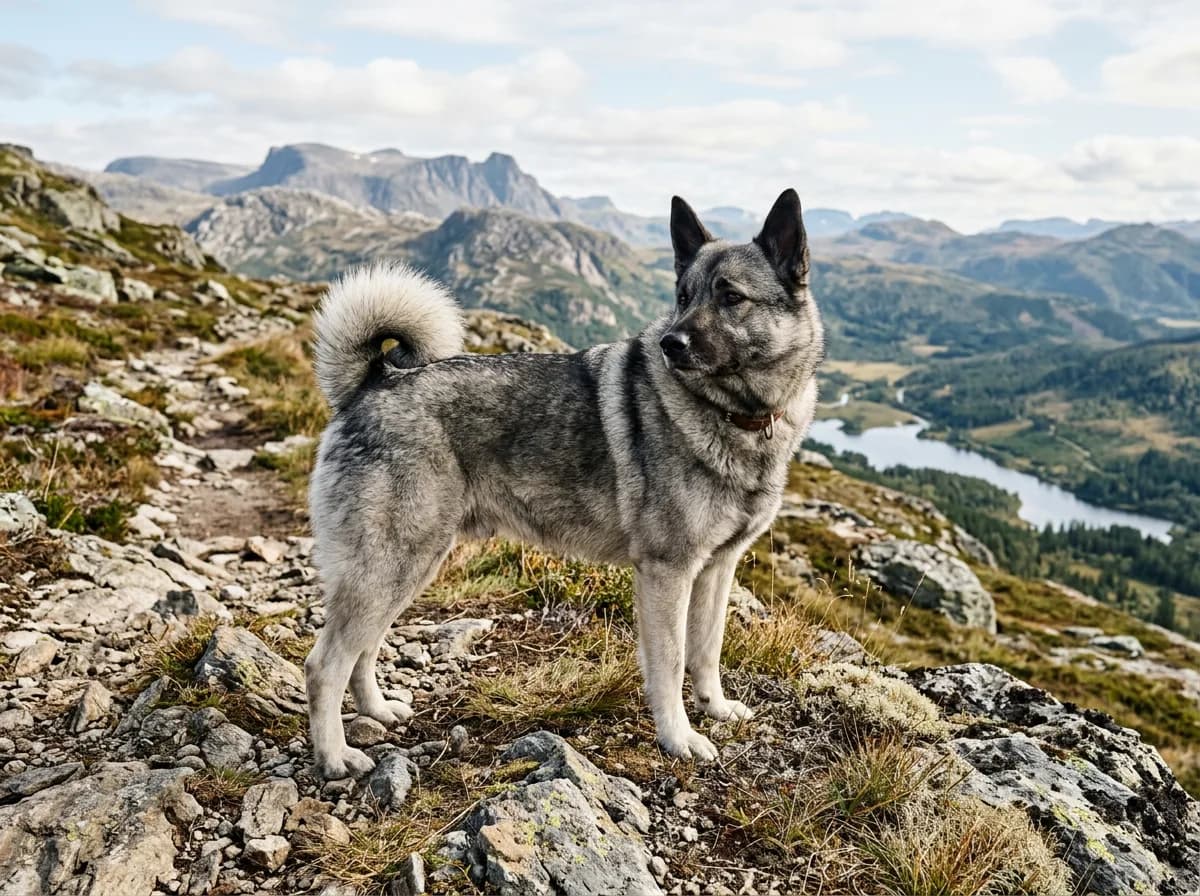
Norwegian Elkhound
An ancient Nordic hunter bred to track and hold moose and bear, the Norwegian Elkhound looks more like a spitz than a typical hound but works by scent and stamina. It is bold, friendly, and vocal, with a heavy double coat that sheds in dramatic seasonal blowouts. See the Norwegian Elkhound profile.
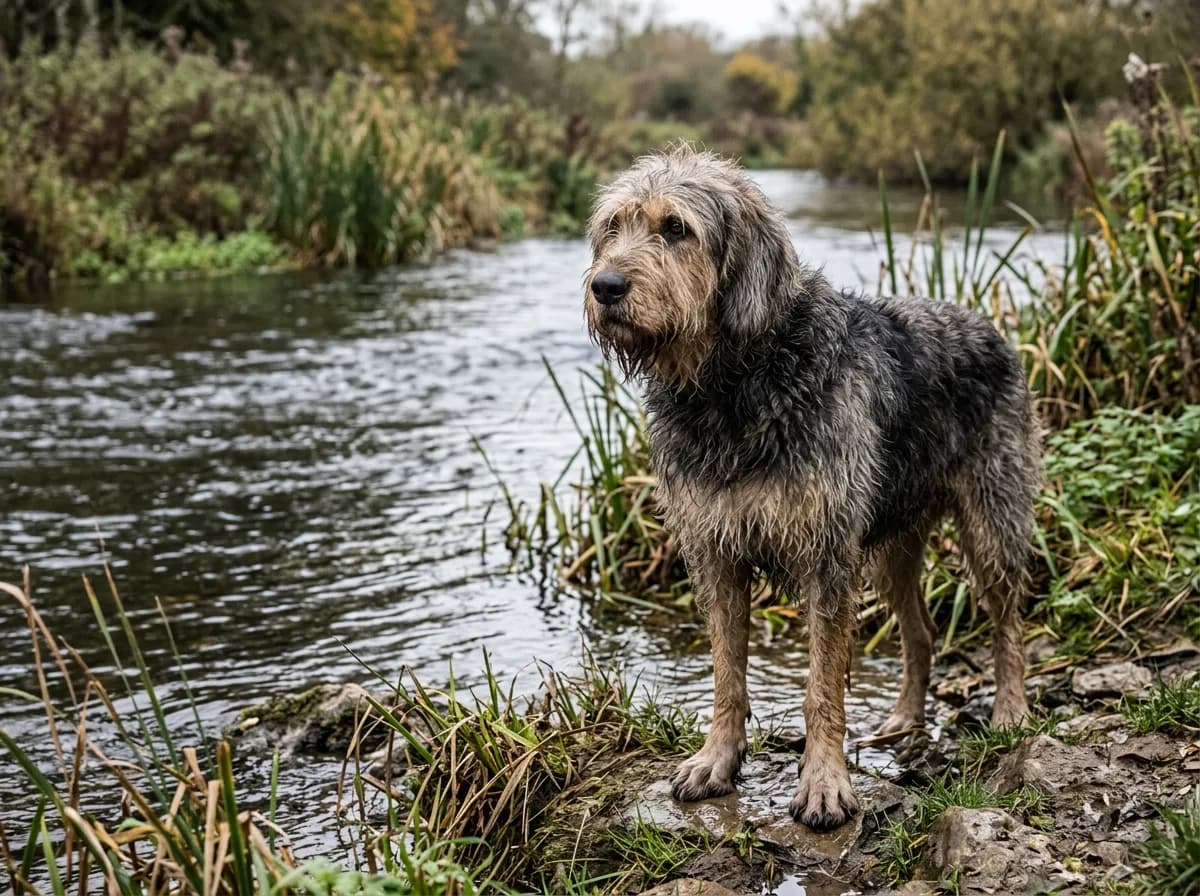
Otterhound
The Otterhound is a big, rough-coated, web-footed swimmer and one of the rarest breeds in the world, with fewer than a thousand left globally. It is friendly, boisterous, and built for the water, with a shaggy double coat and a booming voice. The Otterhound profile covers its rarity and its exuberant, family-friendly nature.
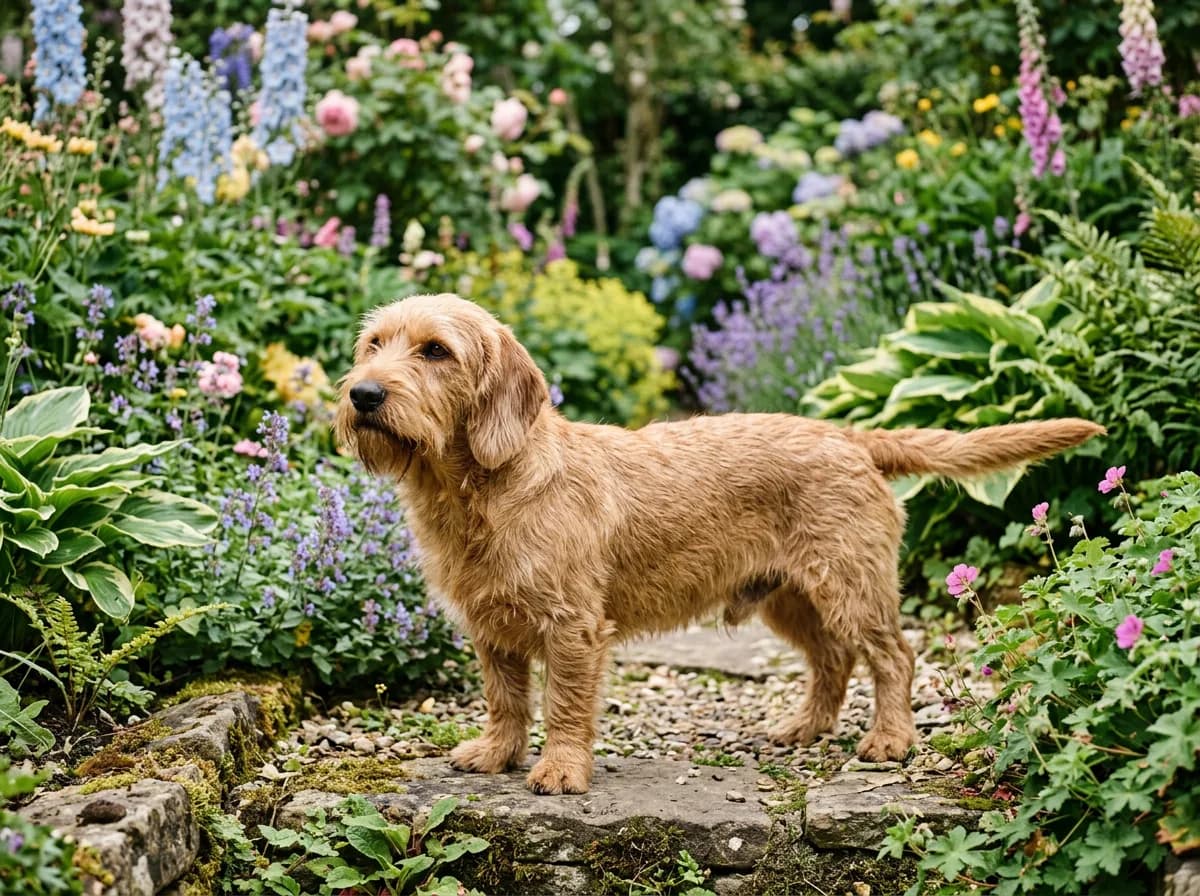
Basset Fauve de Bretagne
The Basset Fauve de Bretagne is a smaller French scenthound: a wiry-coated, fawn-colored, and increasingly popular pack hound. Bold and sociable, it packs a lot of trailing drive into a compact, low-slung frame. See the Basset Fauve de Bretagne profile.

Petful may earn a commission when you click through to Chewy, at no extra cost to you.
Harrier and Grand Basset Griffon Vendeen
The Harrier looks like a Beagle scaled up to hare-hunting size: a cheerful, hardy pack scenthound that needs plenty of exercise and company. The Grand Basset Griffon Vendeen is a long, low, rough-coated French hound with a merry, extroverted personality and a distinctive scruffy face. Its smaller cousin, the Petit Basset Griffon Vendeen, packs the same happy, tousled charm into a shorter body. All three are pack-bred, so they crave companionship and can be vocal when bored.
Popular Sighthound Breeds
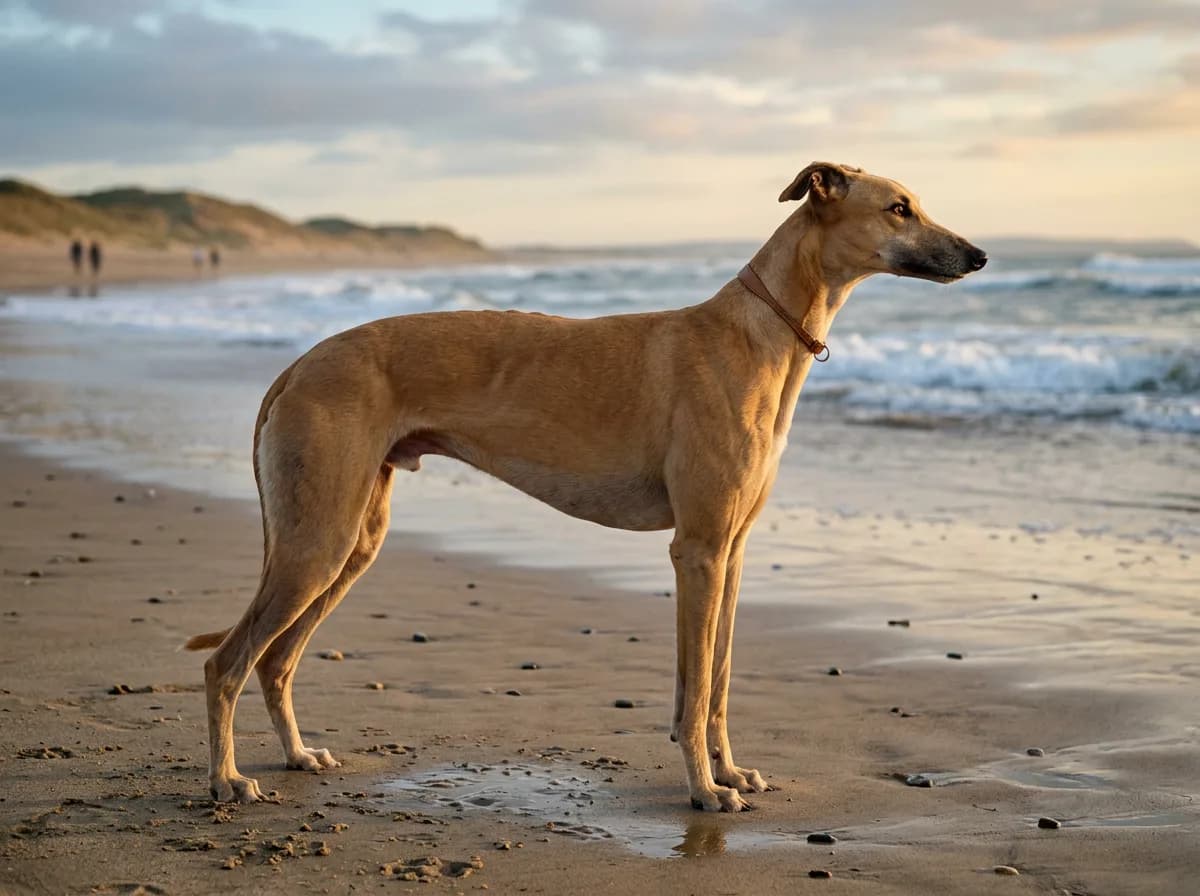
Sighthounds are the sprinters. Lean, deep-chested, and built like race cars, they hunt by spotting motion and running it down at breathtaking speed. The stereotype that they are hyperactive is backward: most are quiet, dignified couch potatoes who need one good sprint a day and then sleep for hours. The catch is prey drive. A sighthound off-leash near a fleeing squirrel is a dog you may not see again, so secure fencing and leashed walks are the rule.
Greyhound
The Greyhound is the fastest dog on earth over distance and, paradoxically, one of the calmest pets you can own. Retired racers make gentle, affectionate, low-drama companions. One medical note that matters: Greyhounds and other sighthounds have low body fat and a documented sensitivity to certain anesthetic drugs, so always use a vet familiar with the breed, a point we cover in how minor surgery could put your Greyhound in danger. Start with the Greyhound breed profile.
Whippet
Think of the Whippet as a Greyhound in a smaller package: same aerodynamic build, same explosive speed, same gentle off-switch at home. Whippets are affectionate, quiet, and apartment-friendly as long as they get a daily sprint, and their thin coats mean they feel the cold. See the Whippet breed profile.
Italian Greyhound
The Italian Greyhound is the sighthound shrunk to lapdog size: a fine-boned, 7-to-14-pound sprinter that is equal parts athlete and cuddler. They bond intensely with their people and love warmth, but those slender legs are fragile, so supervise rough play. More in the Italian Greyhound profile.
Saluki
One of the oldest breeds on record, the Saluki was cherished by ancient desert cultures and built to run down gazelle over open sand. Aloof, elegant, and independent, the Saluki is quieter and more sensitive than most and needs sighthound-savvy handling. See the Saluki breed profile.
Borzoi
The Borzoi, or Russian Wolfhound, is a large, silky-coated sighthound bred by Russian nobility to course wolves. Calm, catlike, and gentle indoors, it carries the same strong chase instinct and needs space to stretch out. Read the Borzoi breed profile.
Petful may earn a commission when you click through to Chewy, at no extra cost to you.
Scottish Deerhound
The Scottish Deerhound is a rough-coated giant bred to course red deer across the Highlands: gentle, dignified, and famously mellow indoors despite its size. It needs room to stretch out and soft bedding for its lanky frame. See our Scottish Deerhound profile.
Irish Wolfhound
The Irish Wolfhound is the tallest breed the AKC recognizes, a true gentle giant with a devoted, easygoing temperament and, sadly, a short lifespan for its size. With both of these giants, watch for bloat, feed measured meals, and manage slow, careful growth in puppyhood. See the Irish Wolfhound profile.
Ibizan Hound
The Ibizan Hound is a high-jumping, deer-agile Mediterranean hunter with tall satellite ears and a light, springy frame. It can clear a low fence from a standstill, so it needs a tall, secure yard and an owner who appreciates its clownish, sensitive personality. See the Ibizan Hound profile.
Pharaoh Hound
The Pharaoh Hound is Malta’s national dog and one of the few breeds that famously “blushes,” its nose and ears flushing rose when it is excited or happy. Athletic, affectionate, and clean-coated, it hunts by both sight and scent and makes a devoted, energetic companion. See the Pharaoh Hound profile.
Afghan Hound
The Afghan Hound is the supermodel of the group: an ancient sighthound draped in a glamorous, floor-length coat that demands serious grooming. Beneath the runway looks is an aloof, independent, sometimes comically silly dog that rescues warn is not for first-timers. More in the Afghan Hound profile.
Azawakh
The Azawakh is a West African sighthound bred by nomadic peoples of the Sahel to guard and to course gazelle. Even leaner and taller-legged than a Greyhound, it is fiercely loyal to its own family and reserved with strangers. This is a demanding, primitive breed for a committed sighthound owner.
Petful may earn a commission when you click through to Chewy, at no extra cost to you.
Sloughi
Sometimes called the “Arabian Greyhound,” the Sloughi is a North African desert sighthound: graceful, sensitive, and deeply bonded to its person. It is quieter and more aloof than most, and like other lean sighthounds it needs soft bedding and warmth.
Cirneco dell’Etna and Pharaoh-Type Hounds
The Cirneco dell’Etna is an ancient Sicilian hound from the slopes of Mount Etna, a small, hardy hunter with big erect ears and a light, agile frame. Like its larger Mediterranean relatives, it hunts by both sight and scent and thrives with active owners who enjoy an athletic, independent dog.
Portuguese Podengo Pequeno
The smallest of the three Podengo sizes, the Portuguese Podengo Pequeno is a spirited primitive hound bred to hunt rabbits. Clever, playful, and alert, it makes a lively companion for owners who can channel its busy, inquisitive nature.
Pack and Primitive Hounds That Blur the Line
Not every hound sorts cleanly into scent or sight. A handful hunt by both, and a few are so ancient they predate the split entirely.
Rhodesian Ridgeback
Bred in southern Africa to bay and hold lions, the Rhodesian Ridgeback hunts by both sight and scent and is marked by the signature ridge of backward-growing hair down its spine. Powerful, loyal, and famously independent, it is often called catlike for its cool self-possession. Explore our full Ridgeback cluster: the Rhodesian Ridgeback breed profile, the temperament guide, and the coat colors explainer.
American Leopard Hound
A tough, weather-hardy tree hound with a spotted “leopard” coat, this American original works game by scent and stamina in rough country. See the American Leopard Hound profile.
Basenji
The Basenji is the famous “barkless dog,” a primitive African hound that yodels instead of barks and grooms itself like a cat. It hunts by both sight and scent, is cleverly independent, and is often ranked among the least “doggy” of dogs in habit.
A note on the “leopard” and merle coats
- Some hounds carry the merle or dappled coat pattern. Breeding two merle-patterned dogs together can produce “double merle” puppies at high risk for deafness and vision defects, which is why responsible breeders never pair two merles. If you are buying a spotted or dappled hound, ask the breeder directly about the parents’ coat genetics.
How to Choose the Right Hound for Your Home
The photo will pull you in; the lifestyle fit decides whether it works. Run any hound you love through these filters before you commit.
- Noise tolerance. Most scenthounds bay, howl, or bawl, and it carries. If you share walls, a Whippet or Greyhound is a far quieter neighbor than a Coonhound or Beagle.
- Fencing and recall. Sighthounds bolt after motion; scenthounds vanish after a smell. Nearly every hound needs a secure fence and leashed walks, because reliable off-leash recall is the exception in this group.
- Exercise style. A sighthound wants one hard sprint and a long nap. A scenthound wants a long, sniffy, mileage-heavy walk. Match that to your day.
- Grooming load. An Afghan or a Saluki’s feathering is a real time commitment; a Whippet or Coonhound is wash-and-go.
- Size and lifespan. Giant hounds like the Irish Wolfhound are glorious but short-lived and expensive to feed and medicate. Go in with eyes open.
- Health watch-outs. Long-backed hounds (Dachshund, Basset) need spine care; deep-chested giants risk bloat; sighthounds need breed-aware anesthesia. Ask your vet.
- 1Choose a hound by how it hunts, not how it looks.
- 2Scenthounds suit active families who can handle noise and long sniff-walks; sighthounds suit calmer homes that can offer a daily sprint and secure fencing.
- 3Whatever you pick, plan for the breed’s specific health profile, from Dachshund backs to Greyhound anesthesia sensitivity.
Frequently Asked Questions About Hound Dog Breeds
Living With a Hound: Training and Everyday Enrichment
Hounds were bred to work at a distance from the handler, following their own nose or eye, which is exactly why they earn a reputation for selective hearing. That independence is not really stubbornness, it is instinct, and training goes far better when you cooperate with it instead of fighting it. Short, upbeat, reward-based sessions beat drilling, and reliable off-leash recall is the exception rather than the rule in this group, so a long training line and a securely fenced yard quietly do most of the safety work for you.
- Scenthounds: channel the nose. Scatter-feed meals in the grass, hide treats around the house, and try a beginner scent-work class to tire the brain, not just the legs.
- Sighthounds: manage the chase. Practice recall away from moving triggers and give the dog a fenced sprint or a lure-coursing outlet, rather than hoping the prey drive fades on its own.
- Start socialization early. Pack-bred hounds usually adore other dogs, but calm, positive exposure to cats, traffic, and strangers as a puppy pays off for a lifetime.
Health Conditions Common Across Hound Breeds
Because the hound group spans such extremes of shape, its health risks track body type more than lineage, so knowing the pattern helps you screen a breeder and plan preventive care.
- Long-backed hounds (Dachshund, Basset Hound) are prone to intervertebral disc disease, so ramps, weight control, and no jumping off furniture protect the spine.
- Deep-chested giants (Irish Wolfhound, Scottish Deerhound, Borzoi) face a real risk of bloat, so feed smaller measured meals and ask your vet about a preventive gastropexy.
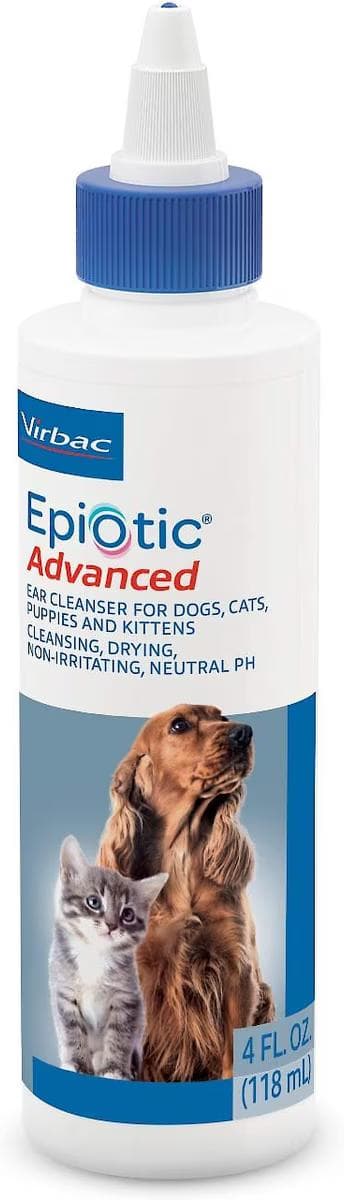
- Long, floppy ears (Bloodhound, Coonhounds, Basset) trap moisture, so weekly ear checks and gentle cleaning head off the chronic infections these breeds are known for.
- Lean sighthounds carry little body fat and process some anesthetics differently, so confirm your vet uses a sighthound-aware protocol before any surgery or dental work.
Know the signs of bloat
- In deep-chested hounds, a swollen or tight belly, unproductive retching, heavy drooling, and pacing restlessness can signal gastric dilatation-volvulus. It is a true emergency: get to a vet at once, because untreated bloat can turn fatal within hours.
Frequently Asked Questions
A hound is a dog bred to hunt by pursuit, either by following a scent on the ground and in the air (scenthounds like the Beagle and Bloodhound) or by spotting and chasing moving prey by sight and speed (sighthounds like the Greyhound and Whippet). The American Kennel Club groups these breeds together in its Hound Group because they share that ancestral hunting purpose.
Hounds are most often split into two main types, scenthounds and sighthounds, with a recognized third category of “pack” or dual-purpose hounds that hunt by both scent and sight. Scenthounds (Beagle, Coonhounds, Bloodhound) track by smell; sighthounds (Greyhound, Saluki, Whippet) chase by sight; and dual-purpose or primitive hounds like the Rhodesian Ridgeback and Basenji use both.
Hounds are generally not aggressive. Most are friendly, gentle, and sociable, because pack-hunting breeds were selected to get along with other dogs and people. As the adoption resource Adopt a Pet notes about Bloodhounds, they are typically gentle with both people and animals, though any individual dog can show aggression if it is poorly socialized, untrained, or feels threatened. Early socialization and consistent training keep any hound well-mannered.
Among hounds, the lean, short-coated sighthounds such as the Greyhound, Whippet, and Basenji tend to have the least “doggy” odor; the Basenji even grooms itself like a cat. The strongest natural hound odor usually comes from heavily jowled, floppy-eared scenthounds like the Bloodhound and Basset Hound, whose skin folds and long ears trap moisture. Regular ear cleaning and bathing keep odor down in any breed.
Apartment restrictions vary by landlord and insurer, not by the hound group specifically, but the practical barriers for hounds are noise and size. Loud scenthounds and coonhounds that bay may run afoul of noise clauses, and giant breeds like the Irish Wolfhound or Scottish Deerhound can exceed weight limits. Quiet, compact hounds like the Whippet, Italian Greyhound, and retired Greyhound are among the most apartment-friendly. Always check the specific pet policy and any breed or weight limits before signing a lease.
For many older adults, a calm, moderately sized, low-grooming hound is a great match. Retired Greyhounds and Whippets are gentle, quiet, and content with a short daily walk plus lots of napping, which suits a relaxed household. Smaller options like the Italian Greyhound offer companionship without much bulk. Avoid strong pullers like the Bloodhound and very large or high-energy hounds unless there is help with exercise and handling.
Dogs respond best to short, distinct words with strong, clear sounds. Common cues that carry well include “sit,” “come,” “stay,” and a dog’s own name, because the sharp consonants and clear vowels are easy to distinguish. This matters for hounds, which are often independent and easily distracted by scent or movement, so consistent one-word cues and high-value rewards make training far more reliable.
The distinctive scent sometimes associated with older adults is often attributed to a compound called 2-nonenal, which the body can produce more of with age. It is unrelated to dogs or hound breeds, but it appears alongside pet and dog questions in search results, so it is worth clarifying here. If you notice a strong odor coming from your hound rather than a person, that is usually an ear, skin-fold, or coat issue worth a vet check.

Coreen Saito is a pet writer and longtime shelter volunteer with more than a decade in animal rescue. She covers cat behavior, breed care, and the small, ordinary science of sharing a life with companion animals, with a particular focus on honest takes about the products and decisions that actually matter. At home in Arizona, she’s outranked by Mac (a dog with the loudest opinion in the house), Rebel (a cat who governs by quiet authority), and Meri (an orange tabby who runs the late shift and the laundry basket). She writes about all three, plus the rescues that keep coming through her life, at LifeWithMinty.com.