
Petful is reader supported. As an affiliate of platforms like Amazon and Chewy, we may earn a commission when you buy through links on this page. There is no extra cost to you.
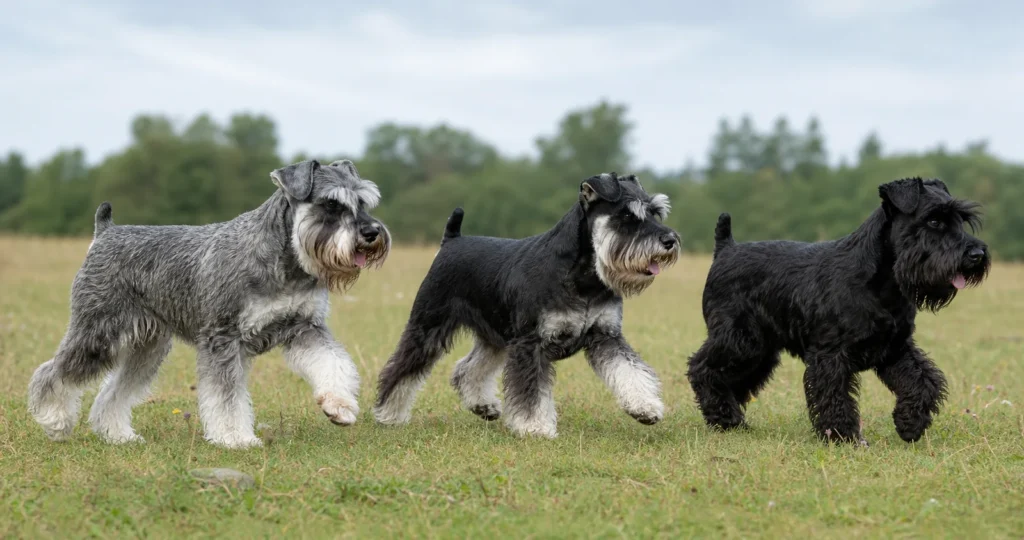
miniature schnauzer colors are easiest to understand when registry language, visible hair pattern, coat texture, and lighting are kept separate. The AKC standard recognizes salt and pepper, black and silver, and solid black. Other descriptions may identify a real coat appearance without being recognized colors under that standard.

Petful may earn a commission when you click through to Chewy, at no extra cost to you.

Don’t Guess When It Comes To Your Pet’s Care
Sign up for expert-backed reviews and safety alerts all in one place.
The three AKC-recognized colors
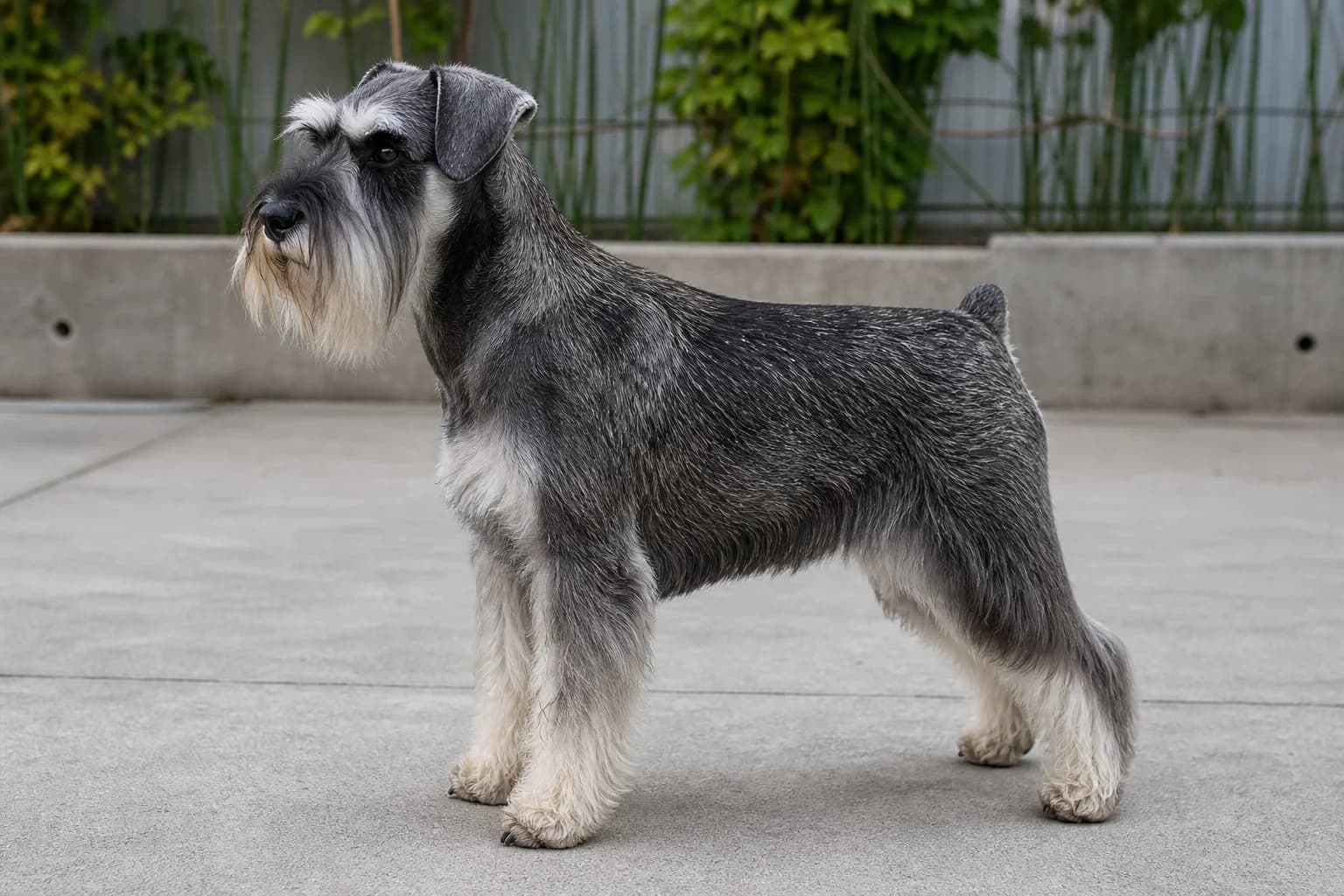
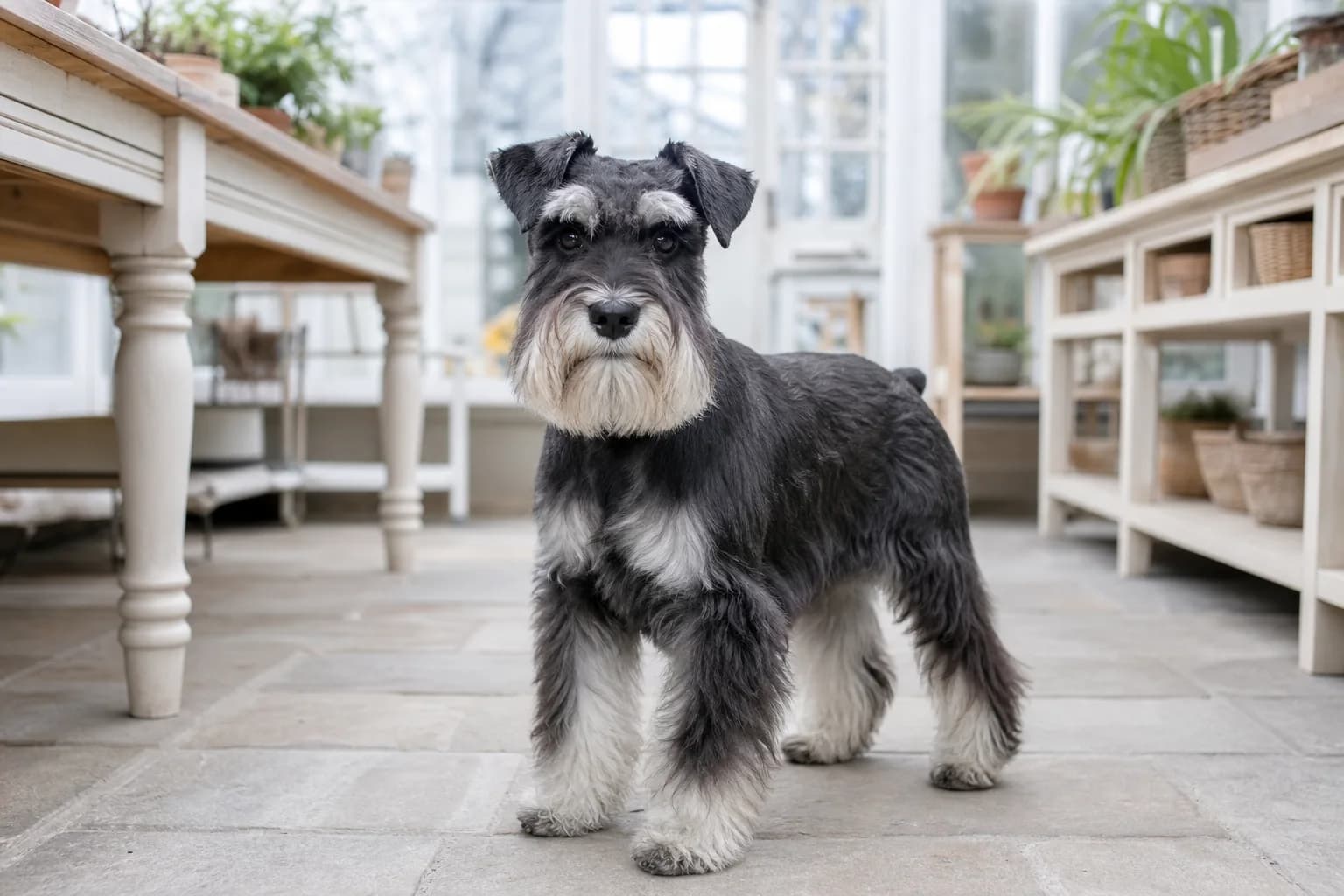
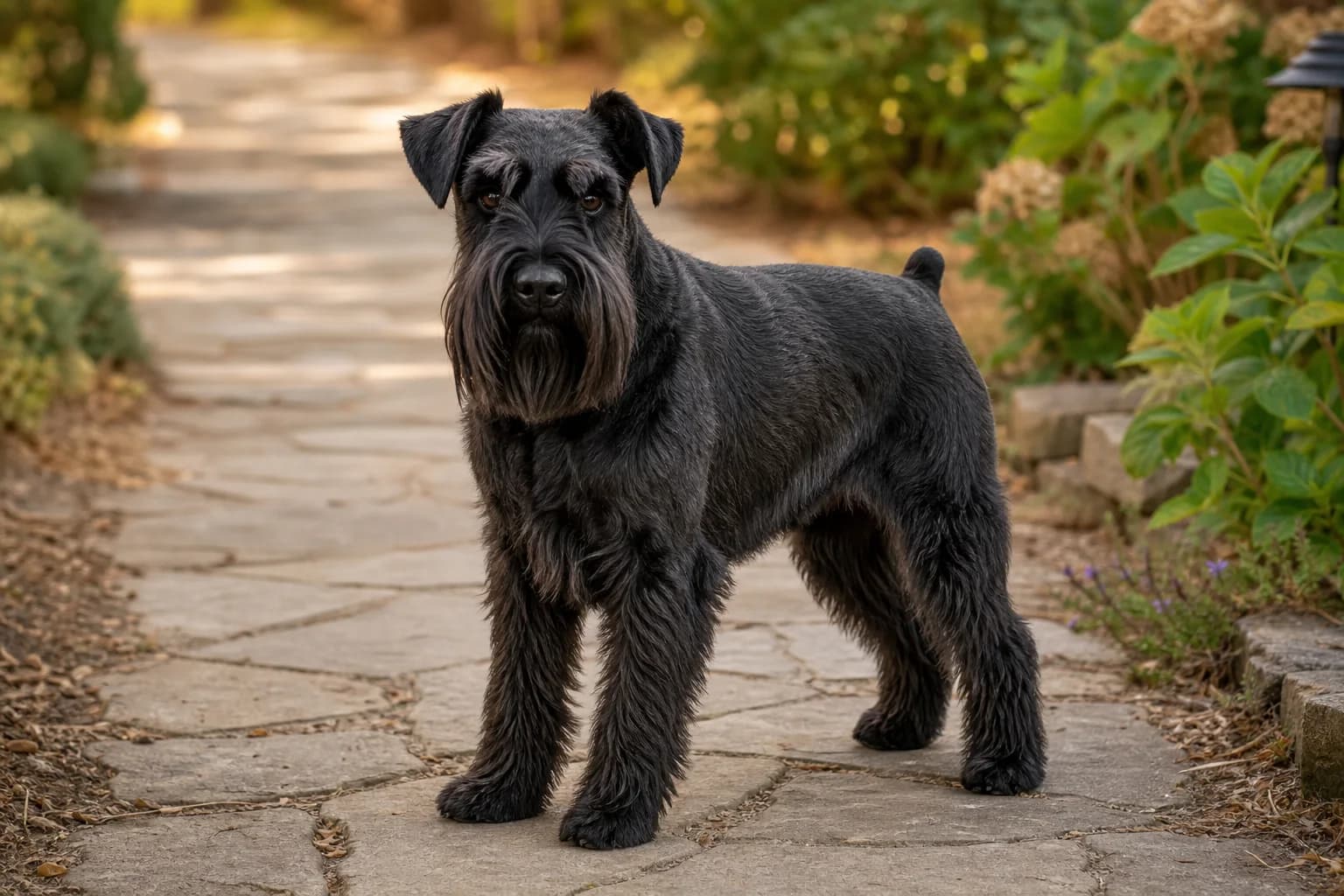
- 1AKC recognizes salt and pepper, black and silver, and solid black.
- 2Salt and pepper is created by banded hairs, not one flat gray pigment.
- 3Clipping, texture, age, sun, and lighting can change apparent color.
- 4Rarity language should never outrank health, structure, records, and temperament.
AKC-recognized colors
| Color | Visible evidence | Common confusion |
|---|---|---|
| Salt and pepper | Banded jacket hairs | Not one flat gray |
| Black and silver | Black body with silver markings | Not salt and pepper |
| Solid black | Black jacket and furnishings | Lighting can hide texture |
The AKC standard describes three accepted colors. A registry standard is useful for precise terminology, especially in breeding and showing, but pet quality and health are not determined by color alone.
- Salt and pepper uses banded hairs with lighter furnishings.
- Black and silver has a black body with specified silver or white markings.
- Solid black should be a true black coat, though some fading or age-related change may be seen.
- White markings and color distribution are judged under standard-specific rules.
The three AKC-recognized colors: practical checks
- View the dog in indirect daylight.
- Separate furnishings from jacket color.
- Ask which registry a claim refers to.
- Keep health and temperament records in the decision.
A photograph can document appearance, but it cannot verify genotype, registration, or future color change by itself.
Petful may earn a commission when you click through to Chewy, at no extra cost to you.
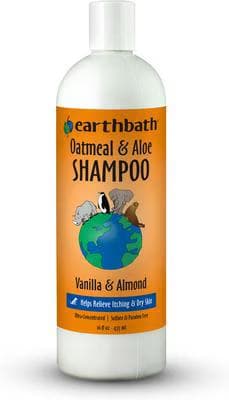
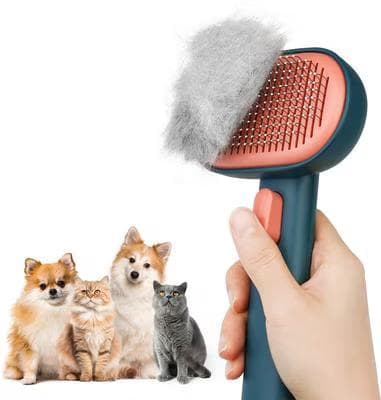
For coat maintenance, the Four Paws wet-and-dry grooming glove is one tool to compare; use light pressure, work in small sections, and stop if the skin becomes irritated. The Earthbath oatmeal and aloe shampoo is one bathing option to review for ingredients and individual skin tolerance, followed by thorough rinsing and complete drying. For coat maintenance, the aumuca self-cleaning slicker brush is one tool to compare; use light pressure, work in small sections, and stop if the skin becomes irritated.
Salt and pepper Miniature Schnauzers
Salt and pepper coats contain hairs with alternating light and dark bands. When clipped short, the remaining portion of the hair can make the jacket look lighter, darker, or more uniform than it did before grooming.
- Banded hairs create a blended effect.
- Furnishings are commonly lighter.
- Puppy coats can change as adult coat develops.
- Camera processing may shift gray and silver tones.
Salt and pepper Miniature Schnauzers: apply the plan
- Inspect roots and tips.
- Compare before and after grooming.
- Use neutral daylight.
- Save dated photographs rather than relying on memory.
Color description should remain observational. Do not infer health, behavior, or authenticity from how photogenic a salt-and-pepper pattern appears.
Petful may earn a commission when you click through to Chewy, at no extra cost to you.
Black and silver Miniature Schnauzers
Black and silver is a pattern with a black jacket and lighter markings in defined areas. It is different from salt and pepper because the body hairs are not meant to create the same overall banded gray mixture.
- Markings may appear on eyebrows, muzzle, chest, legs, and under the tail.
- Clipping can soften visible contrast.
- Sun exposure can alter apparent black tone.
- Poor lighting can make black detail disappear in photographs.
Black and silver Miniature Schnauzers: questions to answer
- Look at marking placement.
- Use several angles.
- Avoid overexposed flash.
- Compare the claim with standard language.
A clean pattern does not substitute for health testing, sound movement, stable behavior, or transparent sourcing.
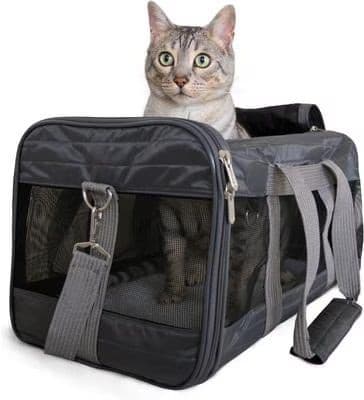
An airline-approved soft-sided carrier with mesh ventilation windows, a top-rated travel pick for cats and small dogs.
Petful may earn a commission when you click through to Chewy, at no extra cost to you.
Measure standing height and body length before comparing the Sherpa soft-sided carrier, and verify the exact car or airline rules that apply to the trip. Introduce the Dremel cordless nail grinder in short sessions before touching a nail, and keep the bit moving so heat does not build up. Use only pet-safe toothpaste, such as Virbac C.E.T. enzymatic pet toothpaste, after veterinary guidance; human toothpaste is not an appropriate substitute.
Solid black Miniature Schnauzers
A solid black dog needs lighting that preserves coat texture. A featureless silhouette may hide furnishings, body condition, skin, or uneven color and tells the buyer very little.
- Highlights reveal wiry texture.
- Age and sun can influence the coat.
- Small white areas have registry-specific significance.
- Dust and product residue can change photographs.
Solid black Miniature Schnauzers: practical checks
- View in shade and window light.
- Part the coat to inspect the base.
- Check skin and hair condition.
- Ask for unedited current images.
Do not use cosmetic dye to manufacture a uniform look. Skin safety and honest representation matter more than a darker photograph.
Commonly marketed colors and pattern labels
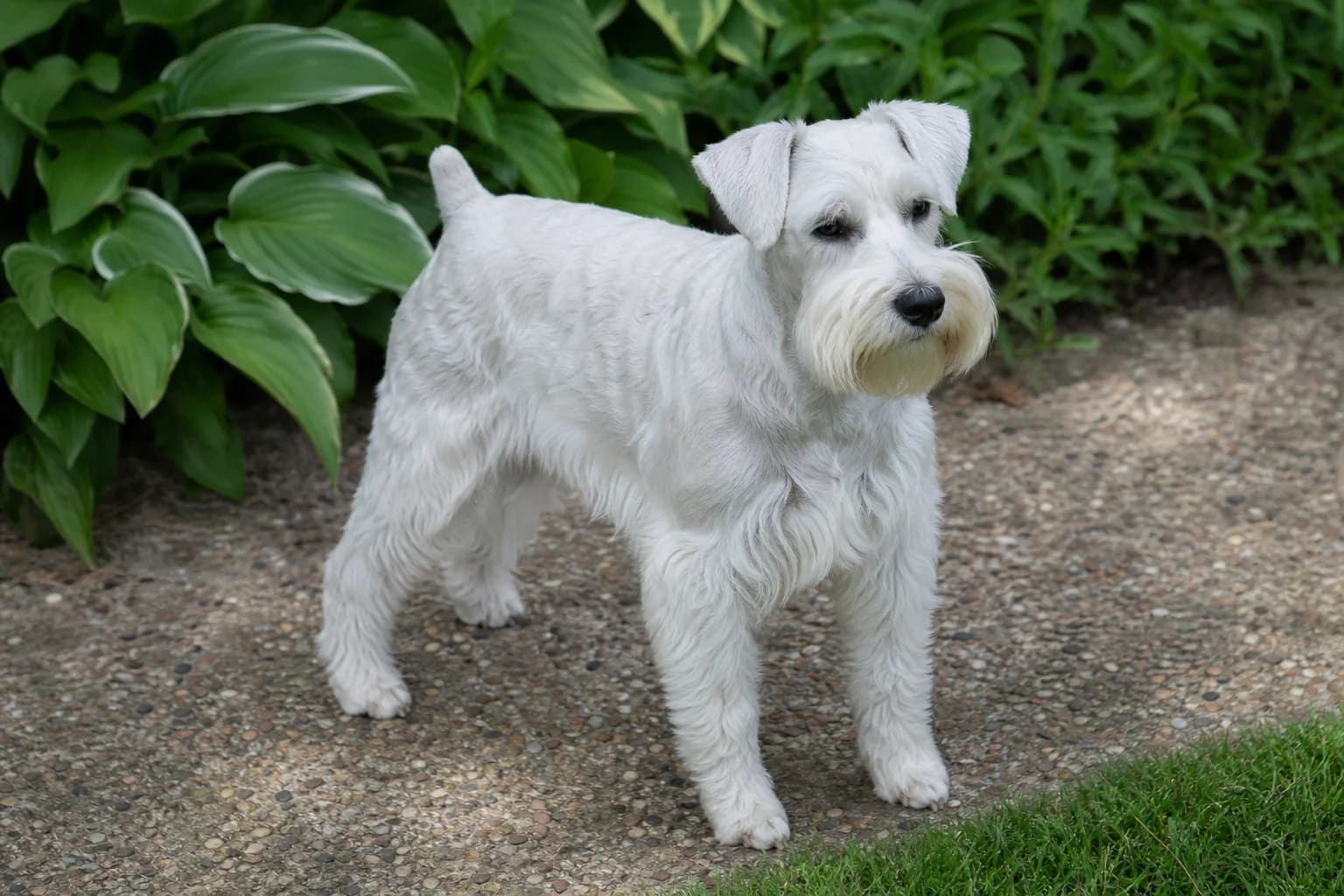
Breeders and owners may use words such as parti, white, liver, chocolate, wheaten, or combinations of these. These labels can describe appearance, but their recognition depends on the registry and context being discussed.
- A market label is not automatically an official variety.
- The same word may be used inconsistently.
- DNA color results and visible phenotype answer different questions.
- Mixed ancestry can also affect appearance.
Commonly marketed colors and pattern labels: apply the plan
- Ask for the exact registry and recorded color.
- Request photographs of both parents.
- Separate descriptive language from show eligibility.
- Avoid paying a premium without understanding the evidence.
Nonstandard under one registry does not mean the dog deserves less care. It means the claim should be described accurately.
Registry terms versus breeder descriptions
Color language check
| Claim | What it may mean | What to verify |
|---|---|---|
| Registry color | Recorded standard term | Which registry and document |
| Breeder description | Visible appearance | Not automatically recognized |
| DNA result | Tested variants | Identity and test limits |
| Rare | Sales frequency claim | Health and source evidence first |
A registry term answers what can be recorded or shown under one organization’s rules. A breeder description may be useful plain language for the visible coat, but it should not be presented as an official color when that registry does not recognize it.
- Registration, phenotype, and genotype are related but different evidence.
- Rules can differ among registries and countries.
- A photograph cannot establish pedigree.
- A DNA panel only reports the variants and identity controls included by that test.
Registry terms versus breeder descriptions: questions to answer
- Name the registry.
- Read the current standard.
- Match records to the individual dog.
- Describe uncertainty instead of filling it with a sales claim.
Accurate wording is not an insult to the dog. It protects buyers from paying for a status the evidence does not support and keeps color discussion separate from health and welfare.
Merle, liver, and rarity claims
warning
- Rare is not a health credential | Verify registry context, identity, genetics, parental health screening, structure, and source transparency before discussing a premium for merle, liver, or another marketed label.
Rarity is a sales concept unless the seller explains the genetics, registration context, records, and breeding decisions behind the claim. Merle and liver language deserves especially careful clarification in a Miniature Schnauzer advertisement.
- Rare does not mean healthier or better tempered.
- A high price does not validate ancestry.
- Genetic tests have limits and must match identity.
- Health screening should address the parents and breeding plan, not only color.
Merle, liver, and rarity claims: practical checks
- Ask what test was used and whose sample it was.
- Verify registration records.
- Review health testing before discussing premium price.
- Decline urgency tied to color scarcity.
Never let a coat label override obvious illness, poor living conditions, missing records, unsafe structure, or a source unwilling to take the dog back.
How coat texture changes color appearance
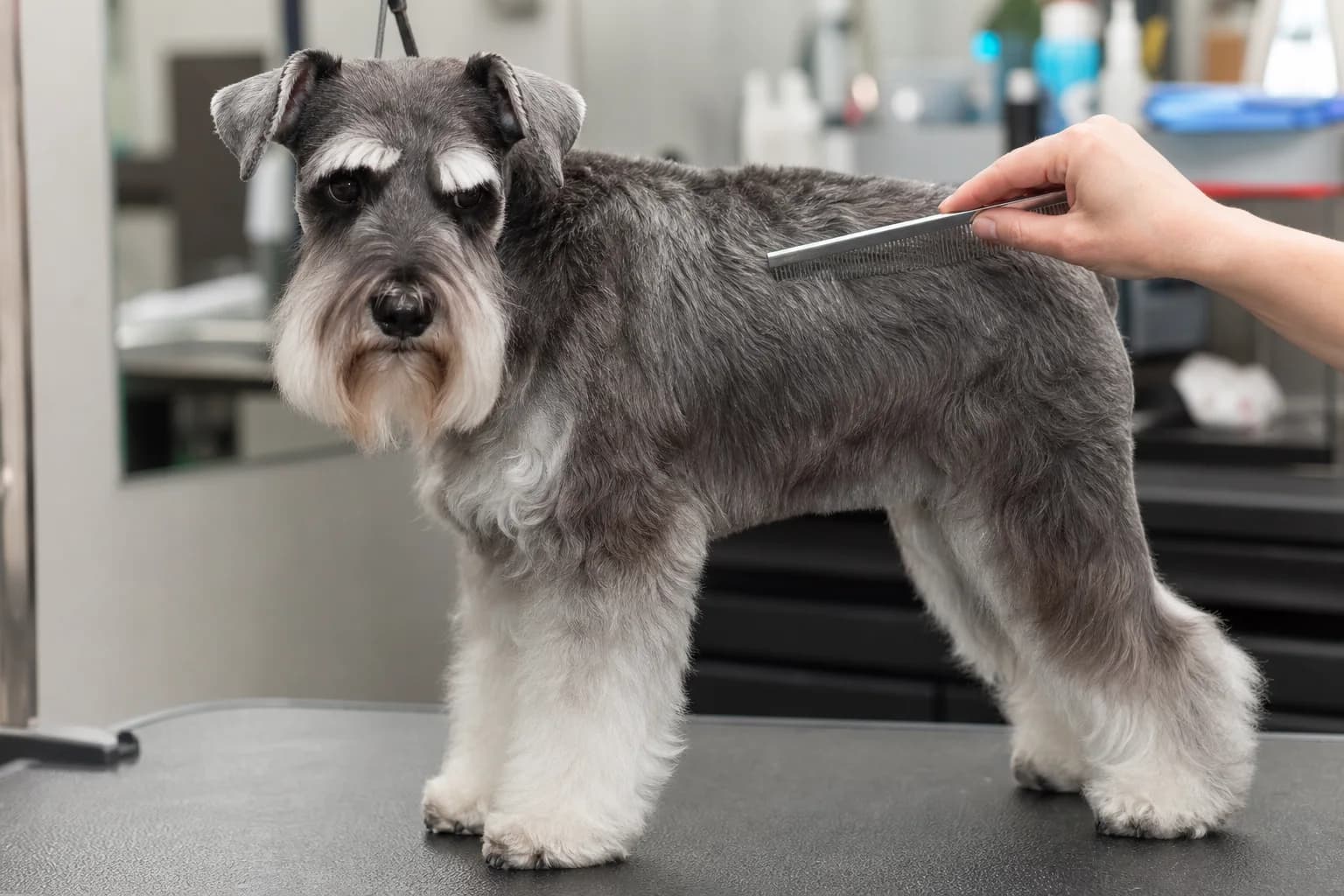
The wiry outer coat and softer undercoat reflect light differently. Clipping removes the older outer portion, while hand stripping manages coat in another way, so grooming history changes the visible result. The OneIsAll cordless clipper and paw-trimmer kit is one clipping tool to compare, with the understanding that clipping changes visible coat texture and color presentation rather than genetic color.
- Soft coat can look paler or less sharply patterned.
- Wet hair appears darker.
- Warm bulbs add yellow tone.
- Automatic phone enhancement can exaggerate contrast.
How coat texture changes color appearance: apply the plan
- Take a daylight reference photo.
- Record grooming date and method.
- Compare the same body area.
- Do not diagnose coat disease from color alone.
The grooming guide explains clipping, hand stripping, and coat-care tradeoffs.
Choosing a puppy when color matters
It is reasonable to have a visual preference, but color should sit below health, temperament, source transparency, and household fit. Puppy color can also evolve as the adult coat develops.
- A deposit should not be rushed because a color is allegedly disappearing.
- Parents and relatives give context, not certainty.
- Registration papers do not prove health.
- A responsible source discusses change and uncertainty.
Choosing a puppy when color matters: questions to answer
- Rank decision criteria before contacting sellers.
- Require health and identity evidence for every color.
- Meet the puppy or use a careful remote verification process.
- Keep the breed guide in the decision.
The best-looking puppy is not the best match when grooming, barking, activity, or care needs conflict with the household.
Owner workbook: a daylight color observation
Use this a daylight color observation to record the current baseline, the decision being made, who is responsible, the timing or cost involved, and the evidence that should trigger a change.
For a daylight color observation, include a daylight color observation, monthly costs and an emergency reserve, and records, photographs, and measurements that can be compared over time. Keep the record brief enough that every caregiver can maintain it.
Use the page that owns the next decision:
Miniature Schnauzer color FAQs
Frequently Asked Questions
Rarity depends on the population and the registry terms being used. The AKC recognizes salt and pepper, black and silver, and solid black. A seller may call another appearance rare, but that does not make it an accepted color under this standard or a sign of higher quality. Do not pay a premium before verifying identity, registry context, parent health screening, structure, temperament, and the evidence behind the claim.
Salt and pepper is widely associated with the breed, but this article does not assign population percentages because frequency varies by place, registry, and breeding population. Under the AKC standard, the recognized choices are salt and pepper, black and silver, and solid black. Use the standard for terminology, not as a measure of pet quality. A common color does not guarantee health, and an uncommon sales label does not justify weaker records or a higher price.
The AKC Miniature Schnauzer standard recognizes salt and pepper, black and silver, and solid black. Salt and pepper uses banded jacket hairs with lighter furnishings. Black and silver has a black body with specified lighter markings, while solid black is intended to be black throughout. Registry language is specific to that organization. Other descriptions may accurately describe a pet’s appearance without being recognized colors under the AKC standard.
A salt-and-pepper coat is created by jacket hairs with alternating light and dark bands, producing a blended gray or silver effect rather than one flat pigment. Furnishings are commonly lighter. Clipping can expose a different portion of each hair and make the coat look lighter, darker, or more uniform. Evaluate the roots and tips in indirect daylight and compare dated photographs taken before and after grooming rather than relying on one processed image.
Apparent color can change as the puppy coat matures and through clipping, coat texture, sun exposure, age, moisture, products, and lighting. A salt-and-pepper jacket may look different when the banded hairs are shortened, and black coats can photograph differently under warm bulbs or strong flash. Save neutral daylight photographs and record grooming dates. A sudden patchy coat change, hair loss, redness, itch, or pain is a health question for a veterinarian, not merely a color issue.
Bottom line
Describe what is visible, name the registry context, and keep grooming and lighting in the interpretation. Color can be a preference, but it should not displace health, temperament, structure, or source transparency.

Coreen Saito is a pet writer and longtime shelter volunteer with more than a decade in animal rescue. She covers cat behavior, breed care, and the small, ordinary science of sharing a life with companion animals, with a particular focus on honest takes about the products and decisions that actually matter. At home in Arizona, she’s outranked by Mac (a dog with the loudest opinion in the house), Rebel (a cat who governs by quiet authority), and Meri (an orange tabby who runs the late shift and the laundry basket). She writes about all three, plus the rescues that keep coming through her life, at LifeWithMinty.com.