
Petful is reader supported. As an affiliate of platforms like Amazon and Chewy, we may earn a commission when you buy through links on this page. There is no extra cost to you.
Shih Tzu colors include solids, two-color coats, tricolors, brindles, and several pigment variations. The official breed standard permits all colors. No coat color is automatically healthier, better tempered, more valuable, or more correct for family life.
This photographic guide explains common colors, liver and blue pigment, markings, puppy coat change, and the difference between an accurate description and a rarity sales pitch. For broader breed care, see the complete Shih Tzu guide.

Don’t Guess When It Comes To Your Pet’s Care
Sign up for expert-backed reviews and safety alerts all in one place.
Common Shih Tzu colors
- 1The official AKC standard says all Shih Tzu colors are permissible.
- 2Coat color and skin pigment are related but different descriptions.
- 3Puppy coats can fade or change as adult hair grows.
- 4Choose for health, breathing, structure, and temperament, not a rare-color premium.
The official Shih Tzu standard does not rank one color above another. It notes that white on the forehead and tail tip is highly desirable in parti-colored dogs, but that statement belongs to conformation judging, not a pet-health hierarchy.
Common family-pet descriptions include gold and white, black and white, solid black, red and white, brindle and white, silver and white, liver, and tricolor. Everyday names are not always used consistently by breeders, registries, groomers, and owners. Photographs should be evaluated in neutral daylight because warm indoor light and editing can shift gold, red, brown, gray, and cream.
Shih Tzu color and pigment guide
| Visible description | What to inspect | Common source of confusion |
|---|---|---|
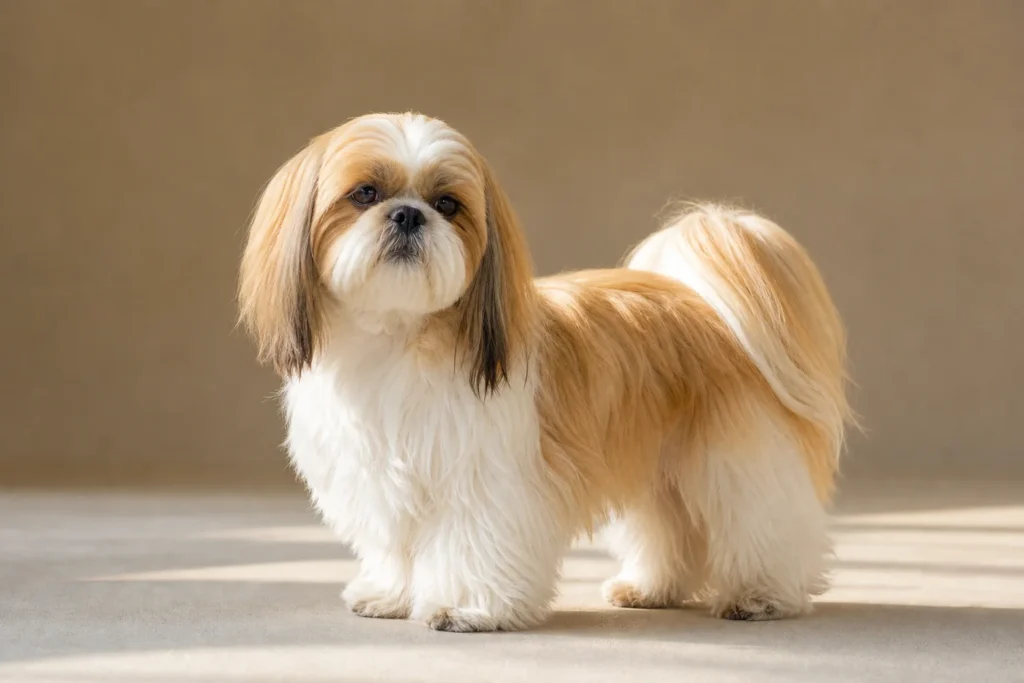
| Gold and white | Warm gold areas with white patterning and usually dark pigment | Gold can fade toward cream as the adult coat develops |
| Solid black | Black hair throughout with dark nose, lips, and eye rims | Sun fading or silver hairs may make the coat look brownish or gray |
| Black and white | Distinct black and white patches | Grooming can change how pattern boundaries appear |
| Liver | Brown-range pigment on nose, lips, and eye rims, often with brown coat tones | Liver is a pigment description, not simply any brown-looking coat |
| Blue | Diluted slate or gray pigment rather than black pigment | Silver or gray hair alone does not prove blue pigment |
| Brindle | Darker striping through a lighter base | Long hair and fading can obscure stripes |
| Tricolor | Three visually distinct color areas | Tan points and fading may change contrast over time |
Petful may earn a commission when you click through to Chewy, at no extra cost to you.
Gold, white, red, and cream
Gold and white is one of the most recognizable Shih Tzu combinations. Gold can range from pale honey to deeper warm tones. White may appear on the blaze, muzzle, chest, legs, belly, or tail. Pattern placement is unique to the dog and changes visually when the coat is clipped.
Red is a richer warm tone, but photos taken at sunset or edited for saturation can make gold appear red. Cream is paler. These terms describe appearance, not quality or predictable behavior.
The featured photograph shows coat color under neutral conditions. When comparing puppies, ask for unedited images in daylight and photographs of adult relatives. Even then, a puppy may lighten.
White coats
An all-white or largely white coat shows stains, moisture, and debris quickly. That is a maintenance issue, not proof of disease. Tear or saliva staining can be cosmetic, while a new increase may reflect irritation, dental disease, skin problems, or another cause that deserves assessment.
Do not use bleach, peroxide, harsh powders, or products that can enter the eye. Gentle cleaning and drying protect the skin. Petful’s tear stain guide explains when appearance and medical evaluation overlap.
Black Shih Tzu
A solid black Shih Tzu has black hair across the coat, though a small white marking may affect how an owner describes the dog. Dark nose, lip, and eye-rim pigment should be visible. Long black hair can show dust, dandruff, and sun fading more readily than a patterned coat.
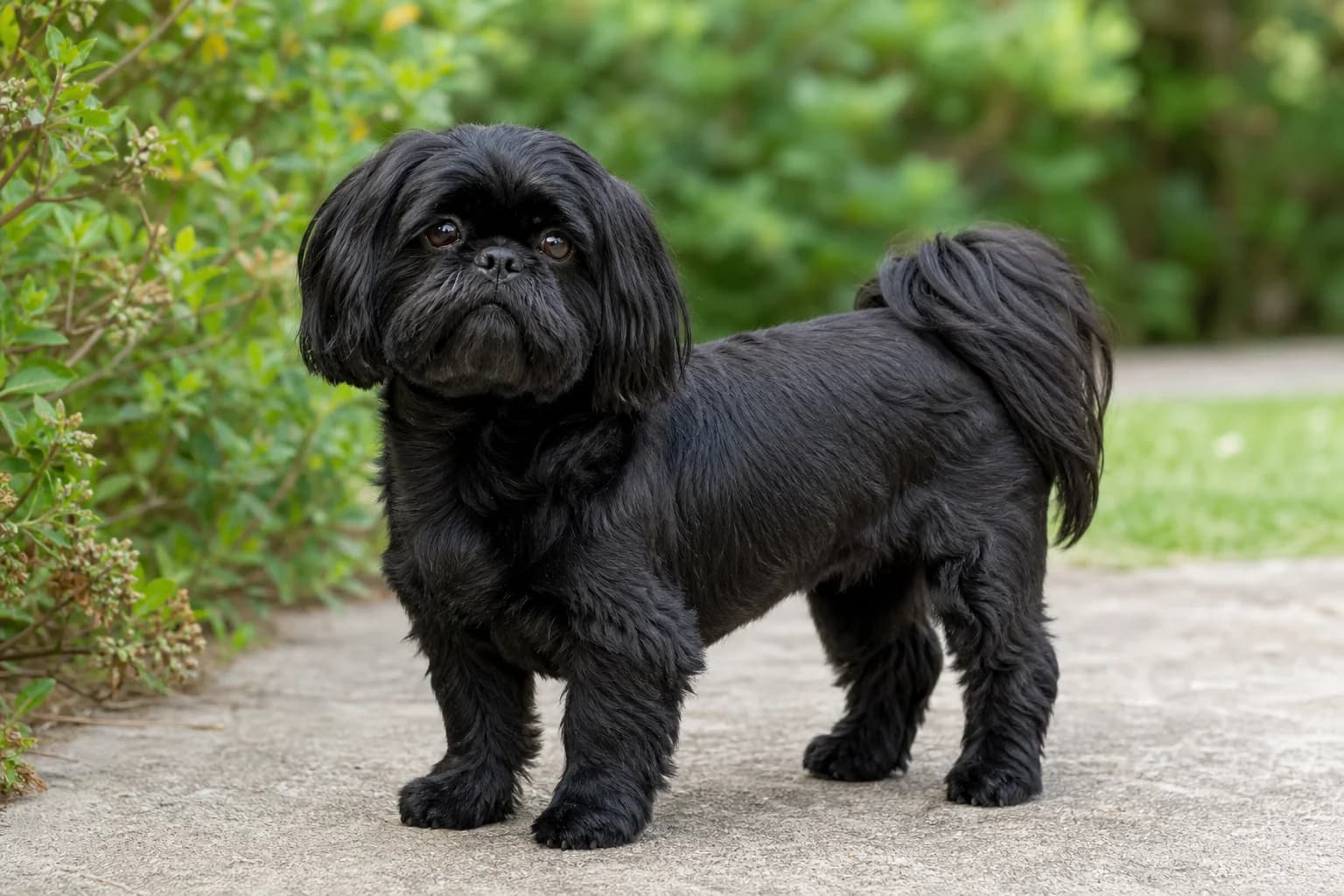
Sun exposure can produce reddish or brownish highlights, especially on the ends of long hair. Normal graying can appear with age. Neither change means the dog has become a genetically brown coat.
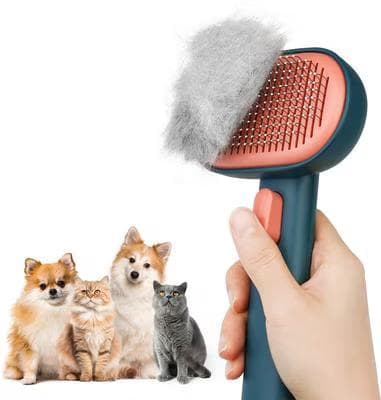
Use a comb to assess the coat to the skin. A self-cleaning slicker brush can support routine maintenance on suitable coat lengths, but follow with a metal comb and avoid scraping skin.
Black and white Shih Tzu
Black and white dogs may have a blaze, saddle, mask, patches, or a more evenly divided pattern. The border between colors may appear softer as hair lengthens or as black areas develop silver hairs.
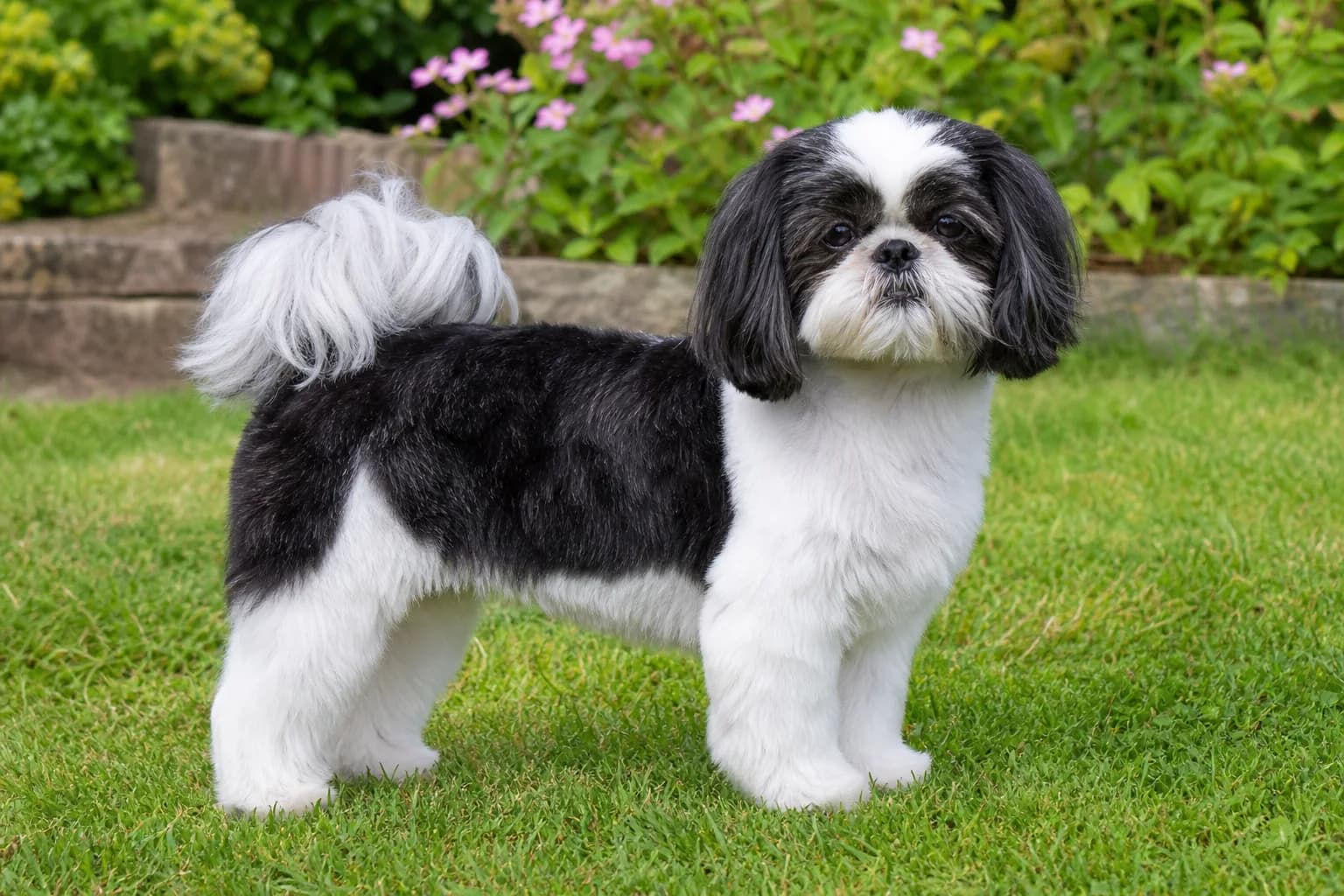
Pattern does not predict whether the dog will be calm, playful, trainable, or healthy. It can help identification, so store current photographs showing the face, both sides, and unique markings in the dog’s records.
Petful may earn a commission when you click through to Chewy, at no extra cost to you.
Liver, blue, silver, and rare-color claims
Liver and blue are best understood through pigment, not hair color alone. Pigment is visible on the nose, lips, eye rims, and sometimes paw pads. A brown-looking coat with a black nose is not described the same way as a dog whose normally black pigment is liver.
Liver Shih Tzu
Liver pigment appears brown rather than black. Coat colors associated with it can range from light to deep brown tones, but the nose and eye-rim pigment are the important clues. Eye color may appear lighter.
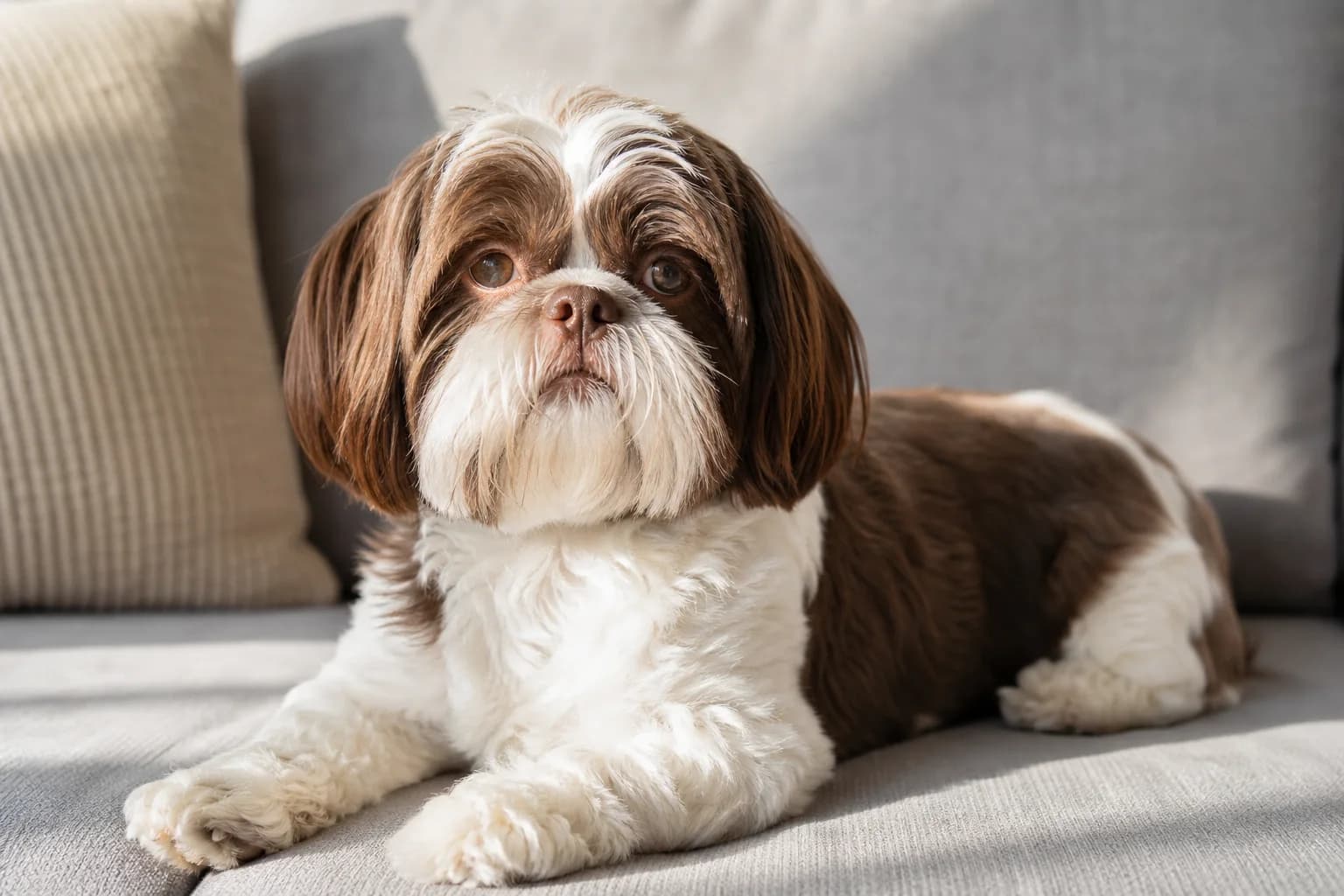
The word liver does not mean the dog has liver disease. It is a color term. Nor does it establish rarity, health, or financial value.
Blue Shih Tzu
Blue refers to diluted dark pigment that can look slate gray. It is not a bright blue coat. A dog’s nose, lips, and eye rims help distinguish dilute pigment from a silvering black coat.
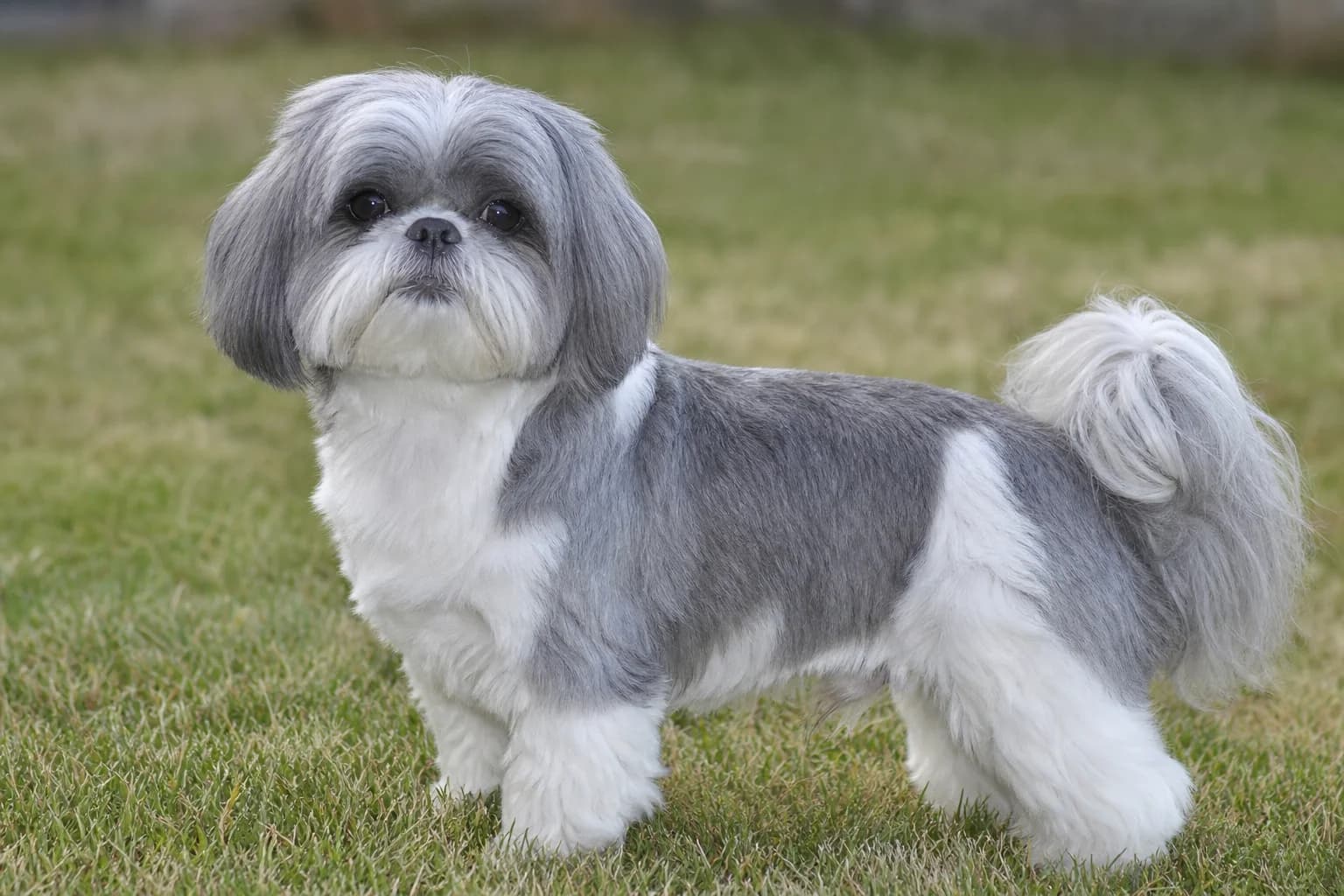
Photographs are especially unreliable here. Cool white balance can make an ordinary gray coat appear blue, while warm light can hide dilution. Ask for daylight images and registry terminology, but still choose the dog on health and function.
Silver and gray
Silver describes hair appearance and may emerge as a black puppy coat lightens. It does not necessarily indicate blue pigment. Gray can be an everyday description rather than a formal genetic label. Examine roots, adult relatives, nose pigment, and how the registry records the dog.
What is the rarest Shih Tzu color?
There is no authoritative population census that establishes one universal rarest color across all Shih Tzus. Sellers often label liver, blue, solid, or unusual combinations as rare because scarcity supports a premium. Availability varies by line, region, and current breeding choices.
The decision-relevant question is not rarity. It is whether the breeder prioritizes health screening, functional breathing, sound structure, stable temperament, and responsible placement. Rarity does not compensate for poor welfare.
Do not buy the rarity label
- A premium for blue, liver, teacup, imperial, or another marketing term is not evidence of health or quality. Verify the dog’s identity, pigment, parents, health records, and breeder practices before paying.
Shih Tzu patterns and markings
Color names describe pigment; patterns describe how colors are arranged. A dog may be gold and white with a black mask, brindle and white with a blaze, or tricolor with tan points.
Brindle
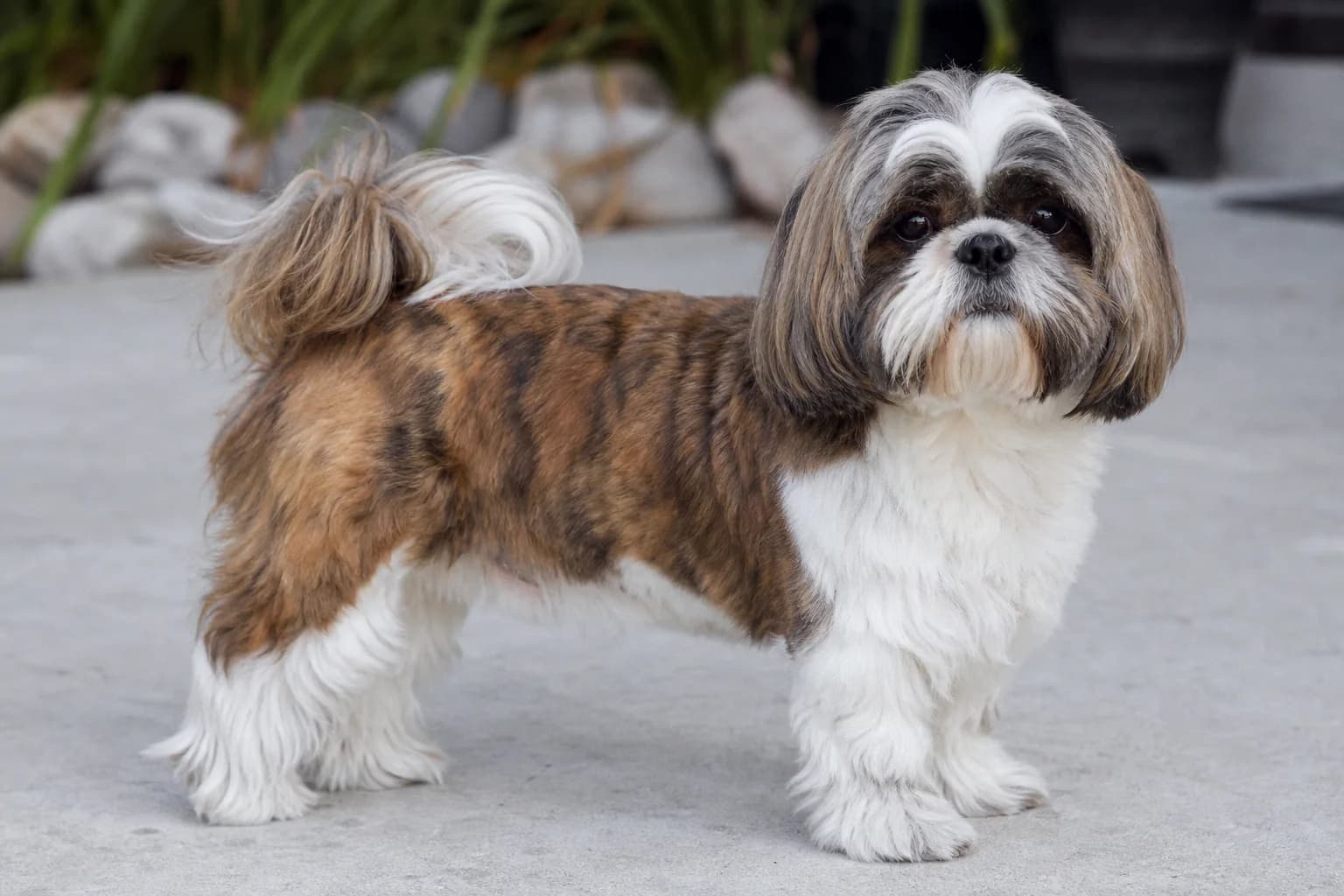
Brindle creates darker stripes through a lighter base. Long Shih Tzu hair can blur or hide the striping, while a haircut may make it easier to see. Fading also changes contrast.
Black mask and black tipping
A black mask concentrates dark hair around the muzzle and face. Black tipping can appear on the ends of other-colored hairs, especially in a puppy coat. Both can soften as the coat changes.
Blaze, collar, saddle, and parti-color
A blaze is a white stripe on the face. A white collar circles or partly circles the neck. A saddle describes a larger dark area over the back. Parti-color describes a coat with white plus another color. These are useful visual descriptions, not separate breeds.
Dobie or tan-point pattern
Some owners use “Dobie” for a dark dog with tan points over the eyes, on the muzzle, chest, and legs. The nickname describes pattern resemblance. It does not connect the dog to a Doberman or predict its behavior.
Petful may earn a commission when you click through to Chewy, at no extra cost to you.
Why Shih Tzu puppy colors change
A puppy’s first coat is not the final adult coat. Hair replacement, pigment expression, fading genes, sun, grooming, and age can change depth and contrast. Dark puppies may become silver or cream; strong markings may soften; tipping may disappear.
Ask to see both parents and older relatives, but treat their coats as clues rather than guarantees. A seller who promises that a puppy will stay one exact shade cannot control every developmental change.
Coat change versus health change
Gradual, symmetrical lightening without skin symptoms can be normal. Patchy hair loss, broken hair, redness, scaling, itch, odor, sores, or a sudden texture change is different. Those signs need grooming review and possibly veterinary assessment.
Nutrition claims should also be handled carefully. A complete diet supports normal skin and hair, but supplements do not safely “lock in” a color. Excess nutrients can cause harm. Discuss a true coat or skin problem with the veterinarian.
Grooming changes the picture
A puppy cut removes weathered tips and changes how pattern boundaries sit on the body. Long facial hair can make a dark mask look larger. A topknot reveals markings that were hidden. Photograph the dog before and after grooming when keeping an identification record.
Does color affect health or temperament?
Coat color alone is not a reliable temperament test. There is no basis for saying black Shih Tzus are calmer, liver dogs are more affectionate, or one pattern is easier to train. Observe the puppy or adult, meet relatives when possible, and ask how the dog recovers from novelty and handling.
Health relationships involving color genetics can be complex in dogs, but owners should not transfer findings from another breed or genetic pattern to every Shih Tzu color. Ask for the actual health screening relevant to the parents and an examination of the individual dog.
The most visible concerns in this breed often relate to breathing, eyes, teeth, skin, ears, knees, body condition, and coat maintenance rather than whether the hair is gold or black. See the veterinarian-authored Shih Tzu lifespan guide for evidence-based health context.
Photographing and identifying Shih Tzu colors
Use indirect daylight, a neutral background, and no color filter. Photograph the face straight on, nose and eye rims, both sides of the body, and the back. Include a close view of pattern boundaries or brindling.
Avoid flash that changes eye appearance or blows out white hair. Lock white balance when comparing over time. Keep the original files with dates.
For an official record, use the terminology required by the registry or veterinarian rather than inventing a marketing name. If identity matters after loss, microchip registration and clear current photographs are more reliable than a color label alone.
Coat care for clear color
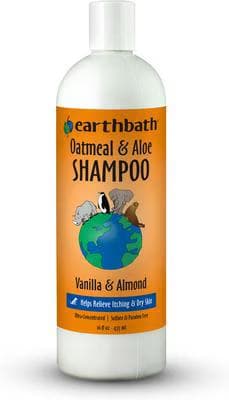
Clean hair reflects light more evenly, but overbathing strips the coat and irritates skin. Use dog shampoo, rinse thoroughly, and dry the coat. A gentle oatmeal and aloe shampoo is one routine option for dogs without a diagnosed skin problem.
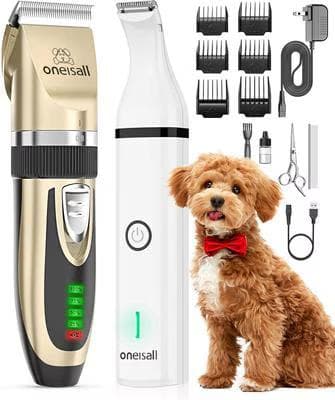
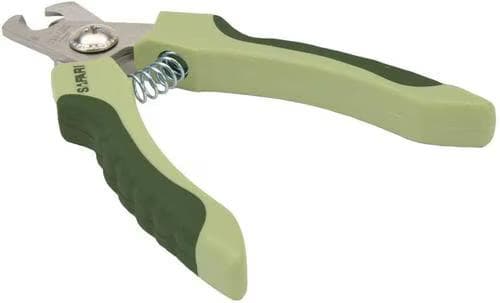
A low-noise clipper kit can help maintain a practical coat after training, while a professional nail trimmer supports another part of the grooming routine. None of these changes genetic color. For safe schedules and technique, use the full Shih Tzu grooming guide.
Petful may earn a commission when you click through to Chewy, at no extra cost to you.
Coat color genetics without the sales pitch
Dog coat appearance reflects several genes that affect pigment type, distribution, dilution, pattern, and change over time. A visual label is the result of those interactions, not one simple quality gene. Long hair and fading make visual prediction even harder in Shih Tzus.
Eumelanin produces black-range pigment and can be modified toward brown or diluted tones. Pheomelanin produces red-to-cream tones. White areas generally reflect an absence of pigment in the hair. These broad concepts help explain why nose pigment, coat shade, and pattern should not be collapsed into one word.
Commercial color DNA tests may identify variants the laboratory associates with coat traits. The result can clarify parentage questions or likely pigment, but it does not certify show terminology, adult shade, health, or ethical breeding. Ask what variants were tested and how the result maps to this breed.
Why two similar-looking dogs can be described differently
One brown-looking dog may have liver pigment visible on the nose and eye rims. Another may have faded black hair while retaining black pigment. One gray dog may be silvering with black pigment; another may have dilute blue pigment. Neutral photographs of the pigment points make the distinction clearer.
Registry descriptions also prioritize a standardized set of choices. An owner may use cream, champagne, lavender, Isabella, or chocolate in conversation, while the registry records another permitted term. Marketing vocabulary can be more specific, more imaginative, or less accurate than the official form.
Color changes that deserve a health check
Normal fading is gradual and primarily affects hair appearance. Medical problems can change hair density, texture, skin color, or the pattern of hair loss.
Schedule veterinary assessment for:
- Patchy, symmetrical, or rapidly progressing hair loss.
- Red, darkened, scaly, greasy, or odorous skin.
- Persistent itching, licking, or rubbing.
- Broken hair, sores, crusts, or pustules.
- Sudden coat thinning with weight, thirst, energy, or appetite change.
- A color change limited to saliva-stained or chronically wet areas.
Grooming history matters. A short clip can reveal pale undercoat or dark skin that was always present. Friction from a harness can break hair. Sun can fade exposed tips. Bring dated photographs and tell the veterinarian when the change began.
Black skin under light hair
Skin pigmentation can be normal and may become more visible after a haircut. New darkening with thickening, odor, itch, or hair loss can accompany chronic inflammation or endocrine disease. The color alone cannot determine the cause.
Rust-colored staining
Porphyrin pigments in tears and saliva can discolor pale hair. The stain is not itself proof of infection or one diet problem. Increased tearing, eye pain, licking, dental disease, or moist skin needs evaluation. Treat the cause rather than bleaching the hair.
Registry color, breeder label, and veterinary record
Each record serves a different purpose. A registry uses its permitted vocabulary. A breeder may describe genetic expectations or marketing color. A veterinarian records identifying appearance and pigment. An owner may use the simplest everyday term.
Keep copies of the original registration, microchip information, and dated photographs. If a puppy changes from black to silver, the microchip number remains the identity anchor. Update lost-pet profiles with current images rather than changing only the color field.
When buying, ask the breeder to write both the registry color and the descriptive label in the contract. If price is tied to a rare term, request the evidence behind that term and decide whether appearance justifies the premium. Never let a color dispute distract from health records, source verification, and return terms.
A neutral-light color checklist
Stand the dog in open shade or beside a large window. First note the base coat, then white areas, then stripes or points. Next inspect the nose, lips, and eye rims. Finally, part the coat to compare roots and tips. This sequence separates pigment evidence from sun-faded or groomed hair.
Repeat photographs at three, six, twelve, and eighteen months for a puppy. Use the same location and camera settings when possible. A timeline provides better evidence of fading than memory or two images taken under different lighting.
Choosing a puppy without color bias
Begin with the source and the parents. Review health screening, veterinary records, living conditions, socialization, contract, and return policy. Observe comfortable breathing, clear eyes, movement, body condition, and behavior.
Then consider color as a preference, not a measure of value. If two puppies differ in confidence, health, and fit, choosing solely by coat can create years of mismatch.
Questions for the breeder include:
- How were the color and pigment recorded?
- Have coats in this line changed substantially with age?
- Can I see unedited adult photographs?
- Which health tests were performed on both parents?
- How do adult relatives breathe, move, and behave?
- Is the price different because of color, and why?
An honest breeder can discuss appearance without letting it replace health.
Shih Tzu color FAQs
Frequently Asked Questions
There is no authoritative worldwide census that proves one universal rarest color. Sellers often describe liver, blue, solid coats, or unusual patterns as rare because scarcity can support a premium, but availability varies by line and region. Verify the actual pigment and prioritize health screening, breathing, structure, temperament, records, and responsible placement over a rarity claim.
No coat color is best for health, temperament, family life, or breed correctness. The official standard permits all colors. Choose an individual dog with suitable behavior, comfortable breathing and movement, appropriate health screening, and a responsible source. Color may affect how quickly dirt, stains, fading, or loose hair are visible, but it does not establish overall quality.
Yes. The puppy coat can fade, silver, lose dark tipping, or change contrast as adult hair grows. Haircut length, sunlight, aging, and photography also affect appearance. Parents and older relatives provide clues, but no one can guarantee one exact adult shade. Buyers should be skeptical of a color guarantee tied to a higher price.
Liver is primarily a pigment description. The nose, lips, and eye rims appear brown rather than black, while the coat can fall within several brown-range tones. A brown-looking coat with black pigment is described differently. Neutral daylight and close views of pigment are more useful than a heavily edited sales photo or a color name alone.
Blue describes diluted dark pigment that usually looks slate or gray, not a bright blue coat. Inspect the nose, lips, and eye rims because silver or gray hair alone does not prove blue pigment. Cool lighting and photo editing can exaggerate the effect. The label does not guarantee rarity, health, temperament, or financial value.
Puppy coat change, normal silvering, aging, sun exposure, coat damage, and warm lighting can all alter the appearance of black hair. A haircut may also reveal lighter roots or undercoat. Gradual cosmetic change can be normal, but new patchy hair loss, skin inflammation, itching, or an abrupt coat change deserves veterinary assessment.
Coat color is not a reliable predictor of personality. Individual genetics beyond color, early rearing, health, socialization, learning history, and environment matter far more. Claims that one shade is calmer, smarter, friendlier, or easier to train are marketing or stereotype rather than a sound selection method. Evaluate the actual dog and source.
Some sellers charge a premium for blue, liver, solid, or unusually marked puppies, but asking price is not the same as welfare, health, or breed value. A rare-color claim can also be inaccurate. Confirm identity and pigment, review parent testing and records, and compare breeder practices. Never let color consume the money reserved for veterinary care and grooming.
How to photograph Shih Tzu color accurately
Color questions often begin with photographs, but phone processing, indoor bulbs, flash, shadows, and reflected surfaces can shift warm gold toward red or cool gray toward blue. Take reference images in open shade or indirect window light with the dog dry, clean, and standing against a neutral background.
For useful comparison:
- Include the full body and a close view of the face.
- Photograph the nose, lips, and eye rims when pigment is the question.
- Avoid beauty filters, strong portrait modes, and color-enhancing edits.
- Save images from several ages because puppy coats can change.
- Record the date, grooming length, and lighting conditions.
- Compare the dog with registration or veterinary records, not online color charts alone.
A photograph can document appearance. It cannot prove genotype, health, breed purity, or future adult shade.
Color claims to question before paying more
Rare-color marketing becomes a problem when a visual label is treated as proof of greater value or health. Ask the seller to define the term, identify the registry terminology being used, show the parents and records, and explain which health tests were completed regardless of color.
Walk away from claims such as:
- A coat color guarantees a particular temperament.
- A special shade makes the dog hypoallergenic.
- Teacup size and rare color are harmless premium features.
- Unusual eye or nose pigment proves exclusivity.
- A high price substitutes for health records and responsible rearing.
- A puppy’s exact adult shade is guaranteed despite normal coat change.
The practical priorities remain breathing, eyes, movement, skin, behavior, socialization, and documented care. Color can be enjoyed without allowing it to override welfare.
When a coat change needs attention
Gradual lightening or darkening can be normal. A sudden local change accompanied by hair loss, broken hair, odor, scale, redness, itching, pain, or skin pigment change is different. Photograph the area, prevent licking or rubbing when safe, and arrange veterinary assessment rather than treating it as a cosmetic issue.
Bring the timeline, recent grooming products, medications, diet changes, parasite prevention, and photographs. The useful question is not only why the hair looks different, but whether the skin and dog are comfortable and healthy.
Record markings as well as color
Describe where white, dark, or brindled areas occur and whether the pattern is symmetrical, saddle-shaped, masked, or limited to points. Markings can stay recognizable even when the base coat lightens with maturity. This gives owners a more precise record than using one broad color label for every photograph.
Grooming length also changes what is visible. Darker tips may be removed, a clipped undercoat may look lighter, and long hair can blend adjacent patches. Compare photographs at similar coat lengths before concluding that a dramatic color change occurred.
Bottom line
All Shih Tzu colors are permissible under the official standard. Describe coat, pattern, and pigment carefully, expect some puppy change, and use neutral photographs. The best color is the one attached to a healthy, comfortably breathing, well-socialized dog whose care needs fit the household.

Coreen Saito is a pet writer and longtime shelter volunteer with more than a decade in animal rescue. She covers cat behavior, breed care, and the small, ordinary science of sharing a life with companion animals, with a particular focus on honest takes about the products and decisions that actually matter. At home in Arizona, she’s outranked by Mac (a dog with the loudest opinion in the house), Rebel (a cat who governs by quiet authority), and Meri (an orange tabby who runs the late shift and the laundry basket). She writes about all three, plus the rescues that keep coming through her life, at LifeWithMinty.com.