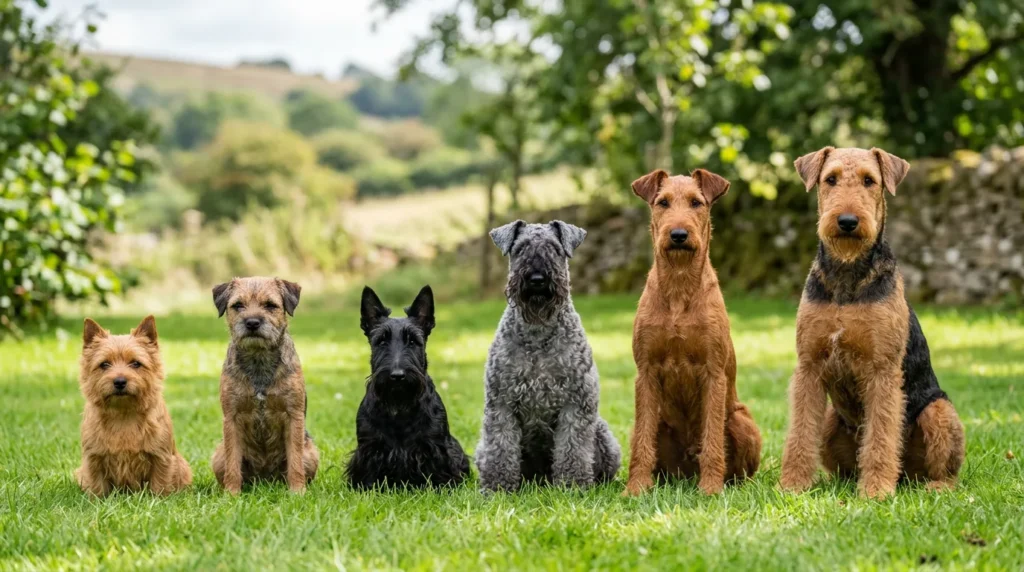

Terrier breeds are the scrappy, spirited working dogs that were bred to hunt vermin, dig out burrowing prey, and guard the farm, and today they range from lap-sized companions to sturdy 60-pound athletes. This guide is a complete visual list of every terrier type recognized by major kennel clubs, with a photo of each one, so you can tell a Cairn from a Norfolk and a Wheaten from an Airedale at a glance. Whether you want the calmest small terrier for an apartment or the boldest working breed for a country property, you will find it here.
The word “terrier” comes from the Latin *terra*, meaning earth, a nod to the group’s original job going to ground after foxes, badgers, and rats. That heritage still shows up in the modern dog: most terriers are alert, tenacious, and quick to dig or chase. Below we break the group into size and type categories, profile every breed with a photo, and answer the questions people ask most before bringing one home.
- 1Terriers were bred to hunt and dig, so nearly all of them are energetic, bold, and prey-driven.
- 2The group spans tiny companions like the Norfolk and Yorkshire up to the 60-pound Airedale, the “King of Terriers.”
- 3Coat type ranges from smooth to wiry to the low-shedding curls of the Wheaten and Bedlington, which matters for grooming and allergies.
What Makes a Terrier a Terrier
Terriers share a temperament more than a single body shape. The American Kennel Club groups most of them in the Terrier Group, while a few small companion types sit in the Toy Group and a couple of newer breeds fall into the Foundation Stock or Miscellaneous classes. You can see the full official grouping on the American Kennel Club breed hub at https://www.akc.org/dog-breeds/. Across those categories, terriers tend to be:

Petful may earn a commission when you click through to Chewy, at no extra cost to you.
- Bold and confident, often described as feisty or “big dog in a small body”
- Energetic and driven, needing daily exercise and mental work
- Prey-driven, with a strong instinct to chase, dig, and bark
- Intelligent and independent, which can read as stubborn in training
Coat types shape your grooming load
- Wiry-coated terriers such as the Airedale and Welsh are traditionally hand-stripped to keep their harsh texture, smooth-coated terriers like the Smooth Fox shed and need little more than brushing, and soft or curly coats such as the Wheaten and Bedlington need regular clipping. Match the coat to the time you can give.
Small Terrier Breeds
Small terriers were built to squeeze into burrows after their quarry, which is why so many of the most popular family terriers land in the under-20-pound range. They pack full terrier drive into a compact frame.
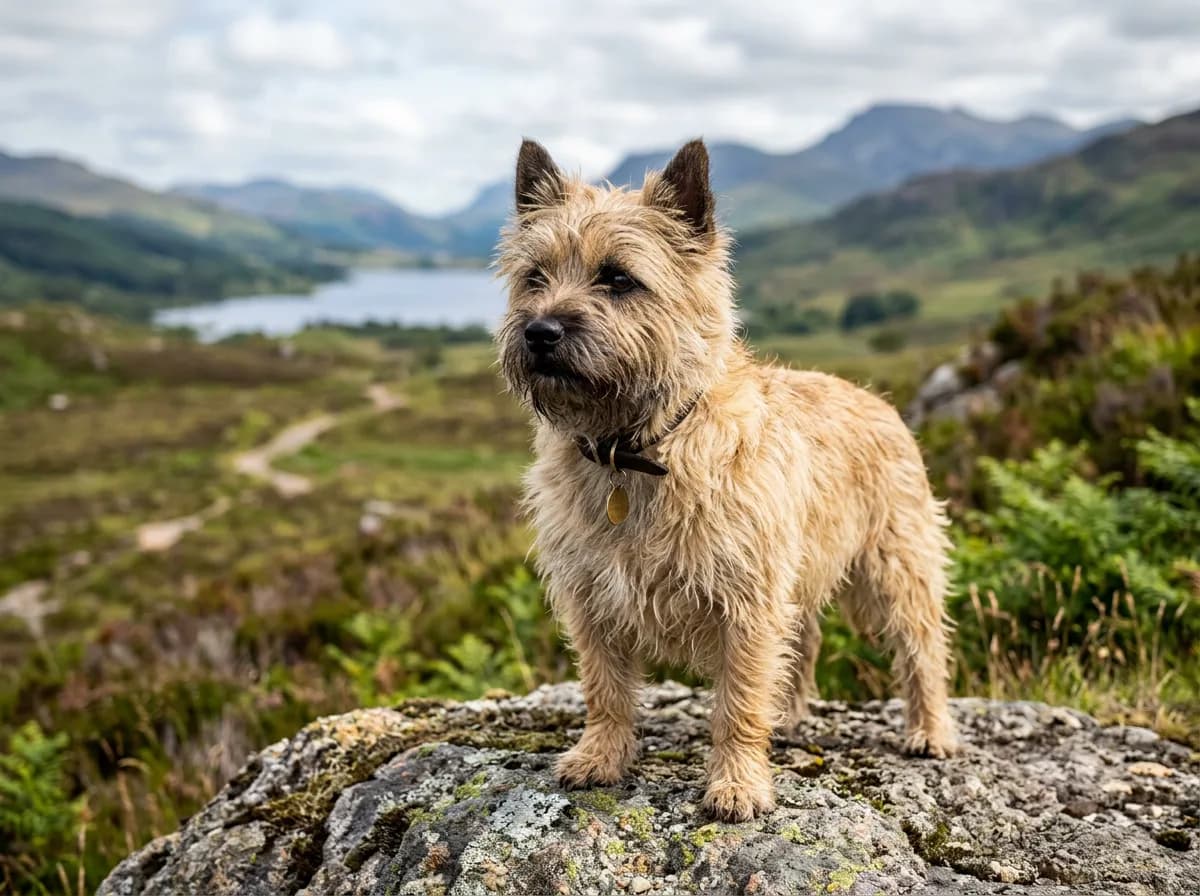
Cairn Terrier
Made famous as Toto in *The Wizard of Oz*, the Cairn is one of Scotland’s oldest working terriers, bred to bolt rodents from rock piles (cairns). It is hardy, friendly, and one of the more trainable small terriers, which is why it lands on nearly every “best terrier for families” list. Expect a busy, curious dog that loves to dig and needs a daily walk plus a game or two, and a shaggy weather-resistant coat that does best with weekly brushing and occasional hand-stripping. Cairns typically stand 9 to 10 inches tall and weigh 13 to 14 pounds.
Norwich Terrier
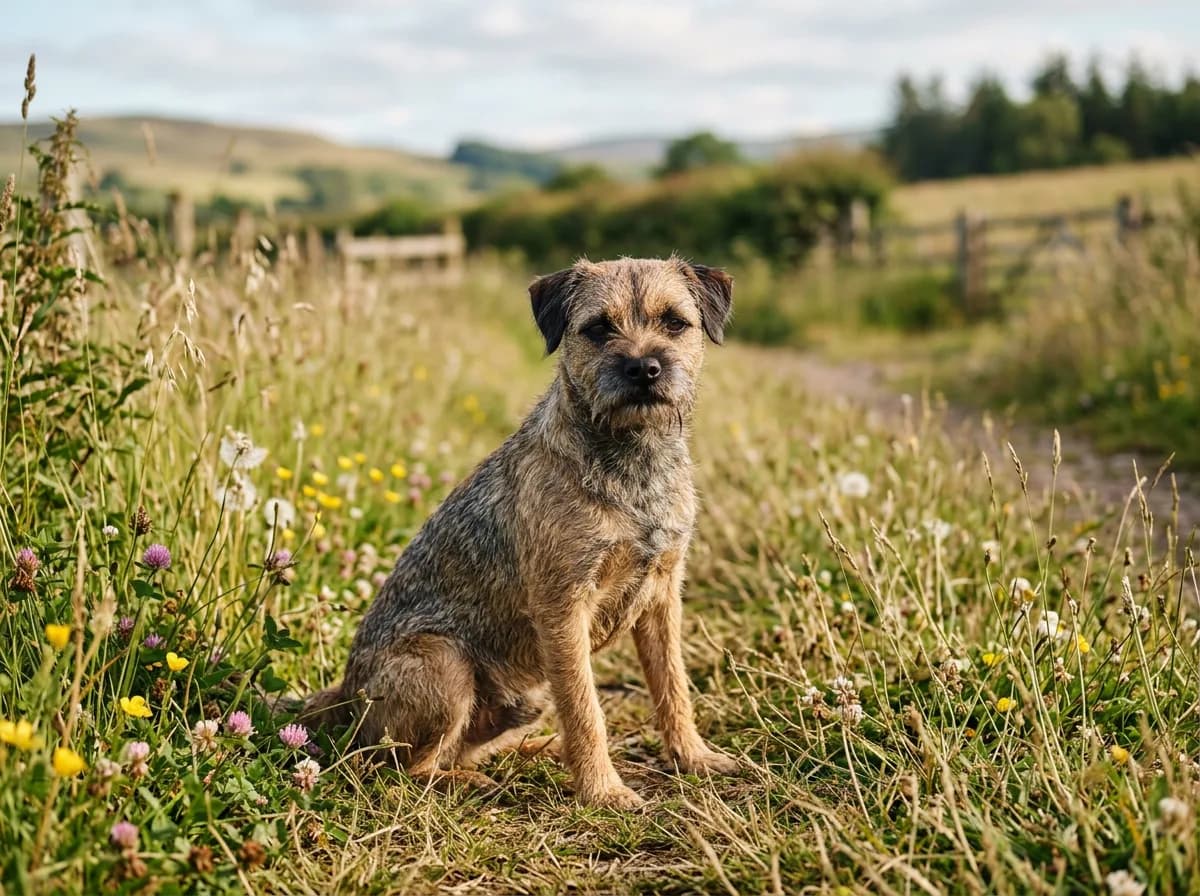
The Norwich is one of the smallest working terriers, distinguished from its cousin the Norfolk by its erect, pointed ears. Affectionate and sociable, it was bred to hunt rats around Cambridge stables and still loves a job.
Norfolk Terrier
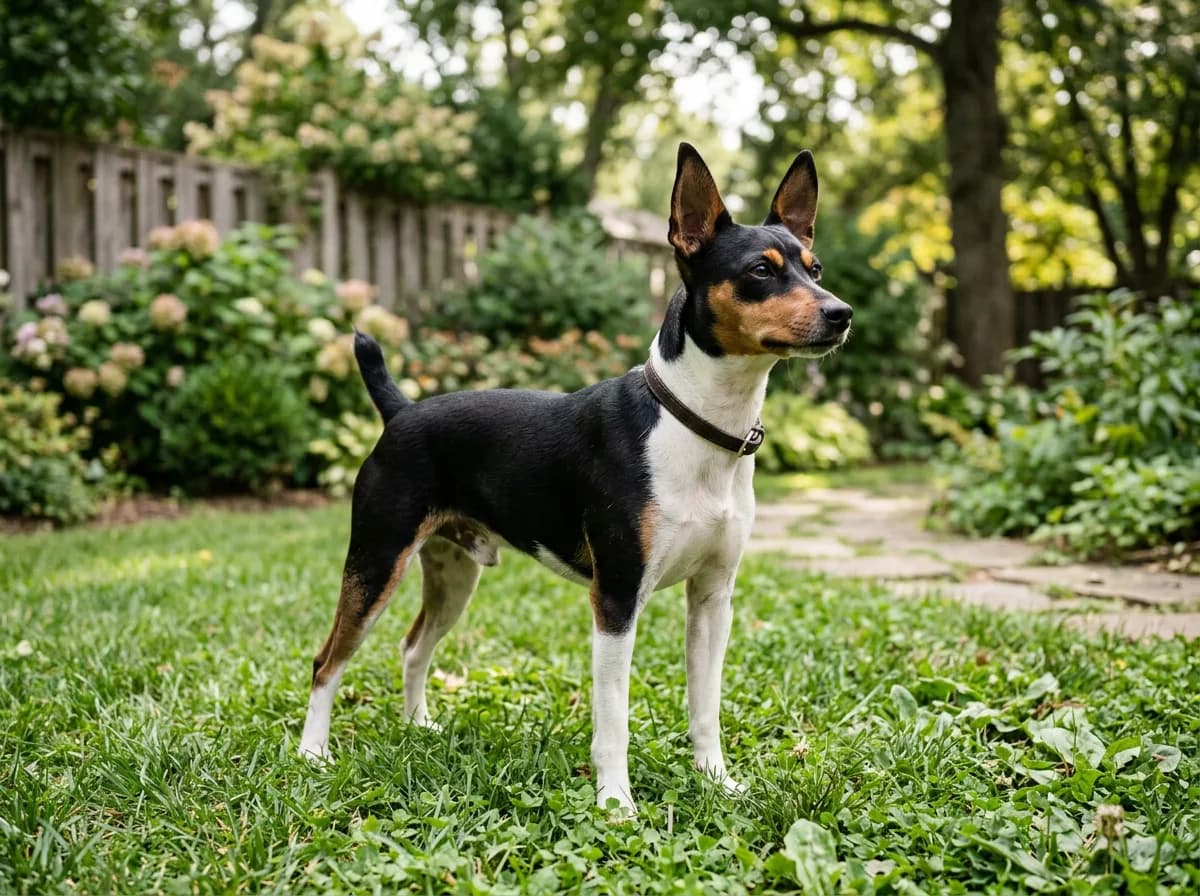
The Norfolk is the Norwich’s drop-eared twin, split into a separate breed in 1964. Slightly more laid-back than many terriers, it is a sturdy, cheerful companion that packs well into small homes.
West Highland White Terrier
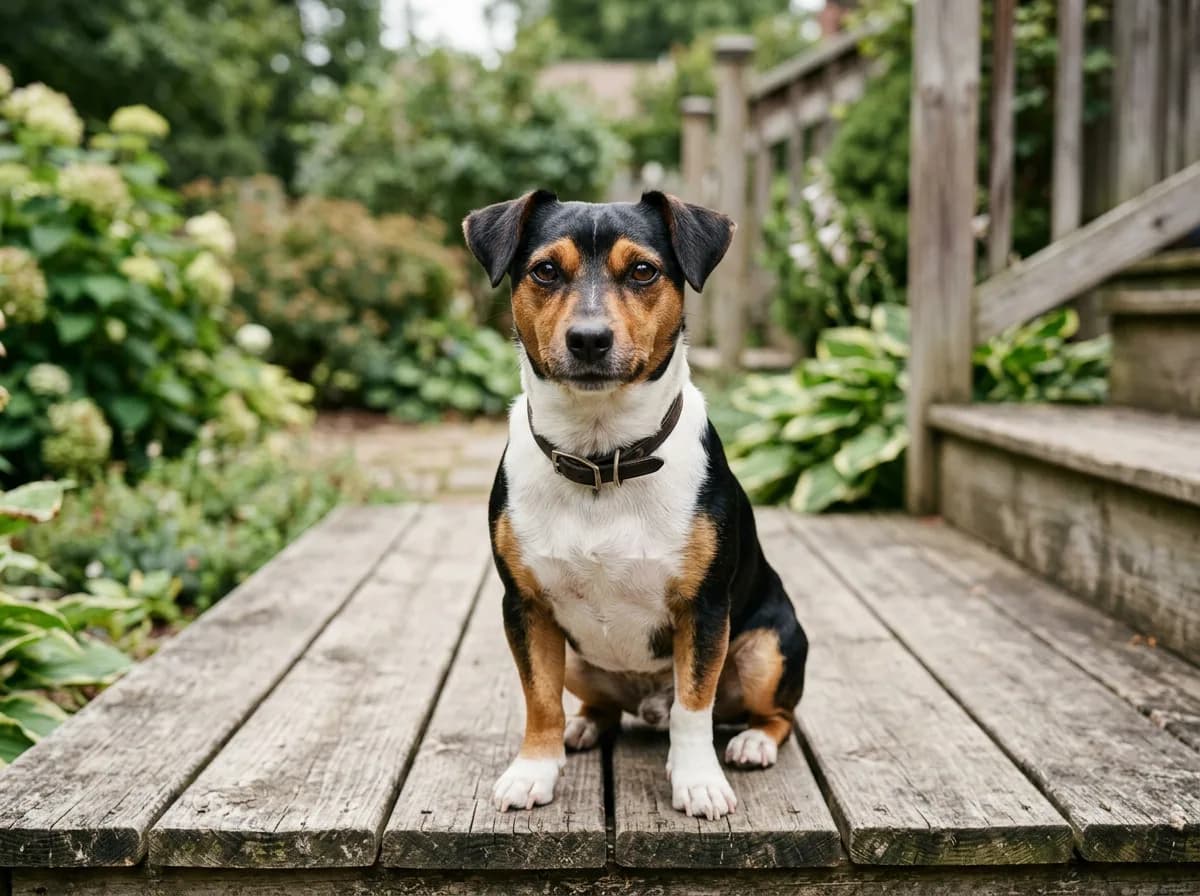
The “Westie” is instantly recognizable for its bright white coat and confident carriage. Bred in Scotland to hunt vermin, it is one of the most popular terriers worldwide and a frequent pick for first-time terrier owners who want personality in a small package. The double coat needs regular brushing and periodic trimming or stripping to stay white and weatherproof, and while Westies are affectionate and adaptable, they keep a terrier’s stubborn streak and love of barking. Reward-based training from puppyhood keeps that independence in check.
Scottish Terrier
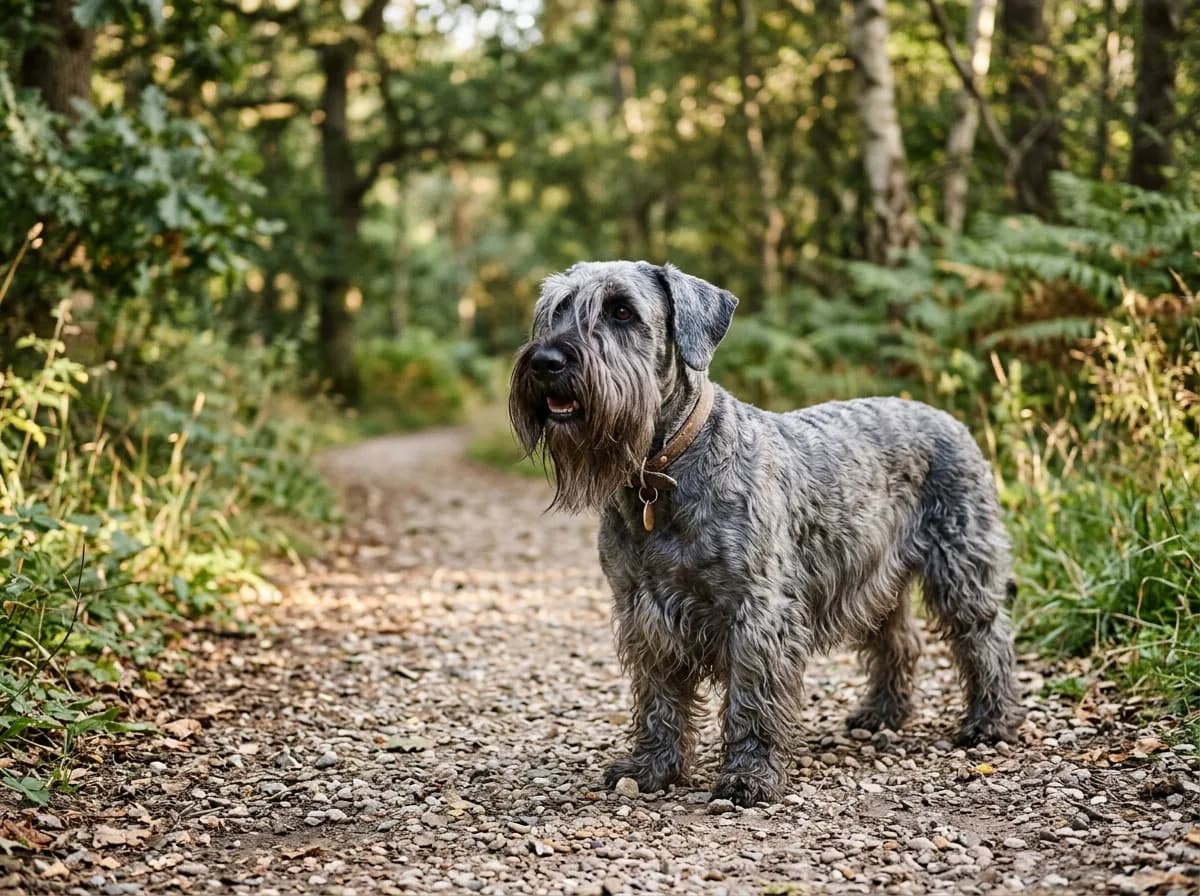
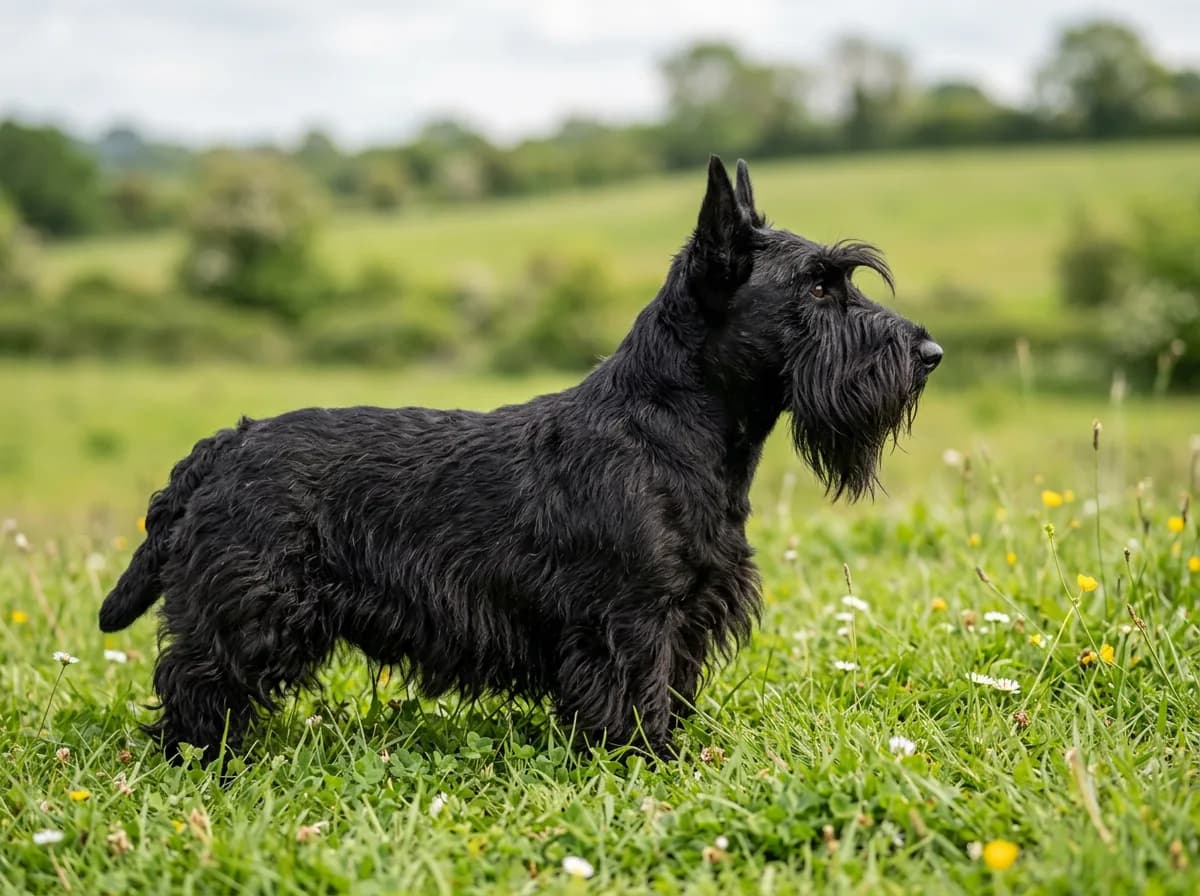
The dignified “Scottie” carries a distinctive silhouette: short legs, long head, and a hard wiry coat most often seen in black. Independent and territorial, it is loyal to its people and famously aloof with strangers. Scotties are moderate in energy but strong-willed, so patient, consistent training works far better than force. The wiry coat is traditionally hand-stripped and needs regular brushing to prevent matting, and the breed can be prone to a bleeding disorder and other genetic conditions that a responsible breeder screens for.
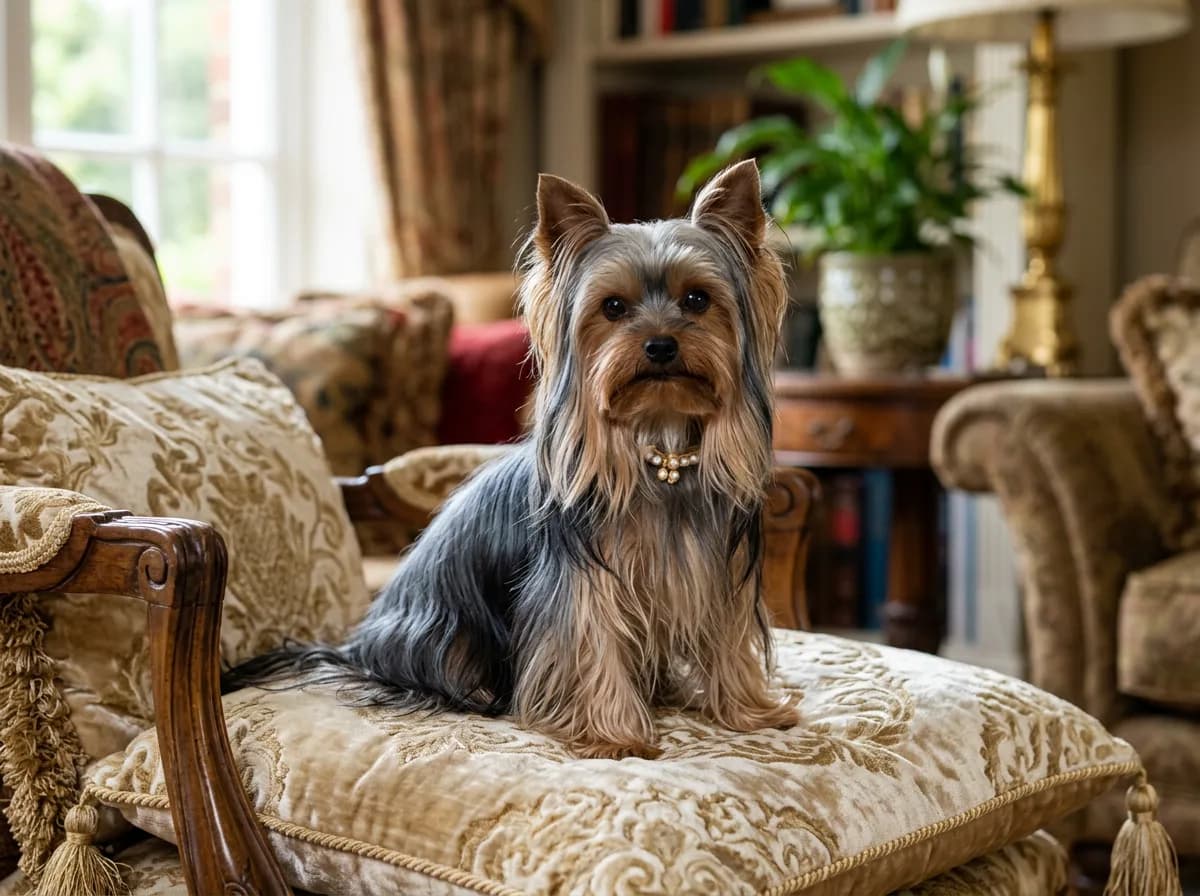
Yorkshire Terrier
The Yorkie sits in the Toy Group but is a terrier to the core, originally bred to catch rats in Victorian textile mills. Its long, silky, low-shedding coat and bold spirit make it one of the most recognizable little dogs in the world. That flowing coat is high-maintenance, needing daily brushing when kept long or a shorter “puppy cut” for easier care, and despite weighing just 4 to 7 pounds, the Yorkie is fearless and benefits from gentle socialization so it does not become yappy or overprotective.
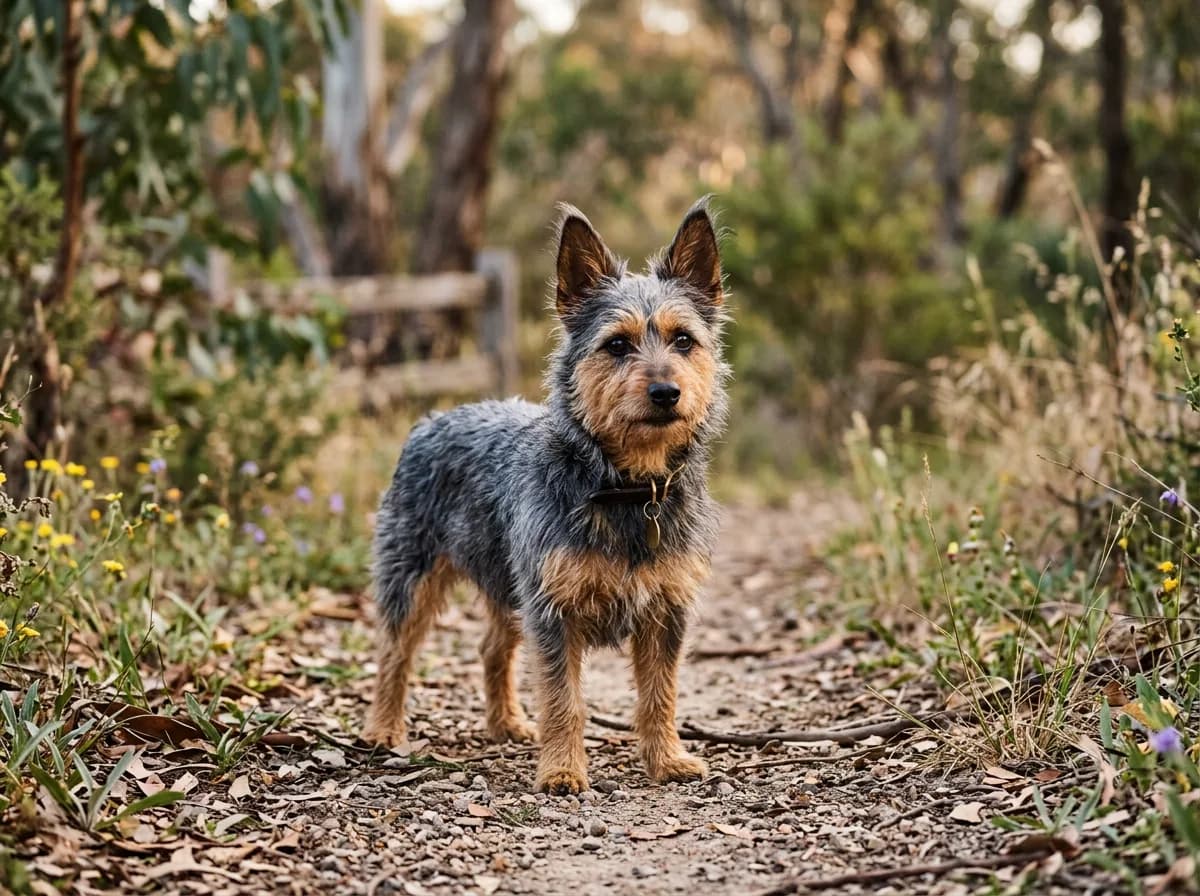
Australian Terrier
One of the smallest working terriers, the Australian Terrier was developed to control rodents and snakes on remote homesteads. It is spirited, devoted, and generally gets along better with family life than many of its high-strung cousins.

Petful may earn a commission when you click through to Chewy, at no extra cost to you.
Border Terrier
Bred along the England-Scotland border to run with foxhounds, the Border is a tough, no-frills working terrier with an unmistakable otter-shaped head. At home it is one of the most affectionate and adaptable terriers, which is why families love it. Borders are eager to please and easier to train than many in the group, but they have real stamina and a strong prey drive, so they need daily exercise and a secure yard. The harsh, wiry double coat sheds little and is kept tidy with weekly brushing and occasional stripping.
Rat Terrier
An all-American farm dog, the Rat Terrier was prized on early-1900s farms for keeping barns free of vermin. Smart, versatile, and lower-maintenance in coat, it comes in miniature and standard sizes.
Teddy Roosevelt Terrier
A close cousin of the Rat Terrier, the Teddy Roosevelt Terrier is shorter-legged and more muscular. Named for the president who loved ratting terriers, it is a newer AKC-recognized breed that remains a capable working and companion dog.
Cesky Terrier
A Czech breed created by crossing Sealyham and Scottish terriers, the Cesky is calmer and more trainable than most terriers. Its silky gray coat is clipped rather than stripped, giving it a softer look.
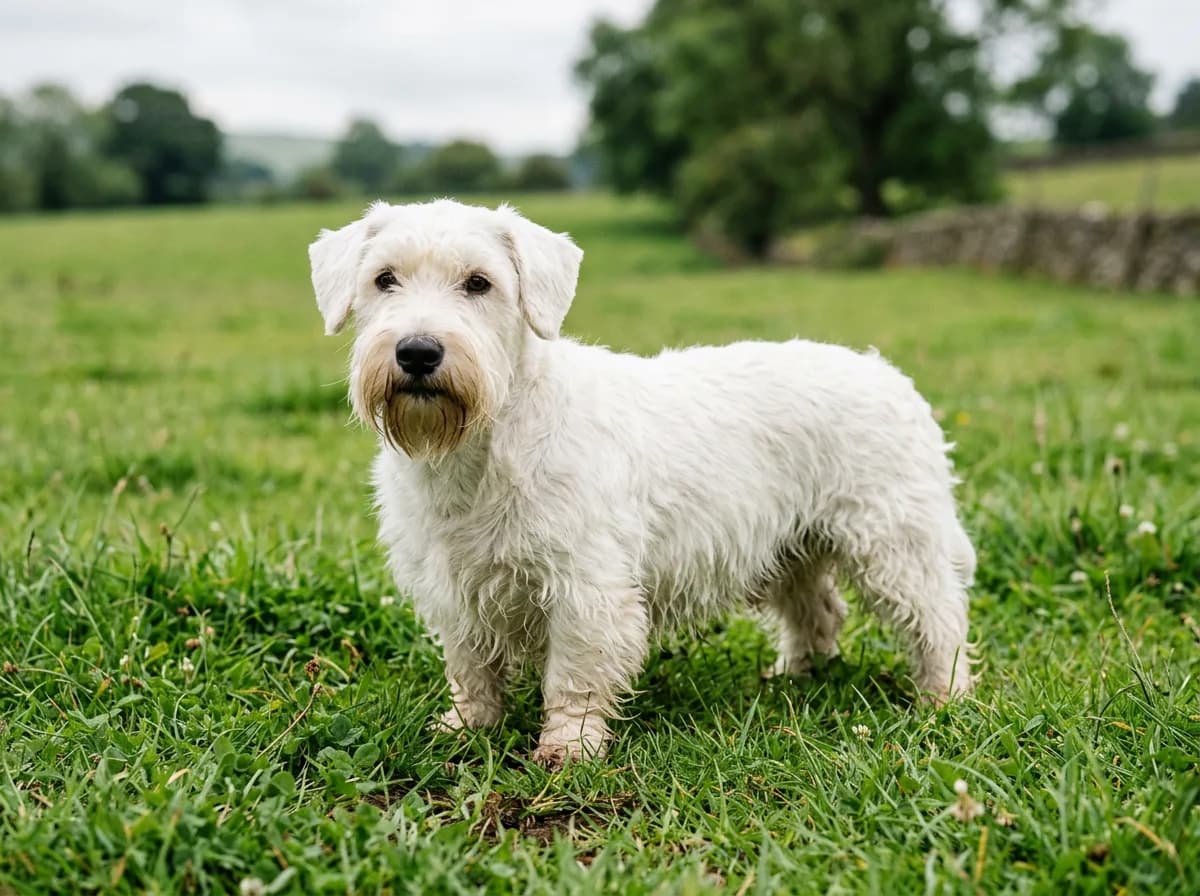
Sealyham Terrier
A rare Welsh breed with a long, low body and white coat, the Sealyham was developed to hunt otter, badger, and fox. Once a celebrity favorite, it is now one of the more uncommon terriers but keeps a mellow, dignified temperament.
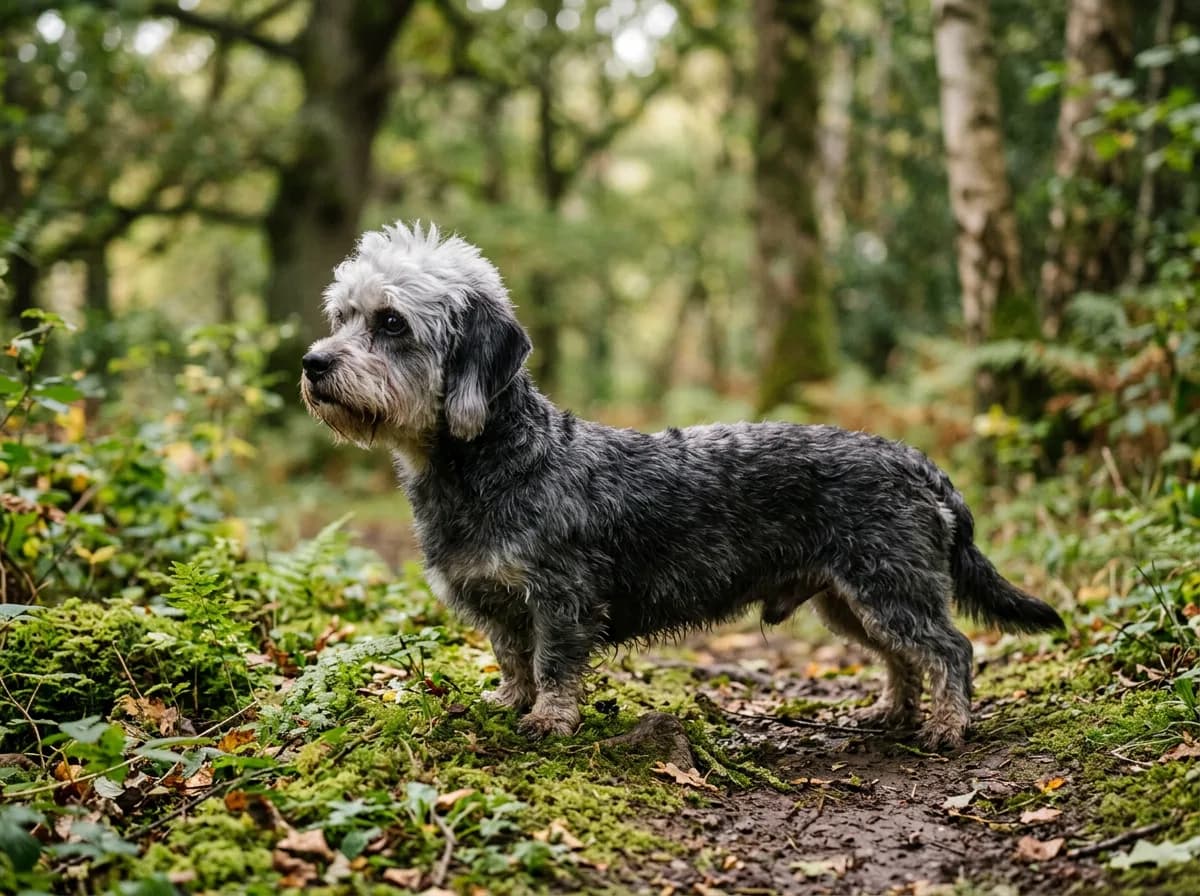
Dandie Dinmont Terrier
Unmistakable for the soft topknot of hair on its head, the Dandie Dinmont is a long-bodied Scottish terrier named after a character in a Sir Walter Scott novel. It is calmer and quieter than many terriers, with a surprisingly big bark.
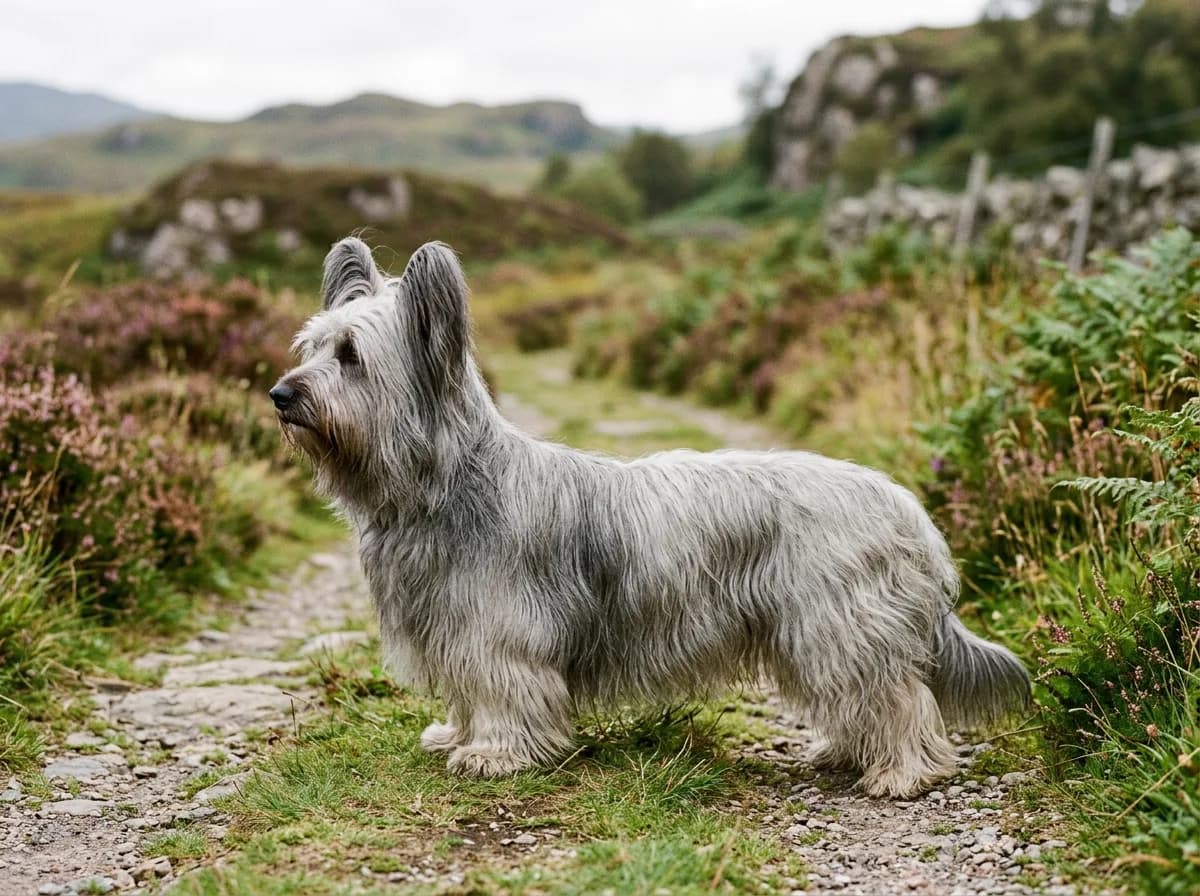
Skye Terrier
The Skye is a long, low, heavily coated terrier from Scotland’s Isle of Skye. Elegant and reserved, it is one of the most endangered native dog breeds, devoted to its family but wary of strangers.
Glen of Imaal Terrier
This tough, low-slung Irish terrier from the Wicklow Mountains is quieter and less excitable than most of the group, sometimes called the “couch potato” of terriers. Sturdy and game, it was bred for hunting and even turnspit work.
The KONG Wubba is the fetch + tug hybrid that channels Belgian Malinois prey drive into productive play. Long tails make it easy to throw far and grab during tug. The squeaker inside triggers the chase instinct that this breed needs to exercise daily. Pairs naturally with flirt-pole work and structured fetch sessions.
Petful may earn a commission when you click through to Chewy, at no extra cost to you.
Medium Terrier Breeds
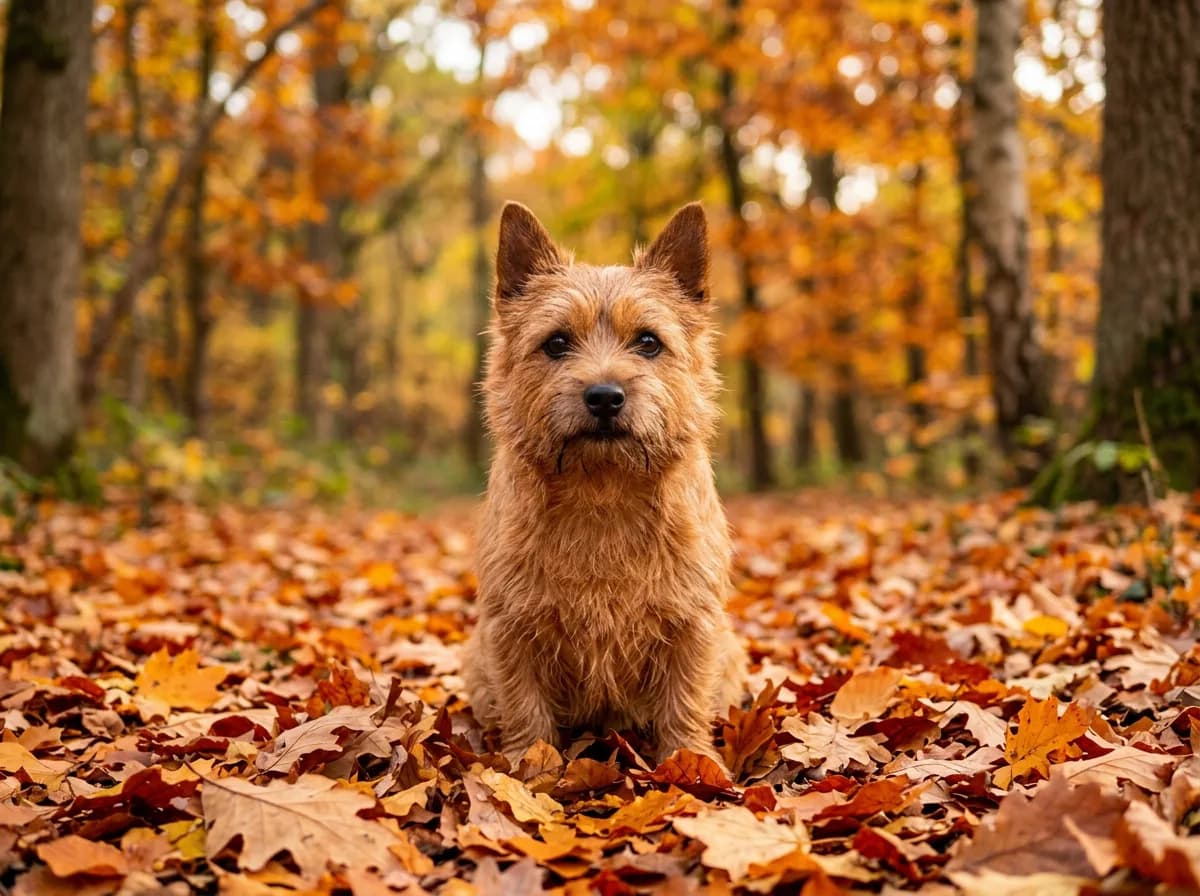
Medium terriers bridge the gap between lap companion and working athlete. Many were bred to work alongside hounds, giving them stamina to match their nerve.
Wire Fox Terrier
A classic fox-hunting terrier with a dense, wiry white coat, the Wire Fox Terrier is lively, bold, and a perennial show-ring star. It needs plenty of exercise and firm, patient training.
Smooth Fox Terrier
The Smooth Fox Terrier shares the fox terrier’s build and drive but wears a short, easy-care coat. Athletic and endlessly curious, it thrives with an active owner who can channel its energy.
Parson Russell Terrier
Named for the hunting parson John Russell, the Parson Russell is the taller, squarer, AKC-recognized cousin of the Russell Terrier. Bred to run with foxhounds, it is one of the most high-energy terriers of all.
Russell Terrier
The Russell Terrier is the shorter-legged, rectangular counterpart to the Parson. Often confused with the working Jack Russell, it is a lively, clever ratting dog that needs a real outlet for its drive.
Jack Russell Terrier
The working Jack Russell is a type rather than a single kennel-club breed, prized by hunters for its fearless drive and stamina. Extremely smart and extremely busy, it needs a committed, active home and is not a low-maintenance pet. Left under-exercised, a Jack Russell will invent its own jobs, usually digging, barking, and escaping, so this breed suits owners who want a jogging, hiking, or dog-sports partner. Its coat may be smooth, broken, or rough, and all three shed and need only basic brushing.
Miniature Schnauzer
The most popular terrier in the AKC’s registry, the Miniature Schnauzer was bred down from farm schnauzers to hunt rats. Friendly, trainable, and low-shedding, it is one of the easiest terriers to live with, which explains its huge following. The wiry coat and signature beard need clipping every five to eight weeks, and the breed is generally sociable with kids and other dogs when raised with them. Watch the diet, as Mini Schnauzers can be prone to high blood fat levels and related pancreatitis.
Petful may earn a commission when you click through to Chewy, at no extra cost to you.
Welsh Terrier
Looking like a miniature Airedale, the Welsh Terrier is a black-and-tan wire-coated dog bred to hunt fox, otter, and badger. Cheerful and less reactive than some terriers, it makes a spirited family companion.
Lakeland Terrier
From England’s Lake District, the Lakeland is a small, square, wire-coated terrier bred to protect flocks from foxes. Bold and self-confident, it wears a workmanlike coat that comes in several colors.
Manchester Terrier
The Manchester Terrier is a smooth, elegant black-and-tan ratter that comes in standard and toy sizes. Sleek and athletic, it is one of the oldest identifiable terrier breeds and a devoted, clean housemate.
Irish Terrier
The “Daredevil” of the terrier world, the Irish Terrier is a bold red-coated breed that served as a messenger dog in World War I. Fiery with other dogs but deeply loyal to family, it is courageous and full of heart.
Bedlington Terrier
Often described as a lamb with the heart of a lion, the Bedlington has a distinctive curly, low-shedding coat and an arched topline. Originally a miner’s ratting and racing dog, it is graceful, affectionate, and surprisingly fast.
Bull Terrier
The Bull Terrier’s egg-shaped head and muscular frame make it one of the most recognizable dogs alive. Playful, clownish, and strong, it is a devoted companion that needs early socialization and firm, kind training. Bull Terriers are affectionate people-dogs that hate being left alone and can be mischievous when bored, so they need plenty of exercise and company. The short coat is easy to groom, but white-coated dogs should be hearing-tested as puppies because the pigment genetics behind the white coat are linked to congenital deafness.
Miniature Bull Terrier
A scaled-down version of the Bull Terrier under 14 inches tall, the Miniature Bull Terrier keeps the full-size dog’s comedic charm and stubborn streak in a more apartment-friendly package.

Petful may earn a commission when you click through to Chewy, at no extra cost to you.
Staffordshire Bull Terrier
The “Staffy” is a compact, powerfully built British breed famous for its affection toward people, especially children, earning it the old nickname “the nanny dog.” It is strong, brave, and thrives on human company. Staffies are eager to please and highly trainable, though their strength and energy call for consistent leadership and good early socialization with other dogs. The short, smooth coat needs almost no grooming beyond a weekly once-over, making this one of the lower-maintenance terriers in the coat department.
Kerry Blue Terrier
Ireland’s national terrier is born black and matures to a striking blue-gray. The Kerry Blue is a versatile all-around farm dog that herds, hunts, and guards, with a soft non-shedding coat that needs regular clipping.
Large Terrier Breeds
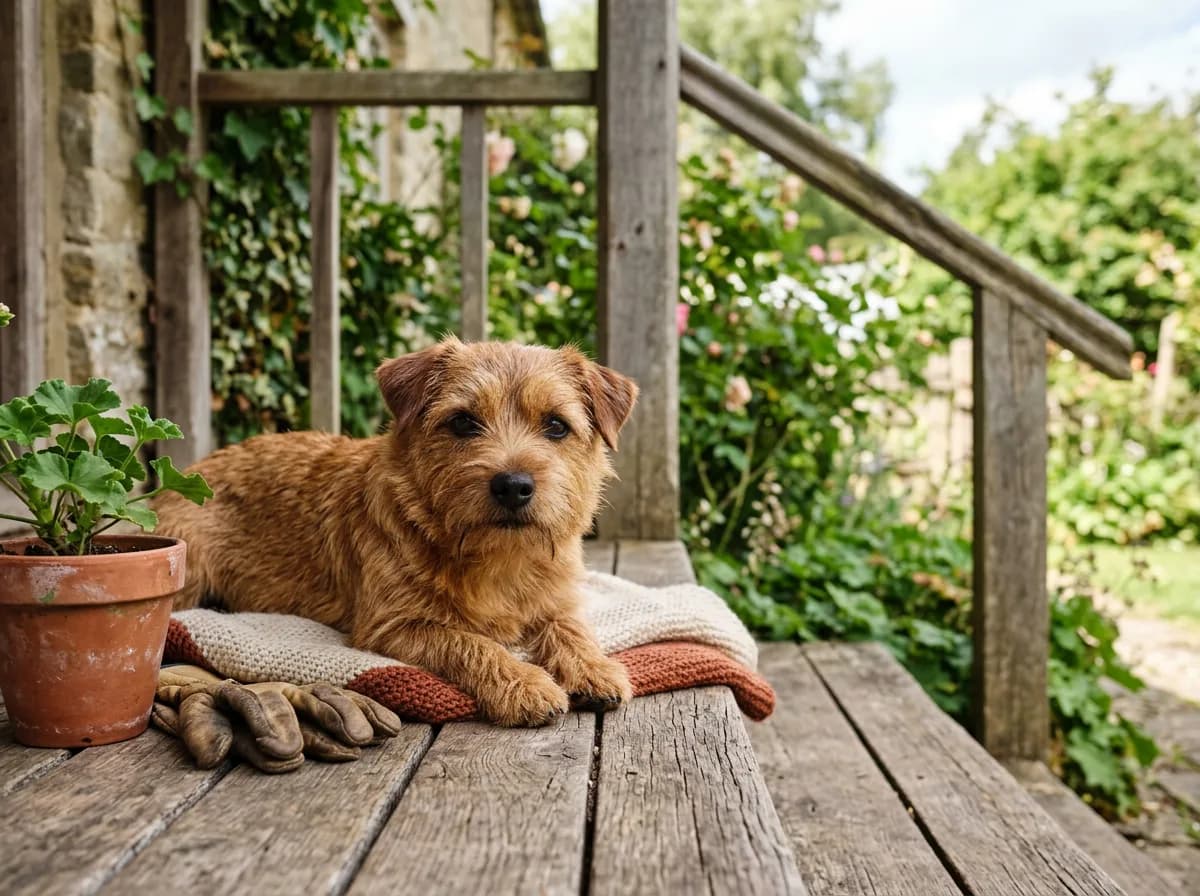
A handful of terriers were bred up in size for bigger jobs: hunting large game, guarding, and even police and military work. These are powerful dogs that need experienced handling.
Airedale Terrier
Nicknamed the “King of Terriers,” the Airedale is the largest of the group at up to 60 pounds. Bred in Yorkshire to hunt otter and rats, it has served as a war dog, police dog, and hunting partner. Smart and versatile, it needs a job and firm leadership. This is an athletic, high-energy breed that thrives with active families and dog sports, and it can grow bored and destructive without enough physical and mental work. The dense, wiry coat sheds little but is hand-stripped several times a year to keep its texture and color.
Soft Coated Wheaten Terrier
The Wheaten stands out for its soft, silky, low-shedding coat in shades of ripening wheat. An Irish farm dog used for herding and guarding, it is friendlier and more exuberant than many terriers, greeting the world with its trademark “Wheaten wiggle.” That soft coat does not shed much but mats easily, so it needs frequent brushing and regular trimming to stay healthy. Wheatens are sociable and moderately trainable, and their happy, jumpy greetings mean early manners training pays off, especially in homes with small children.
American Staffordshire Terrier
The AmStaff is a strong, confident, people-loving breed that descends from bull-and-terrier crosses. Loyal and courageous, it does best with early socialization, consistent training, and an owner committed to responsible ownership. AmStaffs are intelligent and affectionate with their families and generally eager to work with a handler, but their power means training and supervision around other dogs matter. The short coat is a breeze to groom, needing only occasional brushing and baths.
Black Russian Terrier
Developed by the Soviet military as a working guard dog, the Black Russian Terrier is a giant, powerful breed with a thick black coat. Intelligent and protective, it is a serious dog that needs an experienced owner and thorough training.
American Hairless Terrier
A rare offshoot of the Rat Terrier, the American Hairless Terrier comes in hairless and coated varieties. Lively and affectionate, its lack of coat makes sun protection and cold-weather care especially important.
Terrier breeds at a glance
| Breed | Size | Coat & shedding |
|---|---|---|
| Cairn Terrier | Small, 13-14 lb | Wiry, low shedding |
| Miniature Schnauzer | Small, 11-20 lb | Wiry, low shedding |
| Bull Terrier | Medium, 50-70 lb | Smooth, moderate shedding |
| Airedale Terrier | Large, up to 60 lb | Wiry, low shedding |
| Soft Coated Wheaten | Medium, 30-40 lb | Silky, low shedding |
Choosing the Right Terrier for You
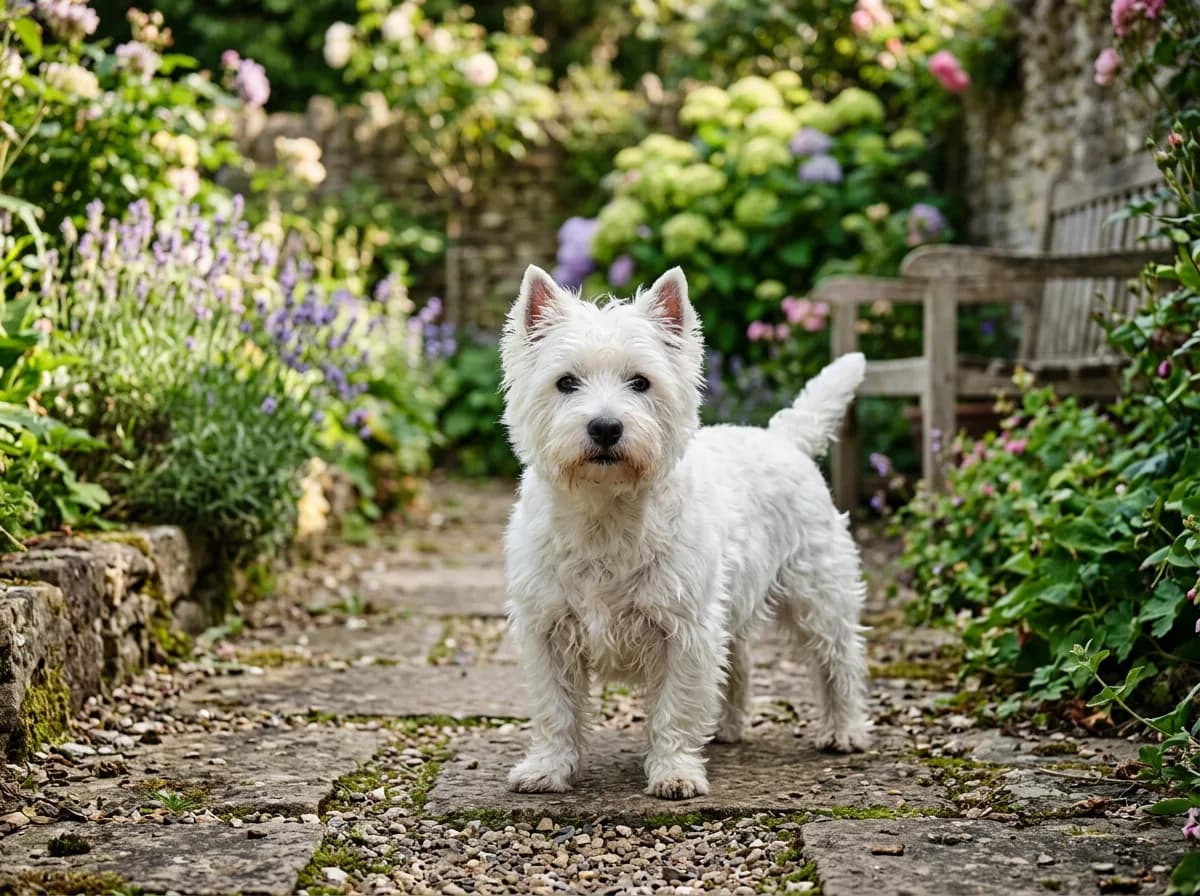
There is no single “best” terrier, only the best terrier for your home. Small companion types such as the Cairn, Norfolk, and Westie suit apartment and family life, while high-drive workers like the Jack Russell, Parson Russell, and Airedale need active owners and room to run. If you or a family member has allergies, the low-shedding coats of the Wheaten, Bedlington, Kerry Blue, and Miniature Schnauzer are worth a look, though no dog is truly hypoallergenic.
Coat care is the other big variable. Wiry breeds keep their best texture with hand-stripping, smooth coats need little more than weekly brushing, and soft or curly coats need routine clipping every few weeks. Factor grooming time and cost into your decision before you fall for a face.
Temperament within the group varies more than newcomers expect. The fox terriers, Jack Russells, and Airedales sit at the high-energy, high-drive end and reward experienced, active owners, while the Glen of Imaal, Dandie Dinmont, Sealyham, and Cesky are noticeably calmer and better suited to quieter homes. Family-friendly middle-ground picks such as the Cairn, Border, Westie, and Staffordshire Bull Terrier combine terrier spirit with an easygoing streak. Whatever the breed, plan on early socialization and reward-based training, because a bored or under-exercised terrier will find its own entertainment, usually digging, barking, or chewing.
If you are set on a specific breed, buy from a responsible breeder who health-tests, or check breed-specific rescues, which often have wonderful adult terriers looking for homes. Meeting the parents or the adult dog in person tells you far more about the temperament you will live with than any list can.
Watch the prey drive around small pets
- Because terriers were bred to hunt, many have a strong instinct to chase cats, rabbits, and rodents. Early socialization helps, but a securely fenced yard and reliable leash habits matter for any terrier, especially the fox terriers, Jack Russells, and rat-hunting breeds.
Terrier Health Notes
Most terriers are hardy, long-lived dogs, but a few breed-specific health points are worth knowing. Bull Terriers, Boston-adjacent bull-type dogs, and other breeds with shortened muzzles can be prone to brachycephalic airway issues; the Bull Terrier is only mildly shortened, but any flat-faced dog should be watched for noisy breathing and heat intolerance, per the Merck Veterinary Manual (https://www.merckvetmanual.com/). Bull Terriers are also screened for a hereditary kidney condition and, in the white-coated dogs, for congenital deafness linked to the pigment genetics, as noted by veterinary references at VCA Animal Hospitals (https://vcahospitals.com/). Bedlington Terriers carry a well-documented risk of copper storage disease affecting the liver, which reputable breeders test for. Always ask a breeder about health screening for the specific breed you choose, and see the general breed-color and coat-genetics background in our guide to the Rhodesian Ridgeback coat colors for how pigment genes can tie into health.
- 1Ask any breeder for breed-specific health screening results before you commit.
- 2White-coated Bull Terriers should be BAER-tested for congenital deafness tied to pigment genetics.
- 3Bedlington Terriers should be screened for copper storage liver disease, and short-muzzled types watched for breathing trouble.
Frequently Asked Questions
Living With a Terrier Day to Day
Owning a terrier is rewarding, but it is rarely low-effort. Because the group was bred to dig, chase, and sound the alarm, those instincts do not switch off in a suburban backyard. Most terriers need 30 to 60 minutes of real activity a day, plus a mental outlet such as a puzzle feeder, a scent game, or a sanctioned digging spot, or they will invent their own project. Fencing matters more here than for many breeds. Terriers are notorious diggers and climbers, so bury the base of a fence or add an inward-facing footer, and never trust an underground electric fence alone to hold a determined ratter. Barking is baked in too. You can teach a “quiet” cue and reward calm behavior, but you will not train the voice out of a dog bred to bark at vermin. Set realistic expectations, redirect the drive into games, and a terrier settles into a devoted, entertaining housemate.
Give the digging a legal outlet
- Instead of fighting the instinct, set aside a sandbox or a marked corner of the yard, bury a few toys or treats there, and reward your terrier for digging in that spot. Redirecting the behavior works far better than trying to suppress it.
Terrier Mixes You Will Meet in Shelters
Purebred terriers are only part of the picture. Because terriers were crossed for centuries to sharpen working traits, terrier blood runs through a large share of mixed-breed dogs, and shelters are full of them. Popular deliberate crosses include the Yorkipoo (Yorkshire Terrier and Poodle), the Morkie (Maltese and Yorkie), and a wide range of bull-type terrier mixes. These dogs often inherit terrier energy and prey drive no matter what the other parent contributes, so read the temperament of the individual dog in front of you rather than assuming a mix will be calmer or lower-drive than a purebred. A well-matched adult terrier mix from a rescue can be one of the best-value companions you will find.