

Chris Vanderhoof / Cats.com
Ursodiol is a medication that improves bile flow and can have protective effects for the liver. Learn more about ursodiol and how it may be used for cats.
Quick Overview: Ursodiol for Cats

Medication Type:
Choloretic, Bile acid, Hepatoprotectant
Form:
Capsules and Tablets
Brand Names:
Actigall, URSO
Available Dosages:
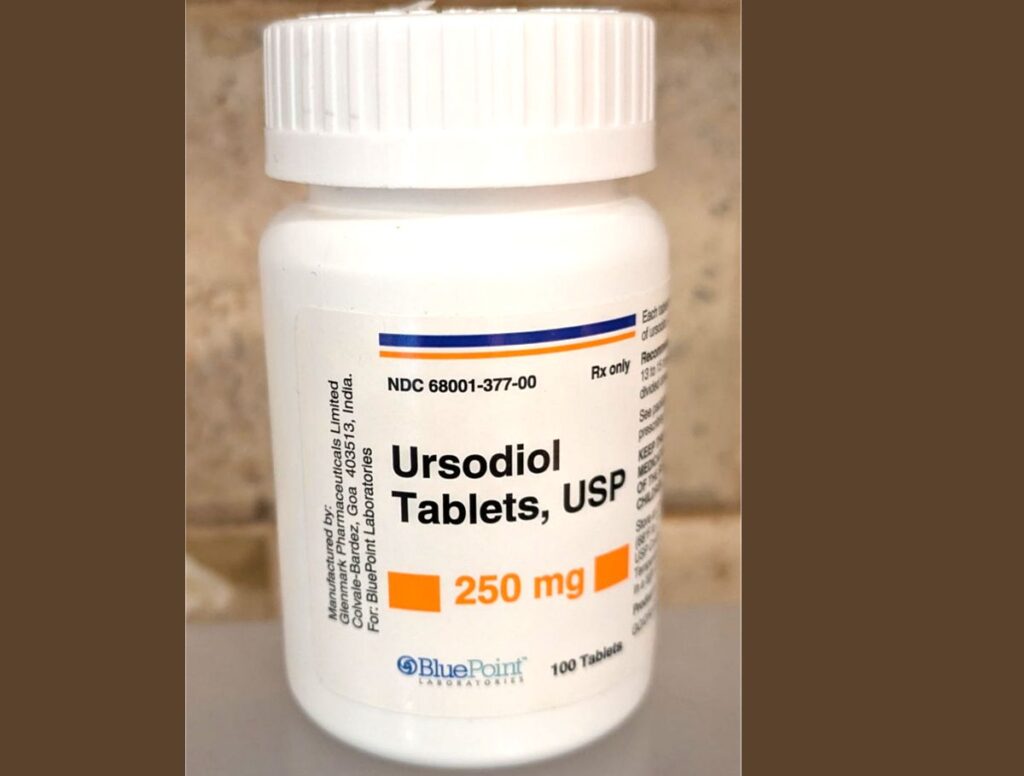
Commercially available tablets and capsules are too large for most cats. Many veterinarians may elect to order this medication through a compounding pharmacy for a smaller dosage size or form that is easier to dose.
About Ursodiol for Cats
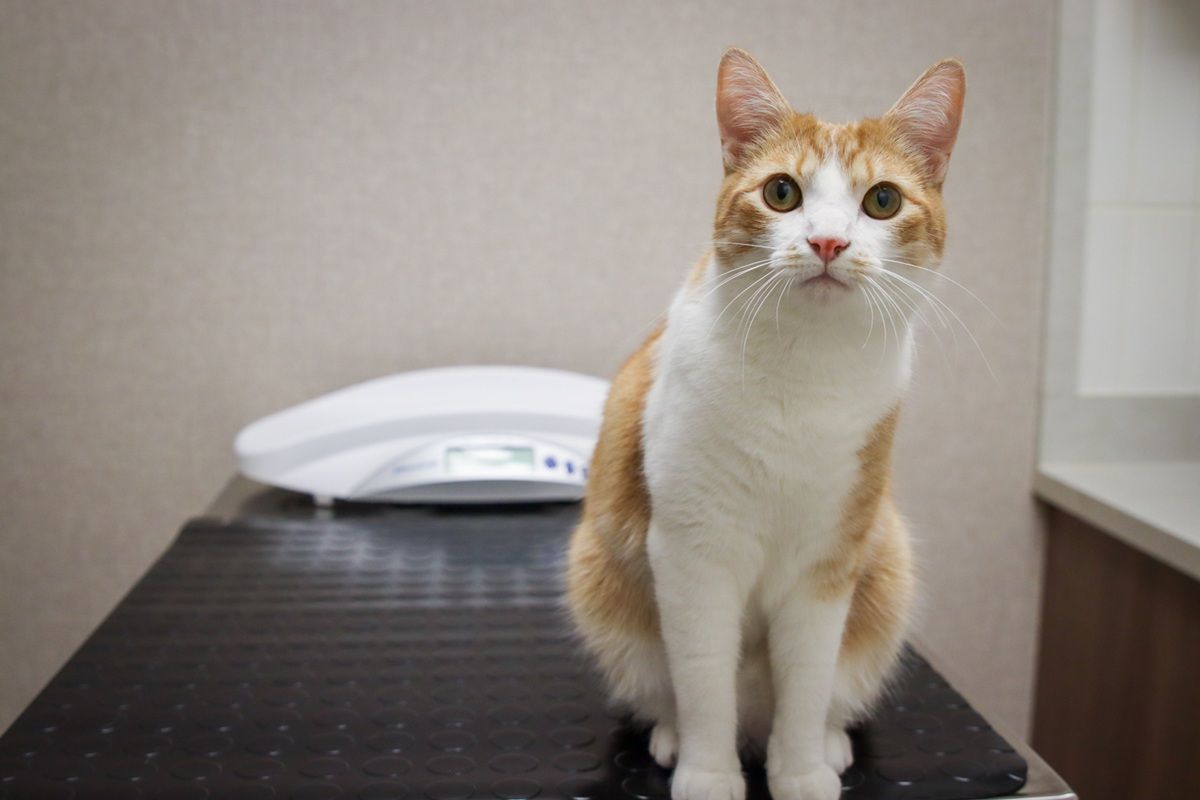
Ursodiol may be used to help treat disease of the liver and bile ducts, which may cause a yellowed jaundiced or icteric appearance to the skin. Kirsten McCarthy / Cats.com
Ursodiol, also known by its scientific name ursodeoxycholic acid (UDCA), is a medication with a couple of descriptive functions but it is essentially a bile acid that when given as a medication can have beneficial properties for flow of bile and the liver itself.
Bile is a greenish yellow fluid that the liver produces. It courses through bile ducts to the gall bladder where it is stored. The primary purpose of bile is to help break down fat in the small intestine as a part of digestion. When the gallbladder contracts, it releases bile into the common bile duct where it merges with the pancreatic duct in cats before emptying into the small intestine.
The liver also produces bile acids that are released into bile and are the main components of bile that aid in fat digestion. Other functions of bile acids include reducing the body’s cholesterol, helping to power bile flow, and aiding in removal of bacterial growth from the small intestine and bile ducts, keeping things in balance.
There are several different bile acids produced by the liver. Ursodeoxycholic acid (ursodiol) is produced by the liver as well, but only in very small amounts. Some other bile acids, while important in their own right, can actually cause inflammation and damage if proper bile flow is affected.
When ursodeoxycholic acid is given as a medication as ursodiol, it functions in a couple of beneficial ways:
- It acts as a choloretic, meaning it increases bile flow by stimulating the movement of bile acids from liver cells into the bile ducts.
- Increasing bile flow helps to eliminate toxic bile acids that may be causing inflammation and cell damage from poor bile flow.
- Has antioxidant, anti-inflammatory, and immunomodulating (preventing immune system-related damage) effects.
- Promotes liver and bile cell protection by replacing the more toxic bile acids
- Has antiapoptotic properties which means it can protect cells against cell damage and death which can contribute to progressively worse liver disease.
Where ursodiol can be of most importance for cats is as part of treatment for cholangitis/cholangiohepatitis syndrome (CCHS). CCHS is a complex condition in cats involving inflammation of the liver and bile ducts. It often occurs together with inflammatory bowel disease and/or pancreatitis. When the three occur together, this is called triaditis.
CCHS may involve a complex combination of physical/structural abnormalities impacting bile flow, inflammation, and bacterial overgrowth migrating from the small intestine.
Ursodiol can aid in therapy for CCHS in a few ways. Its anti-inflammatory and immune-modulating properties can aid in the inflammatory changes present. Improving bile flow also aids in not only flushing out toxic bile acids contributing to damage but also in lowering bacterial overgrowth.
In humans, ursodiol is used to dissolve gallstones. However, in people, gallstones are primarily composed of cholesterol which ursodiol is able to act against. In dogs and cats though, gallstones are composed largely of calcium. This means that ursodiol cannot be used to dissolve gallstones in pets (surgical removal is usually necessary).
Dosing Information for Cats
Ursodiol is not an FDA approved medication for cats, and is always used off-label. This is common in veterinary medicine for many medications.
The proper dosing and frequency for this medication is best determined by your veterinarian. The common dosing range used is fairly small, ranging from 10-15 milligrams per kilogram. For an average 10-11 lb cat, this equates to only about 50-80mg.
The medication may be given just once a day, though many will recommend splitting the daily dosage and giving it every 12 hours.
As ursodiol commercially comes most often in 300mg capsules making dosing impractical for any cat, your veterinarian may elect to get this medication compounded into a much smaller size. Compounding may also allow for a form, like a tiny tablet or flavored liquid, that is easier to give a cat.
Ursodiol does come commercially in 250mg tablets, which could be quartered into about 60mg pieces and practical for some cats if dosing once a day. However, if the daily dose is recommended to be split into giving every 12 hours, requiring the tablet to be cut into 1/8 pieces, this would also be impractical. The tablets are also very bitter, which may lead to palatability difficulties when dosing for cats.
Compounding may also be preferred in many cases over tablets as well.
“While these are the most common dosages and treatment observations, you should consult with your cat’s veterinarian on the exact dose and treatment protocol.”
How to Administer Ursodiol to Cats?
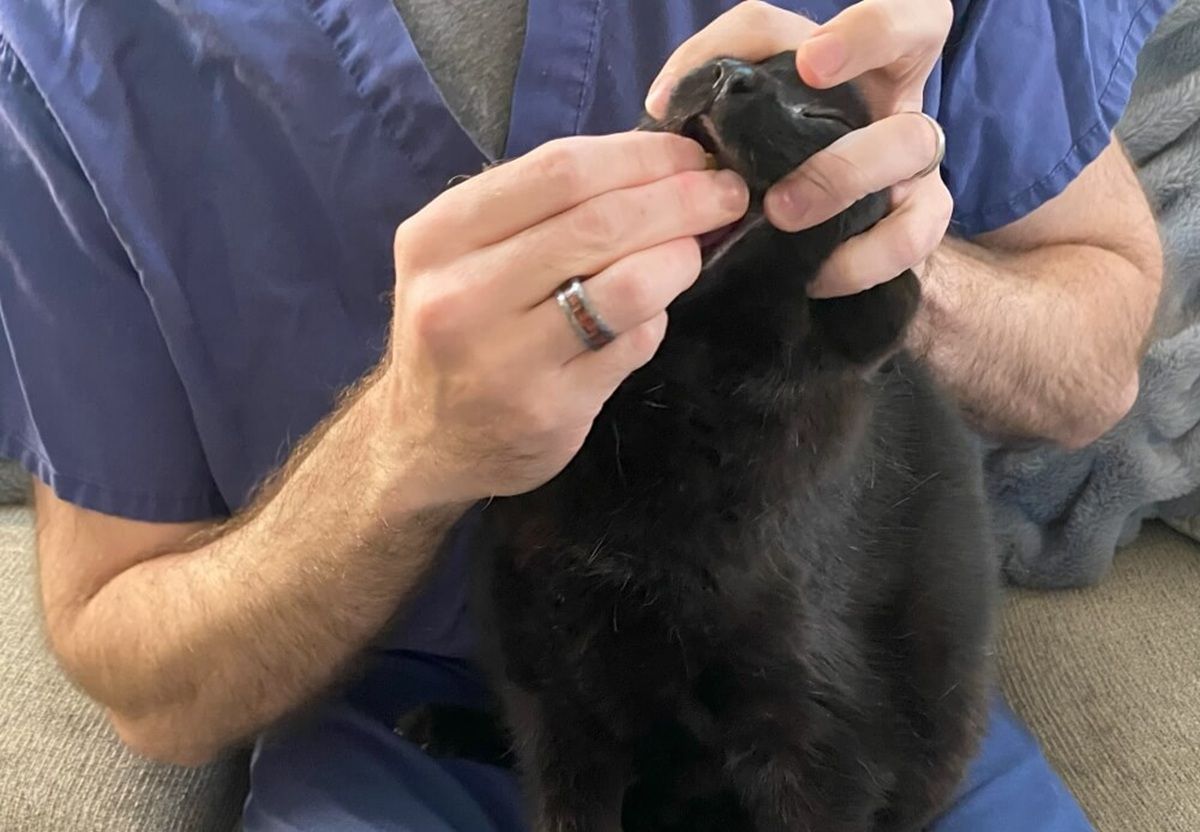
The tablet form of ursodiol may be most practical for cats, but most cats would only need ¼ of a tablet. It may need to be given directly by mouth but wrapping it in food or a pill wrap type of treat may help with the bitter taste. Your veterinarian may also recommend getting this medication compounded into a tastier or easier to dose form. Chris Vanderhoof / Cats.com
The 300mg capsule form that ursodiol most commonly comes in is not an appropriate dosage size to give any cat. That leaves the commercial tablets, if they’re available.
The smaller 250mg tablet size is the only practical size that could be considered but would require splitting into ¼ tablet for once daily dosing or 1/8th of a tablet for twice daily dosing for most cats.
The tablets are very bitter, so they may present a palatability challenge for many cats as well. It is possible they could be hidden in food given their small size after being split. However, the most success giving the tablet form may be by hiding it in pill wrap or a pill pocket. If your cat will not eat it on their own, you can administer the wrapped tablet directly by mouth.
For some tips on how to give a pill to your cat directly, see our article on How to Give Your Cat a Pill.
For many cats, especially if ursodiol is to be given long-term, working with your veterinarian to have it compounded into an appropriate dosage size and form that is amenable to your cat may be the best option.
Through a compounding pharmacy, a medication may be made into a liquid or treat form with flavoring more palatable for your cat. Small tablets with more accurate dose sizes may also be made, which may at least be less bitter than the commercial form.
Side Effects of Ursodiol for Cats
Ursodiol is generally well tolerated in cats, as it is a bile acid the liver already produces. No specific adverse effects have been noted in cats, though in dogs, nausea and diarrhea have been rarely reported.
In normal cats without illness, studies have shown no changes in lab work parameters, ultrasound appearance to the liver, or liver tissue appearance with the exception of a lower cholesterol.
Ursodiol is considered contraindicated in cases where there is a complete bile duct obstruction. This can usually be seen in cats with an ultrasound/sonogram of the liver.
Ursodiol should be used cautiously in cats with a complication called ductopenia. This is where small and medium-sized bile ducts are not present or functional. A primary disorder in cats causing this is very rare, but this can occur secondary to progressive inflammation and damage caused by CCHS. This form of the condition is termed non-suppurative CCHS with destructive/sclerosing cholangitis. This condition can only be diagnosed with a liver tissue biopsy.
Overdose and Emergencies
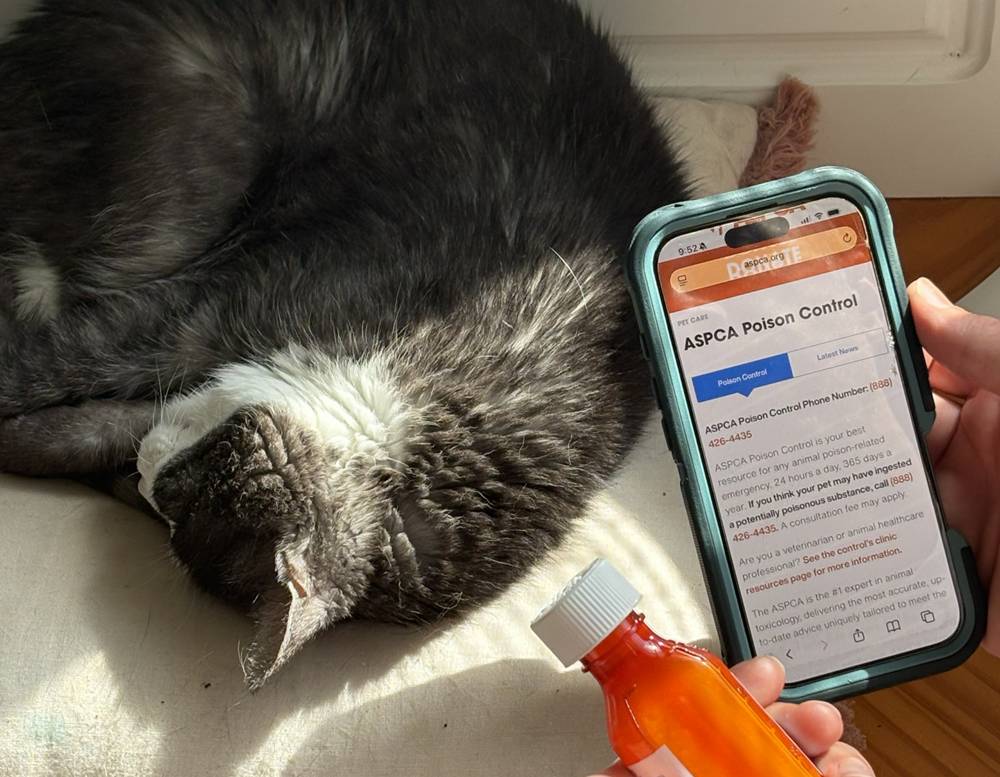
If you are ever unsure if you have given too much of a medication, given it correctly, or are concerned about medication interactions, contact your vet, ASPCA Poison Control, or the Pet Poison Helpline. Chris Vanderhoof and Annie / Cats.com
With careful and proper dosing, especially with compounded formulations, an overdose with ursodiol in cats would be considered a rare occurrence. Attempting to inappropriately give a cat a full tablet or capsule could certainly present a risk.
The most likely signs of an overdose may include hypersalivation, nausea, vomiting, and diarrhea. But keep in mind that these are not specific signs and could also be seen with underlying liver disease, inflammatory bowel disease, pancreatitis, and other conditions.
If you suspect your cat received an overdose of ursodiol, it’s best to immediately contact one or more of the following for advice:
- Your veterinarian
- ASPCA Animal Poison Control Center (1-888-426-4435)
- Pet Poison Helpline (1-855-764-7661)
Potential Drug Interactions With Ursodiol
The following list represents potential drug interactions with ursodiol. Unless specifically noted, use together is not necessarily contraindicated but use together should be considered carefully and under veterinary advisement.
- Aluminum-containing antacids (aluminum hydroxide): may bind to ursodiol, reducing its efficacy
- Cholestyramine: may bind to ursodiol, reducing its efficacy
- Estrogens: in humans, may increase liver cholesterol secretion, counteracting ursodiol’s effects though whether this occurs in animals is unknown
- Fibrates (fenofibrate, gemfibrozil): in humans, these increase cholesterol formation, counteracting ursodiol’s effects though whether this occurs in animals is unknown.
- Taurine: anecdotally, there has been concern that long-term administration of ursodiol in cats may lead to taurine deficiency. However, this has not been fully documented.
How to Store Ursodiol?
Ursodiol should be stored at room temperature 68–77°F (20–25°C). Split tablets may remain viable for up to 28 days but should be stored separately from whole tablets.
-
Budde, J. A., & McCluskey, D. M. (2023). Ursodiol. In Plumb’s veterinary drug handbook (10th ed.). Wiley-Blackwell.
-
Chen, I., & Cassaro, S. (2023, May 1). Physiology, bile acids. In StatPearls. StatPearls Publishing.
-
Cifuentes-Silva, E., & Cabello-Verrugio, C. (2023). Bile acids as signaling molecules: Role of ursodeoxycholic acid inCholestatic liver Disease. Current Protein and Peptide Science, 25(3), 206–214. https://doi.org/10.2174/1389203724666230818092800
-
Chandler, A. M., Randolph, J. F., Davignon, D. L., McDonough, S. P., & Warner, K. L. (2019). Reference limits for hepatic bile duct-to-arteriole and bile duct-to-portal tract ratios in healthy cats. American Journal of Veterinary Research, 80(1), 15–23. https://doi.org/10.2460/ajvr.80.1.15
-
Center, S. (2024, September). Feline Cholangitis/Cholangiohepatitis Syndrome. Merck Veterinary Manual Professional Version.
-
Černá, P., Kilpatrick, S., & Gunn-Moore, D. A. (2020). Feline comorbidities: What do we really know about feline triaditis? Journal of Feline Medicine and Surgery, 22(11), 1047–1067. https://doi.org/10.1177/1098612×20965831