
Petful is reader supported. As an affiliate of platforms like Amazon and Chewy, we may earn a commission when you buy through links on this page. There is no extra cost to you.
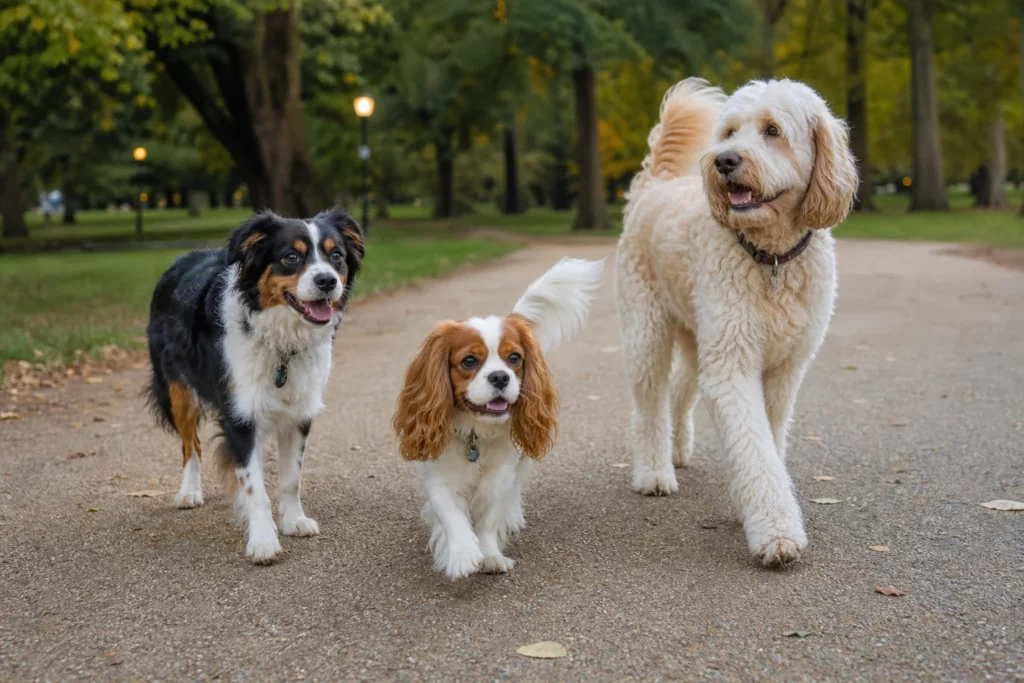
A Cavalier King Charles Spaniel mix receives genes from both parent lines, but the result is not a predictable 50-50 average. Size, coat, shedding, energy, trainability, sociability, structure, and health can vary within one litter. The best choice is an individual dog whose needs match the household, not the cutest designer name.

Don’t Guess When It Comes To Your Pet’s Care
Sign up for expert-backed reviews and safety alerts all in one place.
What a Cavalier mix can inherit
- 1A mix name cannot guarantee adult size, temperament, low shedding, or health.
- 2Evaluate both parent breeds and the individual dog.
- 3Health screening should address the risks in both parent lines.
- 4Plan for the higher plausible grooming and exercise workload.
- 5Rescue and responsible sources should be evaluated by evidence, not branding.
Each puppy receives half its DNA from each biological parent, but traits are influenced by many genes, development, health, and environment. A Cavapoo can have a straighter, wavier, or curlier coat. A Cavador can mature smaller or larger than a buyer expects. Littermates can differ in confidence, energy, noise, and handling tolerance.
Use parent breeds to identify questions, not guarantees:
- What adult size range is plausible?
- Which coat types and grooming workloads can occur?
- What exercise and training needs appear in both lines?
- Which diseases should be screened in each parent?
- Can the household support the most demanding plausible outcome?
Petful may earn a commission when you click through to Chewy, at no extra cost to you.
Popular Cavalier mixes compared
Cavalier mix fit comparison
| Mix | Other parent | Main fit question | Coat uncertainty |
|---|---|---|---|
| Cavapoo | Poodle | Can you provide training, mental work, and frequent coat care? | Straight to curly, shedding cannot be promised |
| Cavachon | Bichon Frise | Do you want a close companion and accept mat-prone coat care? | Soft, wavy, or curly with high grooming potential |
| Cavapom | Pomeranian | Can you manage alert barking and a potentially dense coat? | Silky to dense double-coat traits |
| Cavador | Labrador Retriever | Can you handle a larger, more active dog than a Cavalier? | Shorter to feathered, shedding likely |
| Cava-Tzu | Shih Tzu | Can you manage daily face and coat care plus close companionship? | Long, silky, wavy, or dense |
| Cav-a-Malt | Maltese | Can you protect a small dog and maintain fine coat texture? | Fine, silky, or wavy with mat risk |
The table describes planning questions. It does not certify a dog. Meet the individual, review records, observe recovery after excitement, test cooperative handling, and discuss known medical and behavior history.
Cavapoo
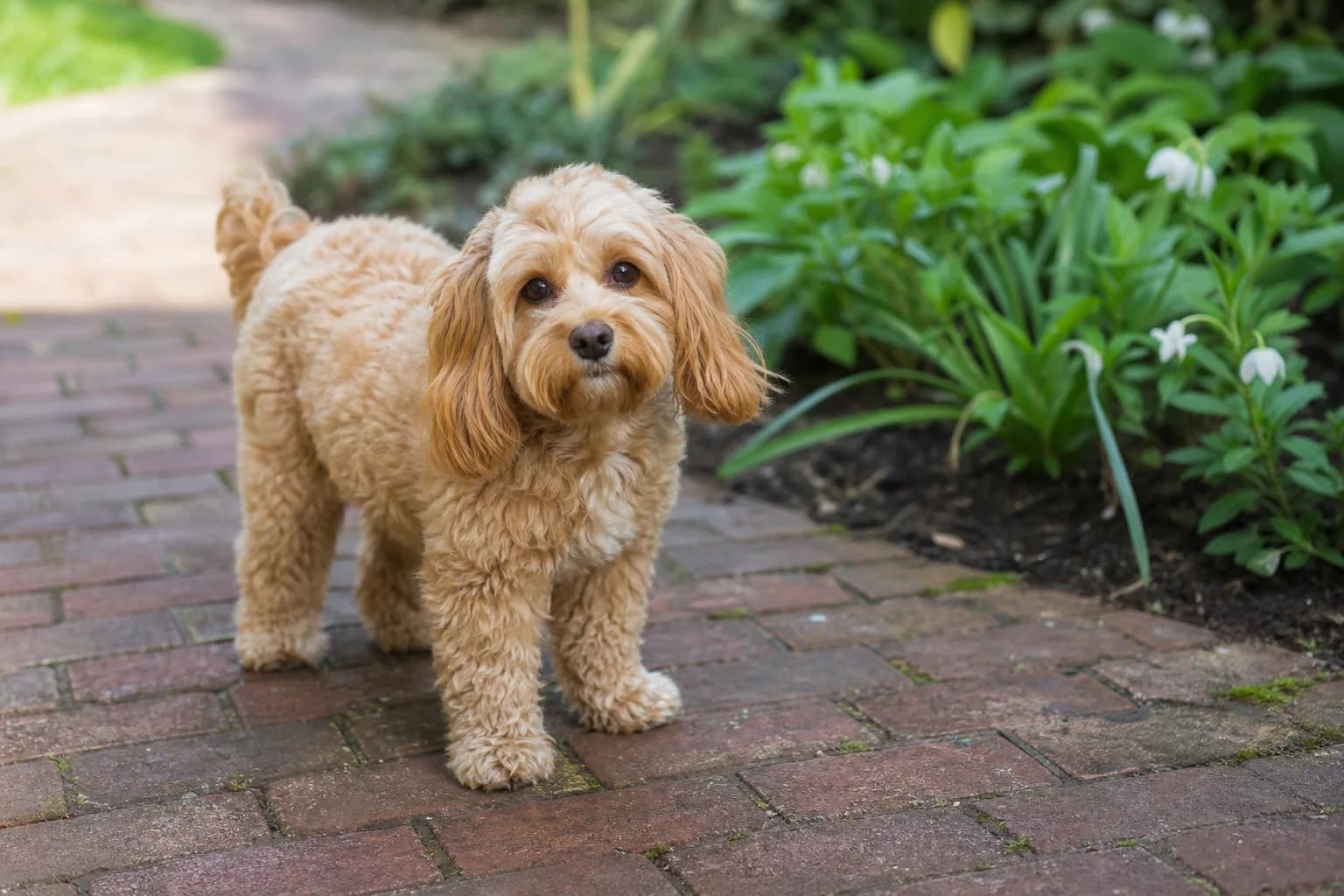
The Cavapoo combines Cavalier and Poodle ancestry. Adult size depends heavily on the Poodle parent’s size and the family line. Many need regular professional grooming because growing, wavy, or curly hair can mat. Intelligence is not automatic ease: a bright, sensitive dog still needs calm training, rest, and gradual alone-time practice.
Do not accept “hypoallergenic” as a guarantee. Allergens and shedding vary by individual, including within one litter.

Petful may earn a commission when you click through to Chewy, at no extra cost to you.
Embark Breed and Health test can provide ancestry estimates and selected genetic results, but it cannot guarantee adult traits, diagnose disease, or replace veterinary screening. Wisdom Panel Essential DNA test can provide ancestry estimates, but it cannot guarantee adult traits, diagnose disease, or replace veterinary screening. For walking equipment, measure the neck and chest before trying the Frisco padded no-pull harness, then recheck movement and strap clearance after the coat or weight changes.
Cavachon
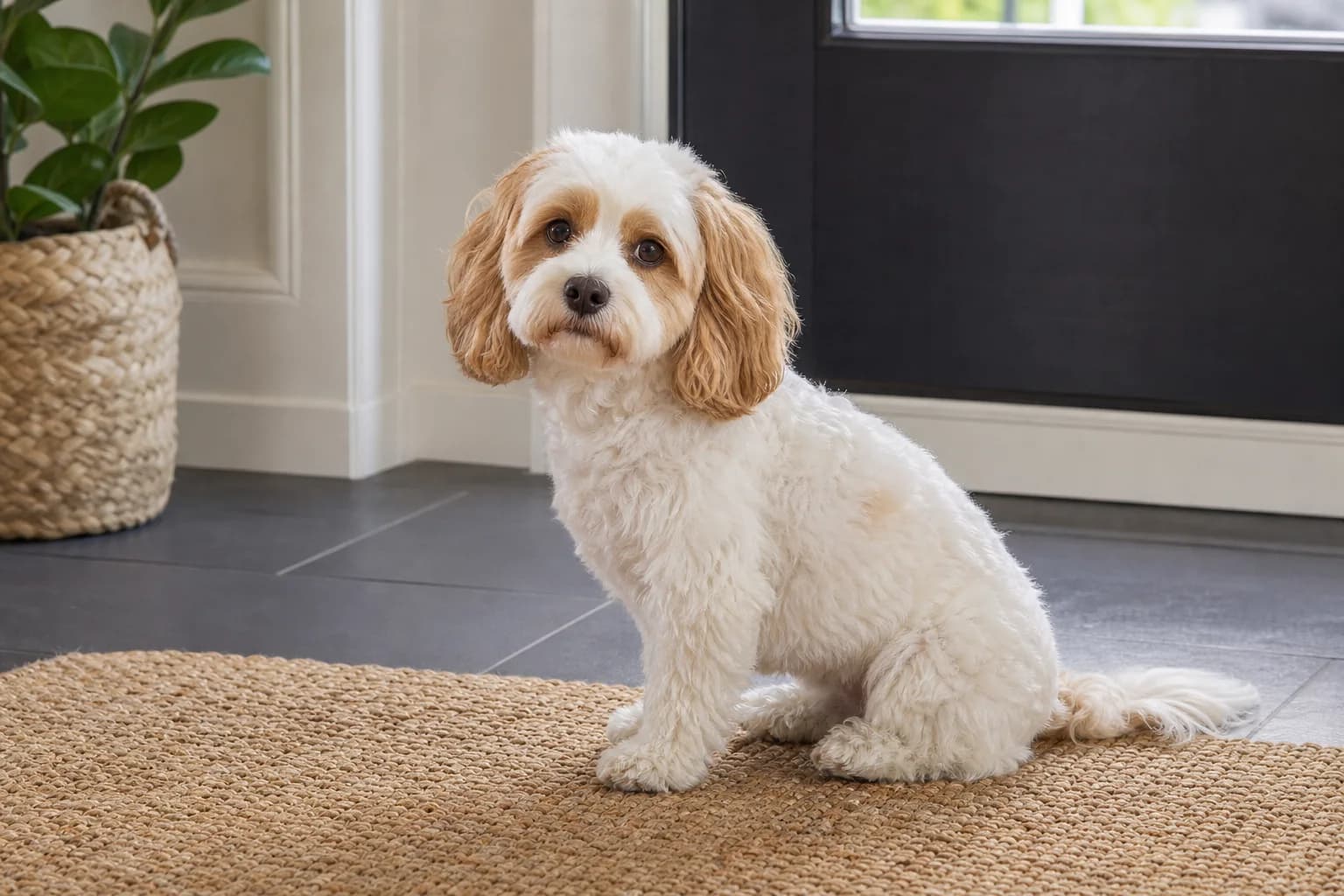
The Cavachon combines Cavalier and Bichon Frise ancestry. A social, people-focused companion is plausible, along with a soft coat that can require substantial brushing and professional grooming. Small size does not remove exercise, bathroom, training, or dental needs.
Ask about cardiac screening in the Cavalier parent and the recommended tests for the Bichon line. “Hybrid vigor” is not a health clearance.
Cavapom
The Cavapom combines Cavalier and Pomeranian ancestry. Potential outcomes include a compact dog with alert barking, a plumed coat, quick movement, and strong attachment. Coat density, muzzle, size, and sociability can vary.
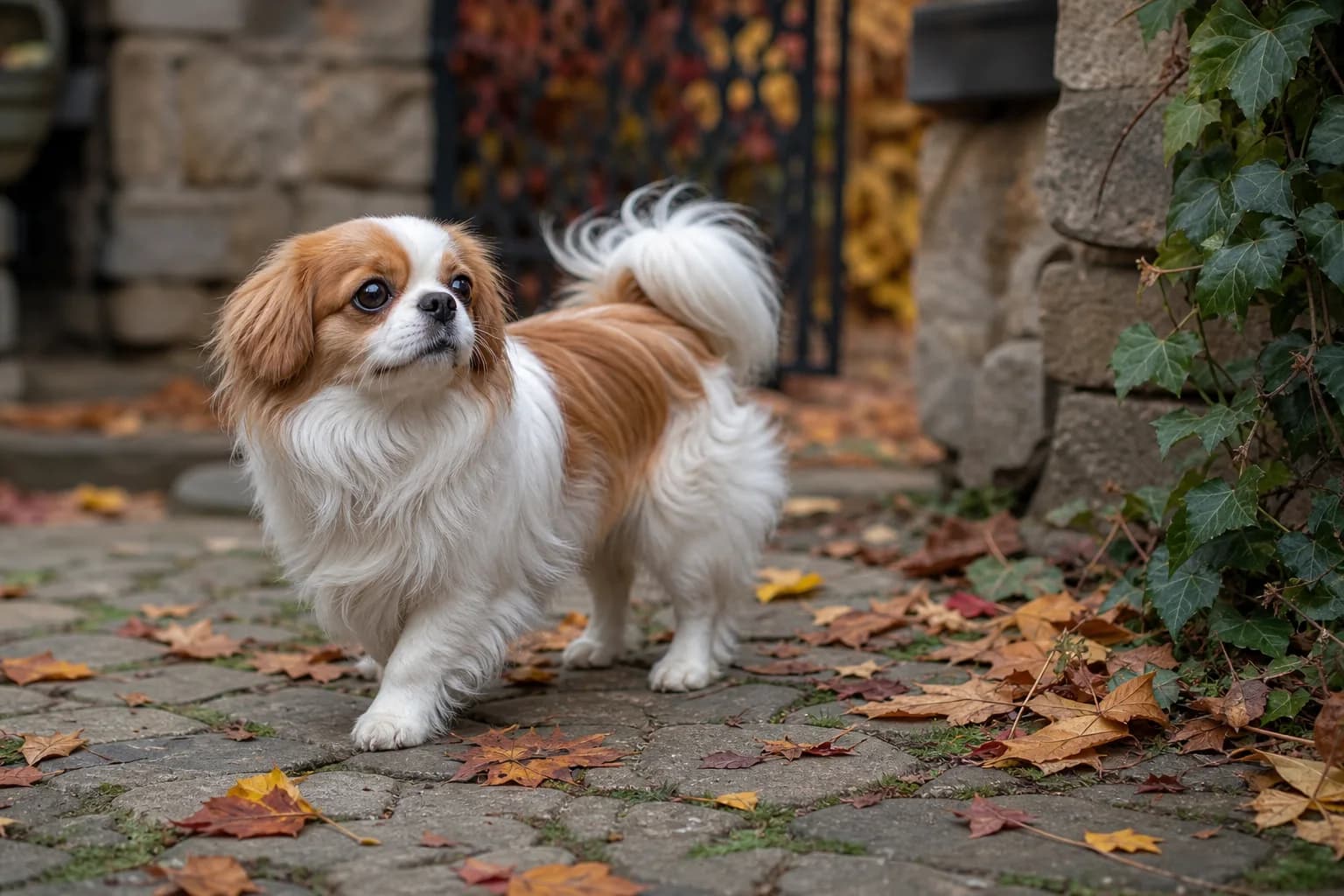
Plan for careful handling, routine dental care, positive noise management, and grooming that reaches the skin.
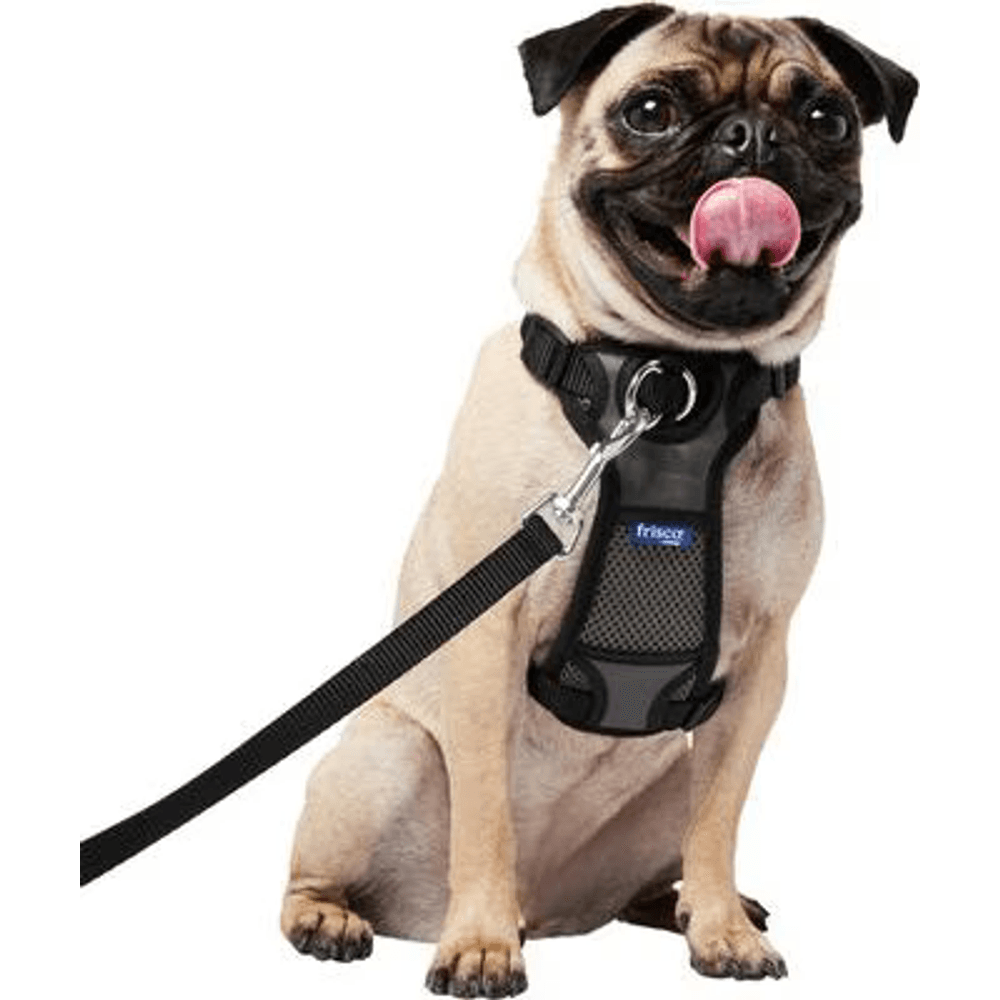
A budget-friendly padded no-pull harness that keeps leash pressure off a coughing dog’s neck and windpipe by distributing it across the chest. A simple, affordable way to protect an irritated airway or a collapsing trachea on every walk.
Petful may earn a commission when you click through to Chewy, at no extra cost to you.
Cavador
The Cavador combines Cavalier and Labrador Retriever ancestry. This cross can be substantially larger and more athletic than a Cavalier, with stronger retrieving, chewing, food motivation, and adolescent exercise needs. A buyer who expects a lap-sized dog could face a serious mismatch.
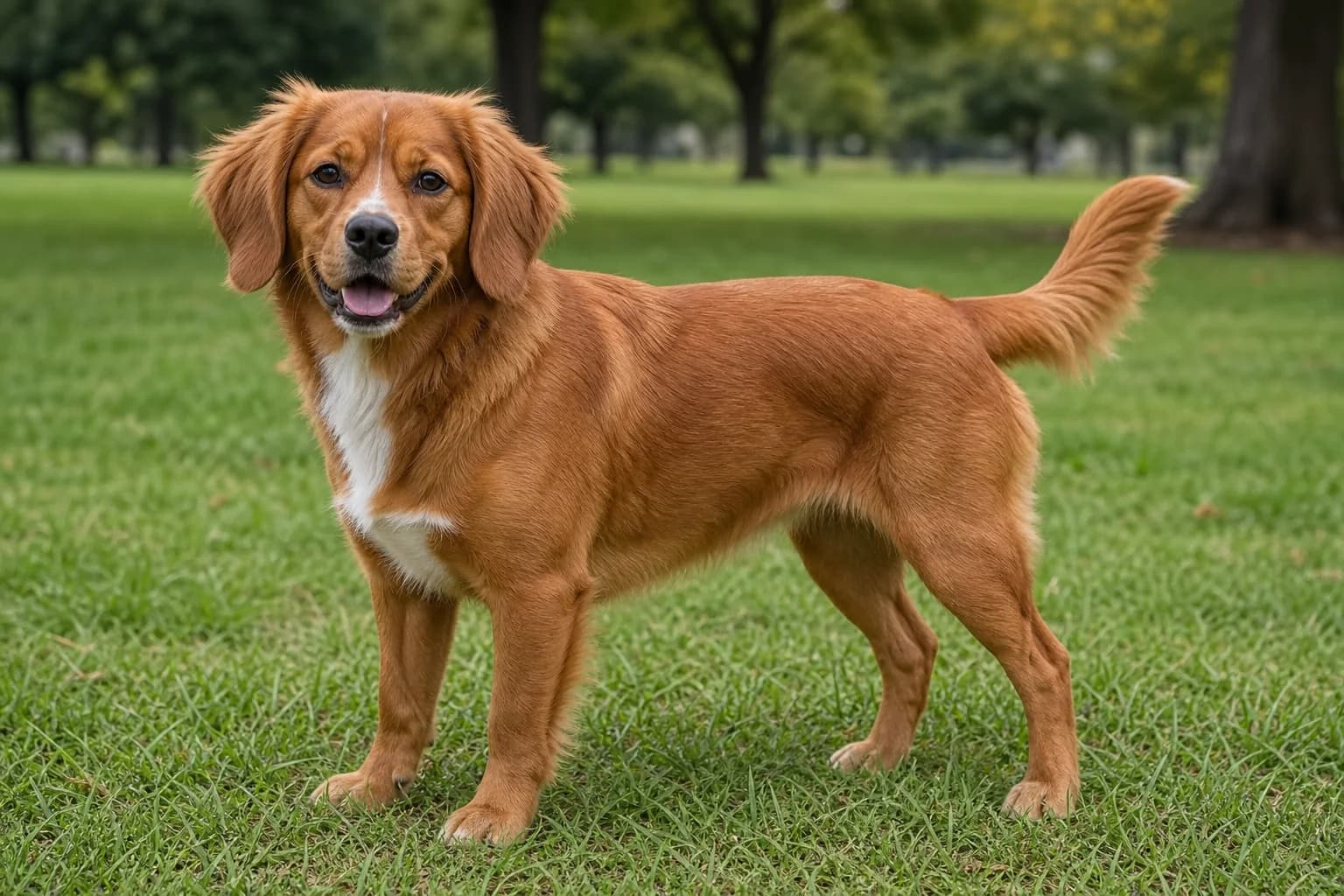
Evaluate hip, elbow, eye, cardiac, and other testing appropriate to both lines. Control calories early because both parent populations can include dogs that eat enthusiastically.
Cava-Tzu
The Cava-Tzu combines Cavalier and Shih Tzu ancestry. Close companionship and a long grooming commitment are plausible, but muzzle length, eye exposure, coat, energy, and heat tolerance vary. The dog may need daily face checks and frequent combing.
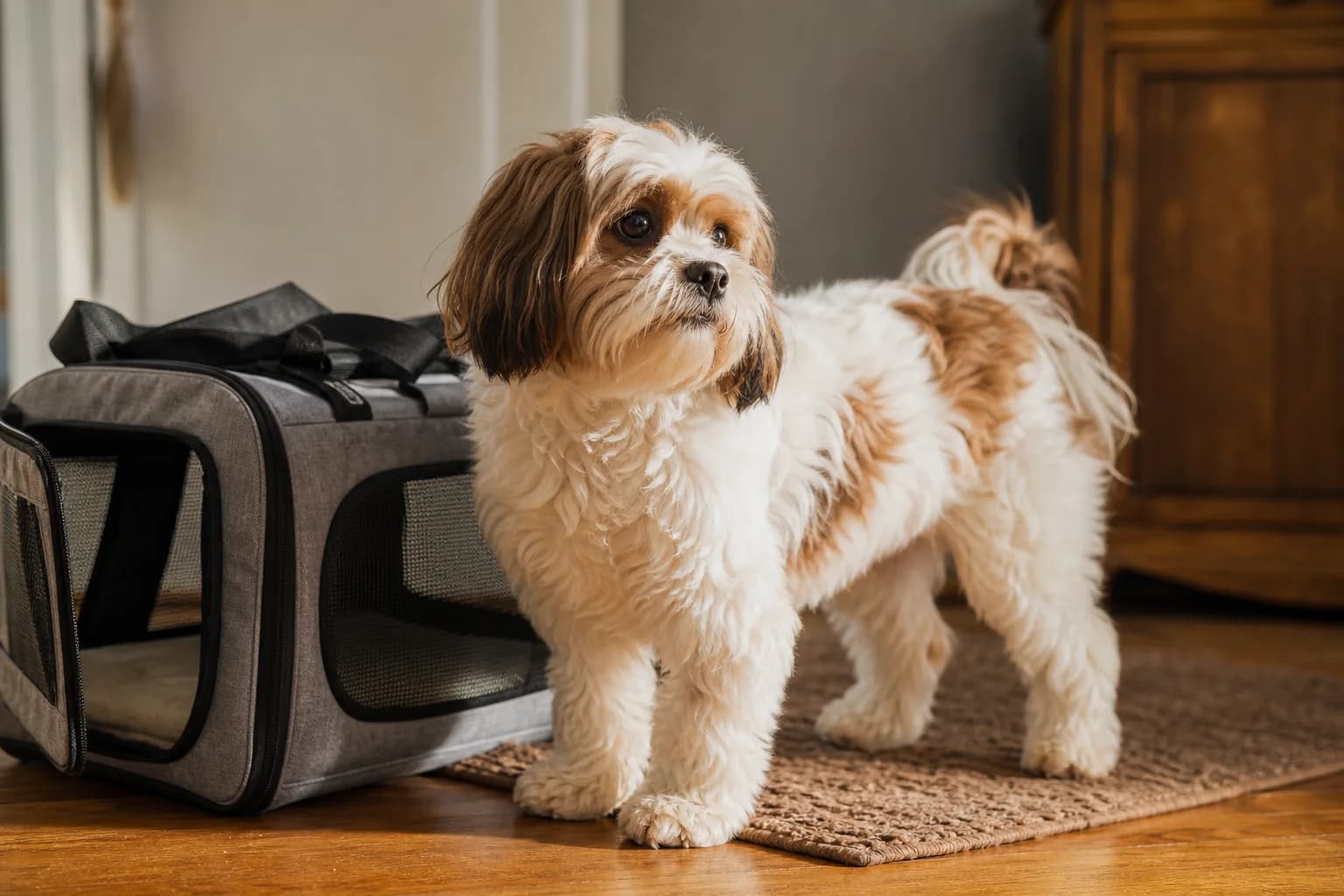
Assess breathing comfortably at rest and during gentle activity. A cute short face is not evidence of healthy airflow.
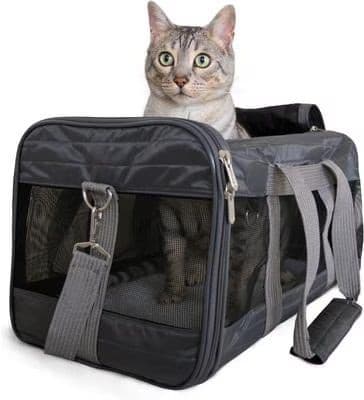
An airline-approved soft-sided carrier with mesh ventilation windows, a top-rated travel pick for cats and small dogs.
Petful may earn a commission when you click through to Chewy, at no extra cost to you.
Cav-a-Malt
The Cav-a-Malt combines Cavalier and Maltese ancestry. A small, affectionate dog with a fine or silky coat is plausible. Small size increases risk from falls, rough handling, and missed meals in young puppies, while a fine coat can mat where collars and legs rub.
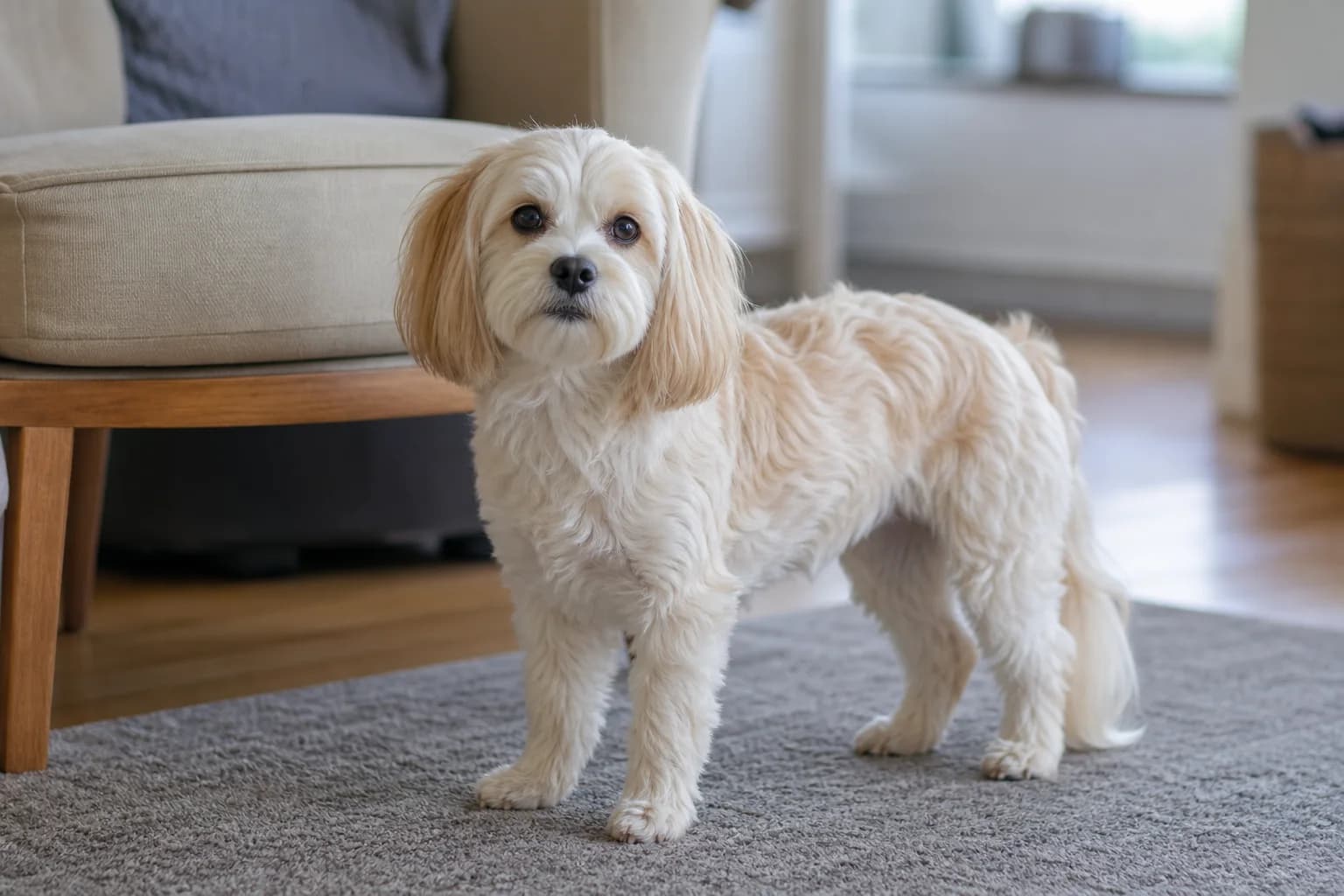
Check both lines’ health recommendations and assess the individual dog’s knees, eyes, heart, teeth, behavior, and body condition with veterinary guidance.
How to choose the best Cavalier mix
What is the best Cavalier mix? There is no universal winner. The best fit is the individual whose adult-size range, energy, coat care, sociability, handling tolerance, health evidence, and source align with the home.
Score the match before ranking names:
- Adult size the household can safely manage.
- Daily exercise and mental activity available in every season.
- Highest plausible grooming frequency and professional cost.
- Alone-time needs and work schedule.
- Children, pets, stairs, travel, and housing constraints.
- Verified health testing and known individual history.
- Emergency and chronic-care budget.
A measuring tape for dog gear helps fit equipment after choosing the dog, but it cannot predict puppy size.
Petful may earn a commission when you click through to Chewy, at no extra cost to you.
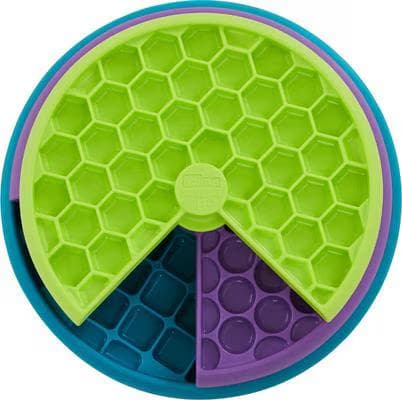
Measure standing height and body length before comparing the Sherpa soft-sided carrier, and verify the exact car or airline rules that apply to the trip. The Nina Ottosson Lickin’ Layers puzzle feeder can turn part of a measured meal into supervised enrichment; start easy and remove it if frustration or chewing replaces problem-solving. Embark Breed Identification test can provide ancestry estimates, but it cannot guarantee adult traits, diagnose disease, or replace veterinary screening.
Grooming and exercise can vary
Plan for the more demanding plausible coat. If one parent line has continuously growing or dense mat-prone hair, budget for frequent combing and professional visits until the individual coat proves simpler. If both lines shed, expect shedding.
Exercise should match age, structure, conditioning, weather, and health. A Cavador may need more sustained activity than a Cava-Tzu, but individual variation can reverse assumptions. Increase activity gradually and include sniffing, training, play, and rest.
A small-to-medium Y-front harness should be chosen after measuring the dog’s chest and checking shoulder freedom.
Health screening for a Cavalier mix
Mixed does not mean risk-free
- A Cavalier mix can inherit heart, neurologic, eye, knee, hip, dental, skin, airway, back, or other risks from either parent line. Ask for named, verifiable tests recommended for both breeds. A DNA panel alone does not replace cardiac, eye, orthopedic, or clinical evaluation.
Start with Cavalier cardiac, eye, patella, and hip evidence, then add the other breed’s parent-club recommendations. Ask what conditions occurred in siblings and older relatives, not only whether the parents “look healthy.”
The Cavalier health guide explains the purebred baseline. The other parent requires equally careful research.
Find a Cavalier mix responsibly
Cavalier mix source evidence
| Source path | Evidence to request | Risk signal |
|---|---|---|
| Rescue or foster placement | Intake history, veterinary record, behavior observations, return support, and clear uncertainty about ancestry | A designer label presented as fact with no known parentage |
| Known-parent rehoming | Parent identities, reason for placement, veterinary history, daily routine, and direct observations | Pressure to skip records, meetings, or a written transfer |
| Purpose-bred litter | Verifiable parent health records for both breeds, pedigree or identity evidence, contract, socialization record, and return policy | No parent health records, guaranteed traits, many unrelated crosses, or payment urgency |
Rescue organizations may identify a mix by appearance, records, or known parentage. Appearance is an estimate, not fraud by itself, as long as uncertainty is stated. A DNA test can add ancestry information, but percentages do not predict exact behavior or disease outcome.
For purpose-bred puppies, use the Cavalier puppy source checklist and add the second parent breed’s evidence. Avoid sources selling many unrelated crosses, guaranteeing no shedding, using tiny-size labels, or claiming crossing removes all disease.
Do Cavaliers need another dog?
Are Cavaliers happier in pairs? Some enjoy living with a compatible dog, while others prefer human company or need careful introductions. A second dog does not treat separation distress and can double grooming, training, travel, and medical cost. Choose another dog only when the household can meet both individuals’ needs and manage them separately when necessary.
Food for an individual mixed-breed dog
Feed the dog in front of you. Choose a complete and balanced food for life stage, measure calories, and adjust to body condition. The Cavalier food framework remains useful, but adult size, activity, health, and format may differ from a purebred Cavalier.
Cavalier vs. King Charles Spaniel terminology
Do not confuse the Cavalier King Charles Spaniel with the King Charles Spaniel, called the English Toy Spaniel in the United States. A mix label should name the actual parent breed when known. The comparison guide maps the names and physical differences.
Cavalier mix FAQs
Frequently Asked Questions
No mix is best for every home. Compare the individual dog’s plausible adult size, energy, coat and shedding, handling tolerance, sociability, health evidence, and source with the household’s real schedule and budget. Meet adult dogs when possible and plan for the more demanding outcome. A designer name cannot guarantee temperament, low shedding, or health. Fit matters more than branding.
Some Cavaliers and mixes enjoy a compatible canine companion, but others prefer people or need slow introductions. A second dog does not cure separation distress and adds cost, grooming, training, travel, and medical responsibility. Add another dog only if the household wants and can support both individuals, including separate rest, feeding, training, and veterinary care.
A Cavalier mix can shed, and a designer label cannot guarantee a low-shedding coat. The Cavalier contributes silky feathering and shedding potential, while the other parent may add curl, wire texture, dense undercoat, seasonal loss, or hair that mats near the skin. Plan for the more demanding plausible mixed coat until the individual matures. Adult relatives and hands-on combing reveal more than a puppy photo or marketing claim.
No mix name can promise one adult size. Estimate an adult-size range from both known parents, their sexes, mature relatives, previous offspring, and the individual puppy’s structure, but keep uncertainty in the plan. Weight, leg length, body length, head shape, chest depth, and bone can vary separately. Prepare housing, travel, handling, equipment, and costs for the larger plausible outcome rather than relying on the smallest puppy or a tiny label.
Mixed ancestry does not make an individual dog risk-free. A Cavalier mix may inherit heart, neurologic, eye, knee, hip, dental, skin, airway, back, or other risks from either side. Ask for named, verifiable tests recommended for both parent lines and for health information about older relatives. A DNA panel may add ancestry or variant information, but it does not replace cardiac, eye, orthopedic, or clinical evaluation.

Coreen Saito is a pet writer and longtime shelter volunteer with more than a decade in animal rescue. She covers cat behavior, breed care, and the small, ordinary science of sharing a life with companion animals, with a particular focus on honest takes about the products and decisions that actually matter. At home in Arizona, she’s outranked by Mac (a dog with the loudest opinion in the house), Rebel (a cat who governs by quiet authority), and Meri (an orange tabby who runs the late shift and the laundry basket). She writes about all three, plus the rescues that keep coming through her life, at LifeWithMinty.com.