
The nation’s 87 million dogs require routine veterinary checkups at least once a year, but the exact frequency depends heavily on their age, breed, and lifestyle.
While a healthy adult dog is generally fine with an annual exam, puppies and senior dogs require much more frequent monitoring to stay healthy.
Preventive veterinary care is the most effective way to catch underlying illnesses before they become difficult or expensive to treat.
In fact, veterinary clinics perform millions of preventive care exams every year, helping pet owners detect silent issues such as early-stage kidney disease or dental infections before their pets show any outward signs of pain.
These routine evaluations serve as a vital baseline for your dog’s long-term health.
The Veterinary Schedule by Life Stage
A dog’s veterinary needs change rapidly as they grow from a vulnerable puppy into their senior years.
Puppies require the most frequent visits to complete their initial vaccination series. Between six and sixteen weeks, puppies typically see the vet every three to four weeks for core vaccines, parasite checks, and growth monitoring.
This early phase of veterinary care focuses on building strong immunity against common canine illnesses.
Healthy adult dogs between the ages of one and seven generally require a single comprehensive exam each year.
During this visit, your veterinarian will assess your dog’s overall physical condition, administer booster shots, and run routine screening tests.
If your dog has been trained to visit daycare, boards at a kennel, or travels frequently, they may need additional lifestyle vaccines, such as those for Bordetella or canine influenza, to protect them in high-exposure environments.
Senior dogs, typically those aged 7 and older, should transition to a twice-yearly exam schedule. Dogs age much faster than humans, and their health status can change dramatically in a six-month period.
Regular senior dog wellness exams help identify age-related conditions like arthritis, diabetes, and organ decline early. Giant breeds, such as Great Danes or Mastiffs, age even faster and often require senior diagnostic screenings as early as age five.
What Happens During a Wellness Exam
A standard veterinary checkup is far more than just a quick physical assessment and a round of shots.
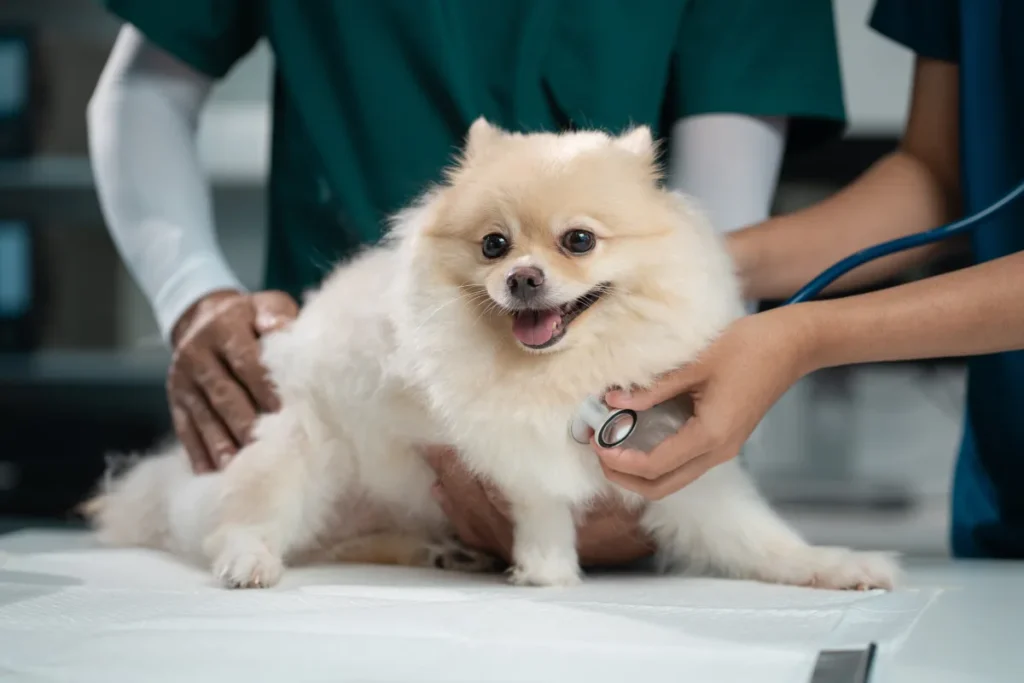
During a standard appointment, your vet will perform a thorough head-to-tail physical examination to evaluate your dog’s eyes, ears, teeth, joints, and skin.
They will also listen to your pet’s heart and lungs to check for any murmurs or abnormal breathing patterns.
This is also the ideal time to discuss your dog’s daily routine, behavior, and diet to ensure they are getting the proper nutrition.
Understanding the core components of a dog wellness exam allows you to advocate more effectively for your pet’s health during these visits. While the practitioner will explain in more detail, it’s easier if you’re partly up to speed beforehand.

Routine screening tests are another critical part of preventive care, especially as dogs age. These tests typically include blood work, urinalysis, and fecal exams to check for internal parasites.
Veterinarians recommend these baseline tests because they provide a clear window into your dog’s internal organ function.
For older dogs, routine senior blood panels can detect early signs of kidney, liver, or thyroid dysfunction long before clinical symptoms appear.
Veterinary teams usually look for the following key indicators during routine laboratory screening:
- Red and white blood cell counts to check for anemia or hidden infections
- Kidney and liver enzyme levels to evaluate internal organ function
- Thyroid hormone levels to ensure your dog’s metabolism is functioning normally
Signs Your Dog Needs an Extra Visit
Even if your dog has recently had a clean bill of health, sudden changes in their behavior or physical appearance warrant an immediate trip to the clinic.
You should always watch for subtle warning signs that indicate your dog is not feeling well. These signs include unexplained weight loss, persistent lethargy, changes in water consumption, or a sudden loss of appetite.
Gastrointestinal issues such as vomiting or diarrhea that last more than 24 hours also require professional medical attention.
Changes in mobility, such as stiffness when rising, limping, or a reluctance to climb stairs, are often signs of pain or joint degeneration that your vet can help manage.
Trusting your instincts as a pet owner is vital. If your dog seems unusual or is behaving differently than normal, a quick exam can prevent a minor issue from turning into a medical emergency.
Tracking Your Dog’s Health over Time
Keeping a detailed log of your dog’s vaccinations, medication schedules, and veterinary records helps you stay organized.
It also provides your veterinary team with a complete medical history, which is incredibly useful if you ever need to visit an emergency clinic or transition to a new family vet.
Check out more of our educational blog posts to make your pet ownership experience more fulfilling.