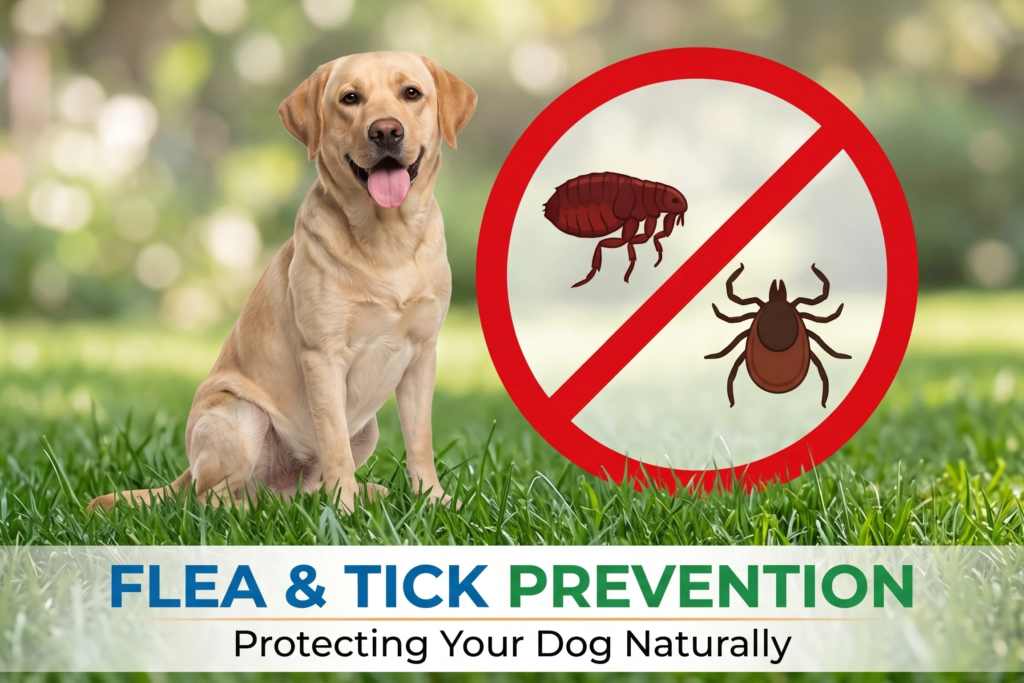

Dr. Megan Barrett, an integrative veterinarian based in Hawaii, recently walked through her approach to natural flea and tick prevention for dogs. Rather than treating conventional chemical preventatives as the only option, she outlined a layered set of habits, some dietary, some topical, some environmental, that pet parents can use to support their dog’s defenses. Here’s a closer look at what she shared.
Dietary Support: Proceed With Caution
Dr. Barrett noted that some dietary additions have been said to deter parasites through changes in body odor. Garlic is the best-known example, and she was candid that it’s controversial: some holistic vets use it in small, carefully measured amounts, but she personally stays cautious with it. Brewer’s yeast, which contains B vitamins, is another option some pet parents use as part of a broader routine, though she’s clear it shouldn’t be relied on as a stand-alone preventative. Her guidance: talk to your own vet before adding anything new to your dog’s diet, especially garlic, since amounts that seem small can add up to real risk for a dog’s size.
Topical Support: Vinegar Rinses
Vinegar came up as one of Dr. Barrett’s more versatile tools. Added to drinking water at about a teaspoon per quart, it’s something some pet parents use internally as part of a broader routine. She also likes it topically, diluted one-to-one with water, or even with a mild herbal tea like Tulsi, then combed through the coat. Beyond any deterrent effect, she noted it tends to leave a dog’s coat noticeably soft.
The Home Environment and a Consistent Grooming Routine
If a flea infestation does take hold, Dr. Barrett emphasized that the home needs just as much attention as the dog. That means diligent cleaning for at least a few months, deep-cleaning once or twice a week, laundering dog beds and any fabric surfaces your pet lays on, and vacuuming upholstery and corners where pets spend time. The reason for the long timeline is the flea life cycle, which can stretch up to three months: adults you see today may already be laying eggs that hatch months from now, keeping an infestation going if the cleaning stops too soon. Alongside that, she stressed regular grooming with a flea comb or brush. It’s easy to skip, especially with a larger dog, but she compares it to a person showering regularly: skin and coat care is simply part of keeping a dog healthy, and it lets you catch problems early.
The Takeaway
As Dr. Barrett put it, protecting a dog from fleas and ticks is a top priority for any pet owner, and conventional chemical products aren’t the only path there. Her approach layers thoughtful dietary choices, topical support like diluted vinegar, a consistent home-cleaning routine, and regular grooming into one strategy, rather than leaning on any single fix. As always, talk with your veterinarian about which of these habits are the right fit for your dog.
Webinar: Dr. Megan Barrett, hosted by Pet Summits (https://petsummits.com/experts/meghanbarrett-speaker/). Learn more about Dr. Barrett’s practice at https://drbarrettvet.com/.
This content is for general wellness and informational purposes only and is not a substitute for professional veterinary advice. Always consult your veterinarian before making changes to your dog’s flea and tick prevention routine, especially before adding anything new to their diet.